Poly cotton fabric, a blend of polyester and cotton, has become a ubiquitous material in modern life. Its affordability, durability, and versatility have propelled it to prominence in the textile industry, impacting everything from clothing and home furnishings to industrial applications. This widespread adoption is driven by a unique combination of properties that address the needs of a globalized and cost-conscious market. Understanding poly cotton fabric is crucial for anyone involved in the textile supply chain, product development, or even conscious consumerism.
The global demand for textiles, estimated at over $1 trillion annually, is heavily influenced by the availability and characteristics of blended fabrics like poly cotton. Emerging economies, particularly in Asia, are key manufacturing hubs and significant consumers of this material. According to the UN Comtrade database, cotton and synthetic textiles represent a substantial portion of international trade. The increasing focus on sustainability also plays a role, as manufacturers explore ways to optimize resource usage and reduce environmental impact – often leading to innovations in poly cotton blends.
Poly cotton fabric addresses a critical need for accessible and long-lasting textiles. In a world facing challenges related to fast fashion and disposable goods, its durability offers a practical solution. It provides a balance between the comfort of natural fibers (cotton) and the resilience and affordability of synthetic fibers (polyester), making it a versatile choice for a wide range of applications and addressing the needs of diverse populations globally.
Introduction: Global or Industry Context
The textile industry is a significant contributor to the global economy, employing millions worldwide and generating substantial revenue. Within this vast landscape, poly cotton fabric holds a prominent position, serving as a foundational material for countless products. Its growth is intrinsically linked to the expansion of fast fashion, the increasing demand for affordable apparel, and the need for durable fabrics in various industrial applications. This fabric represents a convergence of cost-effectiveness and functionality, making it a staple in both developed and developing nations.
The rise of poly cotton fabric is also directly correlated with advancements in polymer chemistry and textile manufacturing techniques. The ability to consistently produce high-quality polyester fibers at competitive prices has been a crucial factor in its success. Moreover, the adaptability of poly cotton – allowing for varying ratios of polyester to cotton – enables manufacturers to tailor the fabric's properties to specific end-use requirements. From lightweight summer clothing to robust workwear, poly cotton can be engineered to meet diverse performance demands.
Definition & Meaning
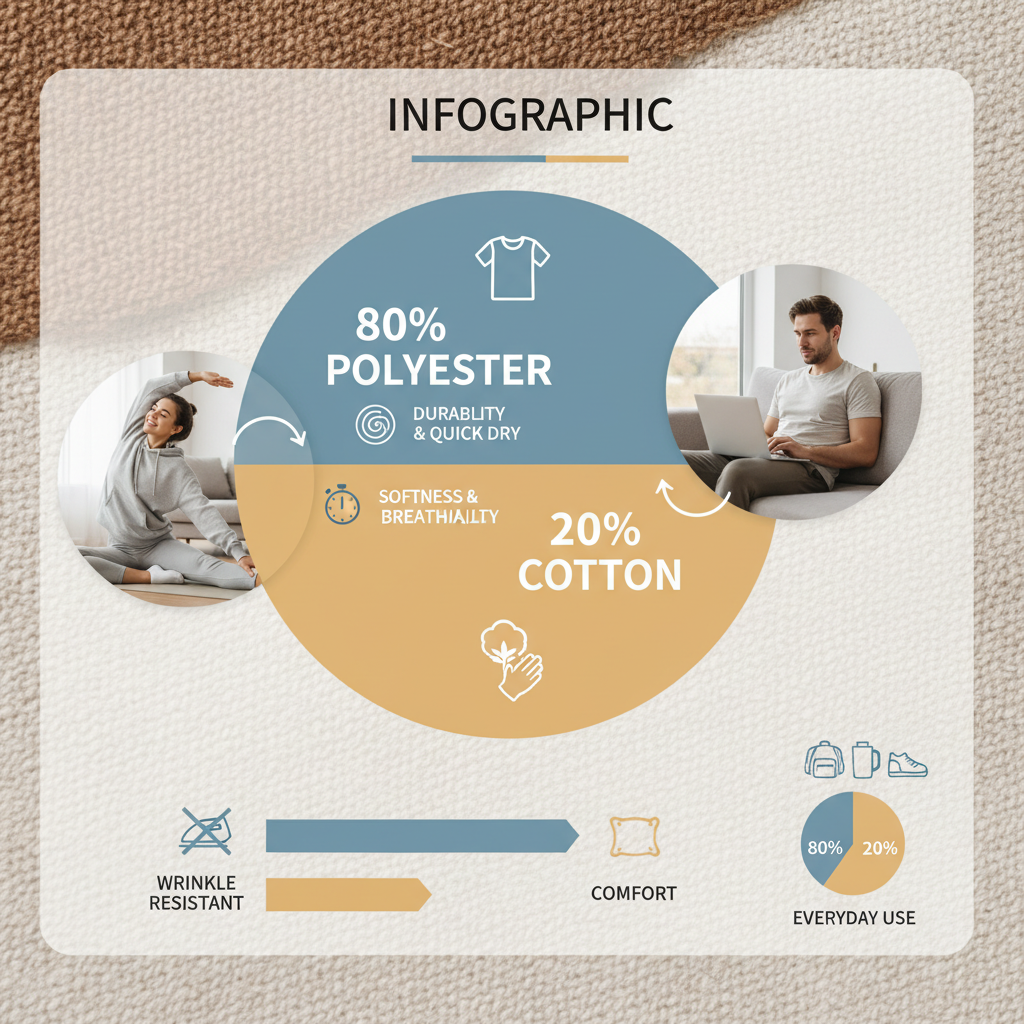
Poly cotton fabric is a blended textile composed of polyester and cotton fibers. The percentage of each fiber can vary, typically ranging from a 65/35 (polyester/cotton) to a 50/50 blend. Polyester contributes strength, durability, and wrinkle resistance, while cotton provides comfort, breathability, and a natural feel. This combination results in a fabric that offers the best of both worlds, making it suitable for a wide array of applications.
In the context of modern industry, poly cotton represents a pragmatic solution to the demands of mass production and consumer preferences. It’s a material designed for efficiency – easy to dye, print on, and maintain. The fabric’s inherent properties make it less prone to shrinking and stretching compared to 100% cotton, increasing the longevity of garments.
From a humanitarian perspective, poly cotton is often utilized in the production of affordable clothing and bedding, particularly in aid organizations providing relief to vulnerable populations. Its durability and low cost make it a practical choice for items that need to withstand frequent use and washing. Ultimately, poly cotton embodies a balance between functionality, affordability, and accessibility, making it a material relevant to a broad spectrum of human needs.
Key Factors or Core Components
Durability: Poly cotton's polyester component significantly enhances its resistance to wear and tear. This translates to longer-lasting garments and reduced replacement frequency. The fabric retains its shape well, even after multiple washes, and is less susceptible to damage from abrasion.
Cost Efficiency: Compared to 100% cotton or other premium fabrics, poly cotton is considerably more affordable. This lower price point makes it accessible to a wider range of consumers and allows manufacturers to offer competitively priced products. The relatively simple production process also contributes to its cost-effectiveness.
Wrinkle Resistance: Polyester fibers naturally resist wrinkling, which is a major benefit in poly cotton blends. This reduces the need for ironing, saving time and energy. This characteristic is particularly valued in travel clothing and everyday wear.
Color Retention: Poly cotton holds dye exceptionally well, resulting in vibrant and long-lasting colors. This is crucial for maintaining the aesthetic appeal of garments and fabrics over time.
Ease of Care: Poly cotton fabrics are generally easy to care for, typically being machine washable and dryer safe. This convenience adds to their practicality and appeal for everyday use.
Breathability (dependent on blend): While not as breathable as 100% cotton, poly cotton blends with a higher cotton content offer a reasonable level of comfort and air circulation, making them suitable for a variety of climates.
Global Applications & Use Cases
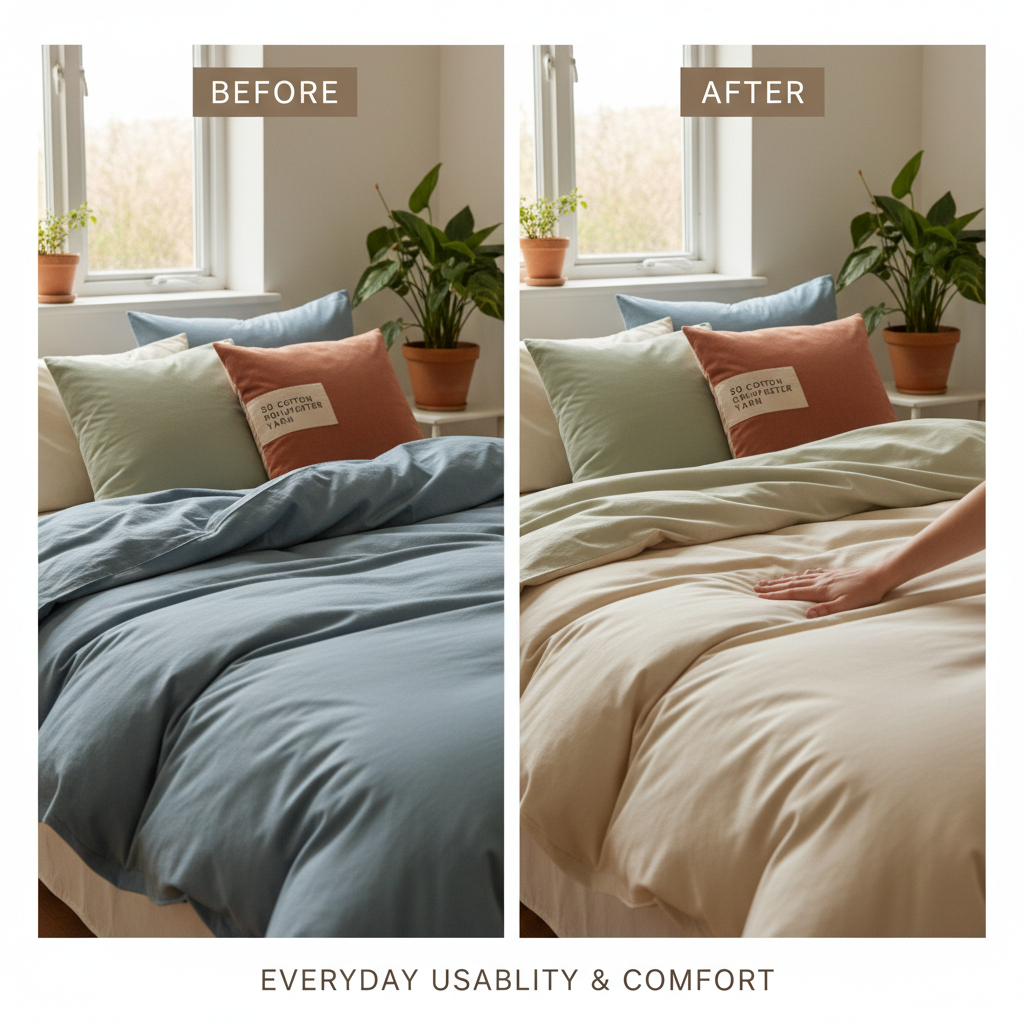
Poly cotton fabric finds application in a vast range of industries. In the apparel sector, it’s a dominant material for everyday clothing, including t-shirts, jeans, shirts, dresses, and workwear. Its affordability and durability make it ideal for mass-market apparel. In the home textiles industry, poly cotton is used for bedding, towels, curtains, and upholstery. Its wrinkle resistance and ease of care are highly valued in these applications.
Industrially, poly cotton is utilized in the production of work uniforms, protective clothing, and industrial filters. Its strength and resistance to chemicals make it suitable for demanding environments. In healthcare, poly cotton blends are frequently used for patient gowns and bed linens, offering a balance of comfort and hygiene.
In post-disaster relief operations, poly cotton blankets and clothing are often distributed to provide warmth and comfort to affected populations. Organizations like the Red Cross and Doctors Without Borders often rely on this fabric due to its durability and affordability. Similarly, in remote industrial zones where demanding work conditions prevail, poly cotton workwear offers a cost-effective and reliable solution for protecting workers.
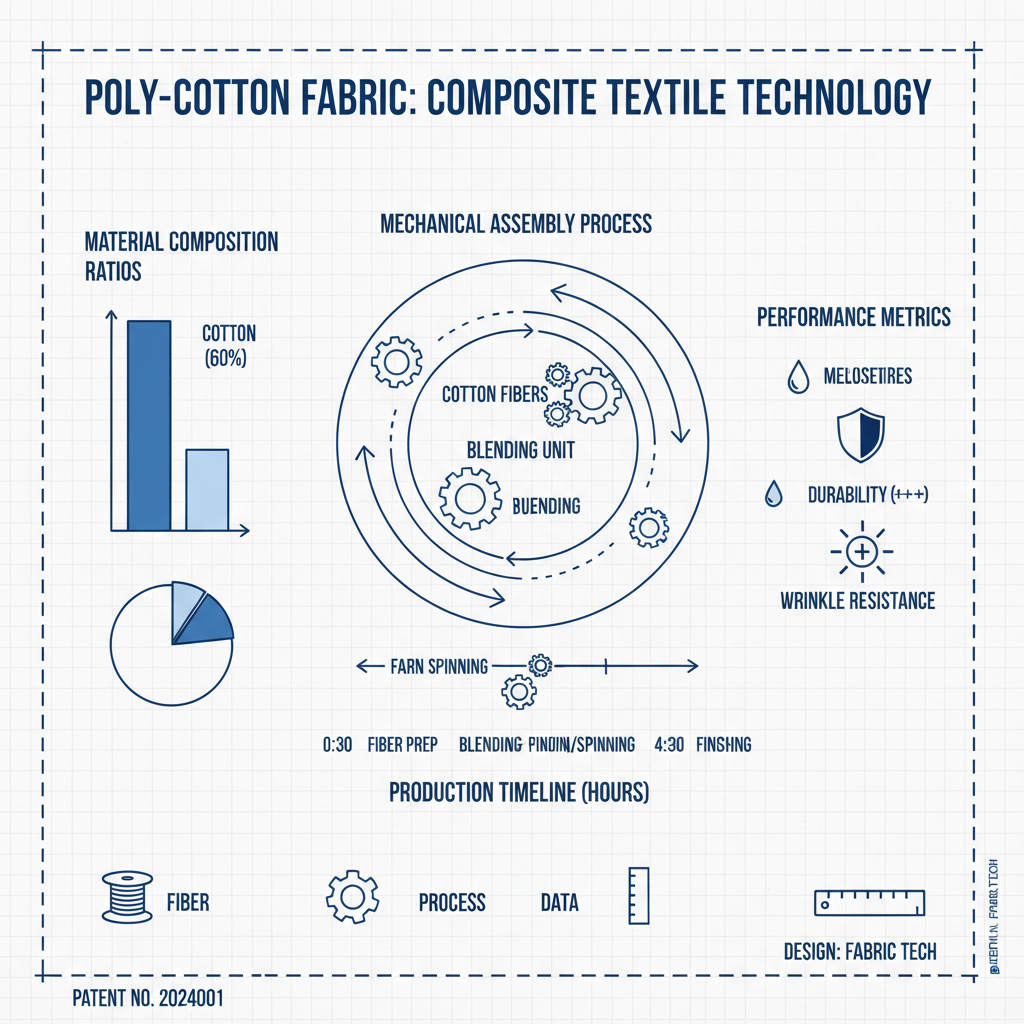
Poly Cotton Fabric Performance Metrics
Advantages & Long-Term Value
The advantages of poly cotton fabric extend beyond mere functionality. Cost savings are substantial, allowing businesses to maximize profits and consumers to access affordable products. Furthermore, the fabric’s durability reduces the need for frequent replacements, contributing to a more sustainable consumption pattern. This longevity translates to long-term value for both producers and consumers.
From a social impact perspective, the affordability of poly cotton contributes to broader access to essential clothing and textiles, particularly in communities with limited resources. The fabric's ease of care also empowers individuals by reducing the time and effort required for laundry and maintenance. Moreover, the innovation in poly cotton blends continues to enhance its performance characteristics, addressing evolving needs and preferences.
Future Trends & Innovations
The future of poly cotton fabric is likely to be shaped by a growing emphasis on sustainability and circularity. Researchers are exploring methods to incorporate recycled polyester into blends, reducing reliance on virgin materials. Bio-based polyester, derived from renewable resources, is also gaining traction as a potential alternative to traditional petroleum-based polyester.
Digital printing technologies are revolutionizing the way patterns and designs are applied to poly cotton fabrics, allowing for greater customization and reduced waste. Smart textiles, incorporating sensors and conductive fibers, are also emerging as a potential application, adding functionality and interactivity to poly cotton garments.
Challenges & Solutions
Despite its many advantages, poly cotton fabric faces certain challenges. The reliance on polyester, a synthetic material derived from fossil fuels, raises environmental concerns. Microplastic shedding during washing is also a growing issue, contributing to plastic pollution in waterways.
Addressing these challenges requires a multi-faceted approach. Investing in research and development of bio-based polyester alternatives is crucial. Developing more effective filtration systems for washing machines to capture microplastics is also essential. Furthermore, promoting responsible textile disposal and recycling programs can help to create a more circular economy for poly cotton fabric.
Another challenge is consumer perception regarding the comfort of poly cotton blends. Innovative weaving techniques and fiber modifications can enhance the breathability and softness of the fabric, addressing this concern. Transparency in sourcing and manufacturing processes can also build consumer trust and encourage responsible purchasing decisions.
Summary of Poly Cotton Fabric Challenges and Potential Solutions
| Challenge |
Environmental Impact |
Consumer Perception |
Potential Solutions |
| Fossil Fuel Dependency |
High carbon footprint |
Perceived as less sustainable |
Develop bio-based polyester alternatives |
| Microplastic Pollution |
Contamination of waterways |
No direct impact |
Improve washing machine filtration systems |
| Durability Concerns |
Reduced lifespan if low quality |
Questionable long-term value |
Focus on higher quality blends and manufacturing |
| Breathability Issues |
Limited airflow in some blends |
Perceived as uncomfortable in hot climates |
Optimize fiber ratios and weaving techniques |
| Recycling Challenges |
Difficult to separate polyester and cotton |
Low recycling rates |
Invest in innovative textile recycling technologies |
| Consumer Awareness |
Lack of understanding about fabric composition |
Limited informed purchasing decisions |
Increase transparency and promote sustainable labeling |
FAQS
The most common polyester to cotton ratios in poly cotton fabric are 65/35 and 50/50. A 65/35 blend (65% polyester, 35% cotton) offers increased durability, wrinkle resistance, and affordability. The 50/50 blend provides a softer feel and improved breathability, leaning more toward the comfort of cotton while still retaining some of polyester's benefits. The specific ratio used depends on the intended application and desired properties of the fabric.
While not as breathable as 100% cotton, poly cotton can still offer a reasonable level of breathability, particularly blends with a higher cotton content. Polyester fibers themselves are not very breathable. However, the cotton component allows for some air circulation. The weave structure of the fabric also plays a role; looser weaves generally provide better breathability. For warmer climates or activewear, a higher cotton ratio is recommended.
Poly cotton fabric is generally very durable and holds up well to repeated washing. Polyester fibers are resistant to shrinking and stretching, which helps the fabric retain its shape. It's typically machine washable and can be tumble dried. However, it’s always recommended to follow the care instructions on the garment label. High heat settings can potentially damage polyester fibers over time, so using a moderate temperature is advisable.
The sustainability of poly cotton fabric is a complex issue. Polyester is derived from petroleum, a non-renewable resource. However, poly cotton’s durability means garments last longer, reducing the need for frequent replacements. The use of recycled polyester is increasing, offering a more sustainable alternative. Efforts to address microplastic shedding during washing and improve textile recycling are also crucial for enhancing its sustainability profile.
Poly cotton fabric has a diverse range of uses. It's commonly used in apparel, including t-shirts, jeans, and work uniforms, because of its durability and affordability. It's also used extensively in home textiles like bed sheets, towels, and curtains. Furthermore, it finds applications in industrial settings for filters and protective clothing, and even in healthcare for patient gowns and linens.
While 100% cotton is softer and more breathable, poly cotton offers several advantages. Poly cotton is more durable, wrinkle-resistant, and less prone to shrinking than 100% cotton. It’s also generally more affordable. 100% cotton is more sustainable but tends to wear out faster. The choice between the two depends on the specific application and desired properties. Poly cotton offers a practical balance between cost, performance, and durability.
Conclusion
Poly cotton fabric remains a cornerstone of the global textile industry, offering a compelling combination of affordability, durability, and versatility. Its adaptability to diverse applications, from everyday clothing to industrial uses, underscores its enduring relevance. Understanding its properties, advantages, and the evolving challenges related to sustainability is crucial for stakeholders across the supply chain, and the innovations regarding recycled polyester promises to improve the environmental profile of this ubiquitous material.
Looking ahead, continued innovation in fiber technology, recycling processes, and sustainable manufacturing practices will be essential to enhance the long-term value of poly cotton fabric. By embracing a circular economy approach and prioritizing environmental responsibility, the industry can ensure that this versatile material continues to meet the needs of a growing global population while minimizing its impact on the planet. Visit our website to learn more about our poly cotton fabric options.