100 cotton cloth material – it’s more than just fabric, it’s the foundation of countless industries. From the clothes on our backs to the medical supplies that keep us healthy, cotton is woven into the fabric of our daily lives. Understanding its properties, applications, and future trends is crucial for anyone involved in textile production, manufacturing, or even just appreciating the quality of goods around us. It’s a globally significant material, influencing economies and impacting sustainability efforts worldwide. We're seeing a renewed focus on natural fibers, and 100 cotton cloth material is at the forefront of that shift.
The global demand for cotton is immense, fueled by growing populations and increasing disposable incomes. According to the United Nations, cotton remains one of the most important raw materials for the textile industry, representing a substantial portion of global agricultural commodity trade. However, this demand presents challenges – ensuring sustainable farming practices, managing water resources, and navigating complex supply chains are all critical. The push for greater transparency and ethical sourcing is driving innovation within the cotton industry, making knowledge of the material’s lifecycle essential.
Simply put, 100 cotton cloth material refers to fabric made entirely from cotton fibers. Unlike blends, it doesn’t contain any synthetic materials. It's the purest form of cotton textile, prized for its breathability, softness, and comfort. This is the stuff you feel good wearing. But it's not just about feel; it’s about reliability and performance in a huge range of applications. From protective workwear to sterile medical dressings, 100% cotton delivers where other materials fall short. Its connection to modern industry isn't just historical; it's fundamental to ensuring quality and safety in countless sectors.
The Global Significance of 100 Cotton Cloth Material
Let's be real, cotton isn’t a new kid on the block. It’s been around for millennia, and for good reason. The global cotton market is a multi-billion dollar industry, impacting everything from agricultural economies in developing countries to high-fashion brands. It directly supports the livelihoods of millions of farmers and workers worldwide. But it's not always simple. Climate change, water scarcity, and labor practices are constant concerns.
We, as industry professionals, are increasingly focused on traceability and sustainability. Consumers want to know where their cotton comes from and how it's produced. Certifications like the Better Cotton Initiative (BCI) are becoming increasingly important, signaling a commitment to more responsible farming practices. It’s no longer enough to just produce cheap cotton; quality, ethics, and environmental impact are all part of the equation.
Defining 100 Cotton Cloth Material
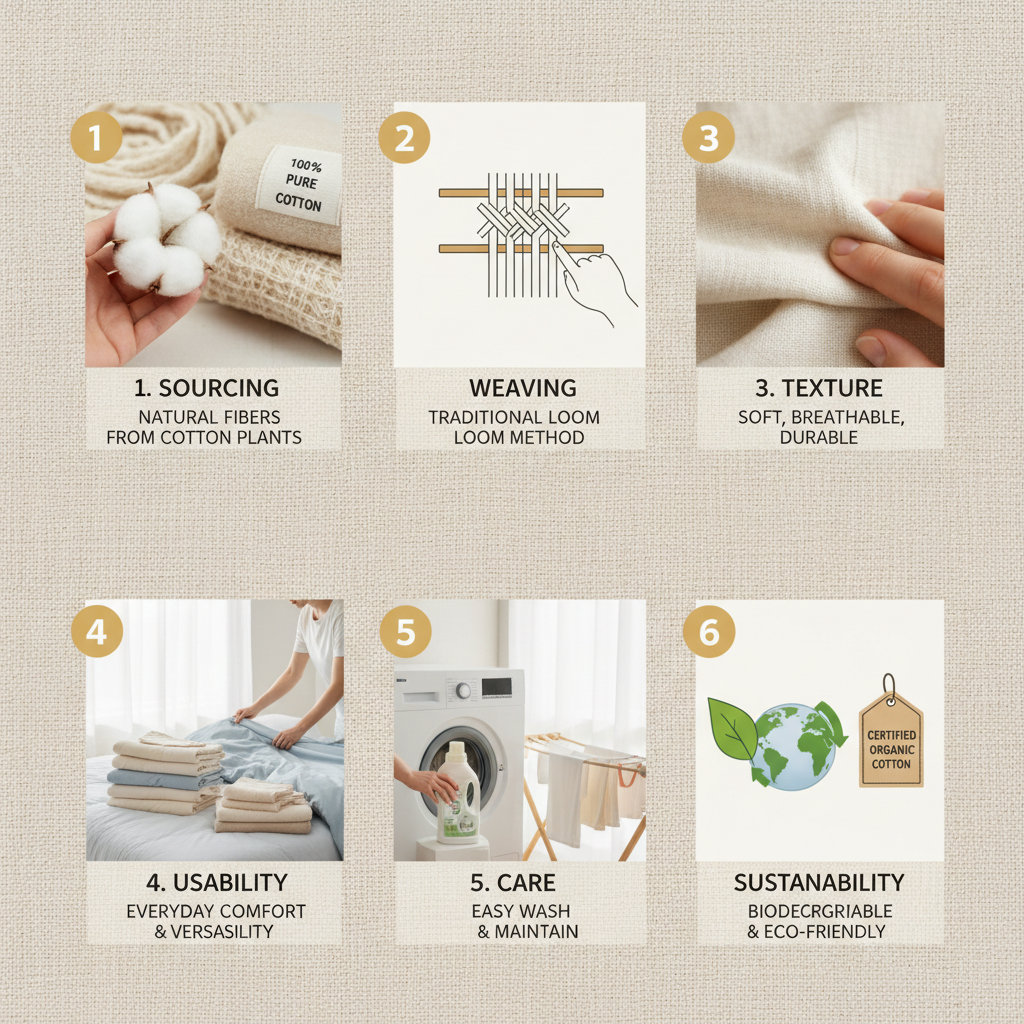
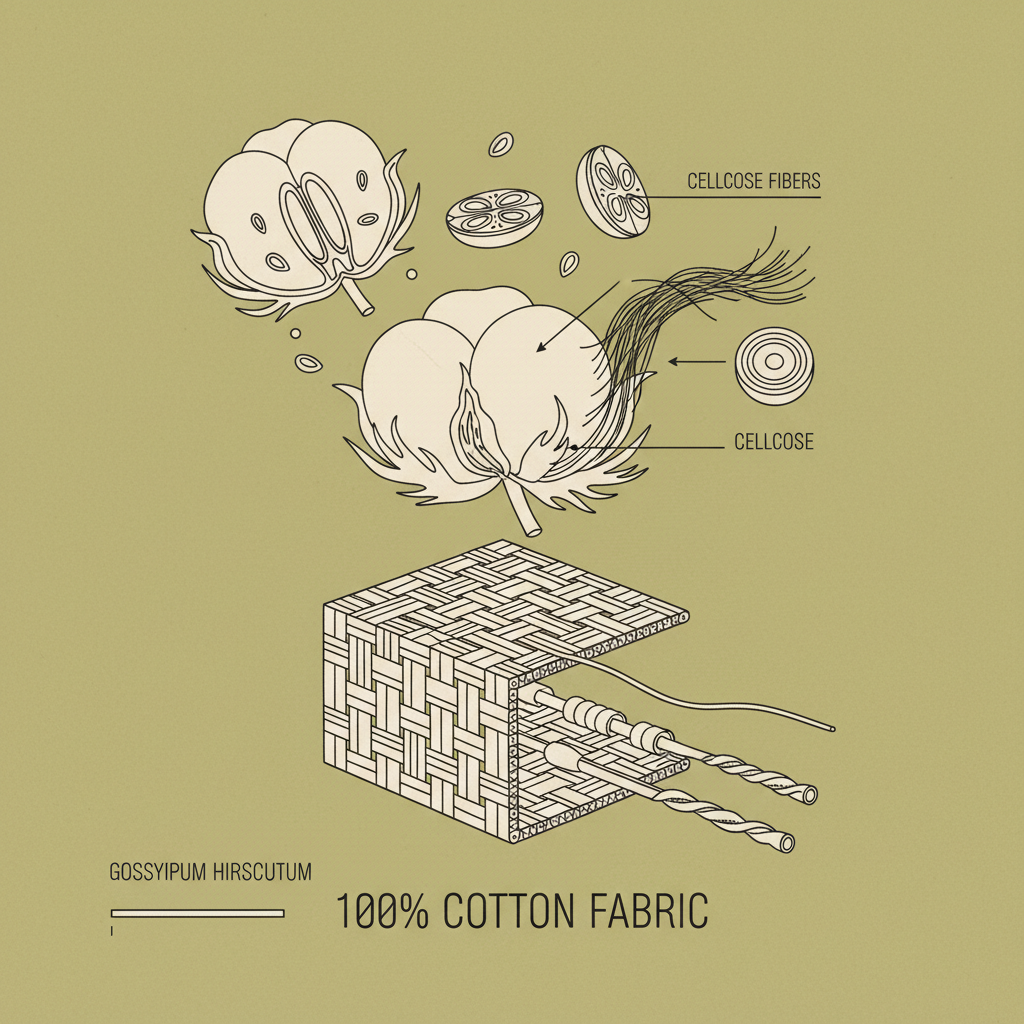
Look, the definition is straightforward: 100 cotton cloth material is fabric constructed solely from cotton fibers. No polyester, no rayon, just pure cotton. These fibers are harvested from the cotton plant, processed into yarn, and then woven or knitted into fabric. Sounds simple, right? It is… but the type of cotton and the way it’s processed makes a huge difference. Different varieties of cotton – like Pima, Egyptian, or Upland – have varying fiber lengths and strengths, affecting the final fabric's properties.
The real value lies in understanding that ‘100% cotton’ doesn’t mean ‘all cotton is created equal’. The quality of the fiber impacts everything – from the fabric’s drape and softness to its durability and resistance to wear. It’s the baseline for a lot of textiles, and knowing its inherent strengths and weaknesses is key to selecting the right material for the job.
This is where it connects to modern industry and humanitarian needs. It's a workhorse in the medical field, offering softness and absorbency for bandages and dressings. It’s vital in protective clothing where comfort and breathability are essential, like for construction workers or healthcare professionals. Even in disaster relief, the availability of 100 cotton cloth material for basic clothing and shelter provides dignity and a degree of normalcy in chaotic situations.
Key Characteristics of 100 Cotton Cloth Material
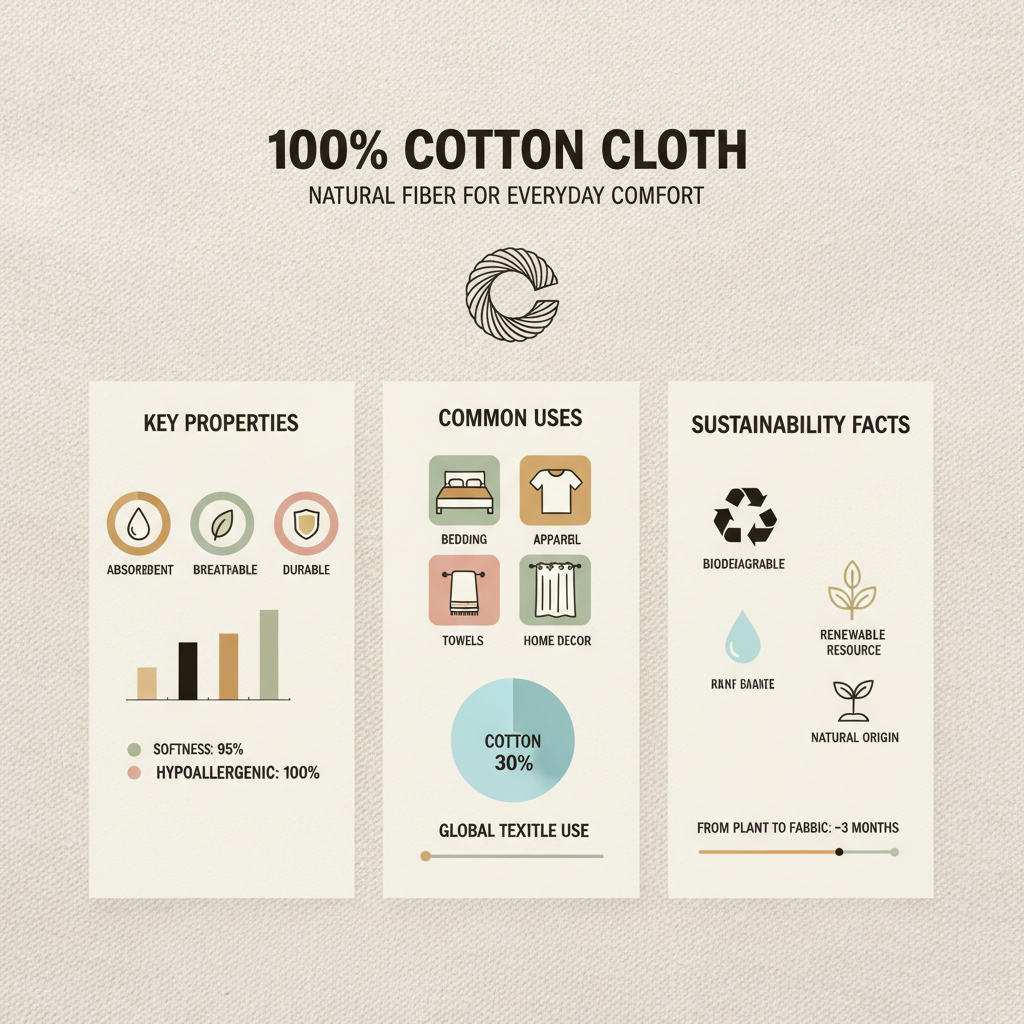
Let's talk specifics. The first thing everyone notices is its comfort. Cotton is naturally breathable, allowing air to circulate and keeping you cool. It’s also soft against the skin, minimizing irritation. But it's not all about comfort; it’s durable, especially when woven tightly. It can withstand repeated washing and wear, making it a practical choice for everyday use.
Then there’s absorbency. Cotton is incredibly absorbent, making it ideal for towels, clothing, and – as I mentioned before – medical applications. It can soak up a significant amount of moisture without feeling damp. But that absorbency also means it takes longer to dry, which can be a drawback in certain situations. We have to consider that when choosing for the application.
Finally, cotton is relatively easy to dye and print on. This makes it a versatile material for creating a wide range of colors and patterns. This is particularly useful for fashion and interior design. However, it can shrink after washing, so pre-shrinking or choosing tightly woven fabrics is important.
Practical Applications and Performance
I’ve spent years on construction sites, and let me tell you, the clothing choices matter. 100 cotton cloth material workwear is popular because it’s breathable, allowing workers to stay cool and comfortable in hot conditions. It also offers a degree of protection against abrasions and minor injuries. Think about the difference between a polyester blend and a sturdy cotton duck canvas – the cotton breathes, reducing fatigue and increasing productivity.
Beyond workwear, consider the performance in healthcare. Cotton gauze and dressings are preferred for wound care due to their softness and absorbency, minimizing irritation and promoting healing. And think about baby clothes – the gentleness of cotton is essential for sensitive skin. These aren’t just marketing points; they are real, tangible benefits that impact people’s lives.
Performance Ratings of Different 100 Cotton Cloth Material Weaves
Global Use Cases & Industry Impact
In post-disaster relief operations, 100 cotton cloth material is a lifesaver. Quick to produce, comfortable to wear, and absorbent for basic hygiene – it addresses immediate needs. In remote industrial zones, where durability and cost-effectiveness are paramount, cotton workwear provides a reliable solution. Even in the high-end fashion world, the natural feel and aesthetic appeal of 100% cotton continue to drive demand.
The textile industry in countries like India, China, and Pakistan heavily relies on cotton production. It's a major source of employment and economic growth. However, the industry faces challenges related to water usage and pesticide application. Sustainable farming initiatives are critical for ensuring the long-term viability of cotton production in these regions.
Advantages & Long-Term Value Proposition
The tangible benefits are clear: 100 cotton cloth material is often more affordable than synthetic alternatives, particularly for large-scale production. From a sustainability standpoint, it's a renewable resource, unlike petroleum-based synthetics. But the value extends beyond cost and environmental impact. There's an inherent psychological benefit to wearing natural fibers – a sense of comfort and well-being that synthetics often lack.
It’s about trust. Consumers trust cotton. They associate it with quality, comfort, and ethical production. And in industries like healthcare, reliability and safety are non-negotiable. The long-term value lies in building a supply chain that prioritizes these factors, ensuring a consistent and responsible source of 100 cotton cloth material.
Finally, it drives innovation. The push for more sustainable cotton farming practices is leading to advancements in water conservation, organic farming techniques, and waste reduction. It’s not just about preserving a material; it’s about building a better future.
Future Trends & Innovation in Cotton Textiles
We're seeing a surge in interest in circular economy models for textiles. Recycling cotton is challenging, but new technologies are emerging to break down cotton fibers and repurpose them into new materials. This is crucial for reducing textile waste and minimizing the environmental impact of the industry.
Digital printing technologies are also revolutionizing cotton textile production, allowing for more precise and efficient dyeing processes, reducing water consumption and minimizing pollution. And the rise of smart textiles, incorporating sensors and conductive fibers, is opening up new possibilities for cotton-based applications in healthcare and wearable technology.
Blockchain technology is gaining traction for tracing the origin of cotton, providing greater transparency and accountability throughout the supply chain. This helps consumers make informed choices and supports ethical sourcing practices. It’s all about building a more resilient and sustainable future for 100 cotton cloth material.
Summary of Challenges and Potential Solutions for 100 Cotton Cloth Material
| Challenge |
Impact on 100 Cotton Cloth Material |
Potential Solution |
Implementation Complexity (1-5) |
| Water Usage |
High water consumption in cotton farming leads to water scarcity in certain regions. |
Implementing drip irrigation, rainwater harvesting, and drought-resistant cotton varieties. |
3 |
| Pesticide Use |
Excessive pesticide use harms the environment and human health. |
Promoting organic cotton farming and integrated pest management techniques. |
4 |
| Supply Chain Transparency |
Lack of traceability makes it difficult to ensure ethical sourcing. |
Utilizing blockchain technology to track cotton from farm to finished product. |
4 |
| Textile Waste |
Large amounts of cotton textile waste end up in landfills. |
Developing innovative cotton recycling technologies and promoting circular economy models. |
5 |
| Labor Practices |
Unfair labor practices in some cotton-producing regions. |
Supporting fair trade initiatives and ensuring safe working conditions for cotton farmers and workers. |
3 |
| Shrinkage |
Cotton can shrink after washing, affecting garment fit and longevity. |
Utilizing pre-shrinking treatments and tightly woven cotton fabrics. |
2 |
FAQS
Organic cotton is grown without the use of synthetic pesticides, herbicides, or fertilizers, promoting biodiversity and soil health. Conventional cotton often relies on these chemicals, which can have negative environmental and health impacts. Organic cotton also typically requires more water than conventional cotton, so it's crucial to consider the entire lifecycle and sourcing location. The cost of organic cotton is generally higher due to the more intensive farming practices and lower yields.
Look for longer staple fibers like Pima or Egyptian cotton, as they produce a softer, more durable fabric. Check the fabric weight – a higher weight usually indicates a tighter weave and greater durability. Also, pay attention to the finish; a smooth, even finish suggests good processing. Finally, consider certifications like OEKO-TEX Standard 100, which ensures the fabric is free from harmful substances.
To maintain the quality of 100 cotton cloth material, wash it in cold water with a mild detergent. Avoid using bleach, as it can weaken the fibers. Tumble dry on low heat or hang to dry. Ironing at a medium temperature is generally safe, but always check the garment's care label. Proper washing can significantly extend the lifespan of cotton fabrics.
While cotton is a natural fiber, its sustainability depends on how it’s grown and processed. Organic cotton is a more sustainable option, but conventional cotton can still be improved through responsible water management and reduced pesticide use. Look for certifications like BCI to support sustainable cotton farming. Recycling and circular economy initiatives also play a crucial role in improving the sustainability of cotton textiles.
The weave significantly impacts properties like durability, breathability, and drape. Twill weaves (like denim) are strong and durable, while canvas weaves are even heavier-duty. Jersey knits are soft and stretchy, perfect for t-shirts. Poplin weaves are smooth and lightweight, often used for dress shirts. Understanding the weave helps you choose the right cotton fabric for your specific needs.
The cotton industry faces several challenges, including water scarcity, pesticide use, climate change, and labor practices. Maintaining a sustainable supply chain and ensuring fair treatment of farmers and workers are key priorities. Innovation in areas like water conservation, organic farming, and textile recycling are essential for addressing these challenges and securing the future of the cotton industry.
Conclusion
100 cotton cloth material remains a cornerstone of the textile industry, offering a unique combination of comfort, durability, and versatility. While challenges related to sustainability and ethical sourcing persist, ongoing innovations and a growing consumer demand for responsible products are driving positive change. Understanding the nuances of cotton production, from farming practices to weaving techniques, is essential for anyone involved in the textile supply chain.
Looking ahead, the future of 100 cotton cloth material hinges on embracing circular economy principles, investing in sustainable farming practices, and promoting transparency throughout the supply chain. We encourage you to explore these topics further and support brands committed to responsible cotton production. To learn more about our range of high-quality cotton fabrics, visit our website: 100 cotton cloth material.