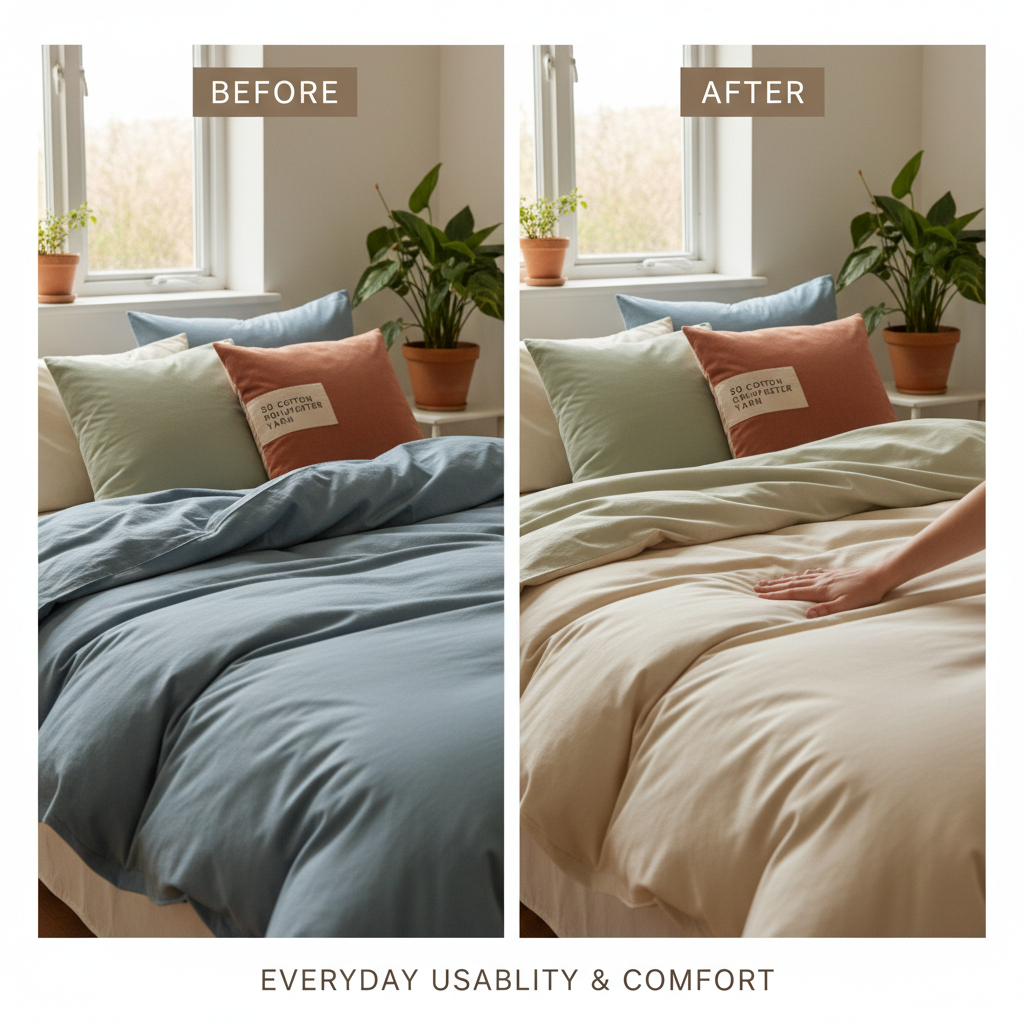
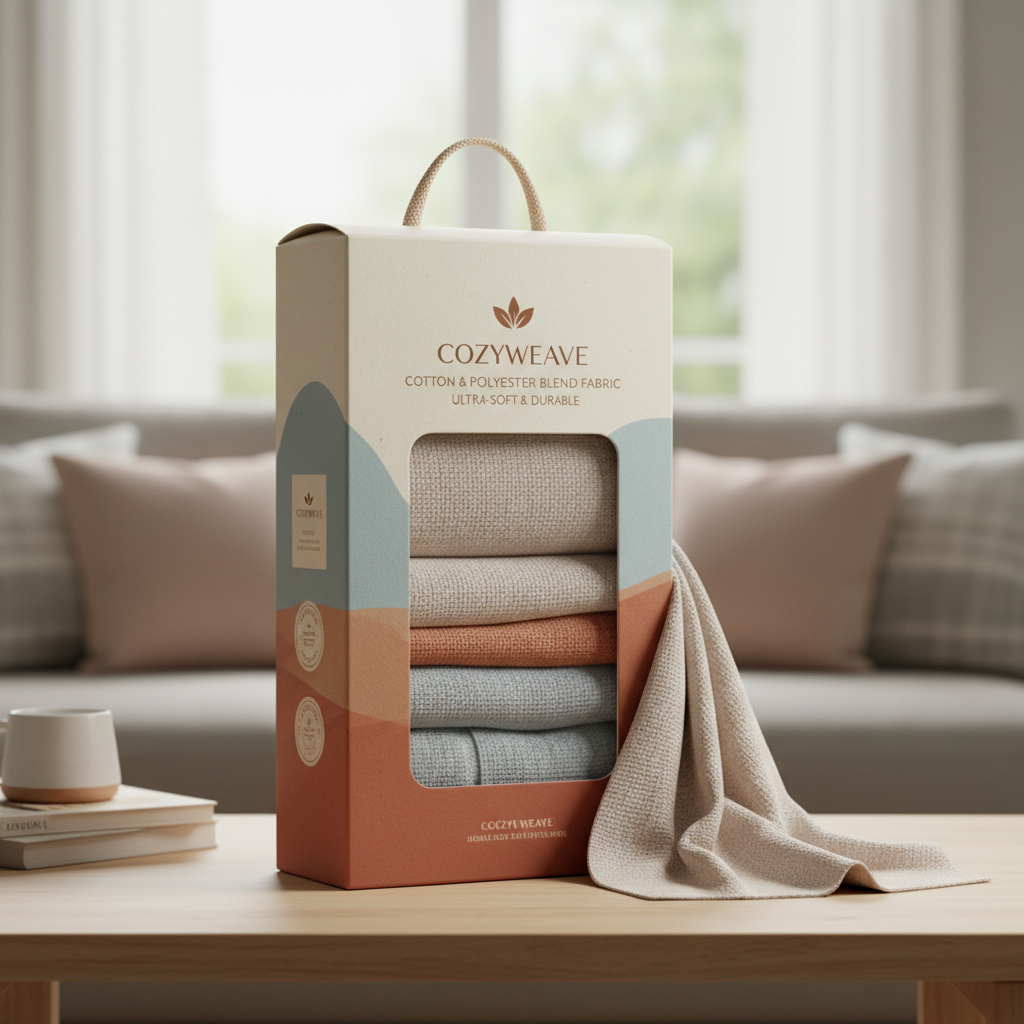
Cotton patchwork fabric represents more than just a textile; it's a versatile material finding increasing application across diverse sectors, from fashion and interior design to humanitarian aid and innovative construction. Its inherent qualities – durability, affordability, and aesthetic appeal – make it a compelling choice for a wide range of projects globally. Understanding the nuances of cotton patchwork fabric is crucial for designers, manufacturers, and organizations seeking sustainable and cost-effective solutions.
The global market for textiles, including cotton patchwork fabric, is experiencing significant growth driven by rising consumer demand for eco-friendly and ethically sourced materials. According to the UN, sustainable consumption and production patterns are vital for achieving the Sustainable Development Goals, and materials like cotton patchwork fabric are contributing to this shift. However, challenges remain in ensuring fair labor practices and minimizing the environmental impact of cotton production.
This fabric is gaining prominence not just due to its practical applications but also its potential for social impact. Its affordability and ease of use make it ideal for empowering local communities and fostering creative industries in developing nations. This highlights the significant role of cotton patchwork fabric in addressing both economic and social needs worldwide.
Introduction to Cotton Patchwork Fabric
Cotton patchwork fabric is rapidly becoming a favored material due to its unique blend of aesthetic appeal and practical advantages. It’s not merely about utilizing leftover fabric scraps; it’s a deliberate design technique that celebrates resourcefulness and individuality. The creation of this fabric often involves connecting different colors, patterns, and textures of cotton, resulting in visually striking and durable textiles.
This technique is becoming increasingly popular within the sustainable fashion movement, as it minimizes waste and promotes a circular economy. Furthermore, the versatility of cotton patchwork fabric extends beyond fashion. It is widely used in quilting, home décor, and even industrial applications requiring robust and visually appealing materials.
Defining Cotton Patchwork Fabric
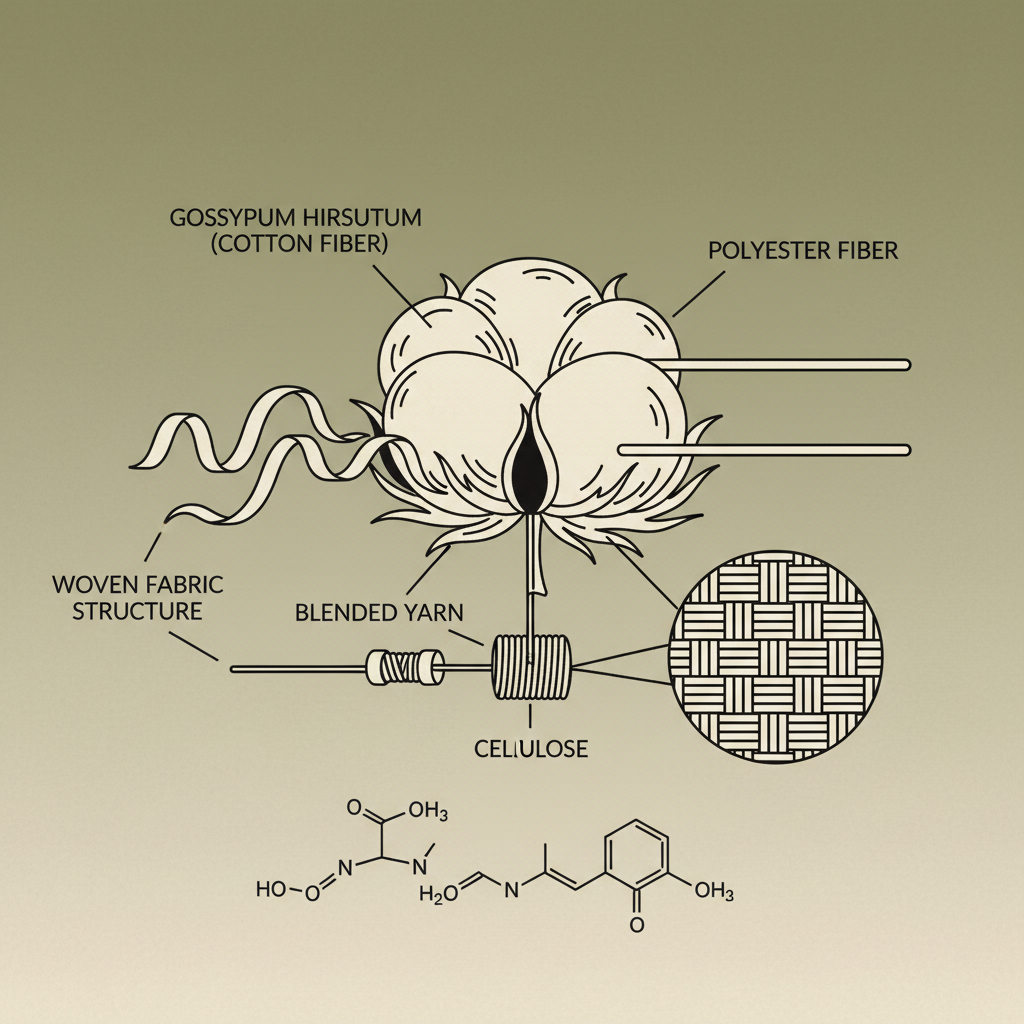
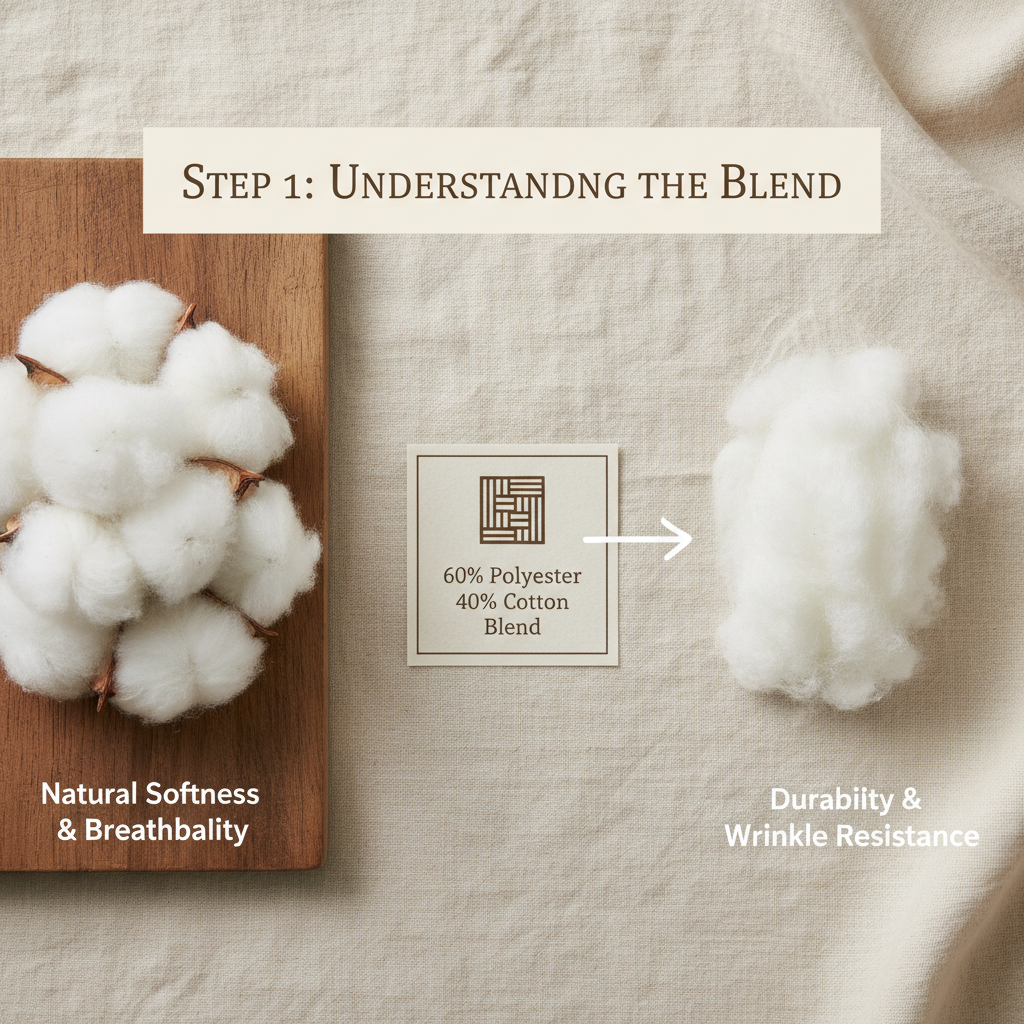
Cotton patchwork fabric is a textile created by sewing together pieces of various cotton fabrics to form a larger, cohesive design. These pieces, often remnants or specifically cut shapes, are joined using techniques like quilting, appliqué, or simple stitching. The resulting material displays a varied surface texture and visual interest, distinguishing it from uniformly woven fabrics.
Its connection to modern industry lies in the growing demand for sustainable practices and unique, handcrafted items. Patchwork appeals to consumers seeking alternatives to mass-produced goods, and it offers a viable solution for utilizing textile waste. The rise of upcycling and zero-waste initiatives has further propelled the adoption of cotton patchwork fabric across various sectors.
From a humanitarian perspective, cotton patchwork provides opportunities for skill development and economic empowerment within communities, particularly in regions where textile resources are readily available. The relative simplicity of the technique makes it accessible to individuals with limited sewing experience, enabling them to create income-generating products.
Key Characteristics of Cotton Patchwork Fabric
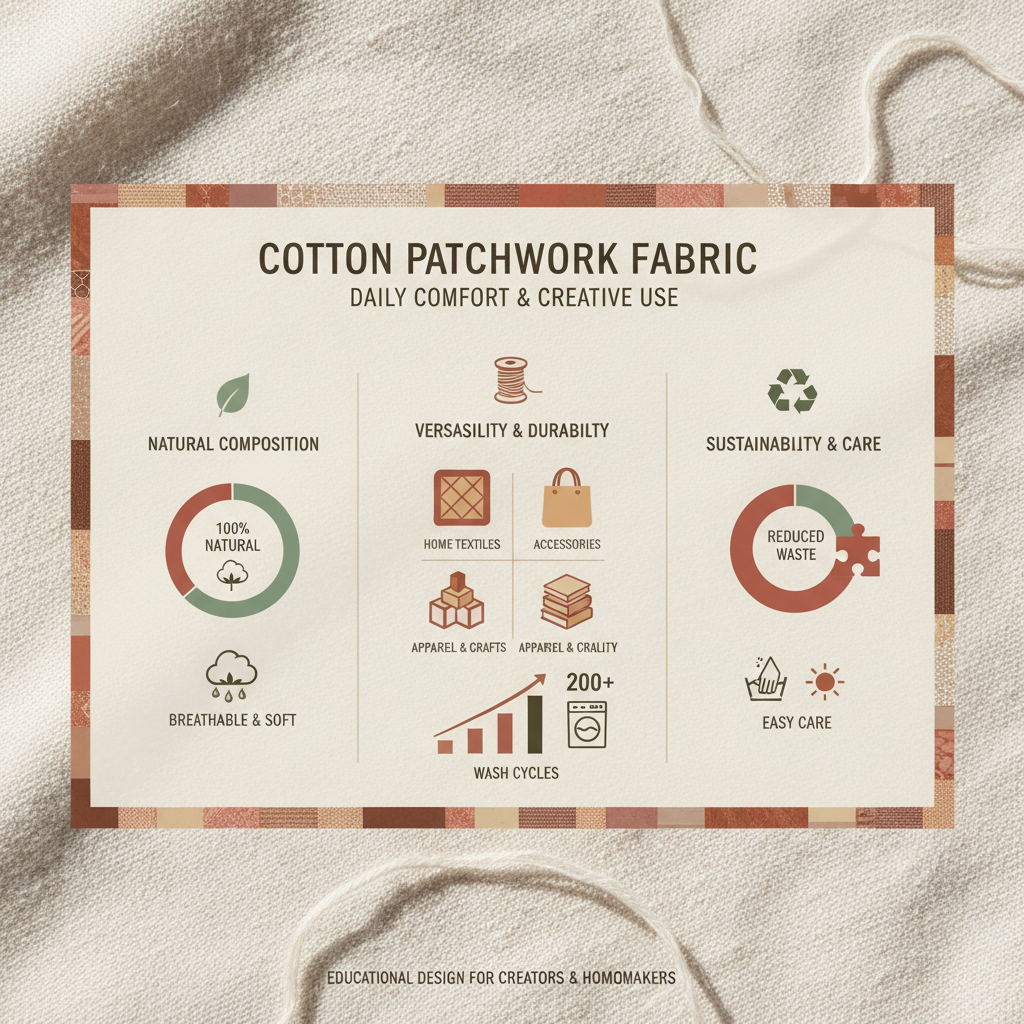
Durability is a core characteristic of cotton patchwork fabric. The layering and stitching process often create a stronger material compared to single-layer cotton weaves, enhancing its resistance to wear and tear. This makes it suitable for items subjected to frequent use, such as bedding, clothing, and bags.
Aesthetic Versatility is another defining feature. The diverse combinations of colors, patterns, and textures allow for a wide range of design possibilities, from traditional quilts to contemporary fashion statements. This flexibility makes it appealing to a broad audience with varying tastes.
Cost-Effectiveness is a significant advantage. Utilizing fabric scraps and remnants reduces material costs, making cotton patchwork fabric an economical option for both manufacturers and consumers. This affordability expands its accessibility, especially in price-sensitive markets.
Applications Across Industries
The fashion industry widely utilizes cotton patchwork fabric for creating unique garments, accessories, and footwear. Designers are increasingly incorporating patchwork elements to add texture, color, and a handcrafted feel to their collections. This trend aligns with the growing consumer demand for individualistic and sustainable fashion choices.
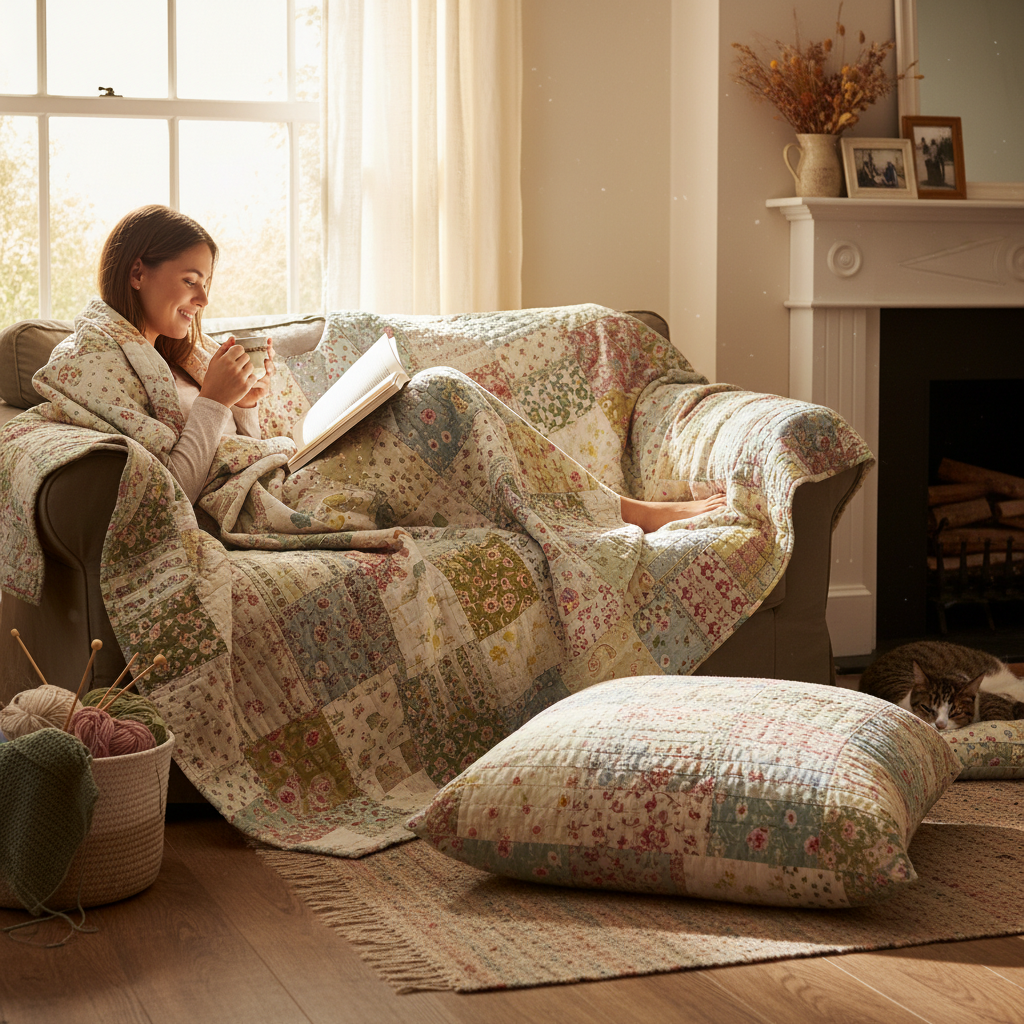
In the home décor sector, cotton patchwork fabric finds application in quilts, cushions, curtains, and wall hangings. Its ability to add warmth, color, and personality makes it a popular choice for creating cozy and inviting living spaces. The handmade aesthetic resonates with those seeking a more personal and authentic home environment.
Cotton Patchwork Fabric Application Ratings
Advantages and Long-Term Value
The cost-effectiveness of utilizing fabric scraps in cotton patchwork fabric significantly reduces production expenses, making it a competitive option in the textile market. This affordability extends benefits to both manufacturers and consumers, expanding its market reach.
From a sustainability perspective, cotton patchwork fabric actively contributes to waste reduction and promotes a circular economy. By repurposing textile remnants, it minimizes landfill waste and lowers the environmental footprint associated with textile production. This aligns with growing consumer awareness and demand for eco-friendly products.
Future Trends in Cotton Patchwork Fabric
We can expect to see advancements in digital printing techniques applied to cotton patchwork fabrics, allowing for intricate and customized designs. This will open up new possibilities for personalization and mass customization, catering to individual preferences.
The integration of smart textiles with cotton patchwork is another emerging trend. Incorporating conductive threads or sensors into the patchwork design could create garments with embedded technology, offering functionalities like temperature regulation or health monitoring.
Furthermore, collaborations between designers and artisans are likely to increase, fostering innovation and preserving traditional craftsmanship. These partnerships will help bridge the gap between heritage techniques and contemporary design aesthetics.
Challenges and Sustainable Solutions
A significant challenge lies in ensuring ethical sourcing and fair labor practices throughout the cotton supply chain. Addressing issues like worker exploitation and unsafe working conditions requires transparency and collaboration among manufacturers, suppliers, and certification bodies.
Maintaining consistent quality control can also be difficult due to the inherent variability in fabric scraps used in patchwork. Implementing standardized grading systems and training programs for artisans can help improve the overall quality and consistency of the finished product.
Another challenge is scaling up production while preserving the handcrafted nature of cotton patchwork fabric. Utilizing semi-automated machinery and streamlining production processes can increase efficiency without compromising the unique aesthetic qualities of the material.
Summary of Challenges and Solutions in Cotton Patchwork Fabric Production
| Challenge |
Impact |
Proposed Solution |
Implementation Timeline |
| Ethical Sourcing |
Reputational risk, consumer distrust |
Supply chain transparency, Fair Trade certifications |
6-12 months |
| Quality Control |
Inconsistent product quality, customer dissatisfaction |
Standardized fabric grading, artisan training |
3-6 months |
| Scalability |
Limited production capacity, difficulty meeting demand |
Semi-automated machinery, streamlined workflows |
12-18 months |
| Waste Management |
Environmental impact, resource depletion |
Closed-loop production systems, upcycling initiatives |
Ongoing |
| Design Innovation |
Market stagnation, limited product appeal |
Collaboration with designers, exploration of new techniques |
Continuous |
| Market Awareness |
Limited consumer knowledge, slow adoption rate |
Marketing campaigns, educational initiatives |
Ongoing |
FAQS
Cotton patchwork fabric distinguishes itself through its construction, involving the stitching together of various cotton pieces. This contrasts with standard woven cotton, which is produced as a single, continuous cloth. Patchwork offers unique texture, design flexibility, and often utilizes recycled or remnant materials, making it a more sustainable option. It's known for a more handcrafted aesthetic, and the layering often results in a more durable textile.
While cotton patchwork fabric is versatile, its suitability for outdoor use depends on treatment and weather conditions. Untreated cotton is susceptible to fading and mildew when exposed to prolonged sunlight and moisture. However, applying a water-resistant coating or utilizing heavier-weight cottons can significantly improve its durability for outdoor applications like cushions or picnic blankets. Regular maintenance is crucial for longevity.
Caring for cotton patchwork fabric involves gentle washing in cold water with mild detergent. Avoid harsh chemicals and bleach, as these can damage the colors and fibers. Tumble drying on a low setting is preferable, or air drying is recommended to prevent shrinkage. Ironing on a low to medium setting can help maintain its shape and appearance. For delicate pieces, hand washing is advised.
Absolutely! Cotton patchwork fabric is well-suited for making durable bags, especially when combined with a sturdy lining. The layering of fabric provides strength, and the unique patterns add visual appeal. To enhance durability, consider using heavier-weight cottons or reinforcing stress points with extra stitching. Canvas or denim lining will provide additional support and protect the patchwork.
You can source high-quality cotton patchwork fabric from a variety of suppliers. Specialized fabric stores, online retailers, and craft shops are excellent starting points. Consider looking for suppliers that prioritize sustainable and ethical sourcing practices. cotton patchwork fabric is a reliable source for a diverse selection of quality patchwork options.
Cotton patchwork fabric has the potential to be environmentally friendly, particularly when utilizing recycled or remnant fabrics. This reduces textile waste and the demand for new cotton production, which is resource-intensive. However, the environmental impact also depends on the cotton’s origin and the dyeing processes used. Opting for organic cotton and low-impact dyes further enhances its eco-friendliness.
Conclusion
In conclusion, cotton patchwork fabric is a versatile, sustainable, and aesthetically appealing material with a wide range of applications. Its unique qualities, from durability and cost-effectiveness to its potential for creative expression and positive social impact, make it a compelling choice for designers, manufacturers, and conscious consumers alike. By embracing this fabric, we contribute to a more sustainable and resourceful textile industry.
Looking ahead, continued innovation in digital printing, smart textile integration, and ethical sourcing will further enhance the value and appeal of cotton patchwork fabric. By supporting collaborations between artisans and designers, and promoting awareness of its benefits, we can unlock its full potential and pave the way for a more sustainable and creative future. For quality cotton patchwork fabrics, visit our website: www.jiexiangtextile.com