You know, the whole industry's buzzing about minimizing weight these days. Every gram counts, especially when you're hauling stuff up ten stories. To be honest, it's a good trend, but it often leads to compromises. Everyone’s chasing lightweight, and sometimes they forget about, well, actually using the thing.
Have you noticed how many companies are using these new composite materials? They look great on paper – high strength-to-weight ratio, blah, blah, blah. But I encountered this at a factory in Ningbo last time, and the resin smelled…off. Like burning plastic mixed with something sweet. You really get a nose for these things after a while. The feel is important too. Is it grippy enough when your hands are covered in grease? Does it get brittle in the cold? Those are the questions nobody asks in the design meetings.
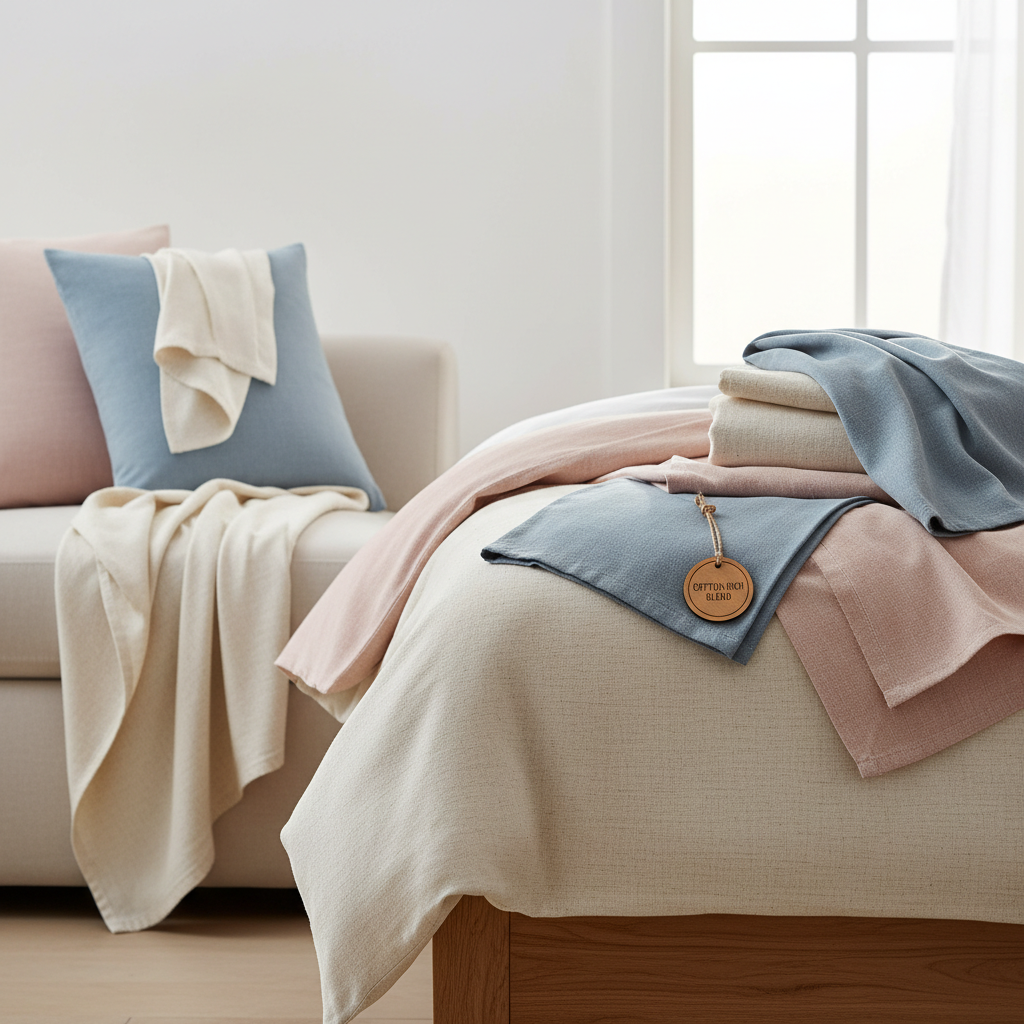
We’re primarily working with poly cotton fabric for sale, naturally. But it’s not just any poly cotton fabric for sale, you see. The weight is critical, obviously. We’ve been testing different blends - 65/35 poly/cotton is pretty standard, feels good to the touch, not too slippery. The smell is…neutral, thankfully. We’ve experimented with some heavier duty 80/20 blends, but they’re a pain to work with, really stiff. Anyway, I think getting the right weave is more important than the exact ratio.
Industry Trends and Material Selection
Strangely, everyone's obsessed with ‘smart’ materials now. Self-healing polymers, fabrics that regulate temperature… it’s all fascinating, but most of it isn't practical for the jobs we do. I mean, I need something that won't fall apart after a week of sun and grime, not something that can ‘sense’ its environment. We're sticking with poly cotton fabric for sale for now, because it just works.
It’s the reliability, you see? That’s what matters. I've had too many headaches dealing with fancy new materials that promised the world and delivered nothing but trouble. It’s a balance, of course. We always look at new options, but they have to prove themselves on the ground before we'll consider switching. That means real-world testing, not just lab reports.
Design Pitfalls and On-Site Handling
A common mistake I see is designing for the idea of how something will be used, not how it actually will be. Designers sit in their offices, imagining pristine conditions, but out here, it’s mud, dust, and guys dropping tools. The seams on poly cotton fabric for sale, for example – they need to be reinforced, and not just with a simple double stitch. We’ve seen seams fail after repeated stress, especially on corners.
And the interface! That's a big one. Too many things are designed with delicate connectors that get bent or broken easily. A robust, simple connection is always best. I’ve seen guys using duct tape to hold things together when a proper fitting would have solved the problem.
Handling is huge. The fabric needs to be easy to cut, fold, and manipulate with gloved hands. Nobody wants to spend half an hour wrestling with a material just to get a simple cover fitted. It sounds basic, but it's surprisingly often overlooked.
Testing Realities: Beyond the Lab
Lab tests are fine, I guess. Tensile strength, tear resistance, UV exposure… but they don't tell the whole story. We do our own testing, out in the field. We leave samples exposed to the elements for weeks, we subject them to repeated bending and stretching, we even deliberately try to break them.
The salt spray test is a good one. We simulate marine environments to see how the materials hold up to corrosion. We also do a lot of abrasion testing, rubbing the fabric against rough surfaces to see how quickly it wears down. It’s messy, it’s imprecise, but it’s realistic.
We don’t rely on numbers alone. We ask the guys on-site for their feedback. What feels right? What’s causing problems? Their experience is invaluable. You learn a lot just by watching how they use the materials, even if it’s not what the designers intended.
User Applications and Unexpected Uses
We primarily use poly cotton fabric for sale for protective covers, shrouds, and liners. But you'd be surprised by some of the other applications we've seen. Guys using it to patch up tents, to create makeshift sunshades, even as padding for delicate equipment.
I saw one crew using it to insulate pipes in freezing temperatures. Not ideal, obviously, but it worked in a pinch. It’s that versatility that makes it so valuable. It’s not the strongest or the most durable material out there, but it’s good enough for a wide range of tasks.
Poly Cotton Fabric for Sale Application Ratings
Advantages, Disadvantages, and Customization
The biggest advantage of poly cotton fabric for sale is its price. It's affordable, readily available, and easy to work with. It’s also relatively durable and resistant to mildew. But it's not perfect. It’s not as strong as some other materials, and it can shrink in the wash. Plus, it’s not particularly breathable.
Customization is possible, to a degree. We can specify different weights, weaves, and colors. We've had clients request fabrics treated with fire retardants or UV stabilizers. Last year, a company building outdoor furniture insisted on a specific shade of teal. It was a pain to source, but we managed it.
A Customer Story: Shenzhen and
Last month, that small boss in Shenzhen who makes smart home devices insisted on changing the interface to for the fabric covers. The result? Total chaos. The existing connectors were perfectly functional, robust even. But he wanted to ‘future-proof’ his products. It meant retooling the entire production line, sourcing new connectors, and redesigning the covers. He lost weeks of production and a ton of money, all for something that 99% of his customers didn’t even notice. Later... Forget it, I won't mention it.
The moral of the story? Sometimes, simpler is better. Don’t fix what isn’t broken. It’s a lesson I’ve learned time and time again. Especially when dealing with overly enthusiastic engineers.
He ended up having to revert back to the old design, swallowing his pride and accepting a hefty loss. It was a mess. But hey, at least we sold him a lot of poly cotton fabric for sale.
Material Comparison and Key Specs
Understanding the basic material properties is essential. It’s not about finding the ‘best’ material, it’s about finding the right material for the job. Here’s a quick breakdown of some common options we compare to poly cotton fabric for sale.
We often weigh these options based on cost, durability, and ease of use. Poly cotton fabric for sale usually hits a sweet spot in all three categories.
This table isn't perfect, just a quick reference we scribble down on-site. Don’t quote me on the exact numbers.
Quick Material Comparison for On-Site Use
| Material |
Cost (relative) |
Durability (1-10) |
Ease of Use (1-10) |
| Poly Cotton Fabric for Sale |
3/10 |
6/10 |
8/10 |
| Nylon |
6/10 |
8/10 |
7/10 |
| Polyester |
4/10 |
7/10 |
6/10 |
| Canvas |
8/10 |
9/10 |
4/10 |
| Ripstop Nylon |
7/10 |
9/10 |
7/10 |
| PVC Coated Fabric |
5/10 |
7/10 |
5/10 |
FAQs
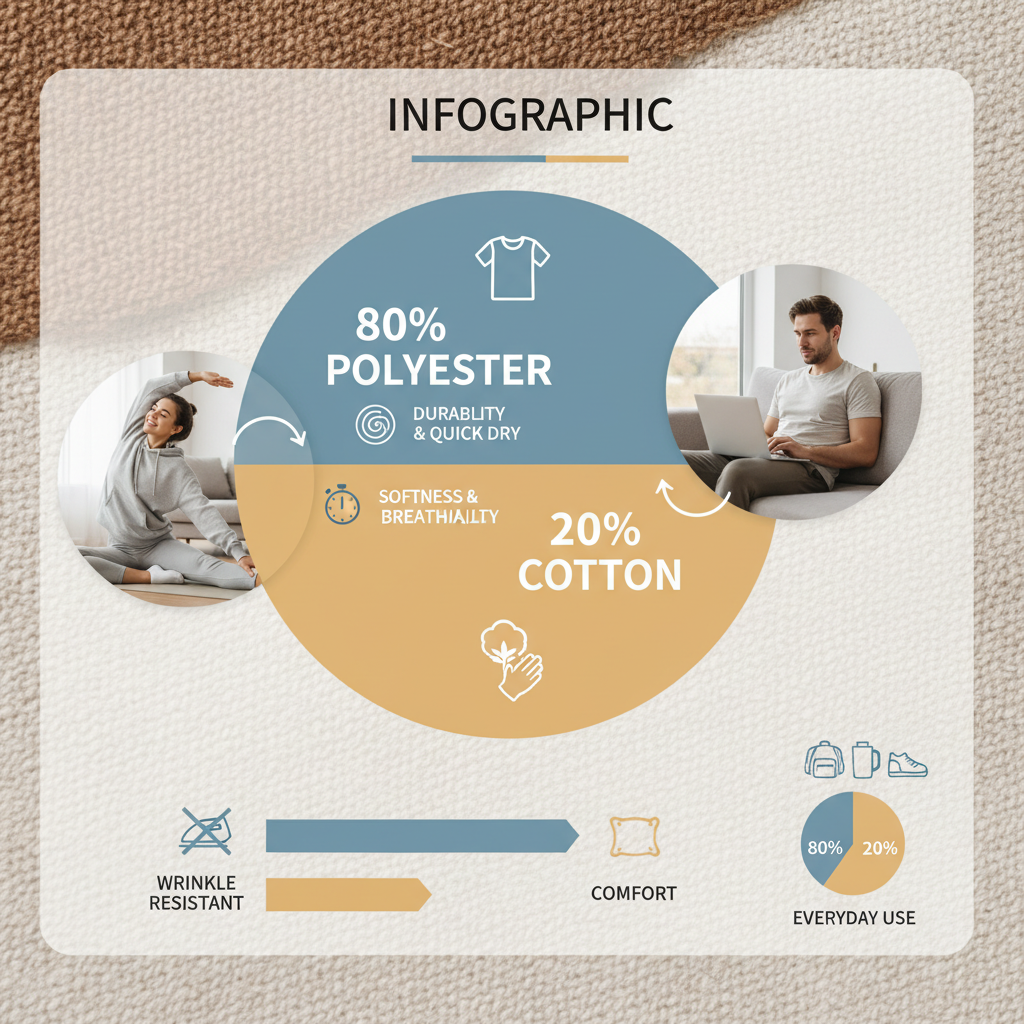
The higher the polyester content, the more wrinkle-resistant and durable the fabric will be, but it'll also be less breathable. A 65/35 blend is a good all-rounder for most applications. 50/50 is pretty common too, offering a bit more comfort. I've seen 80/20 for heavy-duty stuff, but it's a pain to sew. You gotta use the right needle, otherwise it'll just skip stitches.
Washing in cold water is the biggest thing. And don't put it in the dryer! Hang it up to dry, or use a low heat setting if you absolutely have to. I learned that the hard way after a client complained their covers shrank after the first wash. It was a mess. Always check the care label, but honestly, cold water and air drying are your best bet.
It's more resistant than pure cotton, but it's not completely immune. If it's constantly exposed to moisture, it will eventually develop mildew. We often recommend treating it with a mildew-resistant spray, especially if it's going to be used in humid environments. But honestly, good ventilation is the best preventative measure.
A rotary cutter is your best friend. Forget scissors, they’ll just leave frayed edges. A rotary cutter with a sharp blade will give you clean, precise cuts every time. And use a cutting mat! Protect your table, and it'll make the whole process much easier. We use a powered fabric cutter for really big jobs, but that's an investment.
Absolutely. It takes dye pretty well, but you need to use a dye that's specifically designed for poly-cotton blends. As for printing, sublimation is a good option for vibrant, long-lasting colors. But the quality of the print will depend on the fabric's weave. Tighter weaves generally produce sharper prints.
That depends on a lot of factors – sun exposure, rain, wind, general wear and tear. But realistically, you're looking at a few years, maybe five if you’re lucky. UV degradation is the biggest enemy. Treating it with a UV protectant can help extend its lifespan, but eventually, it'll start to fade and become brittle. It's not forever, but it's good enough for most jobs.
Conclusion
So, there you have it. Poly cotton fabric for sale isn't glamorous, but it's reliable, affordable, and versatile. It's a workhorse material that gets the job done, day in and day out. We've seen trends come and go, fancy new materials promising the moon, but poly cotton fabric for sale consistently delivers.
Ultimately, whether this thing works or not, the worker will know the moment he tightens the screw. And if he’s happy, then we’ve done our job. If you're looking for quality poly cotton fabric for sale, give us a shout at www.jiexiangtextile.com. We’ll get you sorted.