Cotton polyester yarn is a blended fiber that combines the comfort and breathability of cotton with the durability and wrinkle resistance of polyester. This versatile material has become a cornerstone of the textile industry, impacting everything from everyday clothing to industrial applications. Its affordability and ease of care have made it a popular choice globally, driving significant demand and innovation in textile manufacturing.
The global market for cotton polyester yarn is substantial and continues to grow, fueled by rising populations, increasing disposable incomes, and the demand for cost-effective textiles. According to data from the UN Comtrade database, international trade in cotton polyester fabrics reached billions of dollars annually. However, the industry also faces challenges like sustainability concerns and the need for improved manufacturing processes to reduce environmental impact. Understanding the properties and applications of this yarn is crucial for businesses and consumers alike.
The significance of cotton polyester yarn lies in its ability to bridge the gap between natural and synthetic fibers. While cotton offers comfort and a natural feel, it’s prone to wrinkling and shrinkage. Polyester provides strength, resilience, and wrinkle resistance, but can be less breathable. Blending these fibers creates a material that leverages the strengths of both, offering a balance of comfort, durability, and practicality.
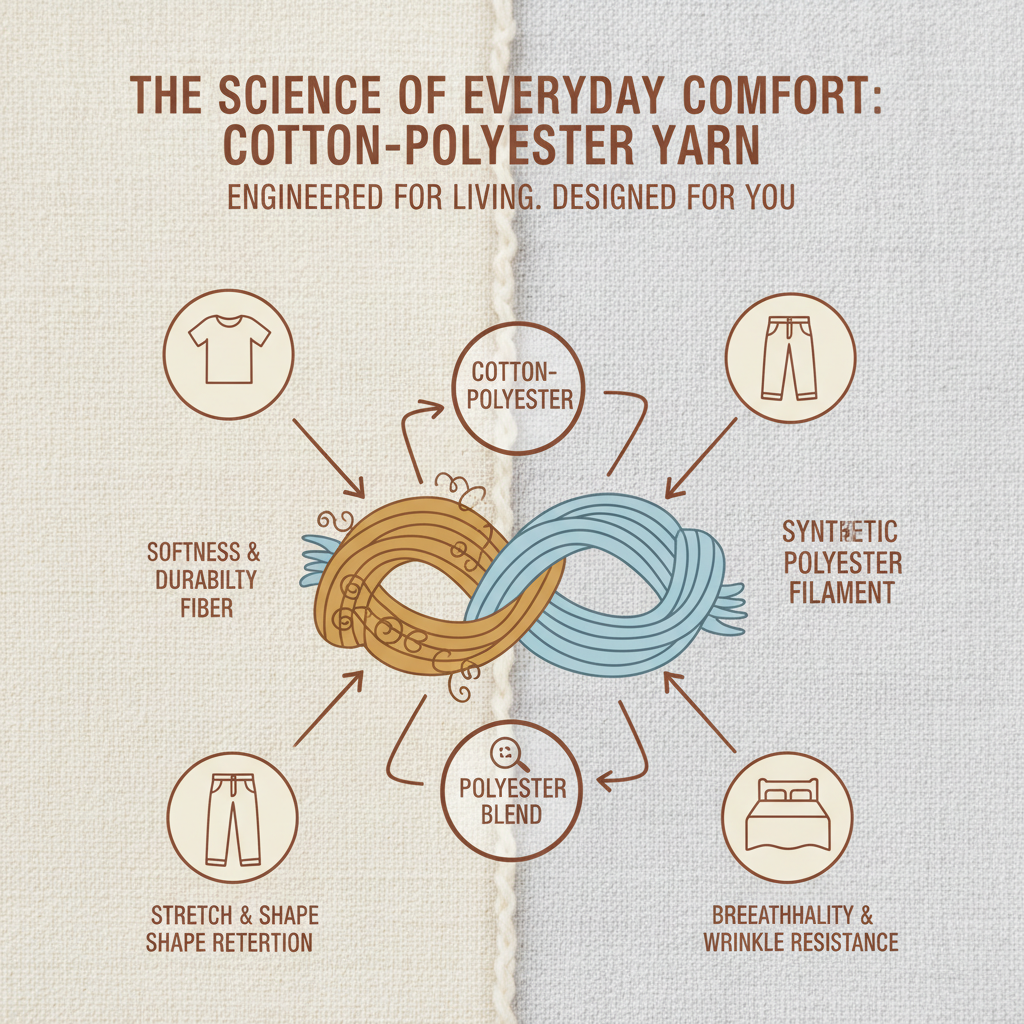
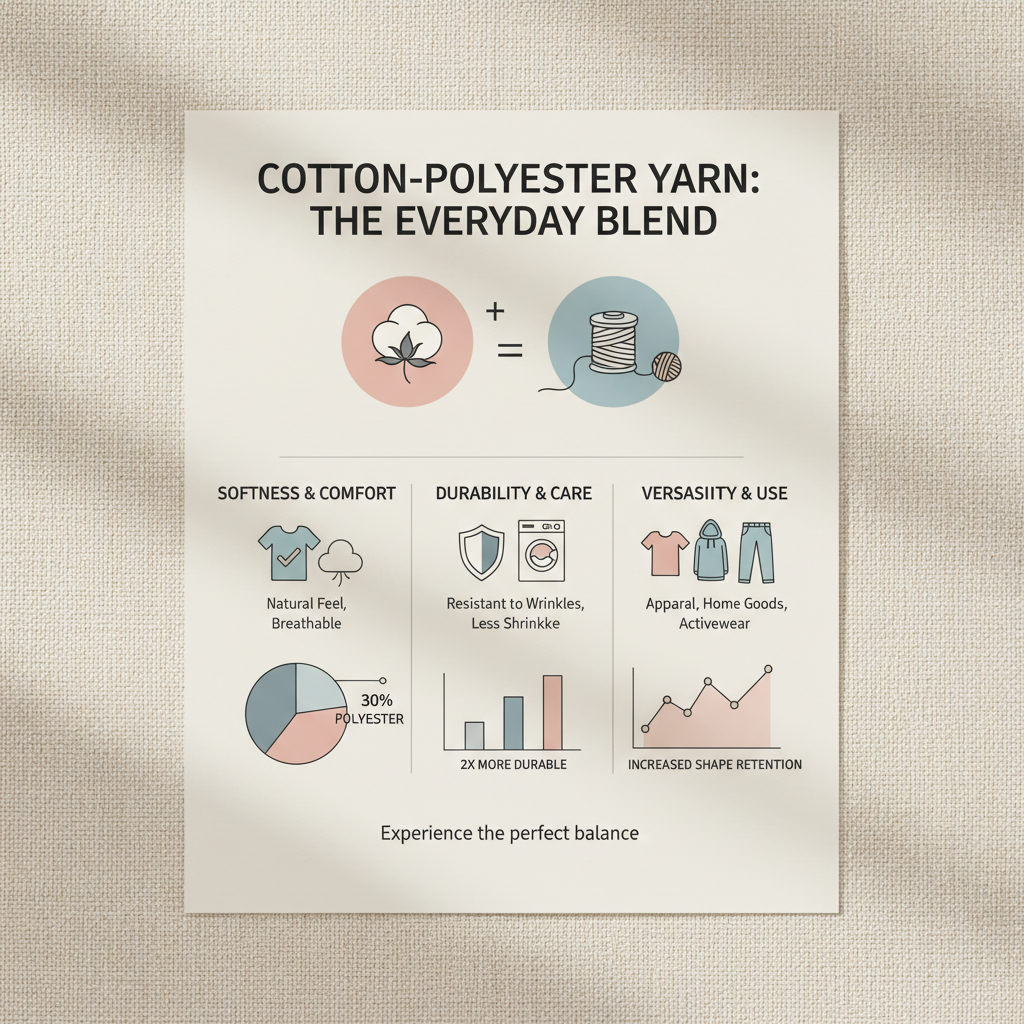
The exceptional versatility of cotton polyester yarn stems from its adaptability to a wide range of textile processes. It can be easily dyed, printed, and finished, allowing for a vast array of colors and textures. This characteristic makes it suitable for everything from apparel and home textiles to industrial fabrics and technical applications.
Beyond its aesthetic versatility, the yarn’s physical properties contribute to its broad appeal. The blend offers a good balance between strength, softness, and cost, making it an attractive option for manufacturers seeking a reliable and affordable material. Different ratios of cotton to polyester can be used to tailor the yarn's characteristics to specific needs.
The ideal ratio depends on the intended use. Generally, a 65% polyester/35% cotton blend offers a good balance of comfort and durability, being soft against the skin while maintaining shape. For more breathability, a 50/50 blend is preferable, while a higher polyester content (80/20) prioritizes wrinkle resistance and strength.
Cotton polyester yarn performs reasonably well in high humidity, though not as exceptionally as 100% polyester. The cotton component absorbs moisture, providing some level of comfort, but the polyester helps the fabric dry relatively quickly. However, prolonged exposure to high humidity can still lead to some wrinkling and a slightly damp feel.
While generally well-tolerated, some individuals with sensitive skin may experience irritation from the polyester component. Opting for blends with a higher cotton content (e.g., 65/35 or even 50/50) can minimize this risk. Also, ensure the fabric is thoroughly washed before first use to remove any residual manufacturing chemicals.
Cotton polyester yarn is typically less expensive than 100% cotton. This is because polyester is a synthetic fiber with a lower production cost than natural cotton. The exact price difference fluctuates with raw material prices, but blends generally offer a more affordable option, making them popular for mass-market products.
Yes, but it's a complex process. Polyester can be recycled relatively easily, and advancements are being made in cotton recycling technology. However, separating the two fibers in a blend for recycling can be challenging. Innovations in chemical recycling are emerging to address this issue and create a more circular economy for textile materials.
Most garments made from cotton polyester yarn are machine washable. It's generally recommended to wash them in cold or warm water with a mild detergent. Tumble drying on low heat is typically safe, but avoid high heat as it can damage the polyester fibers. Ironing on a low setting is usually fine if needed.
In conclusion, cotton polyester yarn represents a significant achievement in textile technology, offering a compelling blend of comfort, durability, and affordability. Its widespread adoption across industries underscores its practical value, while ongoing innovations in sustainable materials and manufacturing processes promise a more environmentally responsible future for this versatile fiber. Understanding the characteristics and applications of this yarn is vital for anyone involved in the textile supply chain, from manufacturers and designers to consumers.
Looking ahead, the continued development of recycled polyester and sustainable cotton production methods will be crucial for minimizing the environmental impact of cotton polyester yarn. Embracing digital technologies and automation can further optimize production efficiency and reduce waste. By prioritizing sustainability and innovation, the industry can ensure that cotton polyester yarn remains a valuable and responsible material for years to come. Visit our website at www.jiexiangtextile.com to learn more about our range of cotton polyester yarns and how we are contributing to a more sustainable future.