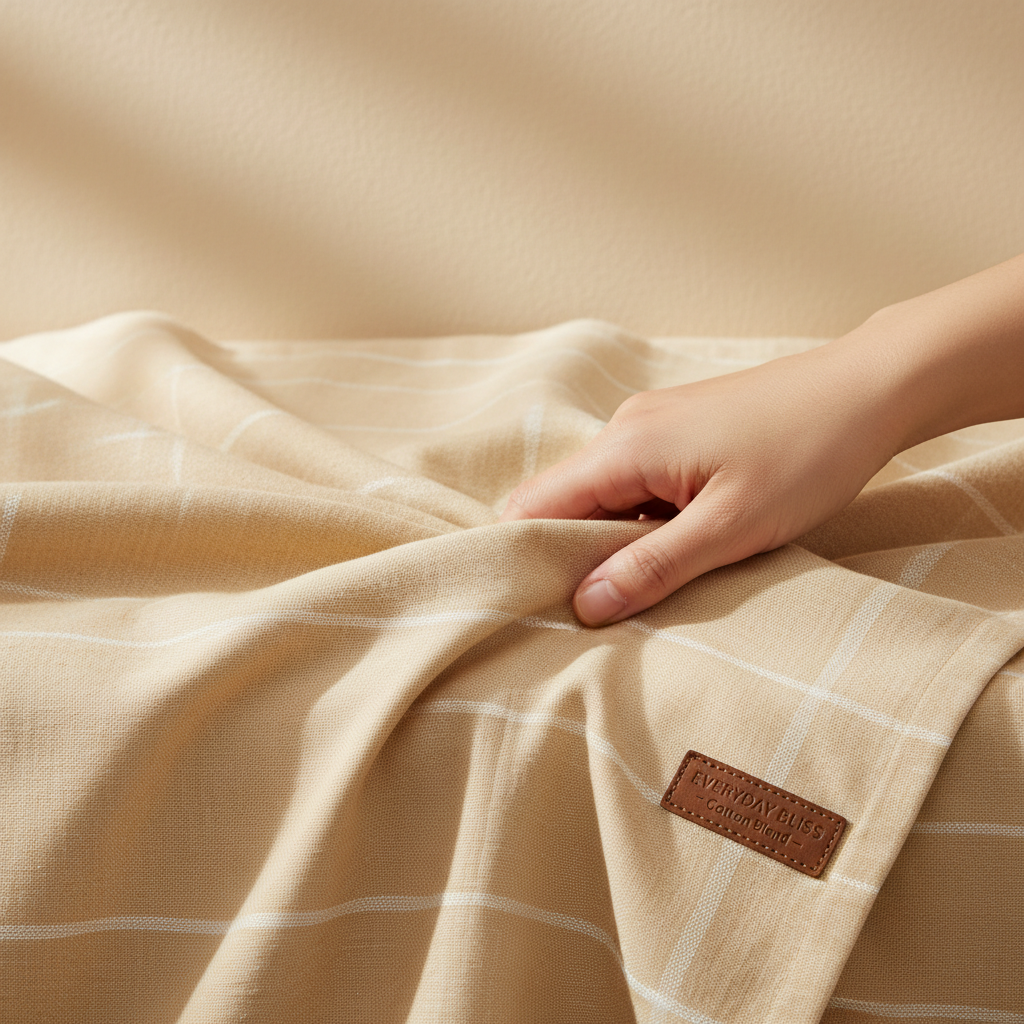
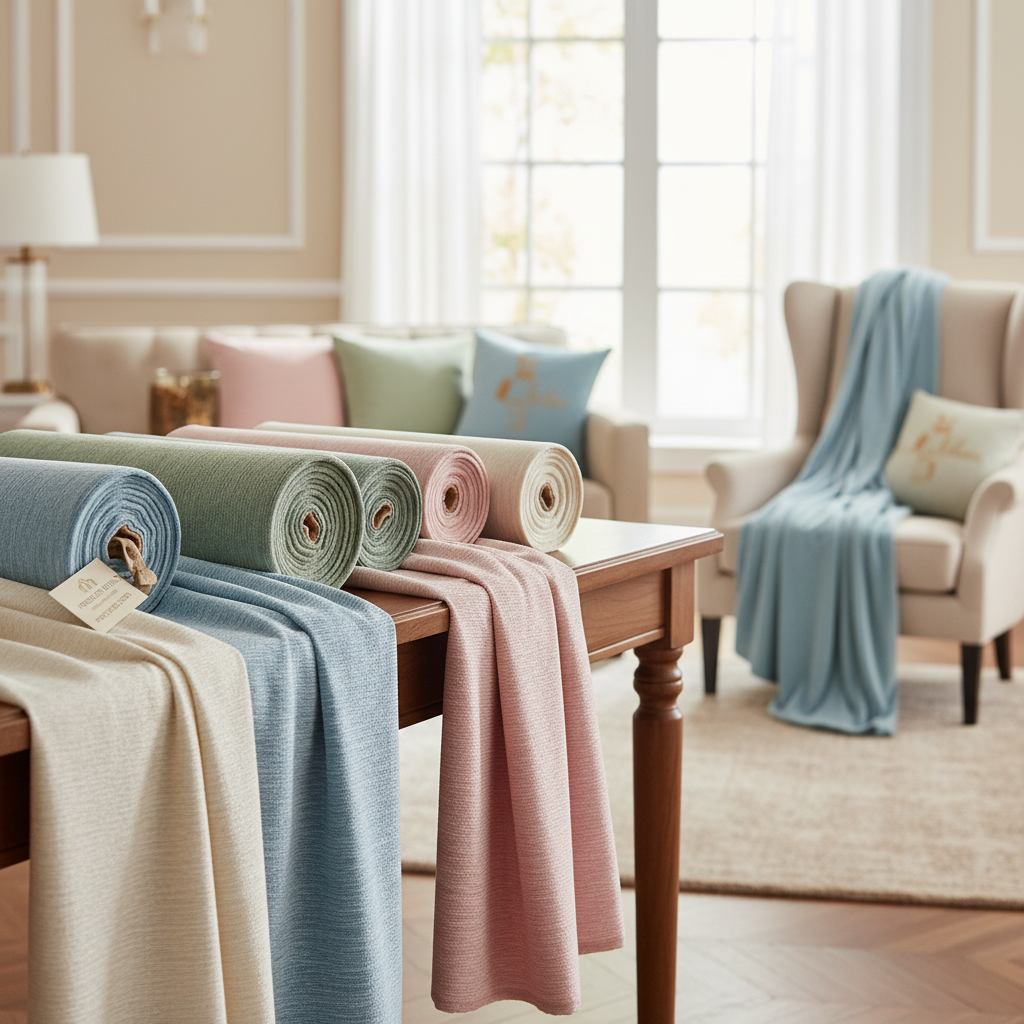
cotton polyester blend fabric is a ubiquitous textile material finding applications across countless industries, from apparel and home furnishings to industrial uses. Its popularity stems from a compelling combination of desirable characteristics inherited from both its constituent fibers: cotton and polyester. Understanding the nuances of this blend – its properties, applications, and future potential – is increasingly vital in a world demanding both performance and sustainability in textile solutions. This fabric’s versatility allows for a wide range of designs and functions, making it a cornerstone of modern textile manufacturing.
Globally, the demand for cotton polyester blend fabric continues to grow, driven by factors like increasing population, rising disposable incomes, and evolving consumer preferences. According to data from the World Bank, global textile production is a multi-trillion-dollar industry, with blended fabrics representing a significant and expanding share. This growth isn’t without its challenges. Concerns surrounding sustainable sourcing of cotton, the environmental impact of polyester production, and the need for improved recycling infrastructure are pressing issues the industry must address.
The increasing demand for cost-effective, durable, and easy-care textiles fuels the prevalence of cotton polyester blend fabric. It addresses a critical need for materials that can withstand daily wear and tear while remaining affordable for a broad consumer base. Furthermore, its adaptability to various finishing processes allows manufacturers to tailor the fabric's properties to specific end-use requirements, creating a highly flexible and valuable resource.
Defining Cotton Polyester Blend Fabric
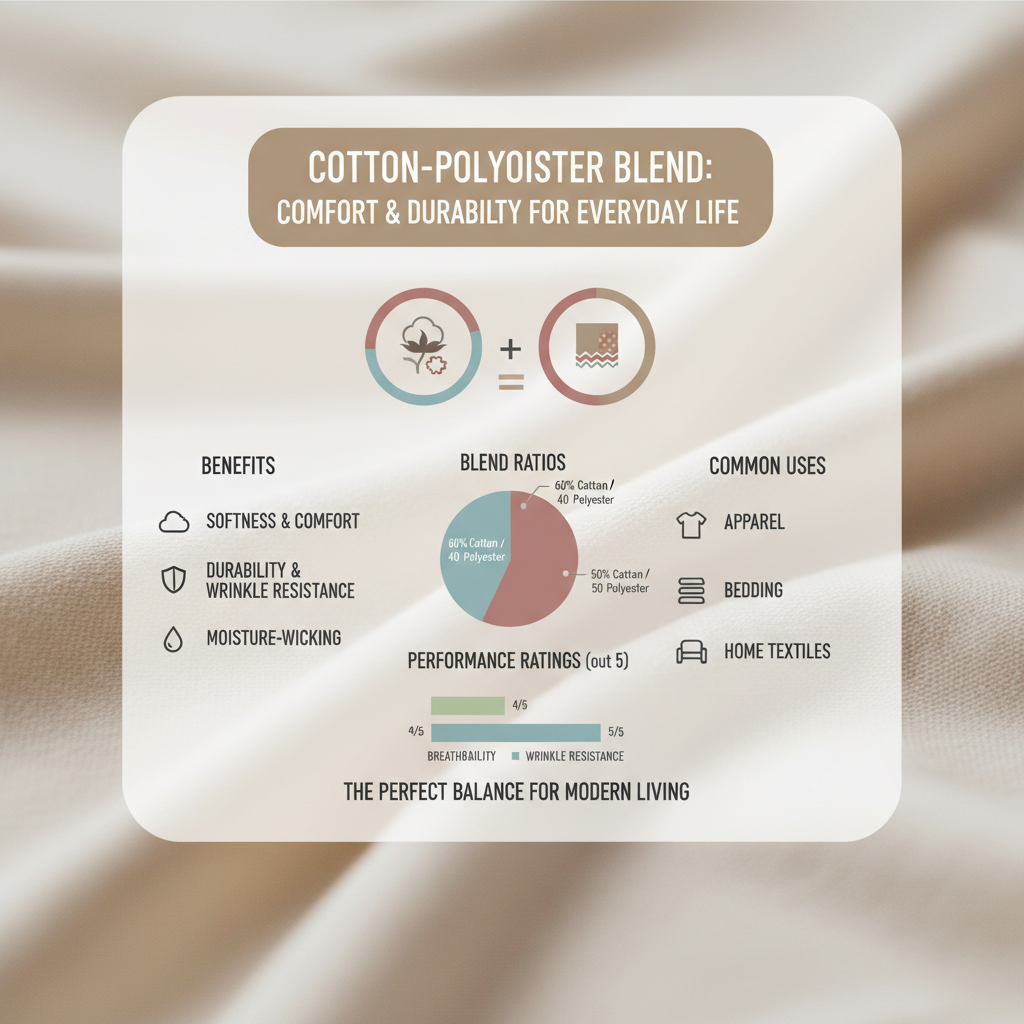
Simply put, cotton polyester blend fabric is created by combining cotton fibers and polyester fibers. This isn’t simply layering fabrics; the fibers are typically interwoven or knitted together during the manufacturing process. The precise ratio of cotton to polyester can vary significantly, influencing the final fabric’s characteristics and suitability for different applications. Common blends include 65% polyester/35% cotton, 50/50, and 80% cotton/20% polyester.
The connection to modern industry and humanitarian needs is profound. This blend offers an economically viable and functional textile solution for everything from everyday clothing to durable workwear. Its resilience and affordability make it an essential material in providing basic necessities, and its adaptability allows it to meet specialized needs in diverse sectors like healthcare and automotive.
Global Relevance & Industry Context
The global textile industry is heavily reliant on blended fabrics, and cotton polyester blend fabric constitutes a substantial portion of this market. As of 2023, the global textile market was valued at over $1.7 trillion, with blended fabrics accounting for approximately 40% of total production volume (Source: Statista). This blend’s appeal transcends geographical boundaries, finding widespread use in both developed and developing nations due to its balance of cost, comfort, and durability.
The challenge lies in balancing increasing demand with sustainability concerns. Conventional cotton farming often requires significant water and pesticide use, while polyester is derived from petroleum, a non-renewable resource. The industry is actively seeking solutions like organic cotton sourcing, recycled polyester, and innovative blending techniques to mitigate these environmental impacts.
Regulatory pressures and consumer awareness are also playing a significant role. Initiatives like the Sustainable Apparel Coalition’s Higg Index and the growing demand for transparent supply chains are forcing manufacturers to adopt more responsible practices. Cotton polyester blend fabric, when produced ethically and sustainably, can contribute to a more circular and responsible textile economy.
Composition and Production Processes
The core of cotton polyester blend fabric lies in understanding its two main components. Cotton provides breathability, comfort, and a natural feel, while polyester contributes durability, wrinkle resistance, and affordability. The production process begins with sourcing raw materials – cotton fibers from cotton plants and polyester fibers derived from petroleum-based polymers.
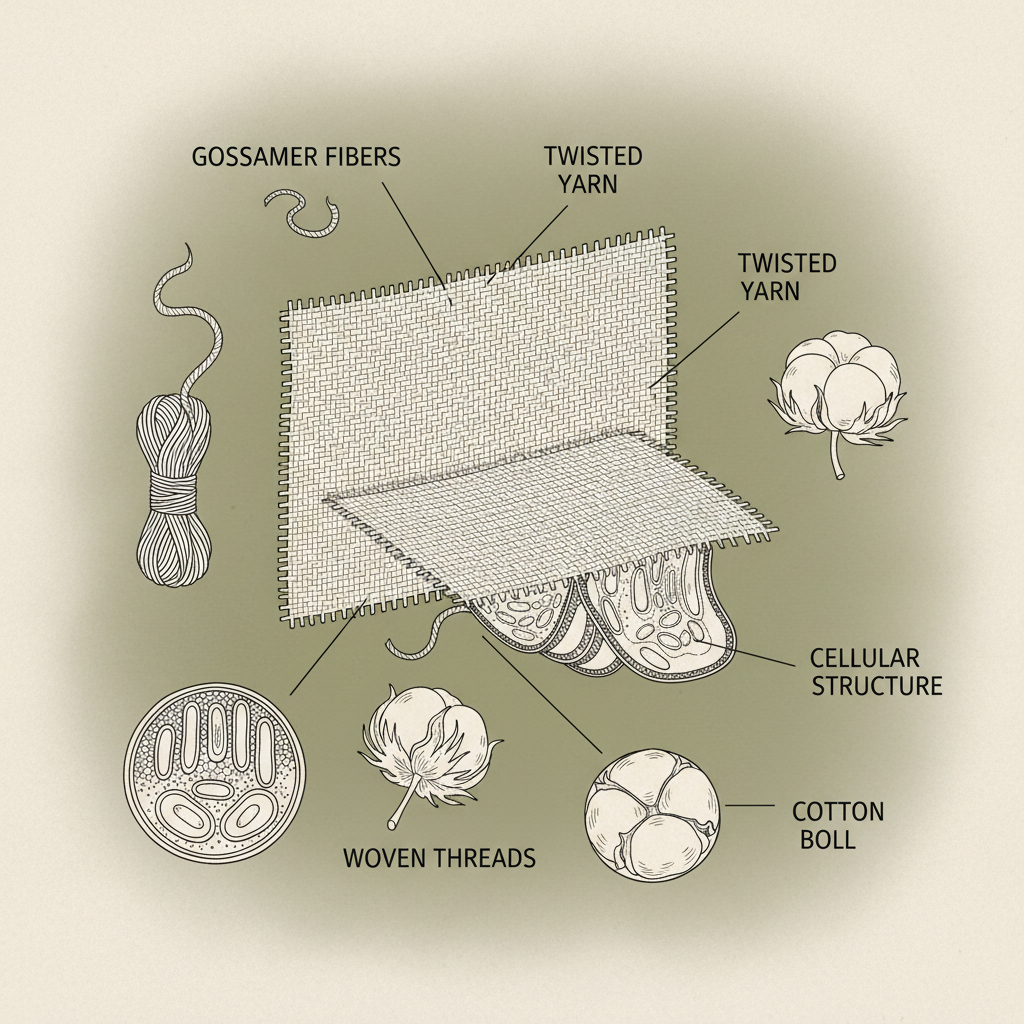
These fibers are then prepared for blending. Cotton undergoes processes like ginning, cleaning, and carding, while polyester is typically supplied as filament yarns. The blending process can occur at various stages: fiber blending (mixing fibers before spinning), yarn blending (combining cotton and polyester yarns), or fabric blending (weaving or knitting blended yarns). Each method results in slightly different fabric characteristics.
Following blending, the material undergoes weaving or knitting to create the fabric structure. Finishing processes like dyeing, printing, and applying treatments for wrinkle resistance or water repellency complete the production cycle. Advanced technologies like air-jet weaving and circular knitting are commonly employed to optimize efficiency and fabric quality.
Key Properties of Cotton Polyester Blends
The unique combination of cotton and polyester imparts a distinctive set of properties to the resulting fabric. Durability is a significant advantage, with polyester adding strength and resistance to abrasion, extending the lifespan of garments and textiles. This makes cotton polyester blend fabric ideal for items subjected to frequent wear and washing.
Another key characteristic is wrinkle resistance. Polyester fibers inherently resist wrinkling, reducing the need for ironing and maintaining a neat appearance. This property is particularly valuable in applications like workwear and travel clothing.
Performance Comparison of Cotton Polyester Blend Methods
Diverse Applications Across Industries
The versatility of cotton polyester blend fabric makes it a staple across a wide spectrum of industries. In apparel, it's used extensively for shirts, pants, dresses, and sportswear, offering a balance of comfort, durability, and affordability. Its wrinkle resistance is particularly valued in travel clothing and uniforms.
Beyond apparel, it’s a key material in home textiles, including bed linens, towels, and upholstery. Its durability and ease of care make it ideal for items subjected to frequent use and washing. In industrial applications, it finds use in workwear, protective clothing, and even filtration systems, due to its strength and resistance to certain chemicals.
Advantages and Sustainability Aspects
The primary advantage of cotton polyester blend fabric lies in its cost-effectiveness. It provides a durable and functional textile solution at a lower price point compared to 100% cotton or other premium materials. Furthermore, its easy-care properties – requiring less ironing and often being machine washable – contribute to long-term cost savings for consumers.
Increasingly, sustainability is becoming a central consideration. While conventional polyester production poses environmental challenges, the availability of recycled polyester options is growing. Utilizing recycled polyester reduces reliance on virgin petroleum and minimizes waste. Sourcing organic cotton further enhances the sustainability profile, reducing pesticide use and promoting responsible farming practices.
The fabric’s inherent durability also contributes to its sustainability. Longer-lasting garments require less frequent replacement, reducing overall textile waste. Ultimately, a responsible approach to production and consumption is crucial for maximizing the environmental benefits of this versatile material.
Future Trends and Innovations
The future of cotton polyester blend fabric is intertwined with advancements in textile technology and a growing focus on sustainability. Nanotechnology is being explored to enhance fabric properties, such as improving moisture-wicking capabilities and adding antimicrobial finishes.
Bio-based polyester alternatives, derived from renewable resources like corn or sugarcane, are gaining traction as a more sustainable option. Furthermore, advancements in textile recycling technologies promise to enable closed-loop systems, allowing for the efficient recovery and reuse of both cotton and polyester fibers.
Digital printing technologies are also transforming the industry, allowing for customized designs and reduced water consumption compared to traditional dyeing methods. These innovations, combined with increasing consumer demand for sustainable and ethically produced textiles, will shape the evolution of cotton polyester blend fabric in the years to come.
Summary of Challenges and Potential Solutions in Cotton Polyester Blend Fabric Production
| Challenge |
Impact on Sustainability |
Potential Solution |
Implementation Difficulty (1-5, 5 being hardest) |
| Reliance on Virgin Polyester |
Depletion of fossil fuels, plastic pollution. |
Increased use of recycled polyester, development of bio-based polyester alternatives. |
3 |
| Water and Pesticide Use in Cotton Farming |
Environmental degradation, health risks. |
Sourcing organic cotton, implementing water-efficient irrigation techniques. |
4 |
| Textile Waste Generation |
Landfill overflow, resource depletion. |
Improved textile recycling infrastructure, promoting circular economy models. |
5 |
| Microplastic Shedding |
Ocean pollution, potential health risks. |
Developing fabric coatings to reduce microplastic shedding, using tighter weave structures. |
3 |
| Lack of Supply Chain Transparency |
Difficulty tracking environmental and social impacts. |
Implementing blockchain technology to enhance traceability. |
4 |
| Dyeing and Finishing Processes |
Water pollution, chemical waste. |
Adopting eco-friendly dyes and finishing techniques, water recycling systems. |
3 |
FAQS
The lifespan of garments made from cotton polyester blend fabric varies depending on usage and care, but generally exceeds that of 100% cotton. With proper washing and care, items can last for several years, often 5-10 years or more. The polyester component adds significant durability, resisting wear and tear. However, frequent harsh washing or exposure to strong chemicals can shorten the lifespan.
The ratio of cotton to polyester significantly influences the fabric's characteristics. A higher cotton content (e.g., 60/40) results in greater breathability and softness, but less wrinkle resistance and durability. Conversely, a higher polyester content (e.g., 65/35) offers improved wrinkle resistance, durability, and affordability, but may feel less breathable. Finding the optimal ratio depends on the intended use of the fabric.
For individuals with sensitive skin, cotton polyester blend fabric can be a good option, particularly blends with a higher cotton content. Cotton is naturally hypoallergenic. However, some individuals may be sensitive to the polyester component or the dyes and finishes used in production. Opting for fabrics with OEKO-TEX certification can help ensure they are free from harmful substances.
Compared to 100% cotton, cotton polyester blend fabric exhibits significantly less shrinkage after washing. The polyester component stabilizes the fibers, minimizing dimensional changes. However, some minor stretching may occur with repeated wear, particularly in areas prone to stress. Following care instructions carefully, such as avoiding high heat, will help maintain the fabric's shape.
Generally, cotton polyester blend fabric is machine washable. It’s best to use cool or warm water and a mild detergent. Avoid harsh chemicals and bleach. Tumble drying on a low setting is recommended to minimize wrinkles and shrinkage. Ironing can be done on a low to medium setting if needed. Always check the garment’s care label for specific instructions.
The breathability of cotton polyester blend fabric depends on the cotton-to-polyester ratio. Higher cotton content enhances breathability, making it more comfortable for warm-weather wear. Polyester, while less breathable, contributes to moisture-wicking properties. Overall, a well-balanced blend offers a comfortable and functional textile solution for a wide range of applications.
Conclusion
Cotton polyester blend fabric stands as a testament to the power of material innovation. Its unique combination of attributes – durability, affordability, wrinkle resistance, and versatility – has solidified its position as a cornerstone of the global textile industry. From everyday apparel to specialized industrial applications, this blend continues to meet evolving demands across diverse sectors. Understanding its properties, production processes, and sustainability challenges is crucial for responsible manufacturing and consumption.
Looking ahead, the future of this fabric hinges on continued innovation in sustainable sourcing, recycling technologies, and eco-friendly finishing processes. By embracing these advancements, we can unlock the full potential of cotton polyester blend fabric as a truly sustainable and high-performing textile solution. Visit our website at www.jiexiangtextile.com to explore our range of cotton polyester blend fabrics and discover how we can meet your specific textile needs.