0%

Table of Contents

Cotton and polyester fabric represent a cornerstone of the modern textile industry, impacting everything from everyday clothing to industrial applications. Their widespread use is due to a unique combination of properties – cotton providing comfort and breathability, while polyester adds durability, wrinkle resistance, and affordability. Understanding the nuances of this blend is crucial for manufacturers, consumers, and anyone involved in the textile supply chain. The global demand for textiles, heavily influenced by population growth and changing fashion trends, necessitates a thorough examination of cotton and polyester fabric and its role in meeting these demands.

Globally, the textile industry is a significant economic driver, employing millions and generating billions in revenue. According to the World Bank, textiles contribute substantially to the GDP of many developing nations. However, the industry faces challenges related to sustainability, ethical production, and fluctuating raw material prices. Cotton, while a natural fiber, requires significant water and pesticide use. Polyester, derived from petroleum, raises concerns about its environmental impact. The intelligent blending of cotton and polyester fabric offers a pathway to mitigate some of these concerns, offering a balance between performance and sustainability.

The demand for versatile and cost-effective fabrics has propelled cotton and polyester blends to the forefront of textile innovation. From apparel to home furnishings, and even specialized industrial applications, this fabric’s adaptability is undeniable. Its accessibility and favorable price point compared to 100% natural fibers have made it a staple in numerous markets worldwide. This blend addresses the need for durable, easy-care textiles that cater to a broad range of consumer preferences and industrial needs.

Exploring the Versatility and Sustainability of Cotton and Polyester Fabric

Introduction to cotton and polyester fabric

Exploring the Versatility and Sustainability of Cotton and Polyester Fabric

Cotton and polyester fabric is a ubiquitous textile in the modern world, a testament to its versatility and cost-effectiveness. Its prevalence stems from the successful synergy between natural cotton fibers and synthetic polyester, creating a fabric that addresses a wide spectrum of needs, from comfort and breathability to durability and affordability. Understanding the qualities of this blend is vital for informed decision-making in various sectors.

The fabric's journey from raw materials to finished products involves a complex supply chain, spanning agricultural practices for cotton cultivation to petrochemical processes for polyester production. Consequently, the industry's impact extends beyond purely textile concerns, influencing environmental sustainability, economic development, and social responsibility. A deep dive into cotton and polyester fabric unveils a fascinating intersection of science, economics, and global trade.

Defining cotton and polyester fabric

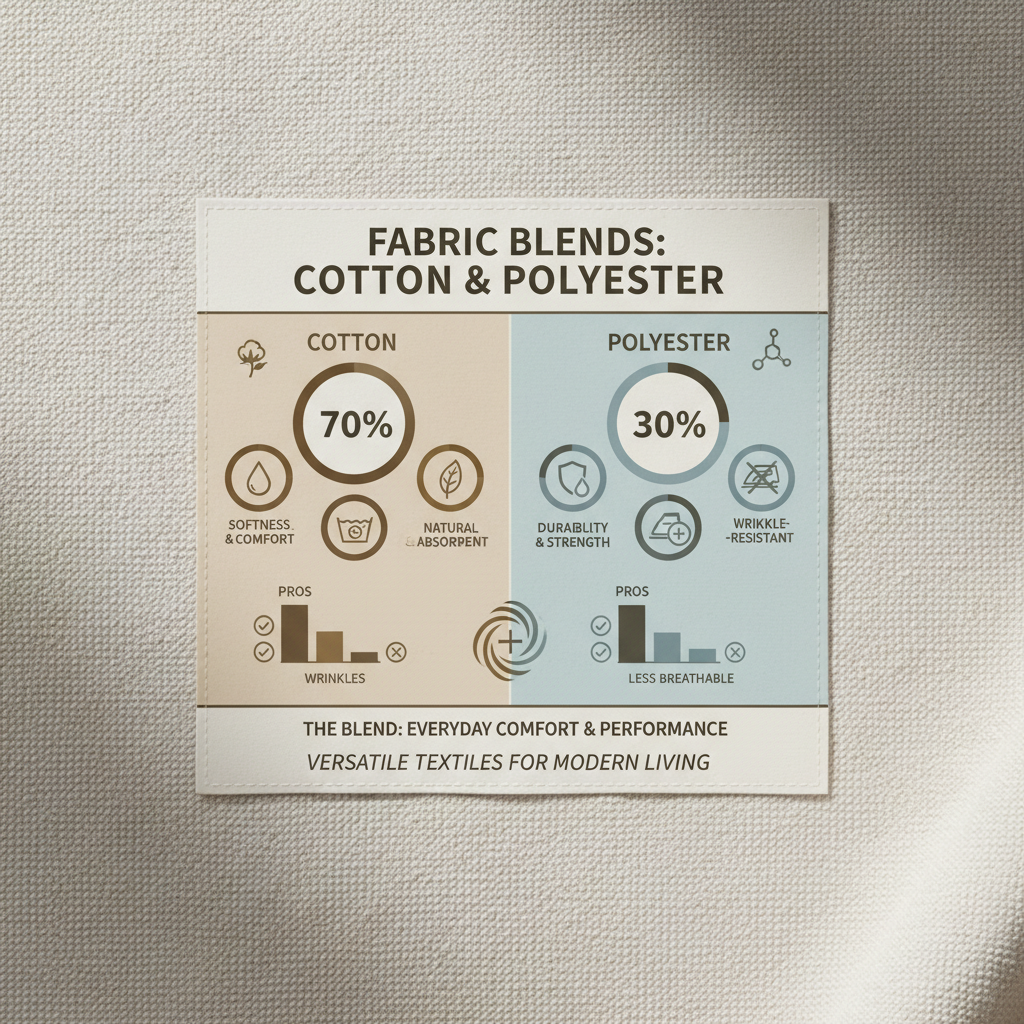
Cotton is a natural fiber derived from the seedpod of the cotton plant. It’s renowned for its softness, breathability, and absorbency, making it a preferred choice for clothing and personal textiles. Historically, cotton has played a significant role in global trade and cultural practices. The quality of cotton varies depending on factors like fiber length and cultivation methods.

Polyester, on the other hand, is a synthetic fiber created through a chemical process involving petroleum-based products. It’s celebrated for its strength, wrinkle resistance, and quick-drying properties. While not naturally breathable like cotton, advancements in polyester technology have led to modified fibers with improved moisture-wicking capabilities.

The combination of cotton and polyester fabric arises from the desire to leverage the strengths of both materials while mitigating their individual weaknesses. By blending these fibers, manufacturers can create a fabric that offers a balance of comfort, durability, and cost-effectiveness, catering to a broader range of applications and consumer preferences.

Key Properties of cotton and polyester fabric

Durability is a key attribute of cotton and polyester fabric. Polyester fibers significantly enhance the fabric's resistance to wear and tear, reducing the likelihood of ripping or fraying. This makes it an excellent choice for items subjected to frequent use, such as workwear and outdoor apparel. The presence of cotton also contributes to a softer feel, increasing overall comfort.

Cost-efficiency is another major benefit. Polyester is generally less expensive to produce than natural fibers like cotton. Blending it with cotton allows manufacturers to create fabrics that are affordable for a wider range of consumers without sacrificing essential qualities like strength and longevity. This factor is particularly important in markets where price sensitivity is high.

Wrinkle resistance is a notable advantage offered by the polyester component. Unlike pure cotton, cotton and polyester fabric doesn't easily wrinkle, reducing the need for ironing and making it ideal for travel clothing and easy-care garments. This property adds to the convenience and practicality of the fabric.

Applications Across Industries

The apparel industry is a primary consumer of cotton and polyester fabric. It's used extensively in the production of t-shirts, jeans, dresses, and sportswear, offering a blend of comfort, durability, and affordability. Different ratios of cotton to polyester are used depending on the intended use of the garment.

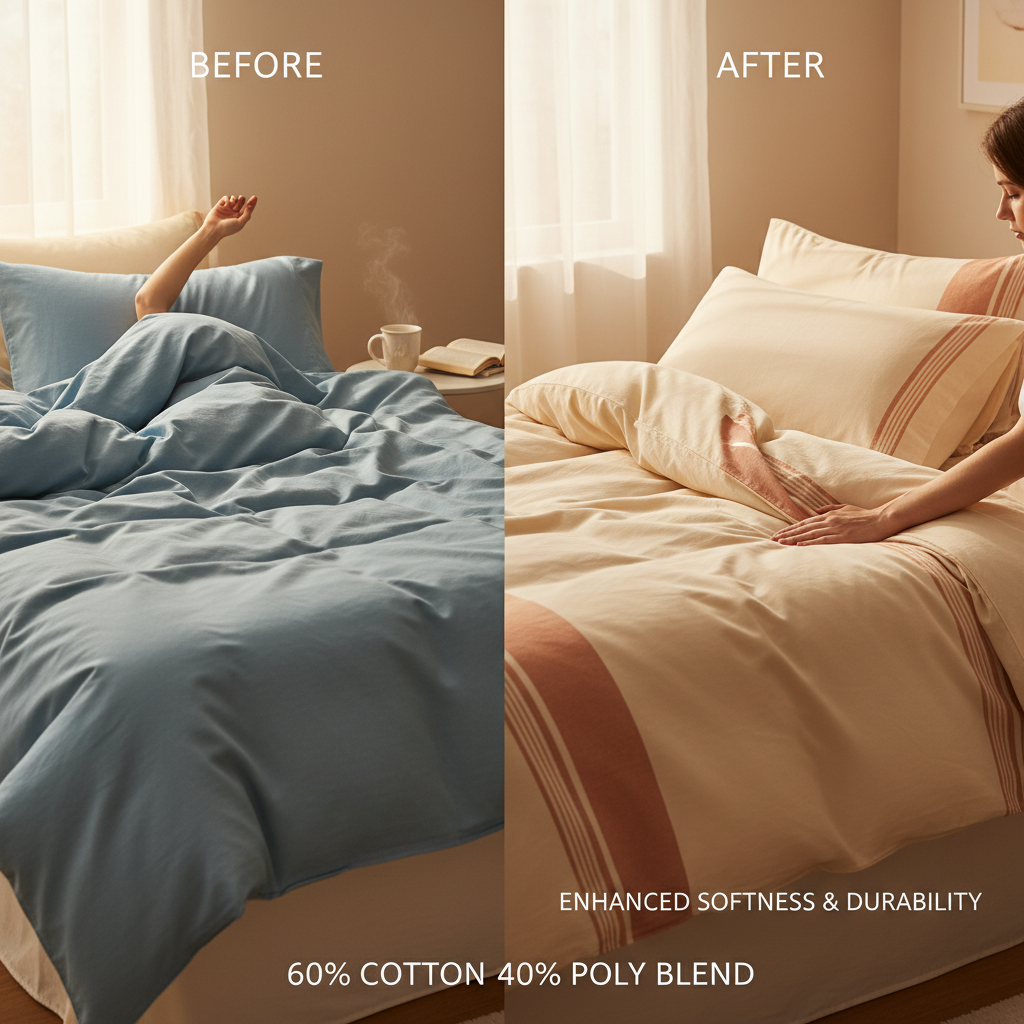
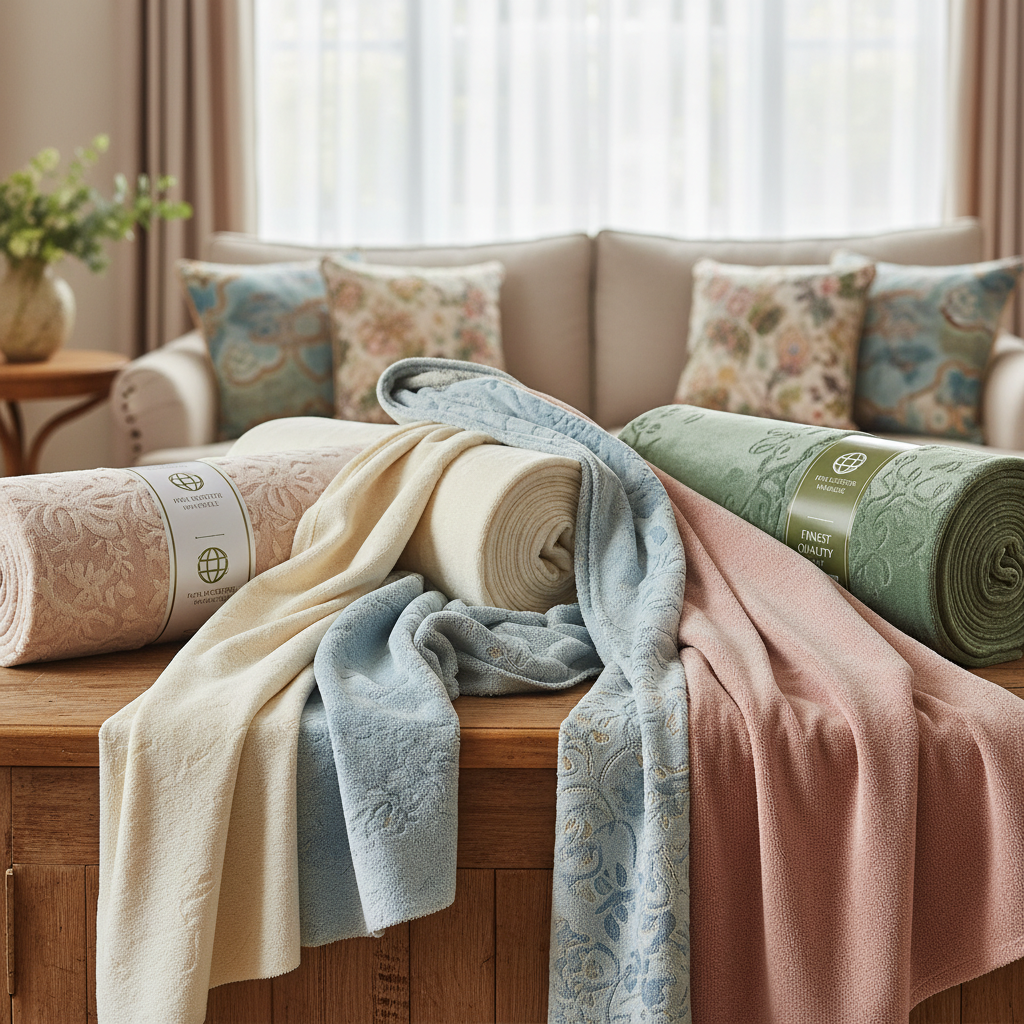
The home furnishings sector also heavily relies on this blend. It’s commonly found in bedding, curtains, upholstery, and towels, providing a balance of softness, durability, and ease of maintenance. The fabric's resistance to fading and shrinking makes it suitable for items exposed to frequent washing and sunlight.

cotton and polyester fabric Performance by Application


Advantages & Long-Term Value

From a cost perspective, cotton and polyester fabric provides an advantageous alternative to using 100% natural fibers. Polyester’s lower production cost allows manufacturers to offer consumers high-quality fabrics at competitive prices. This accessibility broadens the market reach and makes these textiles available to a wider demographic.

The durability of this blend translates to long-term value. Garments and household items made from cotton and polyester fabric tend to withstand repeated use and washing, reducing the need for frequent replacements. This longevity contributes to cost savings for consumers and promotes a more sustainable approach to consumption.

Future Trends and Innovations

The development of recycled polyester is a significant trend shaping the future of cotton and polyester fabric. Using recycled plastic bottles as a raw material reduces reliance on virgin petroleum and minimizes landfill waste. This sustainable practice aligns with growing consumer demand for eco-friendly products.

Innovations in cotton cultivation, such as genetically modified cotton varieties that require less water and pesticides, are also gaining traction. These advancements aim to address the environmental concerns associated with conventional cotton farming. The combination of sustainable cotton production and recycled polyester offers a promising path towards a more responsible textile industry.

Smart textiles integrating sensors and conductive fibers are emerging as a new frontier. These advanced fabrics could be used in wearable technology, healthcare monitoring, and protective gear, further expanding the applications of cotton and polyester fabric.

Challenges & Sustainable Solutions

A major challenge is the microplastic pollution caused by washing polyester fabrics. These tiny plastic particles enter waterways and can harm aquatic life. Solutions include developing biodegradable polyester alternatives and promoting the use of laundry filters designed to capture microplastics.

Another challenge is the water-intensive nature of cotton cultivation. Implementing efficient irrigation techniques, promoting water-saving farming practices, and exploring alternative fiber sources can help mitigate this issue. Supporting initiatives that promote sustainable cotton farming is crucial for addressing this environmental impact.

The industry also faces scrutiny regarding labor practices and ethical sourcing. Transparency in the supply chain, fair wages for workers, and safe working conditions are essential for ensuring a socially responsible textile industry. Consumers can play a role by supporting brands committed to ethical production standards.

Summary of Challenges and Sustainable Solutions for cotton and polyester fabric

Challenge Environmental Impact Proposed Solution Implementation Difficulty (1-10)
Microplastic Pollution Harm to aquatic ecosystems Biodegradable polyester alternatives & Laundry filters 7
Water Consumption in Cotton Farming Water scarcity, ecosystem disruption Efficient irrigation, water-saving practices 6
Petroleum Dependence (Polyester) Fossil fuel depletion, carbon emissions Recycled Polyester production 5
Pesticide Use in Cotton Farming Environmental contamination, health risks Organic cotton farming, GM cotton varieties 8
Ethical Labor Concerns Worker exploitation, unfair wages Supply chain transparency, fair trade practices 9
Chemical Dyes and Finishes Water pollution, potential health hazards Eco-friendly dyes, sustainable finishing processes 7

FAQS

What are the main benefits of choosing cotton and polyester fabric blends over 100% cotton?

Cotton and polyester blends offer a superior combination of properties compared to 100% cotton. Polyester adds durability, wrinkle resistance, and quicker drying times, while cotton provides breathability and comfort. This blend reduces the tendency for shrinking and fading, leading to longer-lasting garments and textiles. The price point is also generally more affordable than 100% cotton options, making it accessible to a wider range of consumers. Ultimately, it offers a balanced solution for both practicality and comfort.

How does the ratio of cotton to polyester affect the fabric's properties?

The ratio of cotton to polyester significantly influences the fabric's characteristics. A higher cotton content results in greater softness, breathability, and absorbency, but less durability and wrinkle resistance. Conversely, a higher polyester content yields increased strength, wrinkle resistance, and quicker drying, but potentially reduced comfort. A 50/50 blend is often considered a good balance, offering a combination of both properties, but the optimal ratio depends on the intended application of the fabric.

Is cotton and polyester fabric environmentally friendly?

The environmental impact of cotton and polyester fabric is complex. Cotton cultivation can be water-intensive and rely heavily on pesticides, while polyester production is derived from petroleum, a non-renewable resource. However, using recycled polyester significantly reduces its environmental footprint. Choosing organic cotton and supporting sustainable farming practices can also minimize the impact of cotton production. Overall, the sustainability of this fabric depends on responsible sourcing and production methods.

How do I care for cotton and polyester fabric garments?

Cotton and polyester fabric garments are generally easy to care for. Machine washing in cold or warm water with a mild detergent is typically recommended. Tumble drying on a low setting or hang drying is best to avoid excessive shrinkage. Ironing is usually not necessary due to the wrinkle resistance of polyester, but if needed, use a low heat setting. Following the care label instructions will help maintain the fabric's quality and longevity.

What are some innovative applications of cotton and polyester fabric beyond clothing?

Beyond apparel, cotton and polyester fabric is finding innovative applications in various fields. It's used in medical textiles for wound dressings and surgical gowns, industrial fabrics for filters and protective gear, and automotive interiors for seat upholstery and headliners. Emerging technologies are exploring its use in smart textiles with integrated sensors and conductive fibers for wearable technology and healthcare monitoring.

How does the cost of cotton and polyester fabric compare to other natural and synthetic fabrics?

Generally, cotton and polyester fabric is more affordable than 100% natural fibers like silk, linen, and cashmere. It’s also often less expensive than some specialized synthetic fabrics like high-performance microfibers. However, the price can vary depending on the quality of the cotton, the type of polyester, and the complexity of the blending and finishing processes. It provides a favorable balance between cost, performance, and durability.

Conclusion

In conclusion, cotton and polyester fabric stands as a testament to the power of blending natural and synthetic fibers to create a textile that addresses a wide range of needs. Its combination of comfort, durability, affordability, and ease of care has cemented its position as a cornerstone of the modern textile industry. From everyday clothing to specialized industrial applications, its versatility is undeniable. Understanding the properties, applications, and future trends of this fabric is crucial for anyone involved in the textile supply chain.

Looking ahead, continued innovation in sustainable materials, ethical production practices, and advanced textile technologies will be vital for ensuring the long-term viability of cotton and polyester fabric. Supporting initiatives that promote recycled polyester, organic cotton farming, and responsible manufacturing will contribute to a more sustainable and equitable textile industry. For more information on high-quality fabrics, and to explore our diverse range of products, visit our website: cotton and polyester fabric.


Christopher Wilson

Christopher Wilson

Christopher Wilson is a Senior Logistics Coordinator at Shijiazhuang Jiexiang Textile Co., Ltd., responsible for managing the efficient and timely shipment of fabrics to North American clients. He ensures smooth operations from the factory to the final delivery point. Christopher is skilled in international shipping regulations, customs procedures, and inventory
Previous Exploring the Versatility of 80 cotton 20 polyester fabric for Modern Textiles
Next Exploring the Versatility and Benefits of 60 40 Cotton Poly Blend Fabric