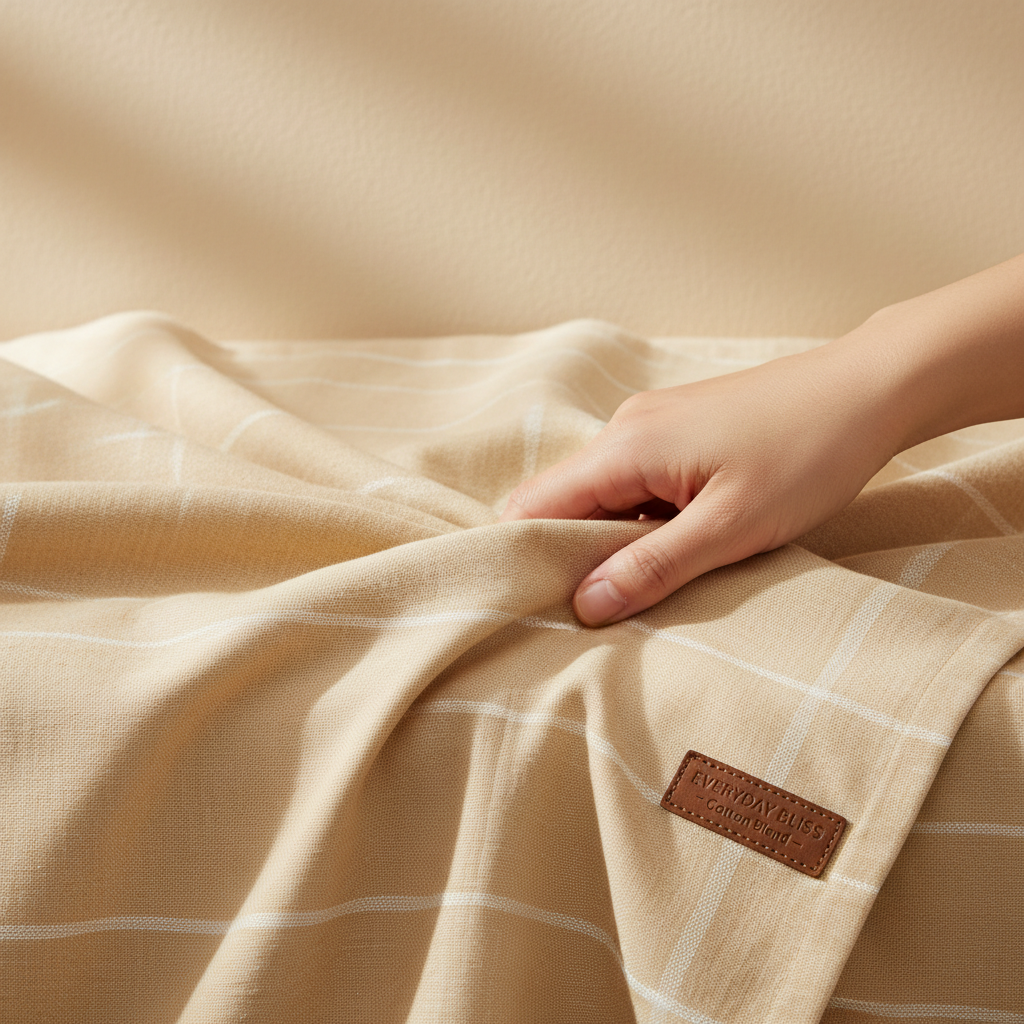
60 40 cotton poly blend fabric has become a cornerstone of the textile industry, offering a versatile and cost-effective solution for a wide range of applications. Its unique blend of natural cotton and durable polyester provides a balance of comfort, performance, and affordability that is highly sought after globally. Understanding the nuances of this fabric is crucial for designers, manufacturers, and consumers alike.
The global demand for textiles continues to rise, driven by population growth and evolving consumer preferences. 60 40 cotton poly blend fabric addresses key industry challenges, including the need for durable, easy-care materials at competitive prices. Its widespread availability and adaptability make it a significant player in the global textile market, with production concentrated in regions like China, India, and Southeast Asia.
This fabric isn't just about clothing; it extends into industrial applications, home textiles, and more. Its impact is felt across various sectors, making a comprehensive understanding of its properties and uses essential for anyone involved in the textile supply chain. The inherent versatility of 60 40 cotton poly blend fabric contributes to its sustained relevance.
The Core Characteristics of 60 40 Cotton Poly Blend Fabric
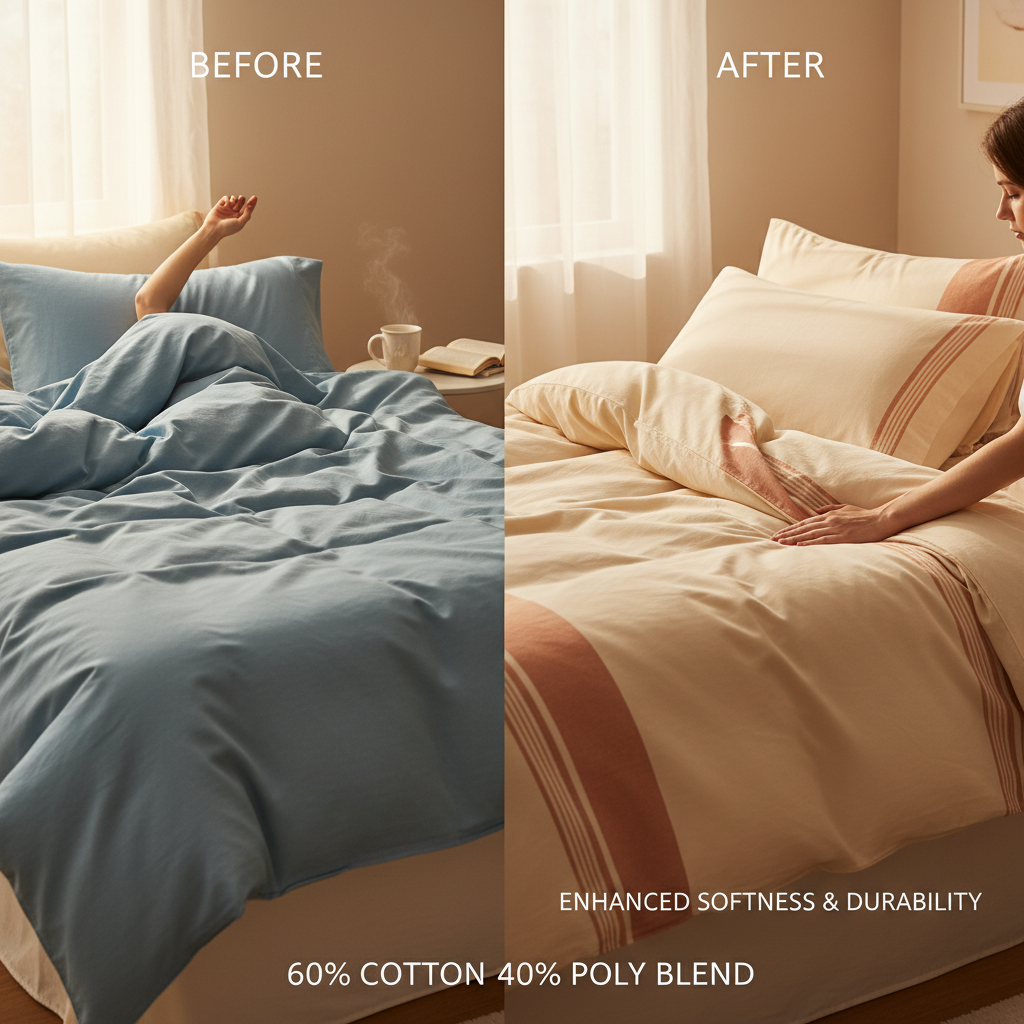
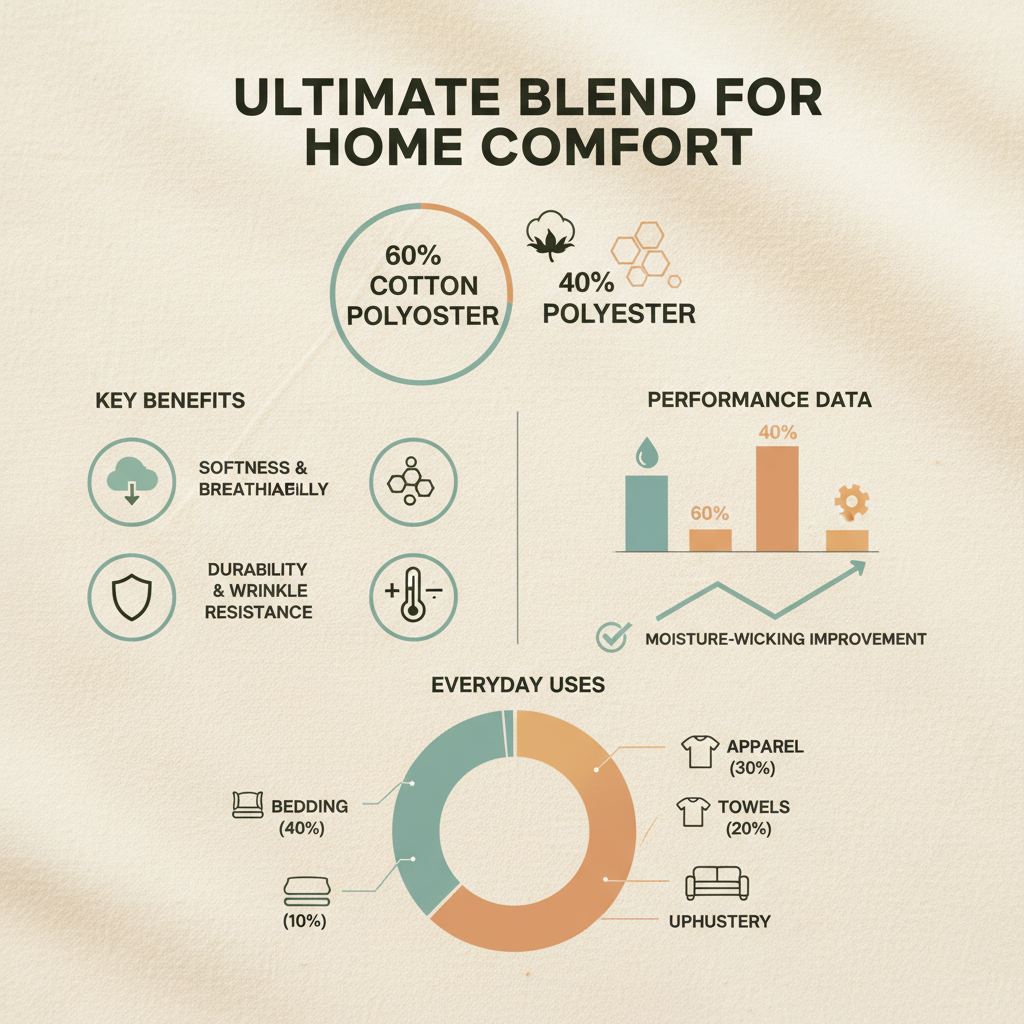
The composition of 60 40 cotton poly blend fabric – 60% cotton and 40% polyester – dictates its distinctive properties. Cotton contributes softness, breathability, and a natural feel, while polyester adds strength, durability, and wrinkle resistance. This combination results in a fabric that is comfortable to wear and easy to care for.
The ratio of cotton to polyester is carefully chosen to optimize the benefits of both fibers. A higher cotton content typically results in a softer, more breathable fabric, while a higher polyester content increases durability and wrinkle resistance. Understanding this balance is key to selecting the right 60 40 cotton poly blend fabric for a specific application.
The Global Relevance of 60 40 Cotton Poly Blend Fabric
60 40 cotton poly blend fabric is a globally traded commodity, playing a vital role in the apparel and textile industries worldwide. Its affordability and versatility make it a popular choice for manufacturers in both developed and developing countries. Production centers are concentrated in Asia, particularly in China, India, and Bangladesh, where labor costs are comparatively lower.
The fabric’s importance is reflected in trade statistics; billions of meters are produced and traded annually. According to the World Trade Organization, textile and apparel trade constitutes a significant portion of global merchandise trade, and blended fabrics like 60 40 cotton poly represent a substantial share of this market. Its cost-effectiveness makes it accessible for mass production and a wide range of consumers.
Furthermore, the fabric’s adaptability to diverse climates and consumer preferences contributes to its global appeal. From lightweight summer clothing to durable workwear, 60 40 cotton poly blend fabric finds applications in numerous markets worldwide, ensuring a consistent global demand.
Defining 60 40 Cotton Poly Blend Fabric
60 40 cotton poly blend fabric is a textile created by intertwining 60% cotton fibers with 40% polyester fibers. This blend aims to combine the best qualities of both natural and synthetic materials, offering a fabric that is both comfortable and practical. It’s a ubiquitous textile used in everything from everyday clothing to industrial applications.
The creation of this blend is a modern industrial achievement, born from the desire for more durable, easier-to-care-for fabrics. In the mid-20th century, polyester was introduced as a synthetic alternative to natural fibers, and blending it with cotton proved to be a successful way to enhance textile performance while retaining a comfortable feel.
This fabric directly responds to modern needs – the demand for clothing that lasts, requires minimal ironing, and remains affordable. It’s a key material in addressing the challenges of fast fashion and the need for more sustainable textile options, bridging the gap between cost and quality. 60 40 cotton poly blend fabric’s accessibility also supports humanitarian efforts where durable and affordable textiles are needed.
Key Properties of 60 40 Cotton Poly Blend Fabric
The defining characteristics of 60 40 cotton poly blend fabric center around its balanced properties. Durability is a primary benefit, stemming from the polyester component, which resists stretching, shrinking, and abrasion. This makes it ideal for garments that undergo frequent washing or heavy wear.
Another key property is its wrinkle resistance. Polyester fibers are inherently less prone to wrinkling than cotton, contributing to a fabric that maintains a relatively neat appearance with minimal ironing. This is a significant advantage for consumers seeking low-maintenance clothing options.
60 40 Cotton Poly Blend Fabric Property Ratings
Applications of 60 40 Cotton Poly Blend Fabric Across Industries
The apparel industry is the largest consumer of 60 40 cotton poly blend fabric, using it extensively in the production of shirts, pants, dresses, and uniforms. Its affordability and ease of care make it ideal for mass-produced clothing items catering to a wide range of consumers.
Beyond apparel, the fabric finds significant application in the home textile sector. It's commonly used for bedding, curtains, upholstery, and towels, due to its durability and wrinkle resistance. In industrial settings, 60 40 cotton poly blend fabric is employed in workwear, protective clothing, and various industrial applications where strength and resilience are paramount.
The Advantages of Utilizing 60 40 Cotton Poly Blend Fabric
One of the most significant benefits of using 60 40 cotton poly blend fabric is its cost-effectiveness. It offers a balance between quality and price, making it accessible to a wider range of manufacturers and consumers compared to fabrics made solely from natural fibers. This affordability doesn’t compromise on key performance characteristics.
From a sustainability perspective, the polyester component can contribute to longer product lifespan, reducing the need for frequent replacements. The durability and wrinkle resistance minimize the energy required for washing and ironing, leading to a lower environmental footprint. 60 40 cotton poly blend fabric, therefore, offers a practical pathway towards more responsible textile consumption.
Future Trends & Innovations in 60 40 Cotton Poly Blend Fabric
The future of 60 40 cotton poly blend fabric is tied to innovations in both fiber technology and sustainable manufacturing practices. Research is focused on developing recycled polyester fibers from plastic waste, reducing the reliance on virgin petroleum-based materials. This initiative aligns with the growing demand for circular economy solutions in the textile industry.
Furthermore, advancements in cotton cultivation, such as organic and genetically modified cotton, are impacting the sustainability profile of the fabric. Digital printing technologies are also being adopted to minimize water usage and reduce chemical waste in the dyeing process. The integration of smart textiles, incorporating sensors and conductive fibers, represents another exciting avenue for innovation.
We can also expect to see continued exploration of bio-based polyester alternatives derived from renewable resources. These advancements will further enhance the environmental credentials of 60 40 cotton poly blend fabric and solidify its position as a versatile and sustainable textile choice.
Challenges and Potential Solutions
Despite its numerous advantages, 60 40 cotton poly blend fabric faces challenges related to microplastic shedding during washing. Polyester fibers can release microscopic particles into waterways, contributing to plastic pollution. Developing technologies to mitigate this issue is a critical priority.
Another challenge lies in improving the recyclability of the blended fabric. Separating cotton and polyester fibers for recycling can be complex and costly. Research into innovative recycling methods, such as chemical recycling, is essential to create a closed-loop system for this material.
Finally, ensuring ethical and sustainable sourcing of both cotton and polyester remains a key concern. Promoting fair labor practices, reducing water consumption in cotton cultivation, and adopting responsible manufacturing processes are crucial steps towards addressing these challenges.
Summary of Challenges & Solutions
| Challenge |
Impact Level (1-10) |
Potential Solution |
Implementation Cost (Low, Medium, High) |
| Microplastic Shedding |
7 |
Filter technologies in washing machines |
Medium |
| Recyclability Challenges |
8 |
Chemical recycling processes |
High |
| Ethical Sourcing Concerns |
6 |
Supply chain transparency & certifications |
Medium |
| Water Consumption in Cotton Cultivation |
7 |
Promote organic and water-efficient cotton farming |
Low |
| Polyester Dependence on Fossil Fuels |
9 |
Develop bio-based polyester alternatives |
High |
| Lack of Consumer Awareness |
5 |
Educate consumers about sustainable textile choices |
Low |
FAQS
While 100% cotton offers excellent comfort, 60 40 cotton poly blend fabric provides superior durability, wrinkle resistance, and dimensional stability. It’s less prone to shrinking and stretching, making it ideal for garments that require frequent washing or heavy wear. The polyester component also makes it more affordable, offering a balance between quality and cost.
60 40 cotton poly blend fabric offers good performance across a range of climates. The cotton component provides breathability, making it suitable for warmer weather, while the polyester adds moisture-wicking properties. It dries relatively quickly, making it practical for humid conditions. It also retains its shape and color well in both hot and cold temperatures.
Generally, 60 40 cotton poly blend fabric is well-tolerated by most skin types. The cotton component offers a soft and natural feel. However, some individuals with highly sensitive skin may prefer 100% cotton. Choosing fabrics with OEKO-TEX certification can ensure that the fabric is free from harmful substances.
60 40 cotton poly blend fabric is relatively easy to care for. Machine washing in cold or warm water is generally recommended. Avoid using harsh detergents or bleach. Tumble drying on a low setting is safe, and minimal ironing is usually required due to its wrinkle resistance.
The environmental impact of 60 40 cotton poly blend fabric stems from both the cotton and polyester components. Cotton cultivation can be water-intensive, while polyester is derived from petroleum. Choosing organic cotton and recycled polyester options can significantly reduce the environmental footprint. Addressing microplastic shedding during washing is also important.
Numerous textile suppliers offer 60 40 cotton poly blend fabric. It is essential to select a reputable supplier that prioritizes quality control, ethical sourcing, and sustainable manufacturing practices. Researching suppliers and requesting samples can help ensure you obtain the desired quality and performance.
Conclusion
60 40 cotton poly blend fabric represents a practical and versatile solution within the textile industry, expertly balancing the comfort of natural cotton with the durability and practicality of polyester. Its cost-effectiveness, easy care properties, and adaptability to various applications have established it as a globally significant material.
Looking ahead, continued innovation in sustainable fiber production, recycling technologies, and ethical sourcing practices will be crucial for enhancing the long-term viability of this fabric. Exploring bio-based polyester alternatives and promoting responsible consumption patterns will further solidify its position as a valuable resource for both industry and consumers. For more information and to explore our range of fabrics, visit our website: www.jiexiangtextile.com.