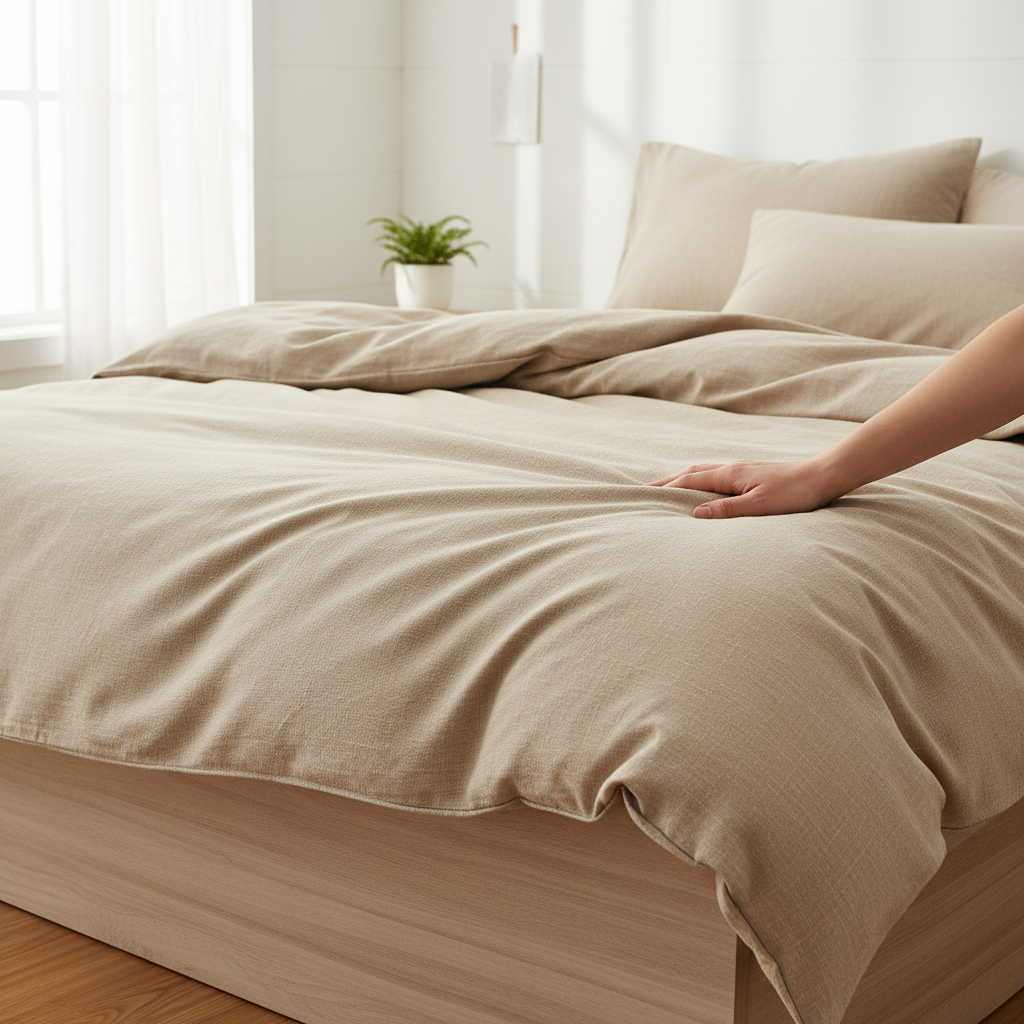
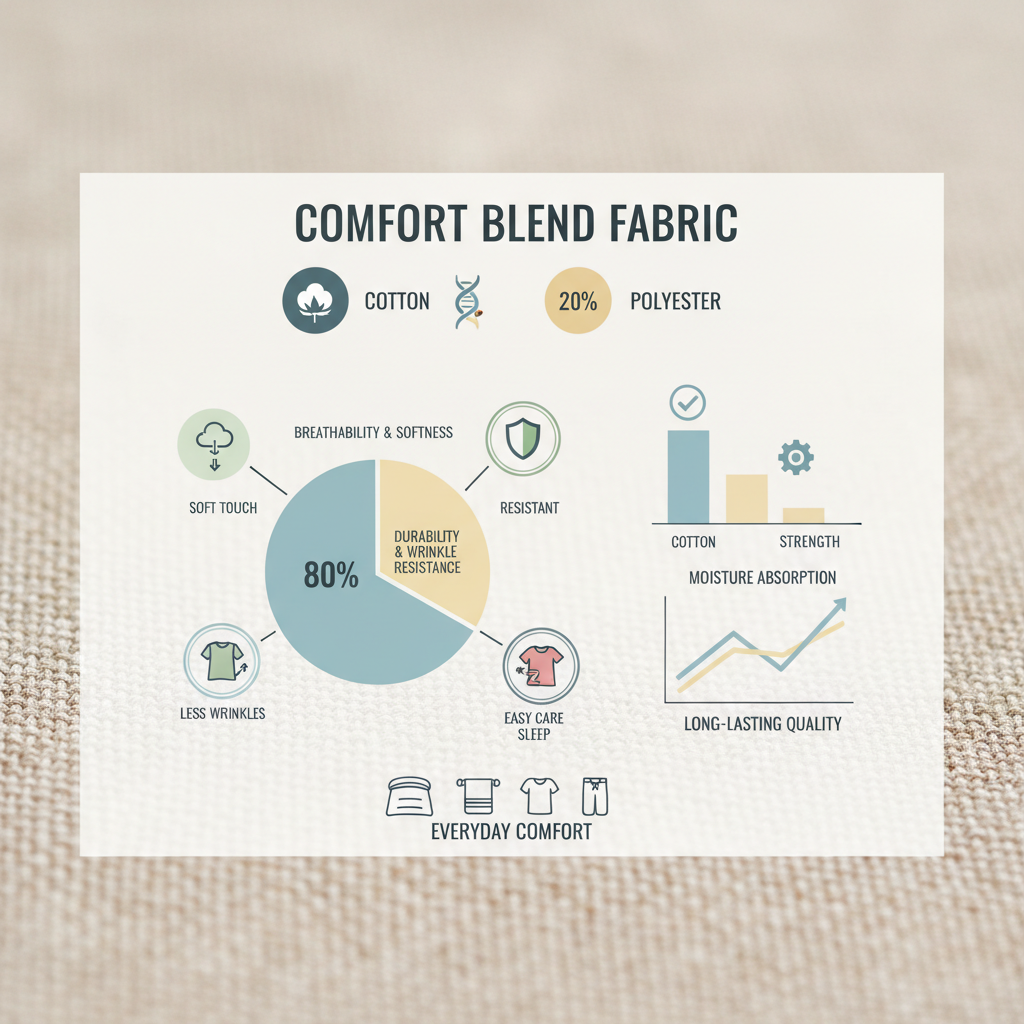
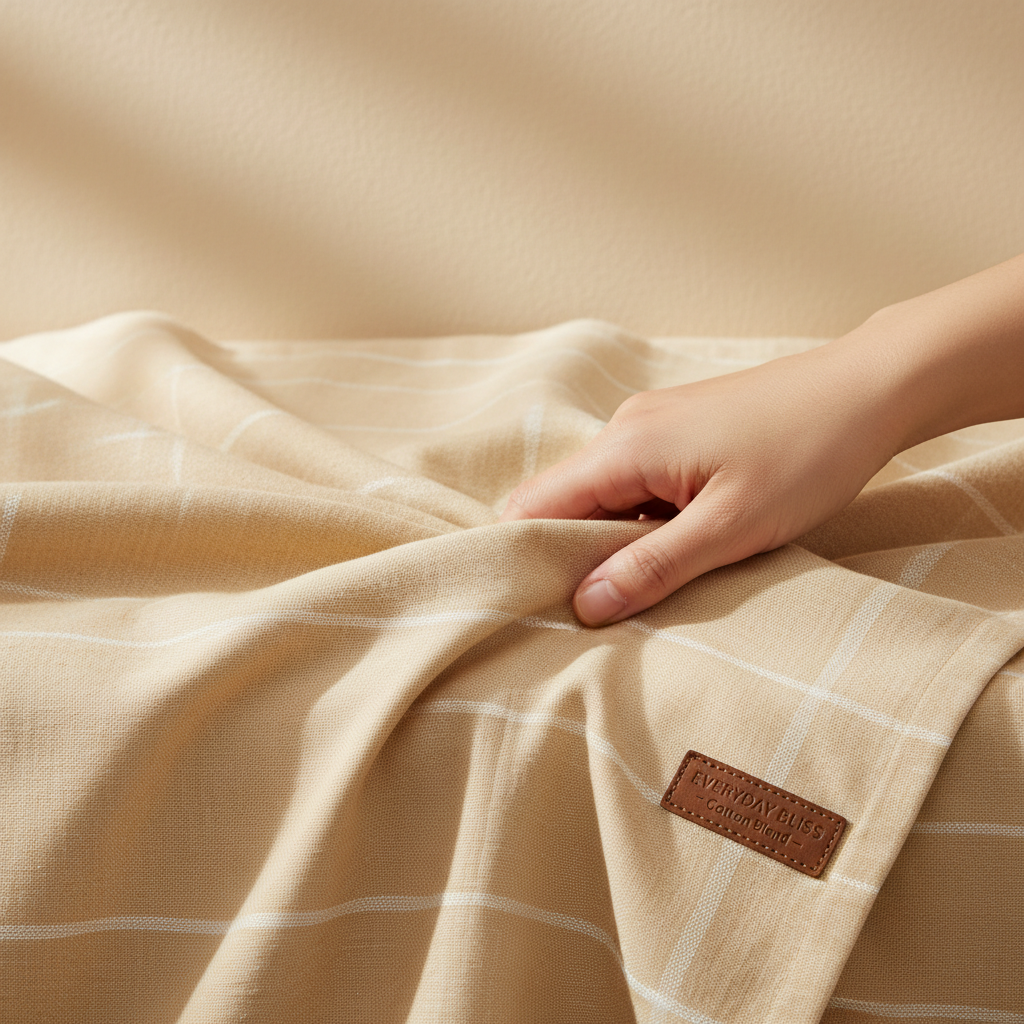
80 cotton 20 polyester fabric represents a versatile blend increasingly prevalent in the textile industry. Combining the comfort and breathability of cotton with the durability and wrinkle-resistance of polyester, this fabric offers a compelling solution for a wide range of applications, from everyday apparel to industrial workwear. Its growing popularity is driven by its balance of cost-effectiveness, performance, and ease of care, making it a favored choice for both manufacturers and consumers globally.
The demand for 80 cotton 20 polyester fabric is expanding alongside the need for textiles that can withstand rigorous use and frequent washing. This blend strikes a sweet spot, offering enhanced longevity compared to 100% cotton while retaining a soft hand feel. This makes it particularly attractive for items like t-shirts, polo shirts, bed linens, and uniforms, where both comfort and durability are paramount.
Understanding the properties and applications of 80 cotton 20 polyester fabric is crucial for anyone involved in the textile supply chain, from designers and manufacturers to retailers and end-users. Its adaptability and cost-efficiency position it as a key player in meeting the evolving needs of the global textile market. 80 cotton 20 polyester fabric is truly a go-to material.
The Composition and Characteristics of 80 Cotton 20 Polyester Fabric
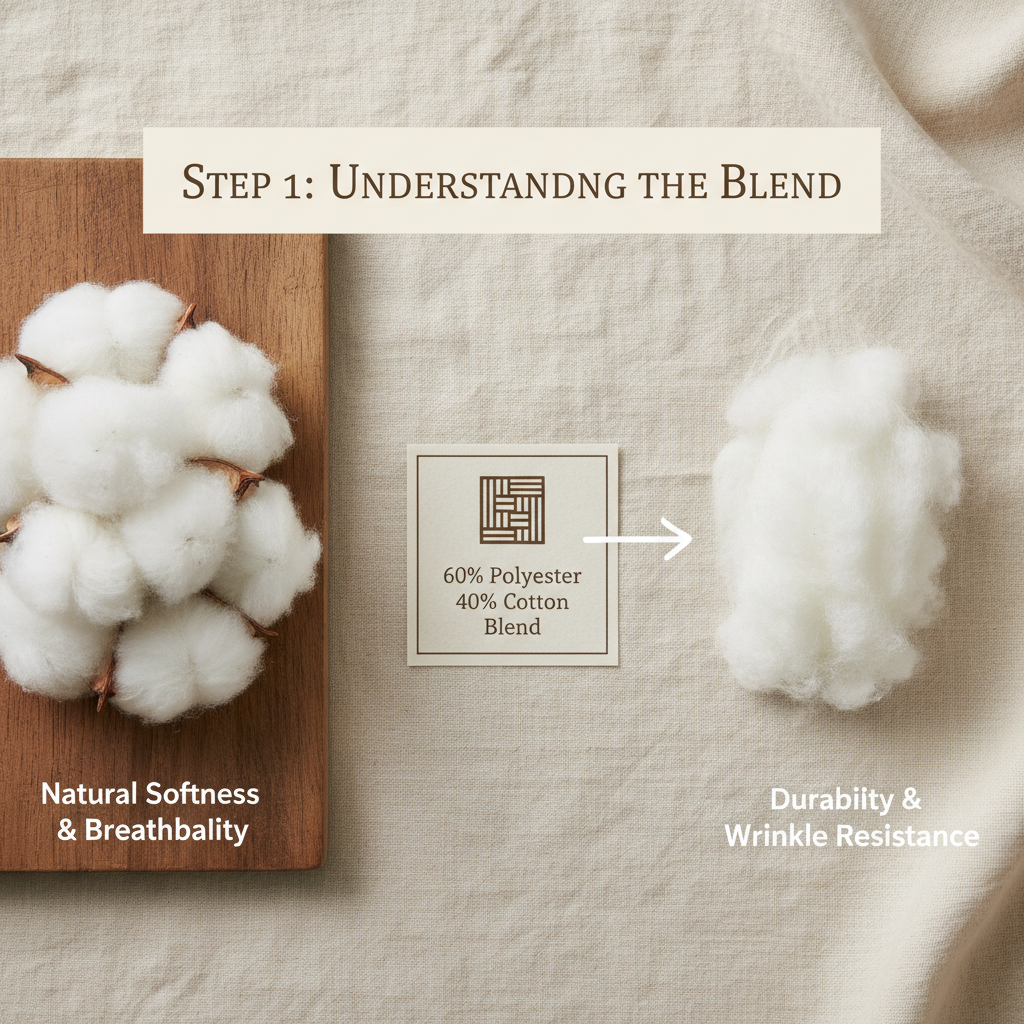
The composition of 80 cotton 20 polyester fabric dictates its unique blend of characteristics. The 80% cotton component provides inherent softness, breathability, and comfort, making it gentle on the skin and ideal for clothing worn directly against the body. It also readily accepts dyes, enabling a wide array of color options.
The 20% polyester fiber introduces enhanced durability, wrinkle resistance, and shape retention. Polyester doesn’t shrink or stretch as easily as cotton, contributing to garments maintaining their form after repeated washing and wearing. This blend also improves the fabric’s resistance to abrasion and tearing, extending the lifespan of the finished product. This makes 80 cotton 20 polyester fabric a durable and versatile choice.
Global Relevance and Market Trends
80 cotton 20 polyester fabric has become a globally significant textile, driven by the demand for affordable, comfortable, and durable clothing. Production is heavily concentrated in countries like China, India, and Bangladesh, where labor costs are relatively low, and textile manufacturing infrastructure is well-established. These nations are major exporters, supplying fabric to retailers and manufacturers worldwide.
According to data from the World Trade Organization (WTO), textile and apparel trade represent a substantial portion of global merchandise trade, and blended fabrics like 80 cotton 20 polyester are a growing segment. Market trends point towards increasing consumer preference for sustainable and ethically sourced textiles, prompting manufacturers to explore innovative methods for producing these blends with reduced environmental impact.
The challenge lies in balancing the affordability of polyester with the growing demand for sustainable materials. The industry is actively exploring recycled polyester options and more eco-friendly dyeing processes to address these concerns and ensure the long-term viability of 80 cotton 20 polyester fabric within the global marketplace.
Defining 80 Cotton 20 Polyester Fabric: A Modern Textile
80 cotton 20 polyester fabric is a textile created by interweaving or blending 80% cotton fibers with 20% polyester fibers. This combination isn't arbitrary; it's a carefully engineered approach to leveraging the strengths of both materials. Cotton provides comfort, breathability, and a natural feel, qualities essential for everyday wear.
This blend has become a cornerstone of modern textile production, finding its place in everything from casual apparel and bedding to workwear and home textiles. Its popularity stems from its ability to offer a compromise between the desirable qualities of natural fibers and the functional benefits of synthetic materials. It meets a crucial need in the industry: creating textiles that are both comfortable and practical.
Understanding the composition of 80 cotton 20 polyester fabric is essential for appreciating its versatility and its role in addressing various needs within the textile industry. It's a testament to how careful material selection can create a product that is greater than the sum of its parts.
Key Properties of 80 Cotton 20 Polyester Fabric
The performance of 80 cotton 20 polyester fabric is dictated by several key properties. Firstly, its Durability is significantly enhanced compared to 100% cotton. The polyester fibers contribute strength and resistance to wear and tear, making it suitable for garments intended for frequent use.
Secondly, Wrinkle Resistance is notably improved. Polyester resists creasing, meaning that garments made from this blend require less ironing and maintain a neater appearance for longer. This is a significant benefit for convenience and practicality.
Comparative Property Ratings of 80 Cotton 20 Polyester Fabric
Applications Across Industries
The versatility of 80 cotton 20 polyester fabric translates into a vast range of applications across diverse industries. In the apparel sector, it’s commonly used for t-shirts, polo shirts, sweatshirts, and activewear, providing a balance of comfort and performance.
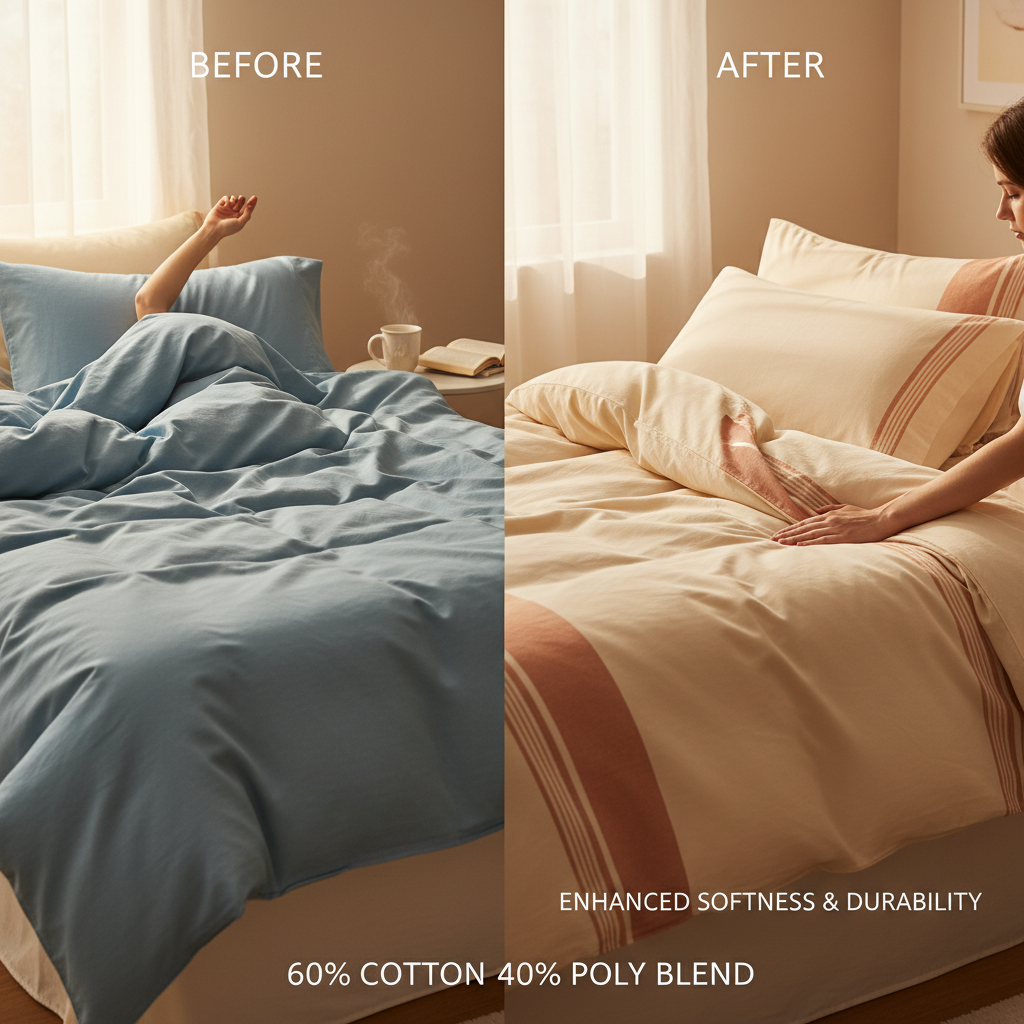
Beyond clothing, 80 cotton 20 polyester fabric is extensively utilized in the home textiles market for bed sheets, pillowcases, and towels. The blend’s durability and resistance to shrinkage make it ideal for these frequently washed items. Furthermore, it finds use in industrial workwear, where its strength and resilience are highly valued.
Advantages and Long-Term Value Proposition
The advantages of choosing 80 cotton 20 polyester fabric are multifaceted. From a cost perspective, it generally offers a more affordable option compared to 100% cotton or other specialized fabrics, without sacrificing significant performance. This makes it attractive to both manufacturers and consumers.
Long-term, the durability of this blend translates to a longer product lifespan, reducing the need for frequent replacements. This contributes to sustainability by minimizing textile waste. Moreover, its ease of care – requiring less ironing and being machine washable – saves consumers time and energy. The enduring comfort and consistent quality build trust and encourage repeat purchases.
Ultimately, 80 cotton 20 polyester fabric represents a smart investment that delivers both immediate value and lasting benefits.
Future Outlook and Sustainability Concerns
The future of 80 cotton 20 polyester fabric is intertwined with the broader trends of sustainability and technological innovation. Research and development efforts are focused on utilizing recycled polyester fibers, reducing the environmental impact associated with virgin polyester production.
The integration of digital printing technologies also holds promise, enabling more efficient and precise dye application, minimizing water usage and chemical waste. Furthermore, advancements in cotton farming practices, such as organic cultivation and water conservation techniques, are contributing to a more sustainable supply chain.
Addressing the microplastic shedding issue associated with polyester fibers remains a key challenge. Innovative filtration systems for washing machines and the development of biodegradable polyester alternatives are being explored to mitigate this concern.
Summary of Key Sustainability Considerations for 80 Cotton 20 Polyester Fabric
| Sustainability Factor |
Current Status |
Potential Improvement Areas |
Impact Level (1-5) |
| Polyester Source |
Primarily virgin polyester |
Increase use of recycled polyester |
5 |
| Cotton Farming Practices |
Conventional cotton is common |
Promote organic and sustainable cotton |
4 |
| Dyeing Processes |
Conventional dyeing can be water-intensive |
Implement waterless dyeing technologies |
4 |
| Microplastic Shedding |
Polyester fibers contribute to microplastic pollution |
Develop biodegradable polyester alternatives |
5 |
| Fabric Waste |
Production can generate fabric scraps |
Implement zero-waste cutting techniques |
3 |
| Transportation Emissions |
Global supply chains can have high carbon footprint |
Optimize logistics and prioritize local sourcing |
3 |
FAQS
80 cotton 20 polyester fabric offers several advantages over 100% cotton, primarily increased durability, reduced wrinkling, and improved shape retention. The polyester component enhances resistance to wear and tear, making it ideal for garments that are frequently washed or used. Additionally, it generally shrinks and stretches less than 100% cotton, maintaining its appearance over time. The blend still retains much of the comfort and breathability of cotton, making it a versatile choice.
Generally, 80 cotton 20 polyester fabric is well-tolerated by most skin types, as the 80% cotton content provides a soft and breathable base. However, individuals with extremely sensitive skin might experience mild irritation from the polyester fibers. Choosing high-quality, tightly woven fabrics and washing them before first use can help minimize potential discomfort. Look for certifications like OEKO-TEX to ensure the fabric is free from harmful substances.
80 cotton 20 polyester fabric exhibits significantly less shrinkage compared to 100% cotton. The addition of polyester fibers stabilizes the fabric structure and reduces its tendency to shrink during washing and drying. However, some minimal shrinkage may still occur, particularly after the first wash. Following care label instructions – typically washing in cold water and tumble drying on low – can further minimize shrinkage.
Yes, 80 cotton 20 polyester fabric offers good breathability and comfort, especially compared to fabrics with a higher polyester content. The 80% cotton component allows air to circulate, helping to keep the wearer cool and dry. While not as breathable as 100% cotton, the blend strikes a balance between comfort and performance, making it suitable for warm weather wear, particularly for active individuals.
80 cotton 20 polyester fabric is relatively easy to dye and print on, though it requires specific techniques to ensure optimal colorfastness. Cotton readily accepts most dyes, while polyester requires disperse dyes. Direct-to-garment (DTG) printing is also possible, though pretreatment may be necessary to improve ink adhesion. The fabric’s ability to hold vibrant colors makes it ideal for a variety of designs and patterns.
The environmental impact of 80 cotton 20 polyester fabric stems primarily from the polyester component, which is derived from petroleum. However, choosing recycled polyester can significantly reduce this impact. Furthermore, opting for sustainably sourced cotton – such as organic cotton or Better Cotton Initiative (BCI) cotton – minimizes the environmental footprint of the cotton portion. Exploring alternative fabrics like Tencel or hemp can offer even more sustainable options, though they may come with different cost and performance characteristics.
Conclusion
In conclusion, 80 cotton 20 polyester fabric represents a compelling solution in the textile industry, offering a balance of comfort, durability, and cost-effectiveness. Its versatility has led to widespread adoption across numerous applications, from apparel and home textiles to industrial workwear. Understanding its properties, benefits, and sustainability considerations is crucial for making informed decisions regarding textile sourcing and product development.
Looking ahead, the future of 80 cotton 20 polyester fabric hinges on embracing innovation and prioritizing sustainability. By leveraging recycled materials, adopting eco-friendly dyeing processes, and promoting responsible sourcing practices, we can minimize its environmental impact and ensure its long-term viability. For more information and to explore our range of high-quality fabrics, visit our website: www.jiexiangtextile.com.