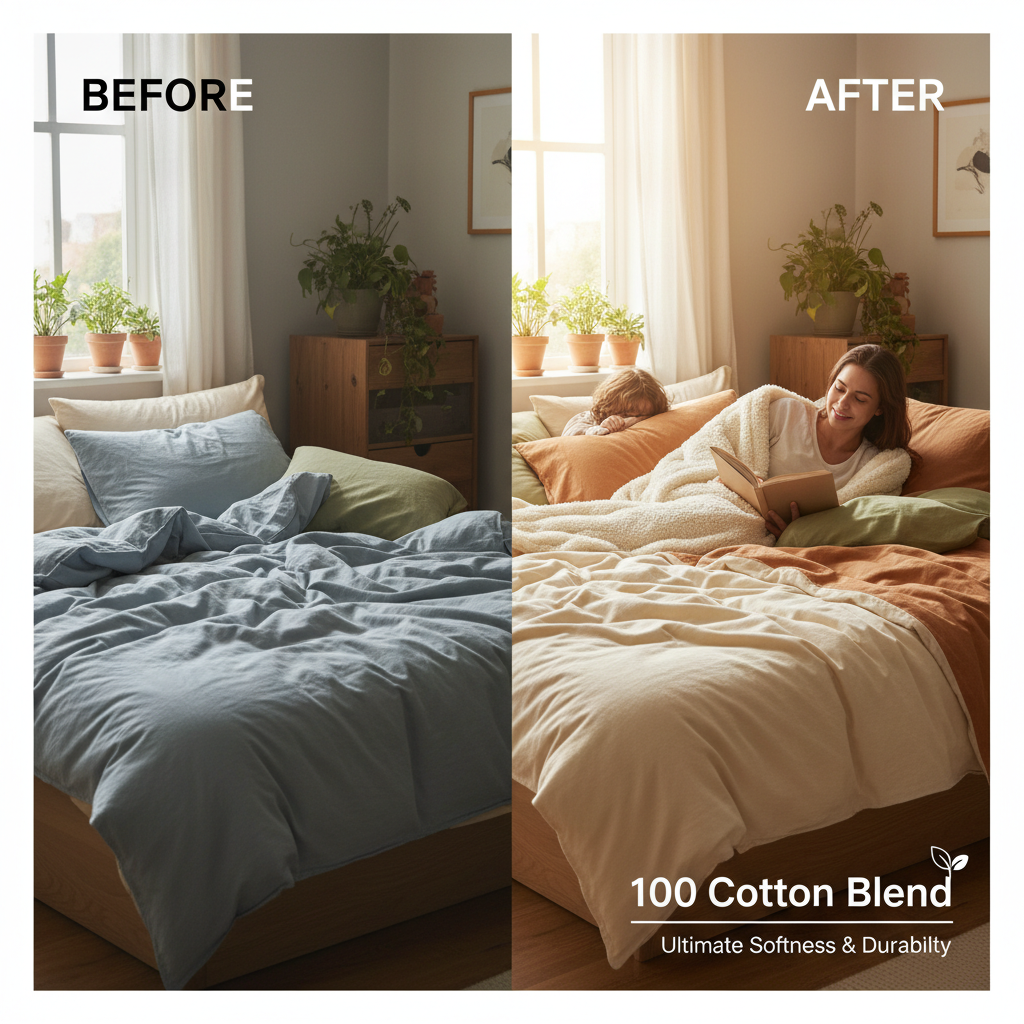
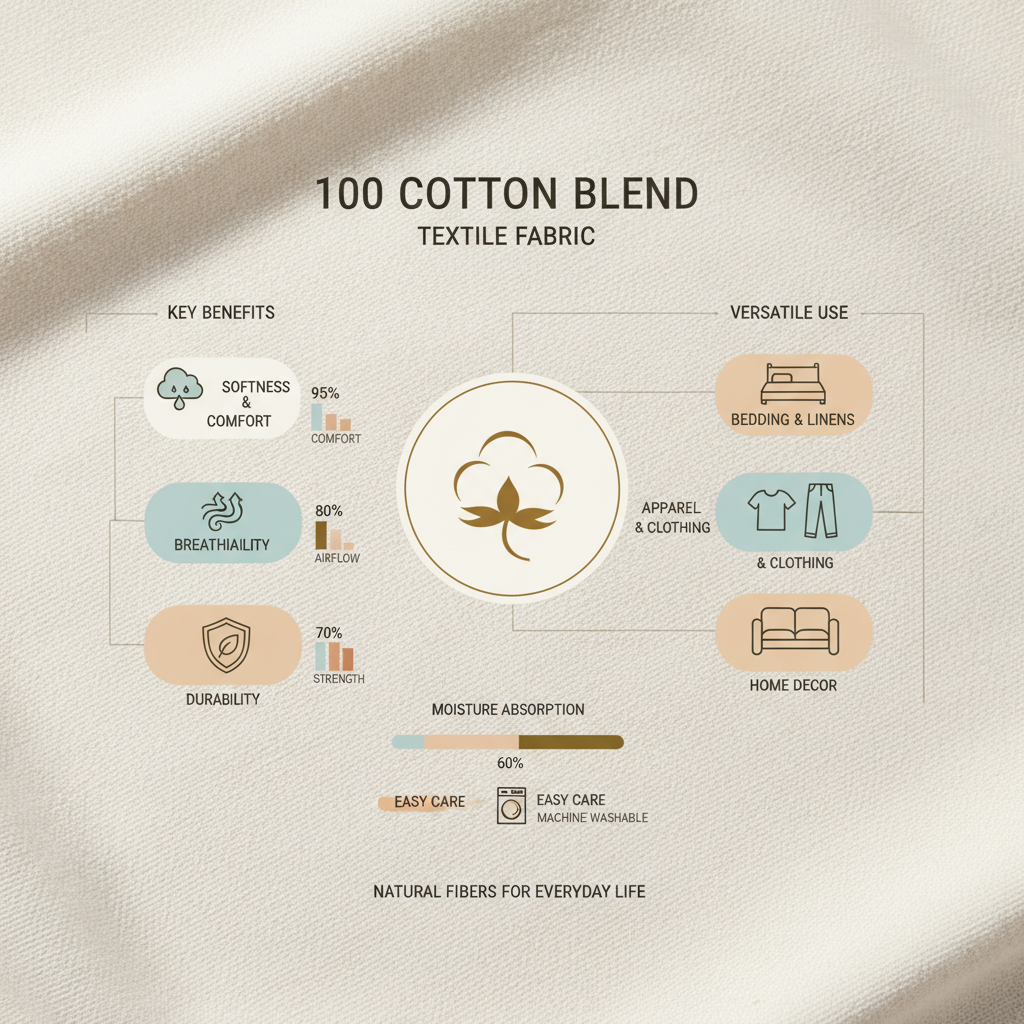
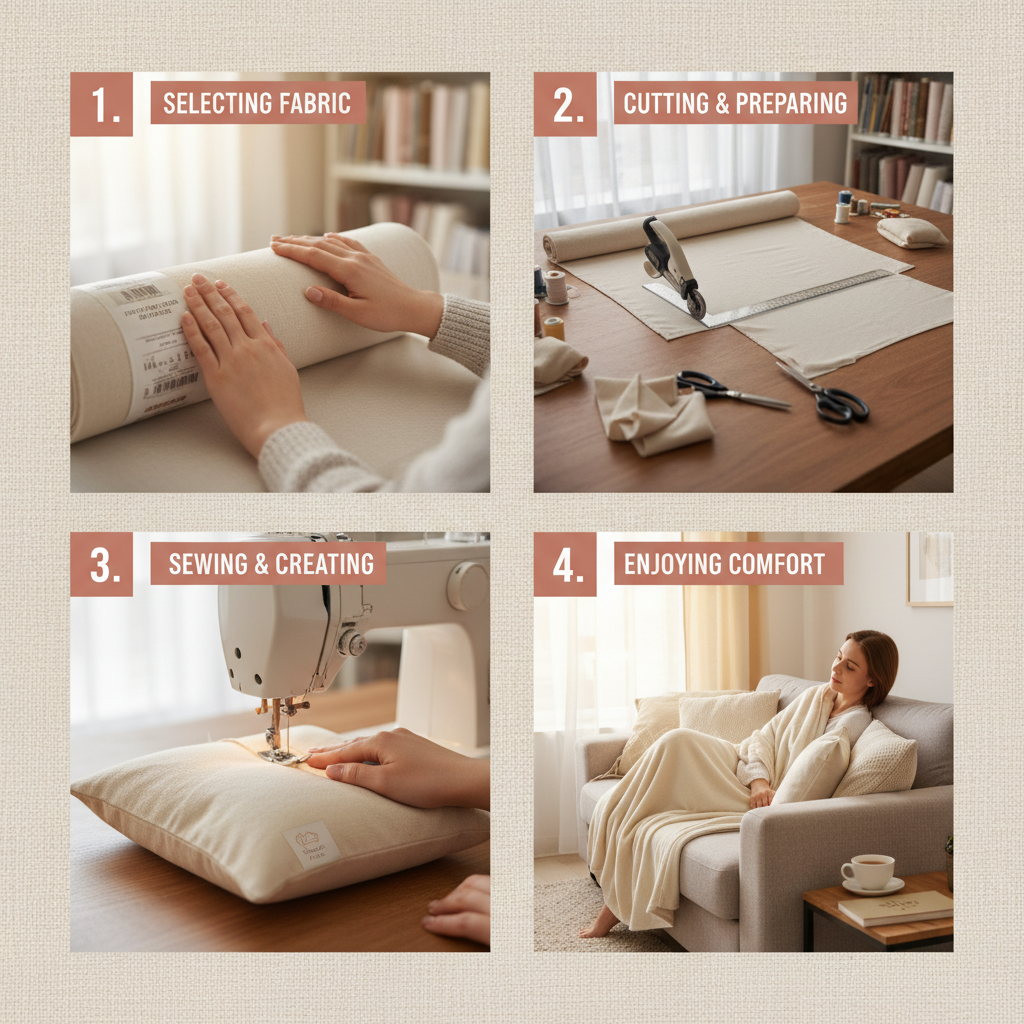
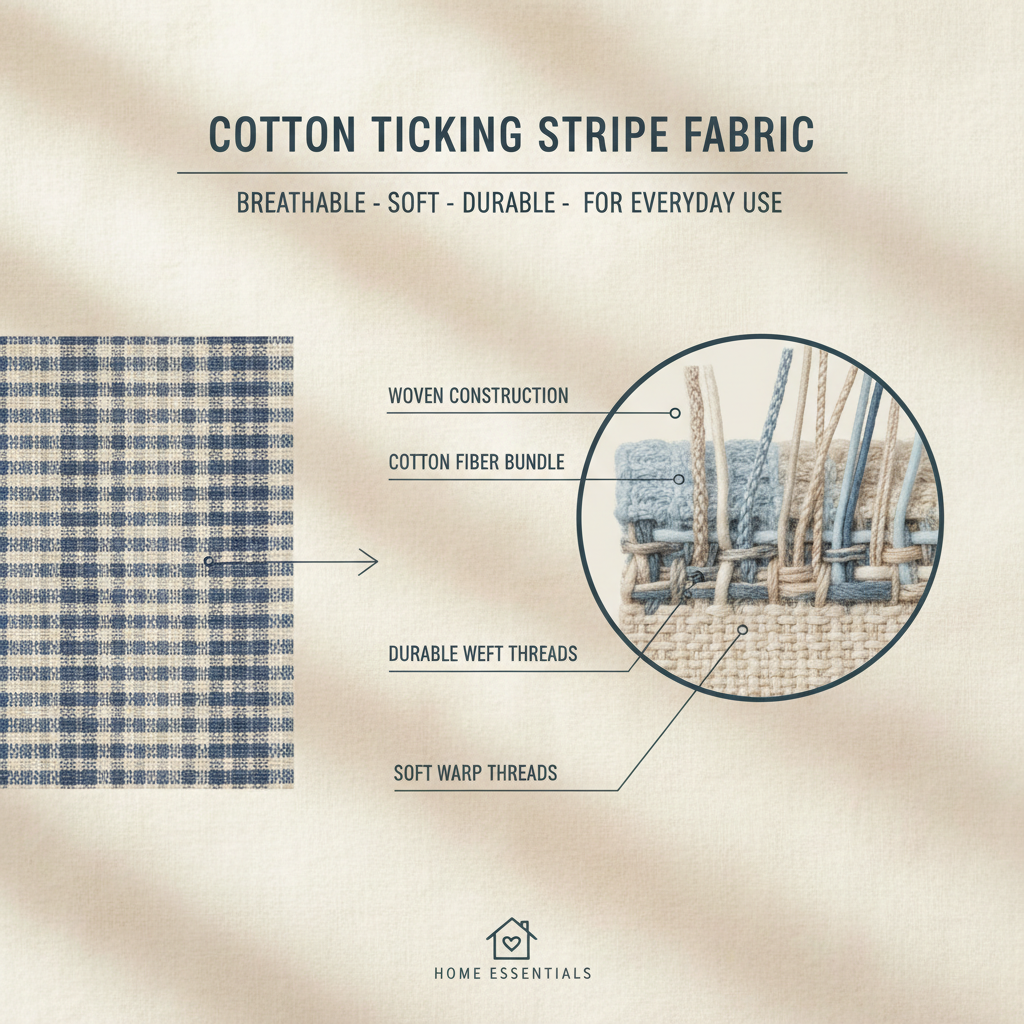
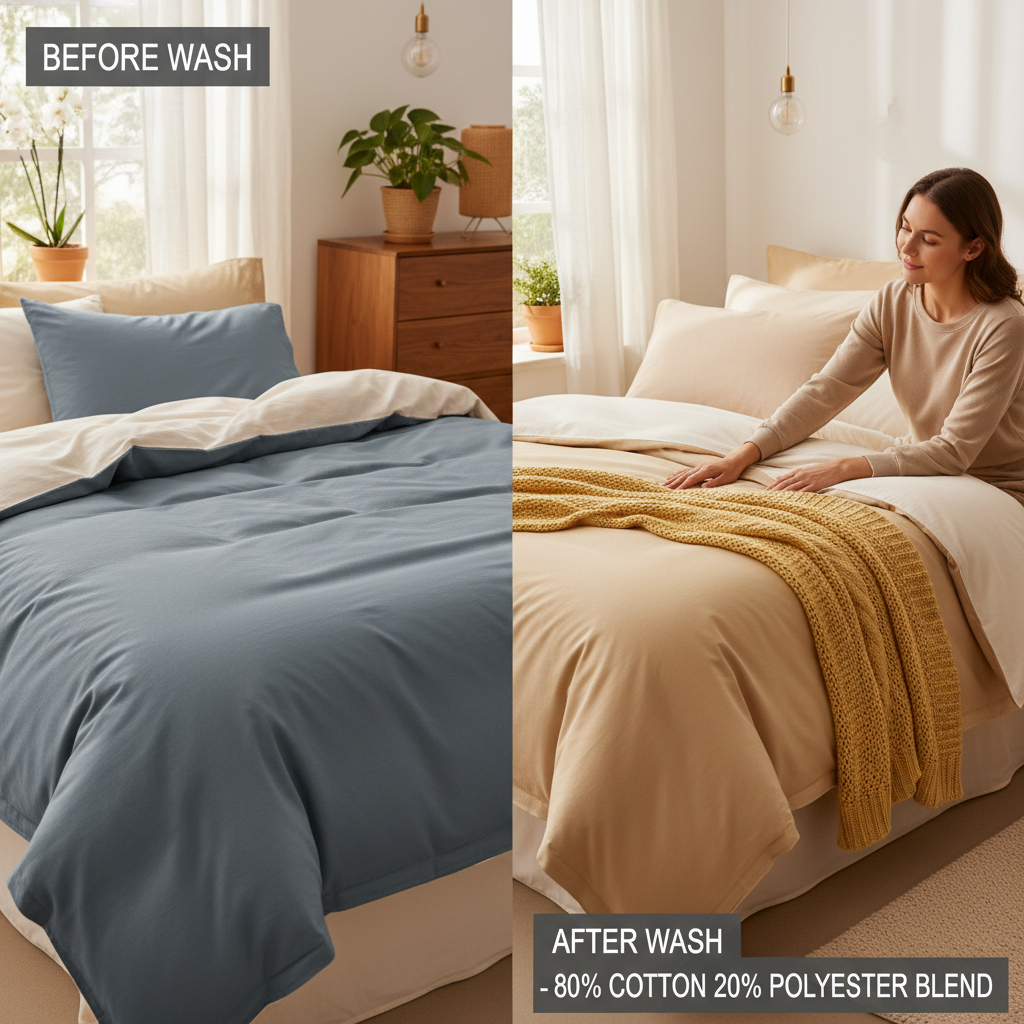
In the evolving landscape of textile manufacturing, the concept of a 100 cotton blend represents a strategic balance between the timeless comfort of natural fibers and the technical resilience of synthetic enhancements. While "100% cotton" is often the gold standard for breathability, modern industry demands have shifted toward blends that maintain that organic feel while solving age-old problems like shrinkage, wrinkling, and excessive wear.
Understanding the nuances of a 100 cotton blend is crucial for designers and procurement officers who must navigate the trade-offs between tactile softness and commercial durability. Globally, as sustainable fashion and high-performance workwear merge, the ability to engineer a fabric that feels like pure cotton but performs like a technical textile has become a competitive necessity in the global market.
By integrating the purity of cotton with optimized blending agents, manufacturers can produce fabrics that cater to a wide array of applications—from high-end shirting to heavy-duty medical fabrics. This guide explores the technical specifications, global applications, and the long-term economic value of adopting high-quality 100 cotton blend solutions in today's manufacturing ecosystem.
Global Industry Context of 100 Cotton Blend
The global textile market has seen a significant surge in the demand for 100 cotton blend materials as brands strive to align with ISO quality standards while reducing operational costs. Data suggests that the integration of synthetic fibers into traditional cotton weaves has reduced fabric waste by nearly 15% due to increased tensile strength and reduced tearing during the manufacturing process.
In regions like Southeast Asia and the EU, the challenge remains to maintain the "natural" appeal of cotton while meeting the rigorous demands of industrial laundering and long-term wear. The 100 cotton blend addresses this by offering a hybridized solution that prevents the rapid degradation typical of pure cellulose fibers when exposed to harsh chemical treatments.
Defining the 100 Cotton Blend Standard
At its core, a 100 cotton blend refers to a textile engineered to mimic the hand-feel and breathability of 100% cotton while incorporating a precise percentage of performance fibers—such as polyester, spandex, or rayon. This technical approach allows the fabric to retain the hypoallergenic properties of cotton while gaining the structural integrity required for commercial applications.
From a humanitarian and industrial perspective, these blends are essential for creating affordable yet durable uniforms and medical textiles. By optimizing the blend ratio, manufacturers can ensure that the fabric remains skin-friendly and absorbent—essential for medical gauze or patient gowns—while ensuring the garment does not lose its shape after multiple high-temperature sterilization cycles.
Modern industry defines this standard not just by the fiber count, but by the resulting performance metrics: moisture wicking, color fastness, and dimensional stability. The 100 cotton blend is therefore less about a "mixture" and more about a "performance enhancement" of the natural fiber.
Core Components of High-Performance Blends
The primary driver of a successful 100 cotton blend is the selection of the blending agent. For instance, adding a small percentage of polyester increases the fabric's resistance to wrinkles, making it ideal for corporate shirting and uniform fabrics where a crisp appearance is mandatory throughout the workday.
Durability and elasticity are further enhanced when 100 cotton blend integrates spandex or elastane. This creates a "4-way stretch" effect, allowing the fabric to move with the wearer, which is a critical requirement for modern medical scrubs and athletic-leisure wear, blending comfort with functional utility.
Finally, cost efficiency and scalability are achieved through the precise calibration of the yarn count and weave density. By utilizing a 100 cotton blend, factories can produce larger batches of fabric with fewer defects, reducing the overall cost per meter without sacrificing the premium feel that end-consumers expect from cotton-based textiles.
Practical Applications and Use Cases
The versatility of the 100 cotton blend allows it to penetrate diverse sectors. In the hospitality industry, for example, high-thread-count blends are used for linens that require the softness of cotton but the durability to withstand industrial laundering. In remote industrial zones, workwear made from these blends provides essential protection against abrasion while remaining breathable in humid climates.
Furthermore, in the medical sector, the 100 cotton blend is used to create surgical drapes and patient apparel. These items must be highly absorbent yet strong enough to avoid tearing during emergency movements, proving that the blend is not just a commercial choice but a safety-critical one.
Performance Comparison of Various 100 Cotton Blend Types
Tangible Advantages and Long-Term Value
The most immediate advantage of opting for a 100 cotton blend is the significant reduction in maintenance costs. For the end-user, this means fewer wrinkles and a longer garment lifespan; for the manufacturer, it means a more stable product that is easier to cut and sew with high precision.
Beyond the logistics, there is a strong emotional value linked to trust and reliability. When a client receives a product that maintains its luster and shape over years of use, it reinforces the brand's commitment to quality. The 100 cotton blend thus serves as a bridge between luxury (the feel of cotton) and utility (the strength of synthetic fibers).
Future Trends in Cotton Blend Innovation
The future of 100 cotton blend is inextricably linked to the "Green Revolution" in textiles. We are seeing a shift toward using recycled polyester (rPET) and organic cotton to create circular blends that reduce the environmental footprint of the industry without compromising on fabric strength.
Digital transformation is also playing a role, with AI-driven weaving machines now capable of adjusting the blend ratio in real-time to create "gradient" fabrics. This means a single piece of 100 cotton blend could be more breathable in some areas and more durable in others, depending on the garment's stress points.
Furthermore, the integration of antimicrobial nano-coatings into the blend is becoming a standard for medical and sportswear. This ensures that the 100 cotton blend not only looks and feels great but actively contributes to the wearer's hygiene and health in high-risk environments.
Overcoming Challenges in Blend Production
One of the primary challenges in producing a high-quality 100 cotton blend is the "dyeing disparity." Because natural cotton and synthetic fibers absorb dyes differently, achieving a perfectly uniform color can be difficult. Expert dyers use specialized disperse dyes and high-pressure vessels to ensure consistent saturation across all fibers.
Another limitation is the tendency for some blends to "pill" over time. This occurs when shorter fibers migrate to the surface and tangle. To solve this, manufacturers are employing "singeing" processes and using long-staple cotton, which ensures that the 100 cotton blend remains smooth and professional-looking even after heavy use.
Finally, balancing the percentage of synthetic fibers to maintain "breathability" remains a fine art. By utilizing a "core-spun" yarn—where the synthetic fiber is the core and the cotton is wrapped around it—manufacturers can maximize the skin-contact area of the cotton while utilizing the strength of the core, perfecting the 100 cotton blend experience.
Technical Analysis of 100 Cotton Blend Performance Dimensions
| Blend Type |
Breathability Score |
Wrinkle Resistance |
Industrial Life Span |
| Poly-Cotton 65/35 |
7/10 |
9/10 |
High |
| Cotton-Spandex 95/5 |
9/10 |
6/10 |
Medium |
| Cotton-Rayon 50/50 |
8/10 |
5/10 |
Medium |
| CVC Blend (Chief Value Cotton) |
8/10 |
8/10 |
High |
| Organic Cotton Blend |
10/10 |
4/10 |
Medium |
| Nylon-Cotton Tech |
6/10 |
10/10 |
Very High |
FAQS
While pure cotton offers maximum breathability, a 100 cotton blend integrates small amounts of synthetic fibers to reduce shrinkage and wrinkles. This makes the blend more suitable for commercial use, such as uniforms or medical wear, where durability and shape retention are just as important as comfort.
Not necessarily. When engineered correctly, the cotton remains the dominant surface fiber, meaning the wearer still feels the natural softness. High-quality blends use "core-spinning" technology to ensure the synthetic support is hidden inside, maintaining the premium hand-feel of pure cotton.
Yes, provided the blend is hypoallergenic. Most 100 cotton blends are designed to maintain the skin-friendly properties of cotton. In medical settings, they are often preferred over pure synthetics because they allow the skin to breathe while resisting the tears and rips common in high-stress environments.
Because of the synthetic component, these blends typically handle washing better than pure cotton. We recommend washing at moderate temperatures to prevent the synthetic fibers from tightening, which helps maintain the fabric's dimensional stability and prevents pilling over time.
Absolutely. By reducing the total amount of petroleum-based synthetics and utilizing natural cotton, these blends have a lower carbon footprint than 100% polyester. The transition toward organic cotton and recycled polyester blends is further enhancing this sustainability.
For corporate uniforms, a CVC (Chief Value Cotton) or a 65/35 Poly-Cotton blend is usually best. This ratio provides the perfect balance: enough cotton for comfort and breathability, and enough polyester to ensure the garment stays crisp and wrinkle-free throughout a long shift.
Conclusion
In summary, the 100 cotton blend is more than just a fabric mixture; it is a sophisticated engineering solution that resolves the inherent weaknesses of natural fibers without sacrificing their greatest strength: comfort. By balancing breathability, durability, and cost-efficiency, these blends empower manufacturers to create products that meet the rigorous demands of the medical, industrial, and corporate sectors.
As we look toward a future defined by sustainable production and smart textiles, the evolution of cotton blends will continue to prioritize eco-friendly materials and precision weaving. For businesses looking to upgrade their textile procurement, investing in high-performance blends is the most reliable way to ensure product longevity and customer satisfaction. Visit our website for professional textile solutions: www.jiexiangtextile.com