In the diverse world of textile manufacturing, 100 cotton calico remains a cornerstone material, prized for its raw purity and unmatched versatility. As a plain-woven fabric, it serves as the essential foundation for everything from high-fashion prototypes to heavy-duty industrial linings, offering a tactile quality that synthetic blends simply cannot replicate.
Understanding the nuances of 100 cotton calico is crucial for designers and procurement managers who prioritize breathability and sustainability. In an era where "fast fashion" is being questioned, this natural fiber provides a reliable, biodegradable alternative that maintains structural integrity while remaining gentle on the skin.
From a global commercial perspective, the demand for high-quality 100 cotton calico continues to grow, driven by the resurgence of artisanal crafts and the need for eco-friendly medical and industrial textiles. By bridging the gap between traditional weaving and modern application, it ensures a timeless standard of utility in the global supply chain.
The Global Significance of 100 Cotton Calico
On a global scale, 100 cotton calico is more than just a fabric; it is a fundamental commodity that supports the creative and industrial sectors. According to textile trade standards, the reliance on pure cotton weaves ensures a level of hypoallergenic safety and moisture absorption that is critical for both medical applications and garment prototyping in major fashion hubs like Milan and New York.
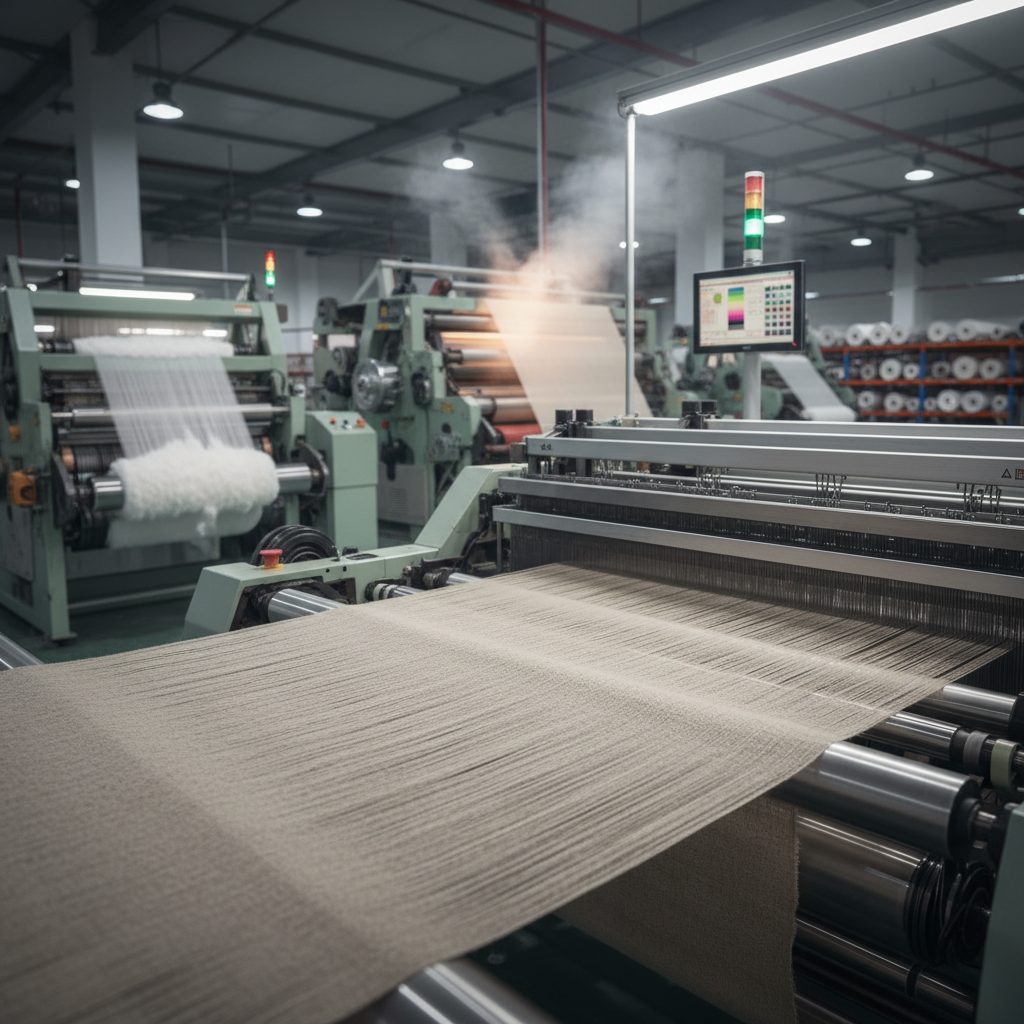
The challenge the industry often faces is maintaining consistent GSM (grams per square meter) while ensuring the fabric remains affordable. By optimizing the spinning and weaving process of 100 cotton calico, manufacturers can provide a canvas that is durable enough for industrial use yet refined enough for artistic expression.
Defining the Technical Essence of Calico
At its core, 100 cotton calico is an unbleached, plain-weave cotton fabric. Unlike finished linens or polished poplins, calico retains a natural, slightly coarse texture that makes it exceptionally receptive to dyes, paints, and prints. This "raw" state is exactly what makes it invaluable for the early stages of garment construction.
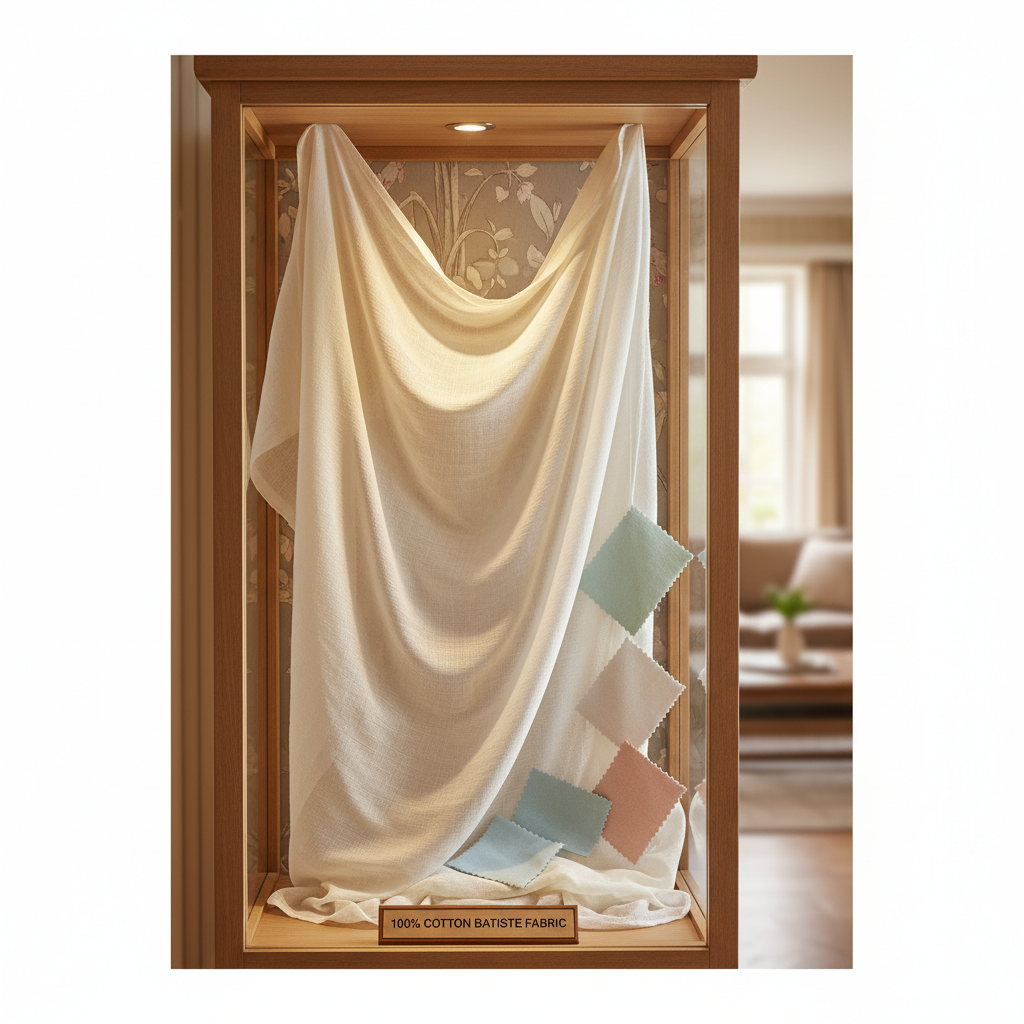
In modern industry, the term often refers to the fabric's ability to be used as a "muslin" for tailoring. When a designer creates a pattern, they use 100 cotton calico to create a mock-up. Because the fabric is stable and doesn't stretch excessively, it allows for precise adjustments to fit and drape before cutting into expensive silks or wools.
Beyond fashion, its connection to humanitarian needs is evident in the production of affordable, breathable clothing and basic medical wraps. The simplicity of 100 cotton calico ensures that it can be produced efficiently in large volumes, providing a cost-effective solution for essential textile needs in developing regions.
Core Components of High-Quality Cotton Fabric
Durability is the first hallmark of premium 100 cotton calico. The strength of the fabric depends on the staple length of the cotton fibers used; longer fibers result in a more cohesive yarn, reducing the likelihood of pilling or tearing under tension during industrial sewing.
Breathability and moisture management are inherent properties of 100 cotton calico. Because the fabric is composed of 100% natural cellulose, it allows air to circulate freely and absorbs moisture away from the surface, making it the gold standard for under-linings and summer-weight prototypes.
Cost efficiency and scalability further define its market position. Because 100 cotton calico bypasses the expensive bleaching and finishing processes of luxury fabrics, it offers a high-performance ratio of cost-to-utility, allowing businesses to scale their production without compromising on material purity.
Practical Applications and Industry Use Cases
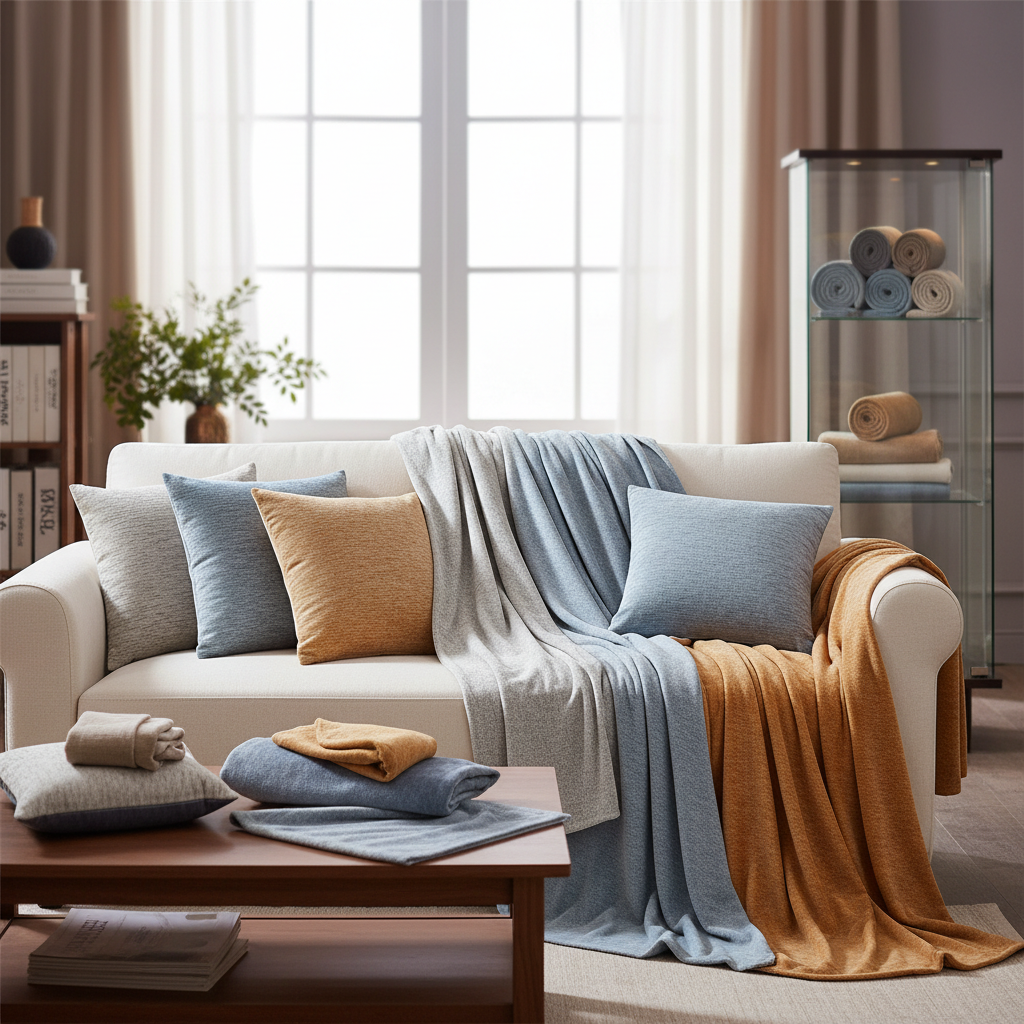
The application of 100 cotton calico spans across multiple continents and industries. In the European fashion houses, it is the primary tool for "toiling," where the structural integrity of a garment is tested. Meanwhile, in the North American home decor market, it is frequently used as a durable backing for upholstery and heavy curtains.
In more specialized contexts, such as post-disaster relief operations, 100 cotton calico is utilized for creating temporary partitions and breathable bedding. Its ability to be easily sterilized and its hypoallergenic nature make it a safe choice for remote industrial zones and medical field hospitals.
Comparative Performance Metrics of Cotton Calico Variants
Long-Term Value and Sustainability Benefits
The long-term value of 100 cotton calico lies in its environmental footprint. As a biodegradable natural fiber, it offers a significant ecological advantage over polyester blends. When disposed of, it breaks down naturally, reducing the amount of microplastics entering our oceans—a critical concern for modern sustainable procurement.
Beyond the logic of ecology, there is an emotional value tied to the trust and reliability of pure cotton. For the end-user, the safety of knowing a fabric is free from harsh synthetic chemicals provides peace of mind, especially in medical and infant-wear applications. This intersection of safety and sustainability ensures that 100 cotton calico remains a preferred choice for conscious brands.
Future Trends in Natural Fiber Innovation
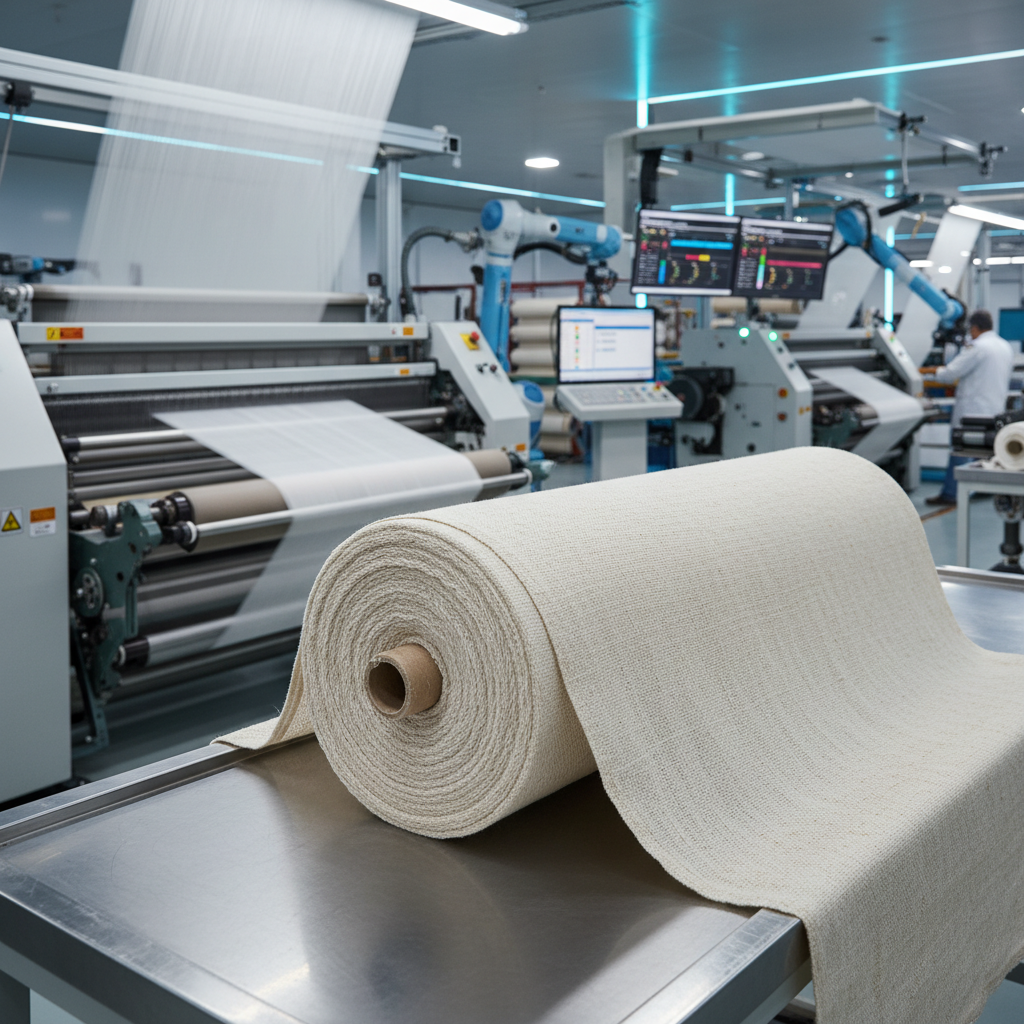
The future of 100 cotton calico is being shaped by the digital transformation of the textile mill. Automation in weaving is allowing for tighter tolerances in thread count, resulting in a more consistent fabric that reduces waste during the cutting process. This lean manufacturing approach is essential for maintaining competitiveness in a global market.
We are also seeing a shift toward "Green Chemistry," where the processing of 100 cotton calico involves closed-loop water systems and organic dyes. These innovations ensure that the production of raw cotton fabrics does not come at the cost of local water tables or soil health.
Furthermore, the integration of smart-tracking (such as blockchain) allows buyers to trace their 100 cotton calico back to the specific farm where the cotton was grown. This transparency is becoming a non-negotiable requirement for luxury brands aiming to prove their ethical sourcing claims to an increasingly skeptical consumer base.
Overcoming Common Textile Manufacturing Challenges
One of the primary challenges in producing 100 cotton calico is the inherent variability of natural cotton crops. Fluctuations in weather can affect fiber length and strength, leading to inconsistencies in the fabric's weave. To solve this, expert manufacturers implement rigorous blending processes, mixing cotton from different regions to achieve a standardized baseline.
Another limitation is the tendency of raw cotton to shrink during the first wash. To overcome this without using harsh chemicals, innovative "pre-shrinking" or sanforization techniques are applied. This ensures that when a designer uses 100 cotton calico for a prototype, the final dimensions remain accurate after processing.
Finally, the risk of contamination during the weaving process is mitigated through advanced air-filtration systems and strict quality control checkpoints. By treating the production of 100 cotton calico with the same precision as high-end medical textiles, manufacturers can eliminate defects and ensure a seamless finish.
Comparative Analysis of 100 Cotton Calico Production Standards
| Material Grade |
Thread Density |
Tensile Strength |
Eco-Certification |
| Premium Calico |
High (Fine) |
9/10 |
GOTS Certified |
| Standard Calico |
Medium |
7/10 |
OEKO-TEX Standard |
| Industrial Calico |
Coarse (Heavy) |
10/10 |
ISO 9001 |
| Organic Calico |
Medium-High |
8/10 |
USDA Organic |
| Economy Calico |
Low (Light) |
6/10 |
Basic Trade Std |
| Medical Calico |
High (Tightly Woven) |
8/10 |
FDA Compliant |
FAQS
While often used interchangeably, calico is typically a coarser, heavier plain-weave fabric, whereas muslin is generally finer and more lightweight. Calico is more suited for structural mock-ups and industrial linings, while muslin is preferred for delicate draping and high-end tailoring prototypes.
Yes, though it is primarily used as a base or prototype fabric. Because it is 100% cotton, it is breathable and hypoallergenic, making it excellent for linings, home crafts, or basic apparel. However, for finished high-fashion garments, it is usually dyed or treated first to improve the hand-feel.
As a natural fiber, raw calico is prone to shrinkage. To prevent this, we recommend pre-washing the fabric or purchasing sanforized (pre-shrunk) calico. This ensures that the measurements of your project remain consistent after the first laundry cycle.
Absolutely. Due to its plain weave and absorbent nature, it is one of the most popular fabrics for canvas preparation. Many artists use it as a priming layer or a direct surface for acrylics and mixed media because of its stability and cost-effectiveness.
Yes, it is highly sustainable. Being made from 100% plant-based fibers, it is fully biodegradable. When sourced from organic farms and processed with closed-loop systems, it has a significantly lower environmental impact compared to synthetic polyester fabrics.
The best way to source bulk calico is through certified textile manufacturers who offer transparent supply chains. Ensure the supplier provides specifications on GSM and fiber origin to guarantee consistency across shipments, especially for large industrial orders.
Conclusion
Throughout this exploration, we have seen that 100 cotton calico is far more than a simple raw fabric; it is a versatile tool that empowers designers, supports industrial efficiency, and promotes environmental sustainability. From its technical role in garment prototyping to its critical use in humanitarian aid, the inherent properties of pure cotton—breathability, durability, and biodegradability—ensure its lasting relevance in a rapidly evolving textile landscape.
As the industry moves toward a greener future, the continued adoption of natural fibers like 100 cotton calico will be pivotal in reducing the global fashion footprint. We encourage businesses and designers to prioritize purity and traceability in their material sourcing to build a more sustainable and ethical supply chain. Visit our website for premium textile solutions: www.jiexiangtextile.com