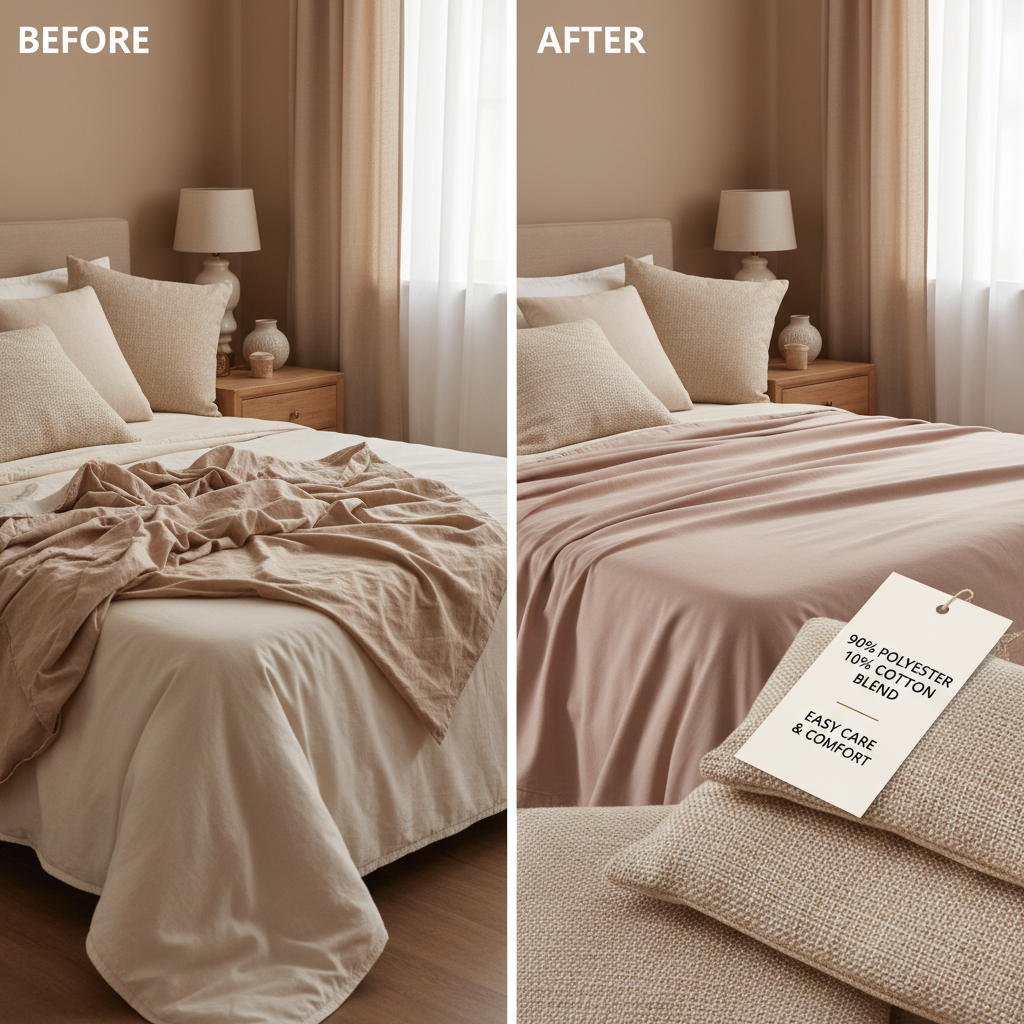
The textile industry has long sought the perfect equilibrium between the rugged durability of synthetic fibers and the breathable comfort of natural ones. Among the most successful blends, 90 polyester 10 cotton stands out as a high-performance solution designed for environments where resilience is non-negotiable but wearer comfort still matters. By leveraging a dominant polyester matrix with a precise touch of cotton, this fabric addresses the critical need for low-maintenance, long-lasting materials in commercial and industrial sectors.
From a global perspective, the adoption of 90 polyester 10 cotton reflects a shift toward "functional longevity." In an era where fast fashion is being scrutinized for its environmental impact, materials that resist wear, tear, and frequent washing without losing their structural integrity provide a more sustainable lifecycle for uniforms and workwear. This blend minimizes the frequency of replacement, thereby reducing textile waste on a systemic level.
Understanding the technical nuances of this blend allows procurement managers and designers to optimize their product lines for specific stressors. Whether it is the moisture-wicking capabilities required for medical scrubs or the abrasion resistance needed for industrial uniforms, the 90/10 ratio provides a strategic advantage. This guide explores how this specific composition enhances performance across various global industries and why it remains a gold standard in technical textile manufacturing.
The Technical Composition of 90 Polyester 10 Cotton
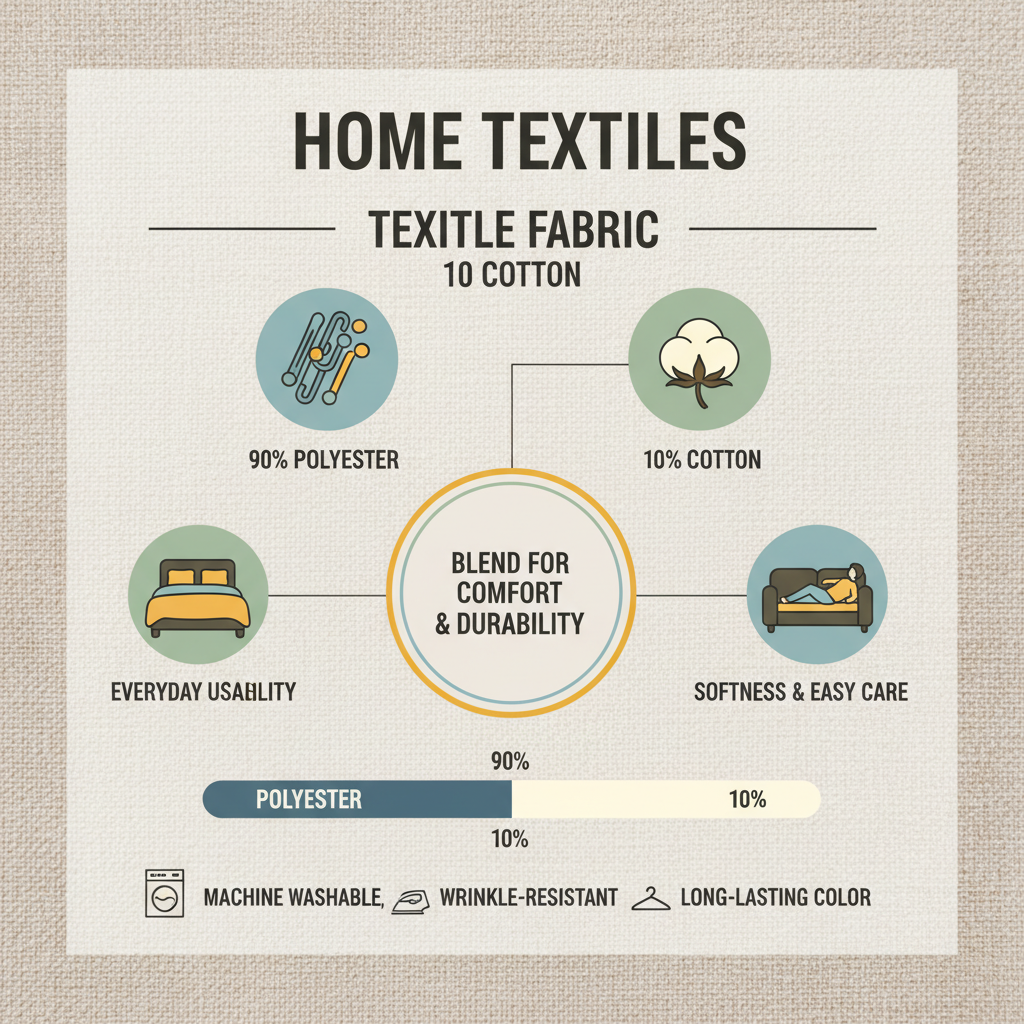
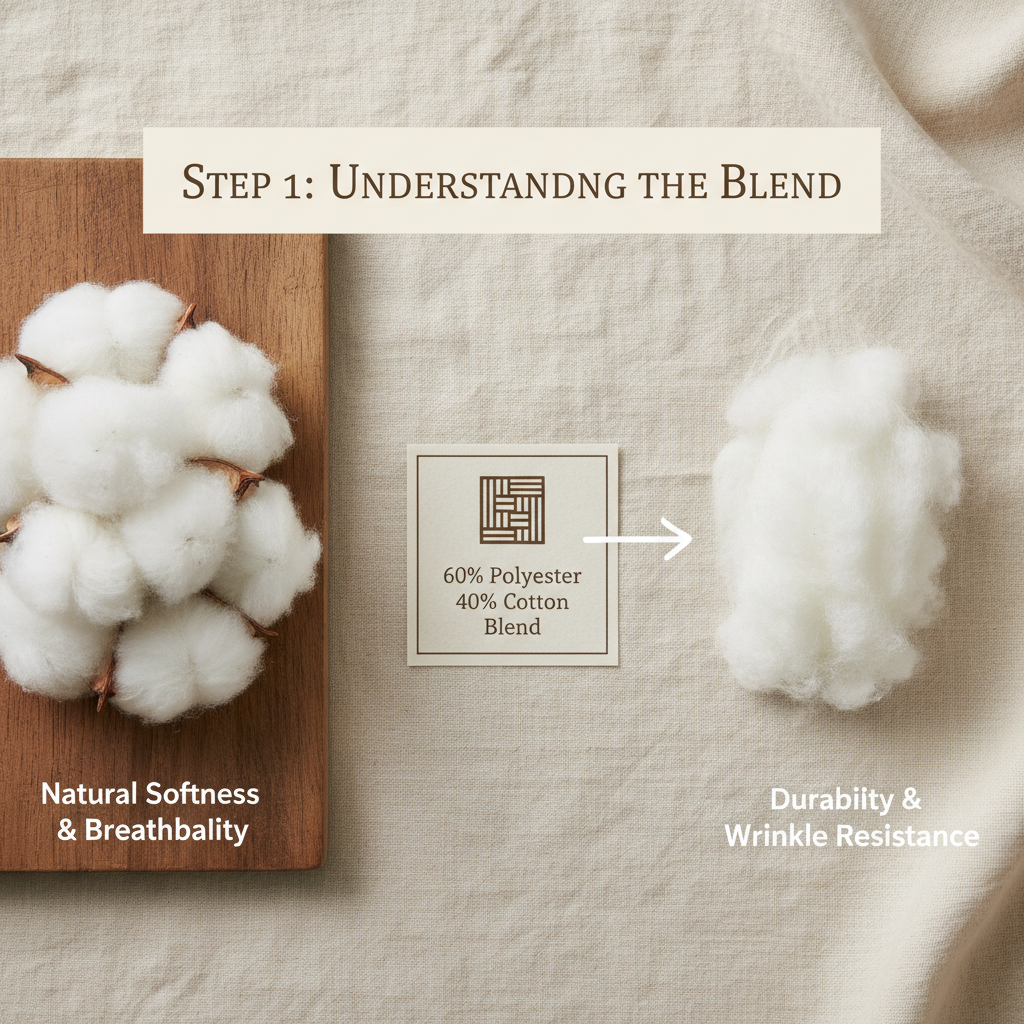
At its core, 90 polyester 10 cotton is an engineered blend where the synthetic strength of polyethylene terephthalate (PET) is tempered by the organic softness of cotton. The 90% polyester component provides the structural skeleton, ensuring that the fabric remains wrinkle-resistant, shrink-proof, and highly durable under mechanical stress. This high synthetic ratio is specifically chosen to optimize the fabric's ability to withstand industrial laundering and repetitive friction.
The remaining 10% cotton is not merely additive; it serves a critical physiological purpose. By introducing natural cellulose fibers, the fabric gains a degree of breathability and a softer hand-feel that pure polyester lacks. This prevents the "plastic" sensation against the skin, making the material viable for long-shift uniforms where skin irritation can lead to decreased productivity and discomfort for the wearer.
Global Market Demand for High-Polyester Blends
The global demand for 90 polyester 10 cotton has surged as industries move toward leaner operational models. According to textile trade statistics and ISO standards for workwear, there is an increasing preference for fabrics that offer "zero-iron" maintenance. In fast-paced industrial hubs across Southeast Asia and Europe, the need for garments that maintain a professional appearance without extensive pressing has made this specific blend a primary choice for corporate and technical uniforms.
One of the primary challenges this material addresses is the volatility of raw cotton prices and the environmental cost of water-intensive cotton farming. By shifting the ratio toward 90% polyester, manufacturers can provide a more price-stable product while maintaining a tactile quality that satisfies the end-user. This economic efficiency allows large-scale organizations to outfit thousands of employees with high-quality gear without exceeding budgetary constraints.
Furthermore, the rise of the medical and hospitality sectors has created a vacuum for fabrics that can be sterilized at high temperatures without degrading. Pure cotton often shrinks or fades under rigorous chemical disinfection, whereas 90 polyester 10 cotton maintains its dimensional stability. This reliability makes it indispensable for medical gowns and hotel linens that face constant turnover and heavy-duty cleaning cycles.
Core Performance Benefits of the 90/10 Blend
When analyzing the performance of 90 polyester 10 cotton, the most immediate benefit is its exceptional tensile strength. The polyester filaments are woven to resist tearing and pilling, ensuring that the fabric does not develop "fuzz" even after months of abrasive contact. This makes it ideal for pocketing fabrics and heavy-duty uniform trousers.
Beyond strength, the moisture management of 90 polyester 10 cotton is highly optimized. The polyester pushes moisture away from the skin, while the cotton fibers help in absorbing a small amount of sweat, preventing the fabric from feeling clammy. This synergy is essential for personnel working in humid industrial zones or high-pressure medical environments.
Finally, the color retention of this blend is superior to traditional poly-cotton mixes. Because polyester accepts disperse dyes with great tenacity, 90 polyester 10 cotton remains vibrant even after dozens of industrial wash cycles. This ensures that brand colors remain consistent across a workforce, maintaining a professional corporate image over the long term.
Comparative Analysis of Fabric Durability
To truly appreciate the value of 90 polyester 10 cotton, one must compare it to other common blends like 65/35 or 100% cotton. While a 65% polyester blend offers more breathability, it is significantly more prone to wrinkling and shrinkage. In contrast, the 90/10 ratio maximizes the "shape memory" of the garment, ensuring it looks as crisp at the end of a twelve-hour shift as it did at the beginning.
The durability is not just about the fibers, but how they interact under stress. The high polyester content creates a tighter, more stable weave that prevents the fabric from sagging or stretching out of shape. This dimensional stability is why 90 polyester 10 cotton is often preferred for structured garments like blazers, formal trousers, and medical scrubs.
Performance Rating of 90 Polyester 10 Cotton vs Other Blends
Industrial Applications and Real-World Use Cases
The versatility of 90 polyester 10 cotton allows it to penetrate multiple high-stakes industries. In the healthcare sector, it is the primary material for scrubs and lab coats. These garments must endure caustic chemicals and frequent high-temperature laundering; the 90% polyester ensures the fabric doesn't shrink or thin out, while the 10% cotton ensures the medical staff remains comfortable during long shifts.
In the industrial and logistics sectors, 90 polyester 10 cotton is used for cargo pants and heavy-duty shirts. For workers in remote industrial zones or warehouses, garments are subjected to constant abrasion against hard surfaces. The high synthetic density of this blend acts as a shield, significantly extending the time between garment replacements compared to standard cotton-rich fabrics.
Sustainability and Maintenance Efficiency
From a sustainability standpoint, 90 polyester 10 cotton promotes a "slow fashion" approach within the professional sphere. Because the material is inherently resistant to the most common causes of garment failure—such as pilling, stretching, and fading—the overall consumption of raw materials is reduced. A uniform made from this blend can often last twice as long as one made from a higher cotton percentage.
Maintenance efficiency is another critical value driver. The low-maintenance nature of 90 polyester 10 cotton means that less energy is spent on ironing and pressing. For large organizations managing thousands of uniforms, this translates to a significant reduction in electricity costs and labor hours. The fabric's quick-drying properties also mean shorter laundry cycles and faster turnaround times.
Moreover, the industry is moving toward incorporating recycled polyester (rPET) into this blend. By utilizing recycled plastic bottles to create the 90% polyester component, manufacturers can maintain the technical excellence of the fabric while drastically reducing the carbon footprint associated with virgin polyester production. This evolution ensures that 90 polyester 10 cotton remains relevant in a green economy.
Future Innovations in Synthetic-Natural Blends
The future of 90 polyester 10 cotton lies in the integration of smart textiles and advanced finishing treatments. We are seeing the emergence of antimicrobial coatings and hydrophobic nanostructures applied specifically to this blend. These innovations allow the fabric to repel liquids—such as oil or blood—while maintaining the internal comfort provided by the cotton fibers.
Digital transformation in weaving is also optimizing the way the 10% cotton is distributed within the polyester matrix. New "core-spun" technologies allow the cotton to be wrapped around a polyester core, maximizing the softness on the skin's surface while keeping the structural strength on the exterior. This ensures that 90 polyester 10 cotton continues to evolve toward a more "human-centric" technical fabric.
As automation in garment manufacturing increases, the predictability of 90 polyester 10 cotton becomes its greatest asset. Its consistent shrinkage rates and stability make it perfect for AI-driven precision cutting and automated sewing, reducing waste and ensuring a perfect fit for a diverse global workforce.
Comparison of 90 Polyester 10 Cotton Across Different Industrial Standards
| Application Sector |
Primary Requirement |
Performance Score (1-10) |
Maintenance Level |
| Medical Scrubs |
Sterilization Resistance |
9.5 |
Very Low |
| Industrial Workwear |
Abrasion Resistance |
9.0 |
Low |
| Corporate Uniforms |
Wrinkle Resistance |
10.0 |
Minimal |
| Hospitality Linens |
Wash Cycle Longevity |
8.5 |
Low |
| Pocketing Fabric |
Tear Strength |
9.0 |
Minimal |
| Protective Vests |
Dimensional Stability |
8.0 |
Low |
FAQS
The 90/10 blend is significantly more resistant to wrinkling and shrinking than the 65/35 blend. While 65/35 offers more breathability, the 90% polyester content in 90 polyester 10 cotton ensures that the garment retains its shape and professional look even after heavy industrial use and frequent washing, making it superior for high-intensity work environments.
Yes, thanks to the 10% cotton integration. While pure polyester can feel stifling, the cotton fibers in 90 polyester 10 cotton provide a critical point of absorption and air permeability. When woven correctly, it offers a balanced climate control that prevents overheating while utilizing polyester's natural moisture-wicking abilities.
It performs exceptionally well. 90 polyester 10 cotton is engineered for high-temperature washes and aggressive drying cycles. Unlike cotton-heavy fabrics, it does not suffer from significant shrinkage or fabric thinning, which extends the overall lifecycle of the garment and reduces replacement costs for companies.
Absolutely. Because of its "zero-iron" characteristics and high color fastness, it is ideal for corporate attire. It maintains a sharp, crisp silhouette throughout the day, ensuring that employees look professional without the need for constant maintenance, which is a key requirement for modern corporate branding.
In terms of resource consumption, yes. Cotton farming requires vast amounts of water and pesticides. By reducing the cotton content to 10%, 90 polyester 10 cotton lowers the water footprint per garment. Additionally, its extreme durability means fewer garments end up in landfills, contributing to a more sustainable textile ecosystem.
No, it is highly resistant to pilling. The high-tenacity polyester fibers are designed to lock the cotton fibers in place, preventing the surface abrasion that typically leads to the formation of small fabric balls. This keeps the fabric surface smooth and professional-looking for a much longer period.
Conclusion
In summary, 90 polyester 10 cotton represents the pinnacle of functional textile engineering for the modern industrial age. By strategically balancing the unrivaled durability, color retention, and wrinkle resistance of polyester with the essential comfort and breathability of cotton, this blend solves the age-old conflict between performance and wearer satisfaction. From medical scrubs to heavy-duty industrial workwear, its ability to withstand rigorous environments while remaining low-maintenance makes it an economically and operationally superior choice for any organization.
Looking forward, the integration of recycled polymers and smart-finishing technologies will only enhance the value proposition of this fabric. For procurement officers and designers, investing in 90 polyester 10 cotton is not just a choice of material, but a commitment to longevity, sustainability, and professional excellence. We invite you to explore our full range of high-performance fabrics and find the perfect fit for your specific industrial needs. Visit our website: www.jiexiangtextile.com