When it comes to high-density textiles designed for resilience and longevity, cotton ticking stripe fabric stands as a timeless industry standard. Originally engineered to encase mattresses and pillows to prevent feathers or stuffing from escaping, this specialized weave combines an exceptionally tight thread count with a distinctive aesthetic. In today's global market, its utility has expanded far beyond the bedroom, finding its way into heavy-duty upholstery and sustainable home fashion.
Understanding the nuances of this fabric is essential for designers and procurement managers who prioritize durability without sacrificing the breathability of natural fibers. The balance between its structural rigidity and soft cotton touch makes it a unique asset in the textile world, offering a level of tear resistance that few other 100% cotton materials can match. As consumer demand shifts toward "slow fashion" and long-lasting home goods, the relevance of this robust material has seen a significant resurgence.
By exploring the technical specifications and multifaceted applications of cotton ticking stripe fabric, stakeholders can make informed decisions that optimize cost-efficiency and product lifespan. Whether it is being used in medical-grade bedding or high-end rustic interior design, the core benefits—strength, hypoallergenic properties, and classic style—remain consistent, ensuring its place in the modern manufacturing landscape.
Global Industry Context of Cotton Ticking Stripe Fabric
On a global scale, the demand for specialized cotton textiles is driven by the intersection of healthcare standards and the home furnishing industry. Data from international trade monitors suggest a steady growth in the "technical cotton" sector, where cotton ticking stripe fabric plays a pivotal role. As ISO standards for bedding and upholstery become more stringent regarding durability and skin safety, manufacturers are returning to high-density cotton weaves that provide a natural barrier against dust mites and allergens.
However, the industry faces a challenge in balancing the high cost of long-staple cotton with the need for competitive pricing. Many regions are struggling to source raw materials that meet the precise tensile strength required for authentic ticking, leading to a market gap where inferior blends are often passed off as pure cotton. This discrepancy highlights the need for certified manufacturing processes that ensure the fabric can withstand thousands of stress cycles without tearing.
Definition and Technical Meaning
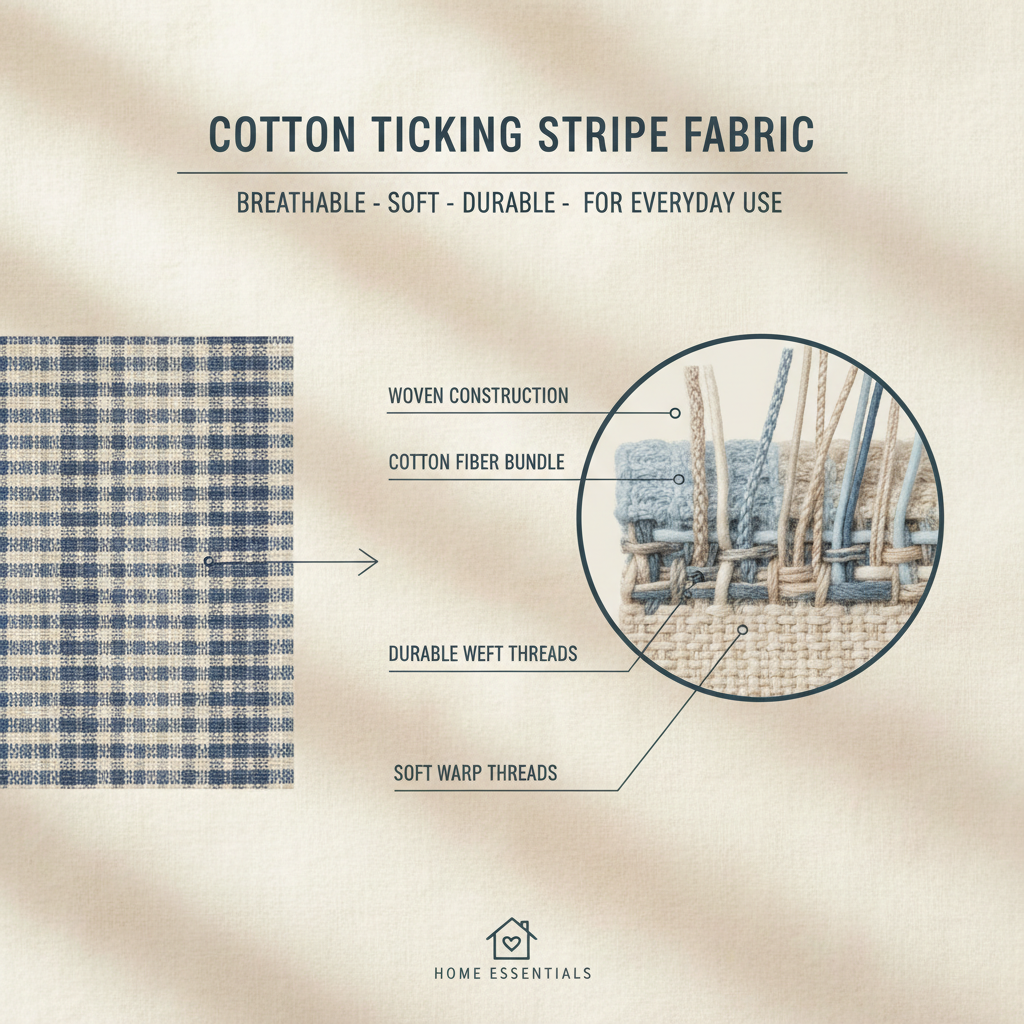
In simple technical terms, cotton ticking stripe fabric is a heavy-duty, tightly woven cotton cloth characterized by its high thread count and a pattern of thin, colored stripes. The "ticking" refers to the tight weave, which is specifically designed to be "leak-proof" for fillings like down or wool, while the "stripe" historically served as a quality marker or a way to identify different grades of fabric in textile mills.
Modern industry has redefined this material not just as a utility cloth, but as a high-performance natural textile. By utilizing advanced loom technologies, the fabric now achieves a consistency in weave density that prevents the migration of particles, making it indispensable for humanitarian needs, such as creating durable bedding for refugees or medical-grade covers in temporary clinics where hygiene and durability are paramount.
The connection to modern needs lies in the push for biocompatibility. Unlike synthetic barriers, cotton ticking allows for air permeability, ensuring that while the fabric is strong enough to hold weight and resist punctures, it remains breathable for the human skin. This unique duality makes it a preferred choice for eco-conscious brands looking to replace PVC or polyester linings with a sustainable alternative.
Core Components of Fabric Performance
The primary pillar of cotton ticking stripe fabric is its exceptional Tensile Strength. Because it is woven with a high density of warp and weft threads, it resists stretching and tearing under pressure, which is critical for applications where the fabric must contain high-compression materials like memory foam or natural latex.
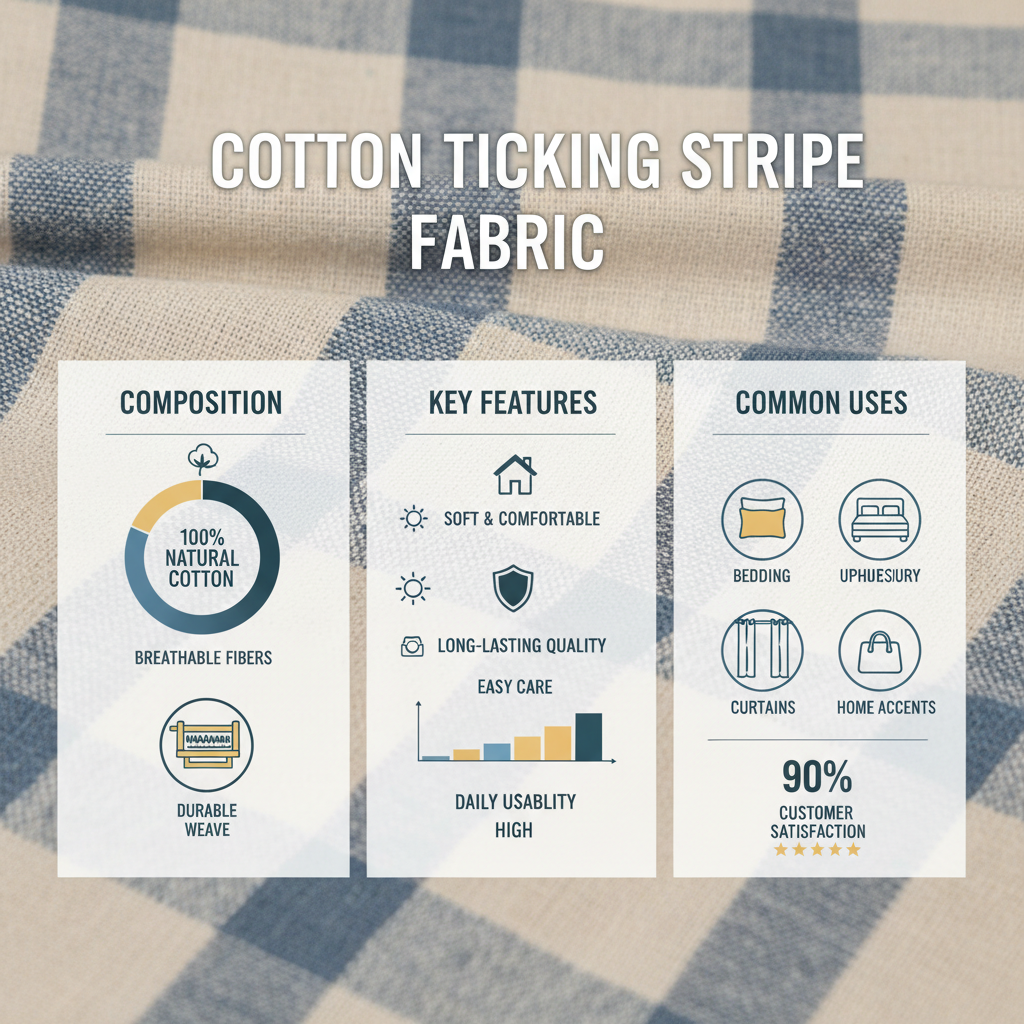
Another critical component is Hypoallergenic Breathability. Since it is crafted from 100% natural cotton, the fabric does not irritate the skin and allows moisture vapor to escape. This makes it an ideal choice for medical environments and nursery products where air circulation is necessary to prevent overheating while maintaining a sterile barrier.
Finally, Aesthetic Scalability allows this fabric to transition from industrial use to high-end décor. The classic stripe pattern provides a timeless, "farmhouse" or "vintage" look that appeals to modern interior design trends, proving that industrial-grade durability can coexist with commercial visual appeal.
Global Applications and Use Cases
The application of cotton ticking stripe fabric is diverse, spanning multiple continents and industries. In North America and Europe, it is widely used in the luxury organic mattress market, where consumers demand chemical-free barriers for their bedding. In Asia, particularly in textile hubs, it is increasingly used for heavy-duty apparel and workwear accessories that require a reinforced cotton structure.
Beyond commercial use, the fabric is vital in humanitarian sectors. In post-disaster relief operations, where temporary shelters must be equipped with durable, washable, and breathable bedding, cotton ticking provides a dignified and long-lasting solution. Its ability to be sterilized at high temperatures makes it far superior to synthetic alternatives in remote industrial zones or field hospitals.
Performance Metrics of Various Cotton Ticking Stripe Fabric Types
Tangible Advantages and Long-Term Value
The long-term value of investing in high-quality cotton ticking stripe fabric lies in its exceptional lifecycle. Unlike thinner cottons that fray or synthetic fabrics that pill and degrade under UV exposure, ticking maintains its structural integrity over years of use. This reduces the frequency of replacement, leading to significant cost savings for hospitality businesses and healthcare facilities.
From an emotional and psychological perspective, the use of natural cotton evokes a sense of trust and safety. In an era of "plastic anxiety," providing products encased in natural, breathable ticking offers consumers peace of mind and a sense of dignity. The reliability of the fabric—knowing it won't rip under pressure—builds brand loyalty and trust between the manufacturer and the end-user.
Future Trends and Material Innovations
The future of cotton ticking stripe fabric is being shaped by the digital transformation of the textile industry. Automation in weaving is allowing for "smart densities," where the fabric can be engineered to have varying levels of tightness in different zones of a single piece of cloth, optimizing both comfort and strength.
Sustainability is the primary driver of innovation. We are seeing the rise of organic cotton ticking processed with closed-loop water systems and natural, non-toxic dyes for the stripes. This move toward "green chemistry" ensures that the fabric is not only biodegradable at the end of its life but also safe for the environment during its production phase.
Furthermore, the integration of nano-coatings is an emerging trend. By applying an invisible, eco-friendly hydrophobic layer to the cotton ticking, manufacturers can create fabrics that are water-resistant yet remain 100% breathable. This innovation expands the use of ticking into outdoor furniture and high-moisture industrial environments without sacrificing the natural feel of cotton.
Common Challenges and Expert Solutions
One of the most common challenges with cotton ticking stripe fabric is the tendency for pure cotton to shrink during high-temperature laundering. This can lead to fitment issues in pre-made mattress covers. To overcome this, experts recommend "Sanforization"—a mechanical shrinking process that stabilizes the fabric before it ever reaches the cutting table.
Another limitation is the inherent vulnerability of natural fibers to mold if left in damp conditions. The solution lies in the application of antimicrobial finishes that are Oeko-Tex certified. These treatments prevent fungal growth without altering the hypoallergenic nature of the cotton, ensuring the fabric remains safe for sensitive skin.
Lastly, sourcing consistent long-staple cotton can be volatile due to climate change. Manufacturers are now diversifying their supply chains, blending high-grade Egyptian or Pima cotton with sustainable recycled cotton to maintain strength while reducing the ecological footprint. This strategic sourcing ensures a stable supply of premium ticking regardless of seasonal fluctuations.
Comparative Analysis of Cotton Ticking Stripe Fabric Specifications
|
Fabric Grade
|
Thread Density
|
Breathability Score (1-10)
|
Primary Application
|
| Standard Industrial |
High |
7 |
Mattress Encasements |
| Premium Organic |
Very High |
9 |
Luxury Eco-Bedding |
| Medical Grade |
Ultra High |
6 |
Hospital Grade Covers |
| Home Decor Grade |
Medium-High |
8 |
Upholstery & Cushions |
| Lightweight Ticking |
Medium |
10 |
Pillow Ticking |
| Heavy-Duty Blend |
Ultra High |
5 |
Industrial Protection |
FAQS
The primary difference lies in the weave density and purpose. While regular sheets are designed for softness and drape, cotton ticking stripe fabric is engineered for containment and durability. It has a much tighter weave that prevents fillings like feathers or foam from poking through, making it significantly more resistant to tears and punctures than standard bedding fabrics.
Yes, absolutely. Because of its exceptionally tight weave, it acts as a natural physical barrier against dust mites and other allergens. When made from 100% organic cotton, it avoids the chemical irritants found in synthetic barriers, making it one of the safest choices for hypoallergenic bedding and medical environments.
To preserve the tensile strength of cotton ticking stripe fabric, it is recommended to wash it in warm (not boiling) water and avoid over-drying in a machine. Using a mild, pH-neutral detergent prevents the cotton fibers from becoming brittle. For industrial use, ensuring the fabric was pre-shrunk (Sanforized) will prevent structural warping during maintenance.
While traditionally used for bedding, its durability makes it excellent for "workwear chic" clothing, reinforced bags, and heavy-duty aprons. However, because it is stiffer than typical apparel fabric, it is best suited for structured garments rather than flowing dresses or shirts.
In high-quality manufacturing, the stripes are integrated into the weave or dyed using methods that do not compromise the fiber integrity. Therefore, the aesthetic stripe does not weaken the fabric. In fact, historically, the stripes were used to signify the density of the weave, acting as a hallmark of strength.
To import certified cotton ticking, ensure the supplier provides GOTS (Global Organic Textile Standard) or Oeko-Tex certifications. Working with experienced textile exporters who understand the specific customs requirements for "technical cottons" is key to ensuring a smooth logistics process and guaranteed material purity.
Conclusion
In summary, cotton ticking stripe fabric represents a perfect marriage of industrial utility and natural comfort. From its roots as a functional mattress encasement to its current role in luxury organic bedding and sustainable design, this fabric continues to provide unmatched durability, hypoallergenic properties, and a timeless aesthetic. By understanding the importance of weave density and the benefits of Sanforization, manufacturers and designers can leverage this material to create products that truly stand the test of time.
Looking forward, the evolution of this textile will likely be defined by "green" innovations and smart manufacturing. As the world moves away from synthetic plastics, the reliance on high-performance natural textiles like cotton ticking will only increase. We encourage procurement officers and designers to prioritize certified organic sources to enhance both the environmental footprint and the end-user experience. For premium quality and expert guidance on sourcing the right weave for your project, visit our website: www.jiexiangtextile.com