Polyester cotton fabric is a widely used textile blend offering a balance of desirable properties from both polyester and cotton fibers. Globally, it’s a cornerstone of the apparel industry, accounting for a significant portion of clothing production and textile consumption. Its versatility, affordability, and relative ease of care have propelled it to prominence in diverse markets, from fast fashion to durable workwear. Understanding the characteristics and applications of polyester cotton fabric is essential for anyone involved in textiles, fashion, manufacturing, or sourcing.
The demand for polyester cotton fabric is closely linked to global economic trends and population growth. Developing nations, with increasing consumer spending power, represent key growth areas for textile consumption. As sustainability concerns rise, innovation in polyester production – particularly recycled polyester – and cotton farming practices are crucial for maintaining the fabric's relevance. The textile industry, and polyester cotton fabric within it, faces challenges related to waste management, water usage, and ethical labor practices.
Polyester cotton fabric bridges the gap between natural comfort and synthetic durability, offering a solution to the limitations of using purely natural or synthetic materials. This blend plays a vital role in providing accessible and functional clothing and textiles to a broad range of consumers, supporting global trade and employment opportunities within the textile sector.
Introduction to Polyester Cotton Fabric
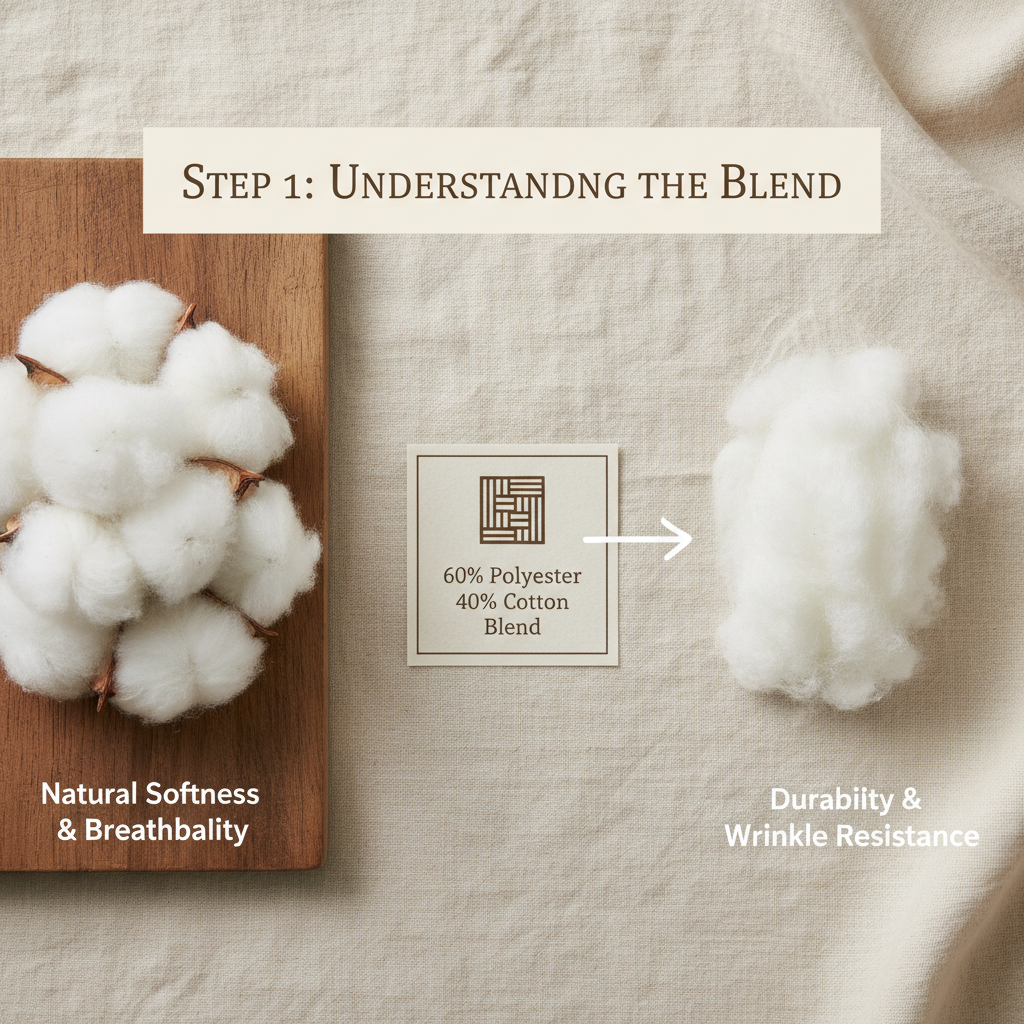
Polyester cotton fabric’s widespread adoption stems from its ability to combine the best attributes of each fiber. Polyester provides durability, wrinkle resistance, and cost-effectiveness, while cotton contributes softness, breathability, and comfort. This blend makes it an ideal choice for a vast range of applications, influencing global fashion trends and consumer preferences.
The textile industry continuously seeks to optimize the polyester cotton blend, adjusting the fiber ratio to achieve specific performance characteristics. For example, a higher cotton content might prioritize comfort, while a higher polyester content emphasizes durability and ease of care. Innovations in both polyester and cotton production further enhance the properties of this ubiquitous fabric.
Defining Polyester Cotton Fabric
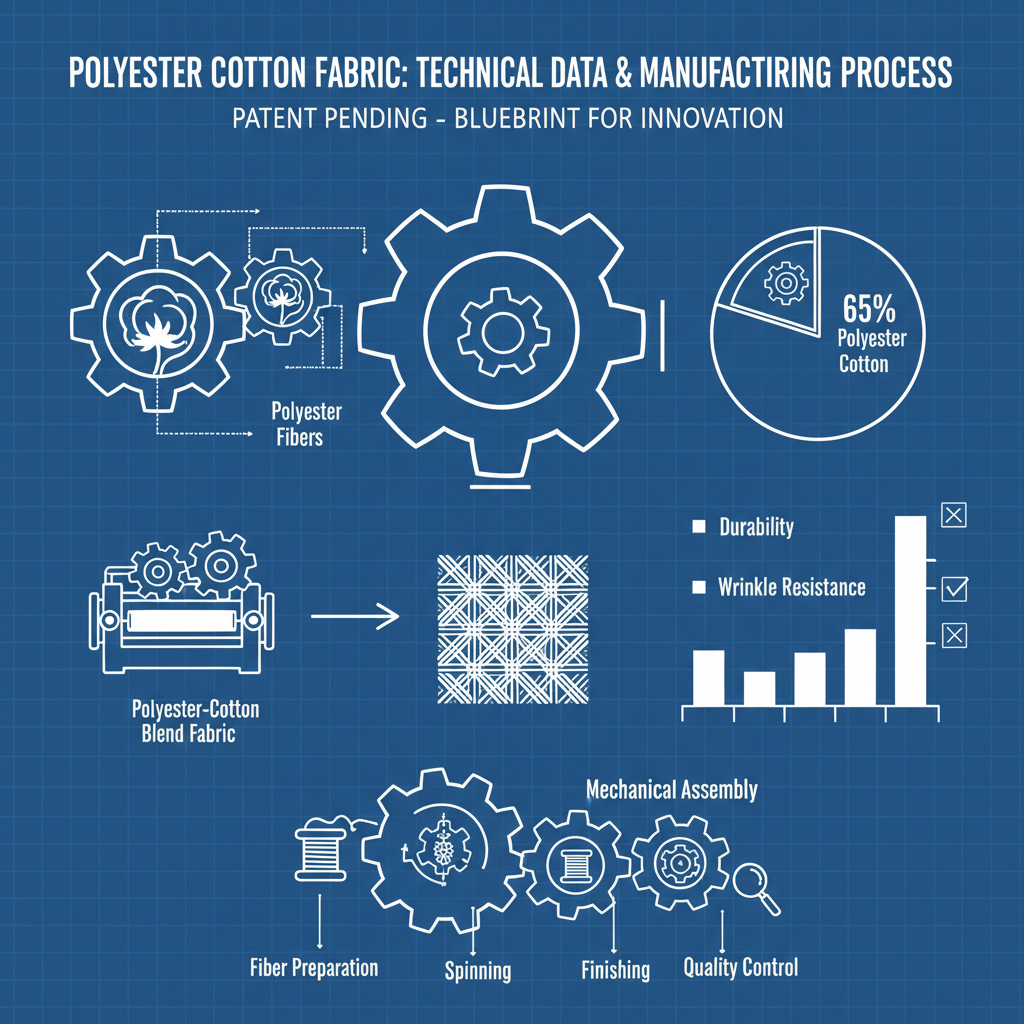
Polyester cotton fabric is a generic term for textiles made from polyester and cotton fibers, typically blended together during the manufacturing process. The ratio of polyester to cotton can vary significantly – common blends include 65/35 (65% polyester, 35% cotton), 50/50, and 80/20 – influencing the fabric’s final characteristics. This blending process combines the strength and resilience of polyester with the natural softness and absorbency of cotton.
The creation of polyester cotton fabric is deeply intertwined with the modernization of the textile industry. As synthetic fibers like polyester became commercially viable in the mid-20th century, blending them with natural fibers offered a cost-effective way to enhance fabric performance. This innovation responded to a growing demand for more durable, easier-to-care-for textiles.
This fabric isn’t merely a product of industrial progress; it addresses fundamental human needs. It provides affordable and comfortable clothing options for people globally, contributing to improved standards of living and access to essential goods. polyester cotton fabric is a foundational material in many countries.
Key Characteristics of Polyester Cotton Fabric
Durability: Polyester fibers impart exceptional strength and resistance to wear and tear, making polyester cotton fabrics highly durable. This resilience ensures longevity, reducing the frequency of replacements and minimizing textile waste.
Wrinkle Resistance: Polyester’s inherent properties contribute significantly to wrinkle resistance. Fabrics containing polyester require less ironing, saving time and energy for consumers. This characteristic makes polyester cotton ideal for travel clothing and everyday wear.
Breathability: While polyester isn't naturally breathable, the inclusion of cotton enhances the fabric’s air permeability. This allows for better moisture wicking and provides a more comfortable wearing experience, particularly in warmer climates.
Affordability: Polyester is generally less expensive than natural fibers like cotton, making polyester cotton blends a cost-effective option for both manufacturers and consumers.
Ease of Care: Polyester cotton fabrics are typically machine washable and dryable, simplifying garment care and reducing the need for specialized cleaning.
Color Retention: Polyester fibers exhibit excellent colorfastness, meaning they retain their vibrancy even after repeated washing and exposure to sunlight.
Global Applications and Diverse Use Cases
Polyester cotton fabric finds applications across a vast spectrum of industries. In the apparel sector, it’s used extensively for clothing items like t-shirts, shirts, dresses, pants, and workwear. Its durability and affordability make it popular for school uniforms and children’s clothing. The fabric is also a staple in the home textile industry, utilized for bedsheets, towels, and curtains.
Globally, the textile industry relies heavily on polyester cotton. Major manufacturing hubs in Asia, such as China, India, and Bangladesh, process and export large volumes of polyester cotton fabrics to meet global demand. Western nations also utilize significant amounts for retail and industrial purposes.
In post-disaster relief operations, polyester cotton fabric is often used for providing emergency clothing and shelter materials due to its durability and affordability. In remote industrial zones, its robust nature makes it ideal for workwear that can withstand harsh conditions. The fabric’s adaptability ensures its relevance across a multitude of scenarios and geographical locations.
Performance Comparison of Different Polyester Cotton Blends
Advantages and Long-Term Value Proposition
The advantages of polyester cotton fabric extend beyond mere practicality. Cost-effectiveness is a primary driver of its popularity, making quality clothing accessible to a wider range of consumers. Its durability translates to longer-lasting products, reducing the environmental impact associated with frequent replacements. This contributes to a more sustainable consumption model.
From a social impact perspective, polyester cotton fabric supports employment opportunities throughout the textile supply chain, from cotton farming to garment manufacturing. Reliable supply chains, driven by the versatility of this fabric, contribute to economic stability in developing regions. The inherent safety and comfort it offers enhance consumer well-being and promote trust in textile products.
Future Trends and Innovations in Polyester Cotton
The future of polyester cotton fabric lies in sustainable innovations. Recycled polyester, derived from plastic bottles and other waste materials, is gaining prominence as an eco-friendly alternative to virgin polyester. Advancements in cotton farming practices, such as organic cotton production and water conservation techniques, further enhance the sustainability profile of the blend.
Digital printing technologies are transforming the way patterns and designs are applied to polyester cotton fabrics, reducing water consumption and minimizing waste compared to traditional dyeing methods. Automation and artificial intelligence are optimizing manufacturing processes, increasing efficiency and reducing production costs. These innovations promise a more responsible and efficient textile industry.
Challenges and Sustainable Solutions
Despite its benefits, polyester cotton fabric faces challenges related to microplastic pollution. Washing polyester-containing garments releases microscopic plastic fibers into waterways, posing a threat to marine ecosystems. Developing technologies to capture these microplastics during the washing process is a crucial area of research.
Another challenge is the dependence on non-renewable resources for polyester production. Investing in bio-based polyester alternatives, derived from renewable sources like corn or sugarcane, can reduce the reliance on fossil fuels. Promoting circular economy models, where textiles are recycled and repurposed, can minimize waste and conserve resources.
Transparency and traceability throughout the supply chain are essential for addressing ethical concerns related to labor practices and environmental impact. Certifications like GOTS (Global Organic Textile Standard) and OEKO-TEX provide consumers with assurance of responsible production practices. polyester cotton fabric needs responsible production.
Summary of Challenges and Potential Solutions for Polyester Cotton Fabric
| Challenge |
Impact Area |
Solution |
Implementation Level |
| Microplastic Pollution |
Environmental |
Microplastic Filters for Washing Machines |
Medium |
| Fossil Fuel Dependence |
Environmental |
Bio-based Polyester Alternatives |
Low |
| Water Consumption in Cotton Farming |
Environmental |
Water-efficient Irrigation Techniques |
High |
| Ethical Labor Practices |
Social |
Fair Trade Certifications & Audits |
Medium |
| Textile Waste |
Environmental |
Textile Recycling Programs |
Medium |
| Lack of Supply Chain Transparency |
Social/Environmental |
Blockchain Technology for Traceability |
Low |
FAQS
The lifespan of garments made from polyester cotton fabric varies depending on the blend ratio, care practices, and usage frequency. However, generally, they are quite durable and can last for several years with proper care. A higher polyester content typically equates to greater durability, resisting wear and tear better than blends with higher cotton percentages. Regular washing and drying, while convenient, can gradually break down the fibers over time, so following care label instructions is crucial for maximizing garment longevity.
The ratio of polyester to cotton significantly impacts the fabric's properties. Higher polyester content leads to increased durability, wrinkle resistance, and reduced shrinkage. However, it can also reduce breathability and softness. Conversely, a higher cotton content results in greater softness, absorbency, and breathability, but the fabric is more prone to wrinkling and shrinkage. A common 65/35 blend offers a good balance between these properties, providing both comfort and practicality.
Polyester cotton fabric’s environmental impact is a complex issue. While cotton is a natural fiber, its cultivation can be water-intensive and rely on pesticides. Polyester is derived from petroleum, a non-renewable resource. However, the use of recycled polyester is increasing, mitigating some of these concerns. Proper disposal and recycling of polyester cotton fabrics are essential to minimize landfill waste and promote a circular economy. Look for certifications like GOTS or OEKO-TEX.
Dyeing polyester cotton fabric presents unique challenges due to the differing dye affinities of polyester and cotton. Polyester requires disperse dyes, while cotton readily accepts reactive or direct dyes. Often, a blend of dye types is used to achieve even coloration. Proper pre-treatment of the fabric is crucial to ensure optimal dye uptake. Modern digital printing technologies are also making it easier to achieve intricate designs and reduce water consumption during the dyeing process.
Generally, polyester cotton garments are machine washable. It’s best to wash them in cold or warm water with a mild detergent. Tumble drying on a low setting is usually safe, but air drying is preferred to minimize shrinkage and preserve the fabric’s integrity. Ironing can be done on a medium setting, but is often unnecessary due to the wrinkle-resistant properties of polyester. Always check the care label for specific instructions.
Yes, polyester cotton fabric can be recycled, although it's more challenging than recycling pure polyester or cotton. The two fibers need to be separated, which is often a complex and costly process. However, advancements in textile recycling technologies are making it more feasible to reclaim fibers from blended fabrics. Textile recycling programs and initiatives are crucial for diverting these materials from landfills and promoting a circular economy.
Conclusion
Polyester cotton fabric remains a cornerstone of the global textile industry due to its versatile properties, affordability, and ease of care. Its ability to blend the benefits of natural and synthetic fibers has made it a staple in apparel, home textiles, and various industrial applications. Understanding its characteristics, applications, and future trends is crucial for professionals in the fashion, manufacturing, and sustainability sectors.
Looking ahead, innovation in sustainable materials, such as recycled polyester and organic cotton, combined with advancements in textile recycling technologies, will be essential for minimizing the environmental impact of polyester cotton fabric. Embracing circular economy models and promoting transparency throughout the supply chain will ensure a more responsible and ethical future for this ubiquitous textile.