You know, these days everyone’s talking about sustainability. It's everywhere, from the big construction expos to even the smallest workshops. Honestly, it feels like a buzzword sometimes, but it's forcing us to really look at what we’re using. Specifically, 100 cotton material for sale. I’ve been seeing a lot more demand for it – not just for the obvious stuff like workwear, but even for reinforcing materials in some unexpected applications. It’s a bit of a throwback, frankly, but a useful one.
Have you noticed how much plastic is used on sites these days? It's insane. So, people are looking for alternatives, and good quality 100 cotton material for sale is a solid option. It's not a silver bullet, obviously, but it’s a step in the right direction. Plus, the guys on site actually like working with it; it feels more natural, less…toxic, you know?
I spend most of my year on these sites, dealing with materials, talking to the engineers. The demand for 100 cotton material for sale has surged. It is good to see a classic material is getting its second spring.
The Rising Demand for 100 Cotton Material for Sale
To be honest, I saw this coming. For years, we were all chasing the latest synthetic blends, thinking they were the answer. Stronger, lighter, cheaper… but they just don’t feel right. They also don't breathe. The smell of synthetic materials on a hot summer day? Ugh. 100 cotton material for sale, on the other hand, has a natural, clean smell, even when it’s getting a beating on the job site.
Strangely, it's the smaller contractors who've been leading the charge. They’re the ones who are more attuned to the comfort of their workers, and they're more willing to spend a little extra on something that's going to improve morale. I encountered this at a factory in Shaoxing last time - they were using 100 cotton material for sale for their employee uniforms, and the guys were genuinely happier. Makes a difference, apparently.
Defining 100 Cotton Material for Sale: Beyond the Basics
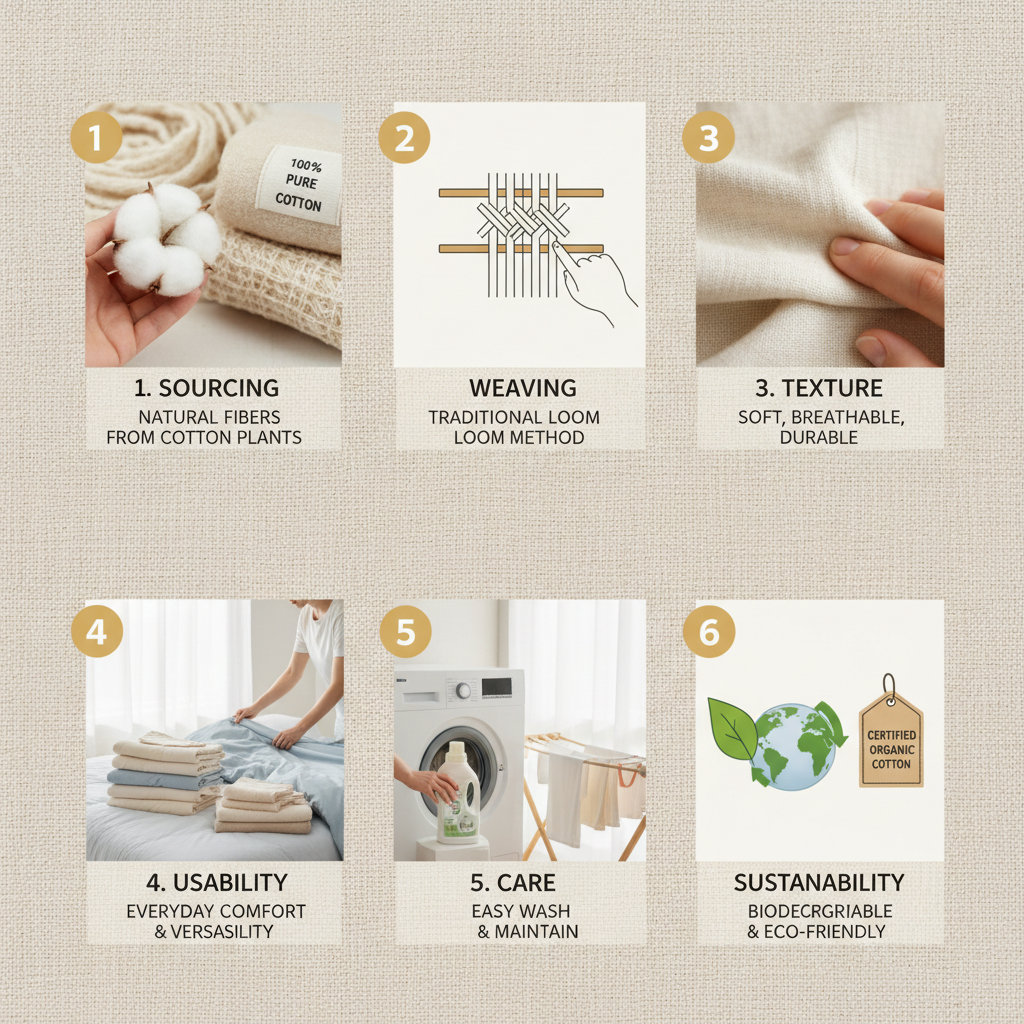
So, what is 100 cotton material for sale, really? It’s not just about the fiber itself. It’s about the weave, the weight, the finish. You can get everything from lightweight muslin to heavy-duty canvas. The key is understanding what you need it for. We're not talking about your grandma’s quilting cotton here – this stuff needs to hold up to serious wear and tear.
It's also about the sourcing. Where does the cotton come from? Is it sustainably grown? More and more clients are asking about this, and rightly so. It's not enough to just say "100 cotton material for sale," you need to know the whole story. It ties into this whole modern industry trend to find sources with ethical manufacturing standards.
And it's crucial for humanitarian needs, too. In disaster relief, having access to breathable, comfortable materials makes a huge difference to those affected. It's about dignity, you know? Giving people something decent to wear.
Key Qualities of High-Grade 100 Cotton Material for Sale
Durability is number one, obviously. You want something that can withstand repeated washing, abrasion, and exposure to the elements. That's where the weave comes into play. Tighter weaves are generally more durable.
Breathability is huge. Cotton is naturally breathable, which is why it's so comfortable. But some finishes can reduce breathability, so you need to be careful.
Then there's absorbency. Cotton is excellent at absorbing moisture, which is great for workwear, but it also means it takes longer to dry. That's a trade-off you need to consider. Anyway, I think finding that balance is important.
Real-World Applications of 100 Cotton Material for Sale
We’re seeing it everywhere. Construction crews using it for coveralls and bandanas. Agricultural workers using it for protective clothing. Even artists are using it for canvases and backdrops. It’s versatile, surprisingly so.
In the automotive industry, it's being used for interior linings and seat covers. It’s more comfortable than vinyl, and it helps absorb sound. In remote industrial zones, especially where safety regulations are strict, 100 cotton material for sale is becoming the go-to choice for protective clothing.
I saw a fascinating application in post-disaster relief operations. They were using cotton tarps to provide temporary shelter, and the fact that they were breathable made a huge difference in preventing mold and mildew.
100 Cotton Material for Sale Application Ratings
Advantages and Disadvantages of 100 Cotton Material for Sale
The advantages are clear: comfort, breathability, sustainability, relatively low cost. It's a natural fiber, so it's biodegradable. And honestly, it just feels good against the skin.
But it does have its downsides. It wrinkles easily, it shrinks if you're not careful, and it takes a long time to dry. It's also not as strong as some synthetic materials, especially when wet. Those are the trade-offs.
Customization Options for 100 Cotton Material for Sale
Oh, absolutely. You can dye it, print on it, treat it with different finishes. Last month, a small boss in Shenzhen who makes smart home devices insisted on changing the interface to on all their cotton bags. The result? Increased costs and a minor logistical nightmare. But he was adamant that it was "future-proof."
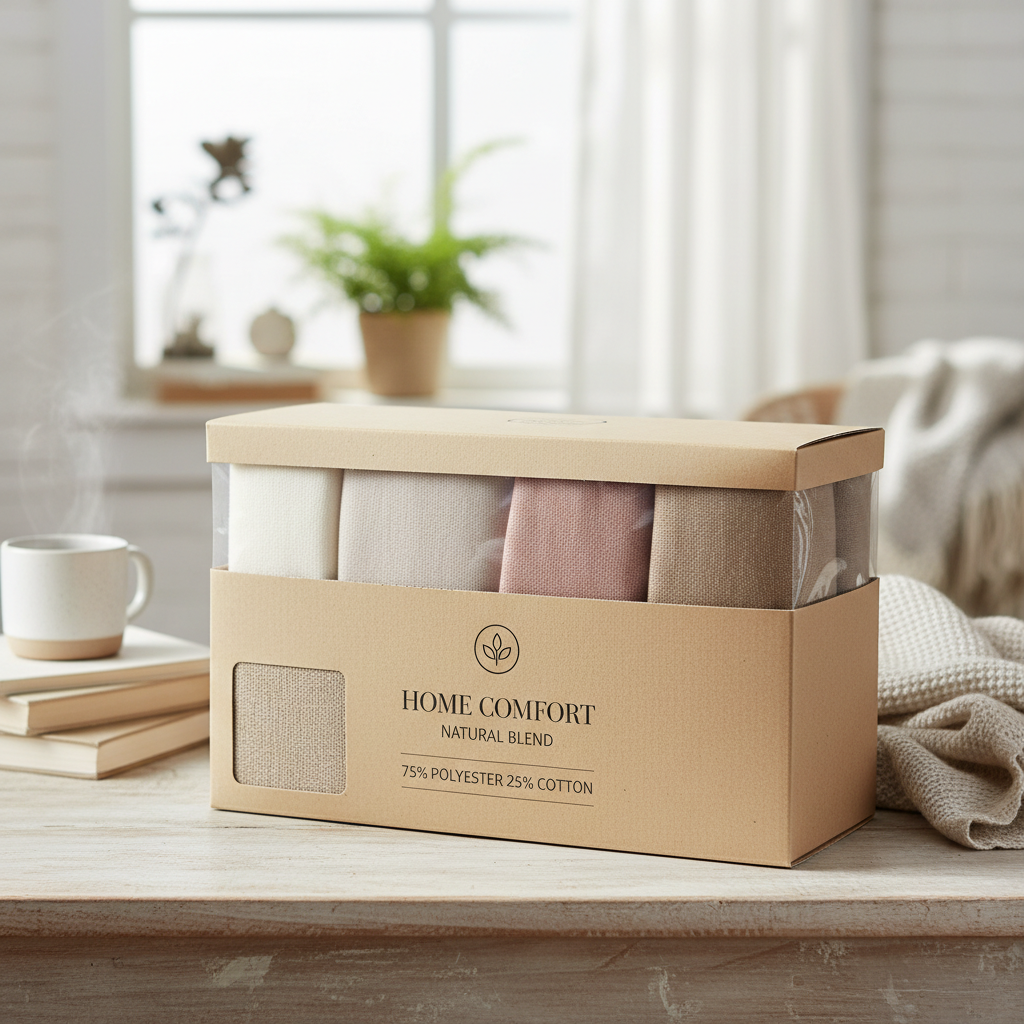
You can also blend it with other fibers to improve its properties. For example, adding a little polyester can make it more wrinkle-resistant and faster-drying. You can adjust the weight and weave to create different textures and levels of durability.
Practical Testing and Quality Control of 100 Cotton Material for Sale
We don't rely on lab reports alone. We put this stuff through real-world tests. We wash it repeatedly, we subject it to abrasion, we expose it to sunlight and rain. We even have guys wear it on the job site for a week and give us their feedback.
We check for colorfastness, shrinkage, and strength. We also look for any defects in the weave or finish. It's a hands-on process, because you need to feel the quality.
Here's a quick rundown of some of the tests we do.
Summary of 100 Cotton Material for Sale Quality Control Tests
| Test Type |
Testing Standard |
Acceptable Range |
Importance Level (1-5) |
| Tensile Strength |
ASTM D1680 |
> 200 PSI |
5 |
| Colorfastness to Washing |
AATCC 61 |
Grade 4 minimum |
4 |
| Shrinkage After Washing |
ASTM D2147 |
|
4 |
| Fabric Weight |
ASTM D3776 |
Within +/- 5% of specified weight |
3 |
| Pilling Resistance |
ASTM D3512 |
Grade 3 minimum |
2 |
| Moisture Content |
ASTM D6765 |
8-12% |
2 |
FAQS
That's a big one. Organic cotton is grown without pesticides or synthetic fertilizers, which is better for the environment and for the workers. It's usually a bit more expensive, and the yield is often lower. Conventional cotton can still be high quality, but you need to be more careful about sourcing.
Polyester is generally more durable, especially when it comes to abrasion and tearing. Cotton can be quite strong, but it loses some of its strength when wet. However, cotton is more comfortable and breathable, so it depends on the application. It all depends on what you need it to do!
It's more sustainable than synthetic materials, but it's not perfect. Cotton production can use a lot of water and land. Choosing organic cotton, supporting responsible farming practices, and reducing waste can all help to minimize the environmental impact. It's a step in the right direction, at least.
It can, but it needs to be treated. Untreated cotton will fade and degrade in sunlight. You can use UV-resistant finishes to protect it, but even then, it won't last as long as synthetic materials. It's best suited for indoor applications or for short-term outdoor use.
Generally, it's pretty easy to care for. Machine washable, but avoid high heat, as it can cause shrinkage. Ironing is often necessary to remove wrinkles. Proper storage is also important, keep it dry and away from direct sunlight. Not rocket science!
Absolutely! Most suppliers can dye or print cotton to your specifications. You'll need to provide a color sample or a design file, and they'll be able to create something custom for you. It may add to the cost, but it’s often worth it for a unique look.
Conclusion
Ultimately, 100 cotton material for sale is a solid choice for a wide range of applications. It's comfortable, breathable, sustainable, and relatively affordable. It's not a perfect material, but it has a lot to offer, especially in a world that’s increasingly focused on natural and sustainable solutions.
But remember, whether this thing works or not, the worker will know the moment he tightens the screw. All the fancy certifications and lab reports in the world don't matter if it doesn't perform on the job site. That's why I spend so much time out there, talking to the guys, getting their feedback. Because they're the ones who really know.