75 polyester 25 cotton fabric represents a versatile blend widely used across numerous industries, from apparel and home textiles to industrial applications. Its increasing prevalence is driven by a desire for a balance between cost-effectiveness, durability, and ease of care. Understanding the properties and applications of this blend is crucial for manufacturers, designers, and consumers alike in today's globally interconnected market.
The global textile industry heavily relies on polyester-cotton blends, with 75/25 being a particularly popular ratio. This demand stems from the affordability of polyester combined with the comfort and breathability of cotton. Data from the World Bank indicates a consistent growth in textile production in developing nations, often utilizing blends like 75 polyester 25 cotton to meet both domestic and export demands. This highlights the material's essential role in global trade and economic development.
A key challenge facing the textile industry is sustainability. The increasing consumption of textiles necessitates a focus on materials that offer longevity and reduce the need for frequent replacement. 75 polyester 25 cotton offers a solution by providing a fabric that’s more durable than 100% cotton, contributing to a reduction in textile waste and promoting a more circular economy.
The Significance of 75 Polyester 25 Cotton
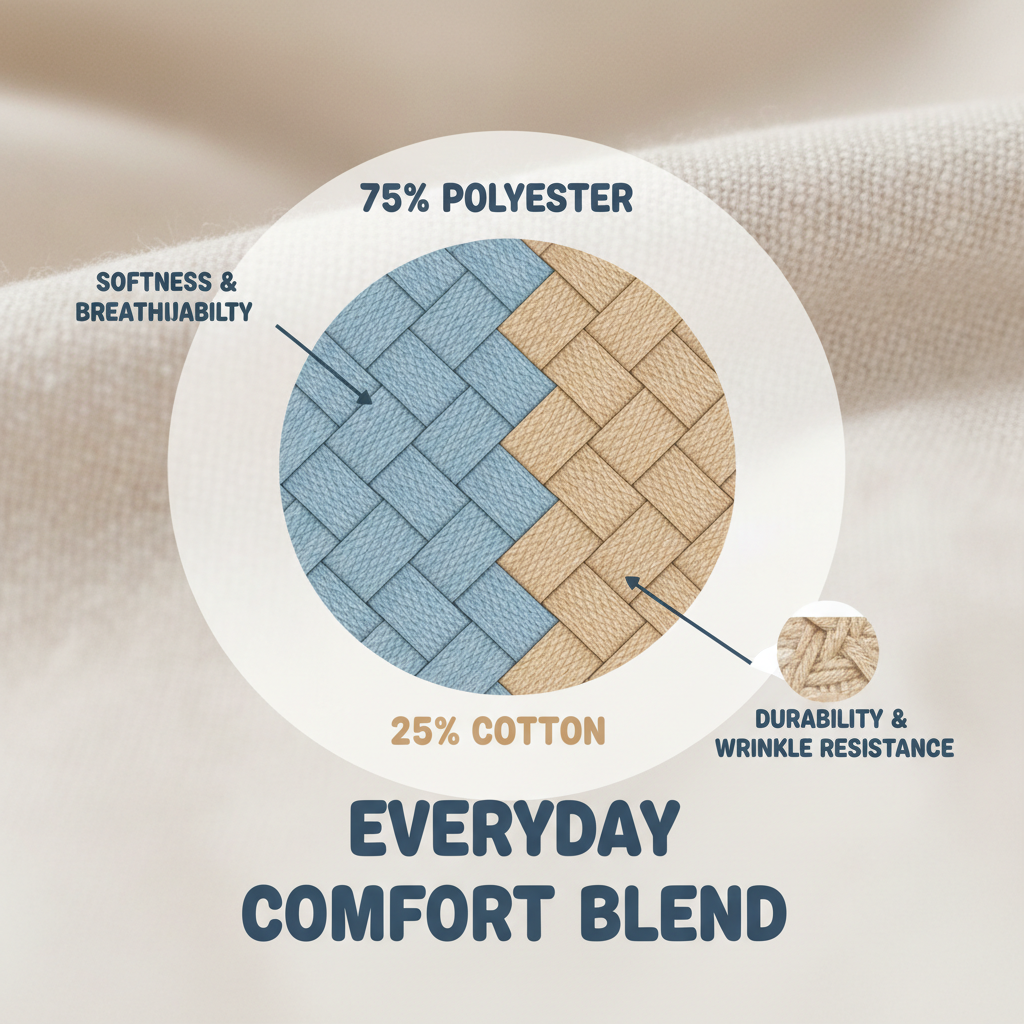
75 polyester 25 cotton strikes an optimal balance between the desirable properties of both fibers. The high polyester content provides exceptional durability, wrinkle resistance, and color retention. This is vital in applications demanding frequent washing or exposure to harsh conditions.
The inclusion of 25% cotton adds a crucial element of comfort. Cotton's natural breathability and soft hand feel enhance the overall wearability of fabrics made with this blend, making it suitable for a wide range of clothing and textile products. This combination makes 75 polyester 25 cotton a practical and cost-effective choice.
Global Relevance and Industry Context
The demand for 75 polyester 25 cotton is globally distributed, with significant consumption in Asia, Europe, and North America. Developing countries often utilize this blend for its affordability in mass-produced garments. The United Nations' Sustainable Development Goals (SDGs), particularly those related to responsible consumption and production, are driving a need for more durable and long-lasting textiles, where blends like 75 polyester 25 cotton offer a viable solution.
The apparel industry, a major consumer of 75 polyester 25 cotton, faces increasing pressure to reduce its environmental impact. Polyester, while durable, is derived from petroleum, a non-renewable resource. The inclusion of cotton, a natural fiber, helps to mitigate some of these concerns, although sustainable cotton sourcing is crucial. ISO standards relating to textile testing and labeling play a role in verifying the quality and composition of fabrics.
Furthermore, fluctuations in cotton prices and the availability of recycled polyester significantly influence the cost and availability of 75 polyester 25 cotton, making it a dynamic material in the global textile market. Manufacturers constantly adapt their sourcing strategies based on these factors to maintain competitiveness.
Defining the 75 Polyester 25 Cotton Blend
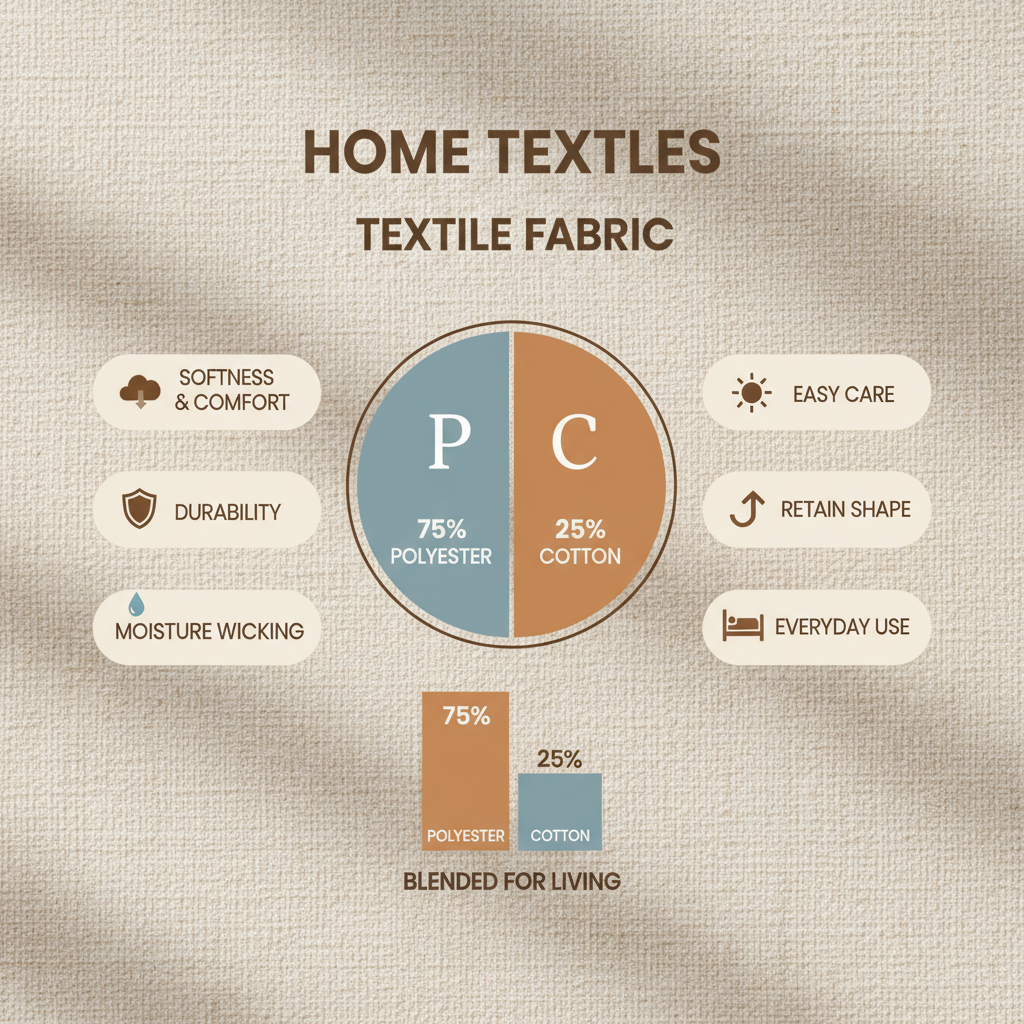
75 polyester 25 cotton refers to a fabric composed of 75% polyester fibers and 25% cotton fibers, by weight. This specific ratio creates a fabric with a unique combination of properties. Polyester contributes strength, wrinkle resistance, and quick-drying capabilities, while cotton adds softness, breathability, and comfort.
This blend addresses the limitations of using 100% polyester or 100% cotton fabrics independently. 100% polyester can feel less comfortable against the skin, whereas 100% cotton is prone to wrinkling and shrinking. The 75/25 blend effectively mitigates these drawbacks, making it ideal for a wide range of apparel and textile applications.
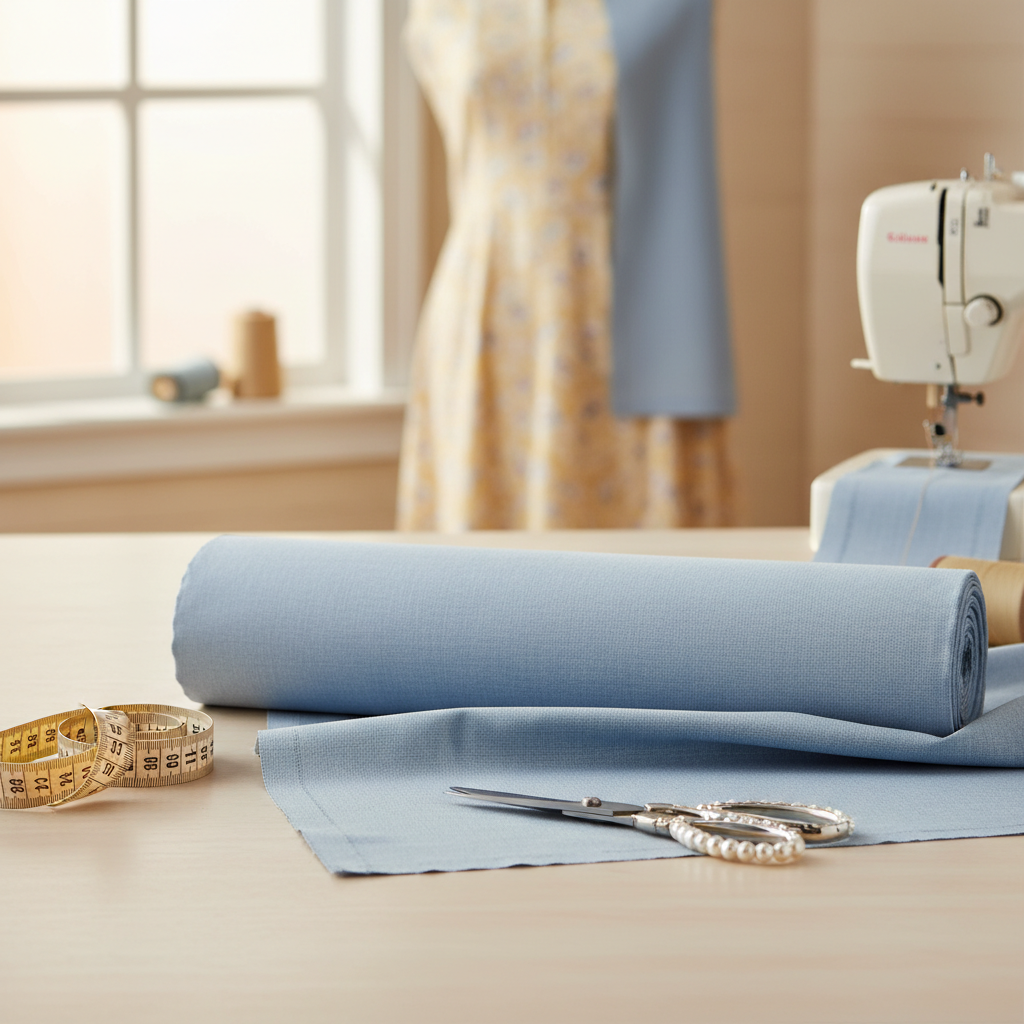
The manufacturing process involves combining polyester and cotton fibers during the yarn spinning stage. These fibers can be ring-spun, open-end spun, or vortex spun, each method influencing the fabric's texture and performance characteristics. The resulting yarn is then woven or knitted into fabric.
Key Characteristics of 75 Polyester 25 Cotton
One of the most prominent characteristics of 75 polyester 25 cotton is its Durability. Polyester fibers are inherently strong and resistant to abrasion, lending this quality to the blend. This makes it suitable for garments that undergo frequent wear and washing, such as workwear or everyday clothing.
Wrinkle Resistance is another significant benefit. Polyester's inherent properties minimize wrinkling, reducing the need for ironing. This feature is especially valued in travel clothing and uniforms. The blend also exhibits good Dimensional Stability, meaning it is less prone to shrinking or stretching after washing.
Performance Characteristics of 75 Polyester 25 Cotton
Real-World Applications of the Blend
75 polyester 25 cotton finds extensive use in the apparel industry, particularly for creating durable and comfortable workwear, uniforms, and sportswear. Its resistance to wear and tear, combined with its ease of care, makes it ideal for these applications. The blend is also commonly used for t-shirts, polo shirts, and casual wear.
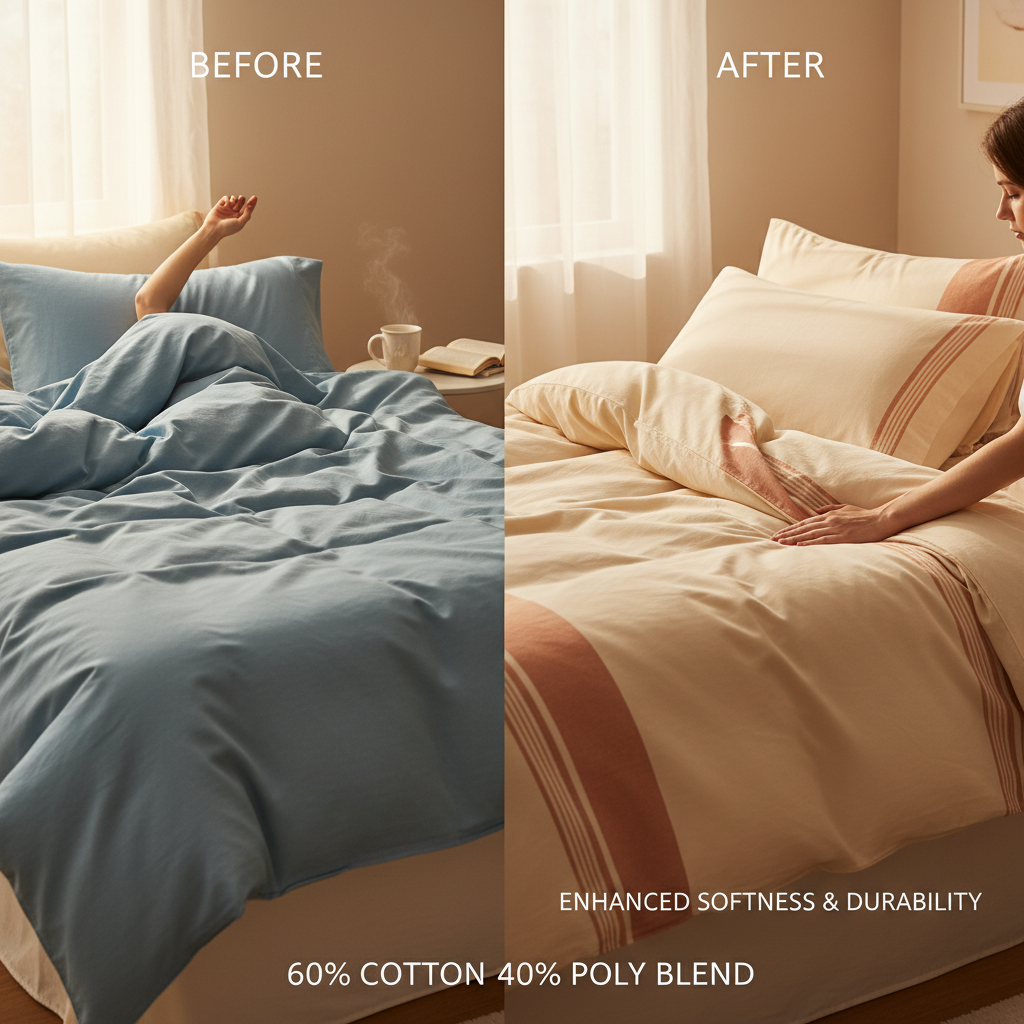
In the home textiles sector, 75 polyester 25 cotton is utilized for bed linens, curtains, and upholstery fabrics. The fabric’s wrinkle resistance and colorfastness contribute to the longevity and aesthetic appeal of these products. Furthermore, in the industrial sector, it is employed in manufacturing protective clothing and durable textile components.
Advantages and Long-Term Value Proposition
The primary advantage of 75 polyester 25 cotton lies in its cost-effectiveness. Polyester is significantly cheaper than natural fibers like cotton, making the blend more affordable. This is a critical factor for manufacturers and consumers alike. The increased durability translates to a longer product lifespan, reducing the need for frequent replacements and lowering overall costs.
Beyond cost savings, the blend offers significant sustainability benefits. A longer lifespan reduces textile waste and lessens the environmental impact associated with textile production. The blend also contributes to a sense of reliability and trust in the product, as consumers can depend on its performance and longevity.
Future Trends and Innovation in 75 Polyester 25 Cotton
The future of 75 polyester 25 cotton lies in embracing sustainable practices and innovative technologies. A key trend is the increasing use of recycled polyester derived from plastic bottles, reducing reliance on virgin petroleum resources. This aligns with the growing demand for eco-friendly textiles.
Digital printing technologies are also enhancing the capabilities of this blend, allowing for intricate designs and personalized customization with reduced water consumption. Furthermore, research into bio-based polyester alternatives derived from renewable sources could further enhance the sustainability profile of 75 polyester 25 cotton fabrics.
Automation in textile manufacturing, coupled with advancements in fiber blending techniques, is expected to optimize production processes and improve the quality and consistency of 75 polyester 25 cotton fabrics.
Table Summarizing Challenges and Solutions in 75 Polyester 25 Cotton Production
| Challenge |
Impact on 75 Polyester 25 Cotton |
Potential Solution |
Implementation Cost (1-10) |
| Reliance on Petroleum-Based Polyester |
Contributes to carbon footprint and non-renewability. |
Increased adoption of recycled polyester. |
6 |
| Water Consumption in Dyeing Processes |
Significant environmental impact from water usage and effluent discharge. |
Implementation of waterless dyeing technologies. |
8 |
| Microplastic Shedding |
Polyester fibers release microplastics during washing. |
Development of microplastic filtration systems and fabric coatings. |
7 |
| Cotton Sourcing Sustainability |
Conventional cotton production can have negative environmental impacts. |
Sourcing of organic or sustainably grown cotton. |
5 |
| Fiber Blending Consistency |
Maintaining uniform fiber distribution for consistent fabric quality. |
Advanced fiber blending technologies and quality control measures. |
4 |
| Traceability and Supply Chain Transparency |
Difficulty in tracking the origin and production processes of raw materials. |
Implementation of blockchain technology for supply chain monitoring. |
9 |
FAQS
75 polyester 25 cotton offers improved durability, wrinkle resistance, and faster drying times compared to 100% cotton. While cotton is known for its comfort, it's prone to shrinking and wrinkling. The polyester component in the blend minimizes these issues, resulting in garments that maintain their shape and appearance longer. It also generally leads to a more affordable price point, making it a practical choice for everyday wear.
While polyester isn't as naturally breathable as cotton, the 25% cotton content in the blend improves airflow and moisture-wicking properties. 75 polyester 25 cotton fabrics are generally suitable for warm weather, particularly when designed with a looser weave. However, it may not be as cool and comfortable as 100% cotton in extremely hot and humid conditions.
75 polyester 25 cotton is known for its excellent durability and resistance to wear and tear. Polyester fibers are inherently strong and don't break down easily with washing. The blend is less prone to shrinking or stretching compared to 100% cotton. With proper care, garments made from this blend can maintain their shape and color for a long time.
Yes, 75 polyester 25 cotton readily accepts dyes and prints. Polyester's good dye affinity ensures vibrant and long-lasting colors. Modern digital printing technologies work exceptionally well with this blend, allowing for intricate designs and personalized customization. Pre-treatment processes may be necessary to optimize dye absorption.
The environmental impact of 75 polyester 25 cotton depends on the sourcing of its components. Choosing recycled polyester and sustainably grown cotton can significantly reduce its footprint. While polyester is derived from petroleum, its durability extends product lifespan. Proper disposal and recycling initiatives are crucial to minimize waste and promote circularity.
In home textiles, 75 polyester 25 cotton is frequently used for bedding (sheets, pillowcases), curtains, upholstery, and tablecloths. Its wrinkle resistance, colorfastness, and durability make it ideal for items that require frequent washing and daily use. The blend also offers a comfortable feel, enhancing its appeal for household applications.
Conclusion
In conclusion, 75 polyester 25 cotton represents a compelling fabric blend offering a balance of cost-effectiveness, durability, comfort, and ease of care. Its widespread use across apparel, home textiles, and industrial applications underscores its versatility and adaptability to diverse needs. By understanding its properties and applications, manufacturers and consumers can make informed decisions about utilizing this valuable material.
Looking ahead, the continued adoption of sustainable practices, such as utilizing recycled polyester and responsibly sourced cotton, will further enhance the value proposition of 75 polyester 25 cotton. Innovation in fiber blending technologies and dyeing processes will contribute to more environmentally friendly production methods. For more information and to explore our range of 75 polyester 25 cotton fabrics, visit our website: 75 polyester 25 cotton.