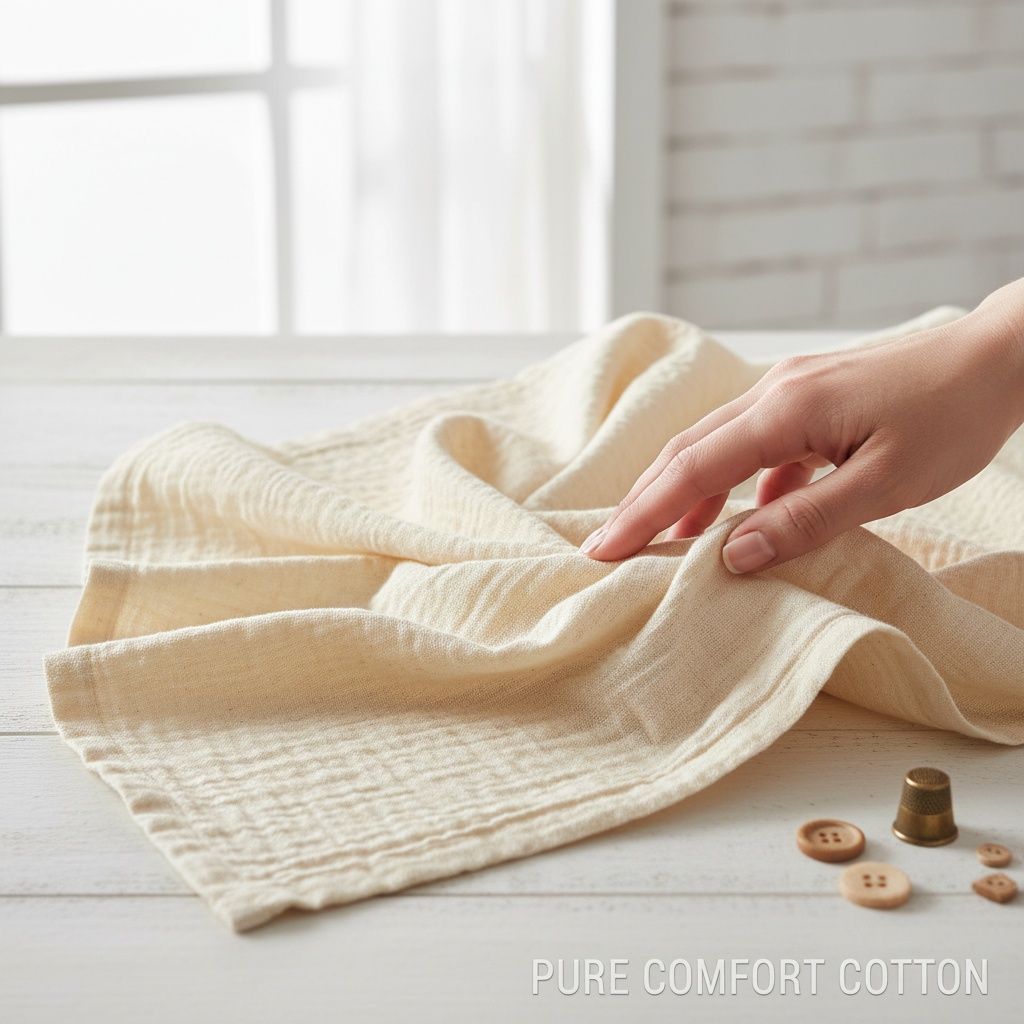
50 cotton 50 polyester yarn is a versatile blend widely utilized in the textile industry due to its balance of comfort, durability, and cost-effectiveness. Its increasing global demand stems from its adaptability to various applications, from apparel and home textiles to industrial fabrics. Understanding its properties and applications is crucial for manufacturers, designers, and consumers alike.
The global textile market is experiencing a surge in demand for blended yarns like 50 cotton 50 polyester yarn, driven by factors such as population growth, changing fashion trends, and increasing disposable incomes, particularly in emerging economies. According to Statista, the global textile market was valued at approximately $950 billion in 2023 and is projected to reach over $1.2 trillion by 2028. This growth underscores the importance of understanding blended yarn options.
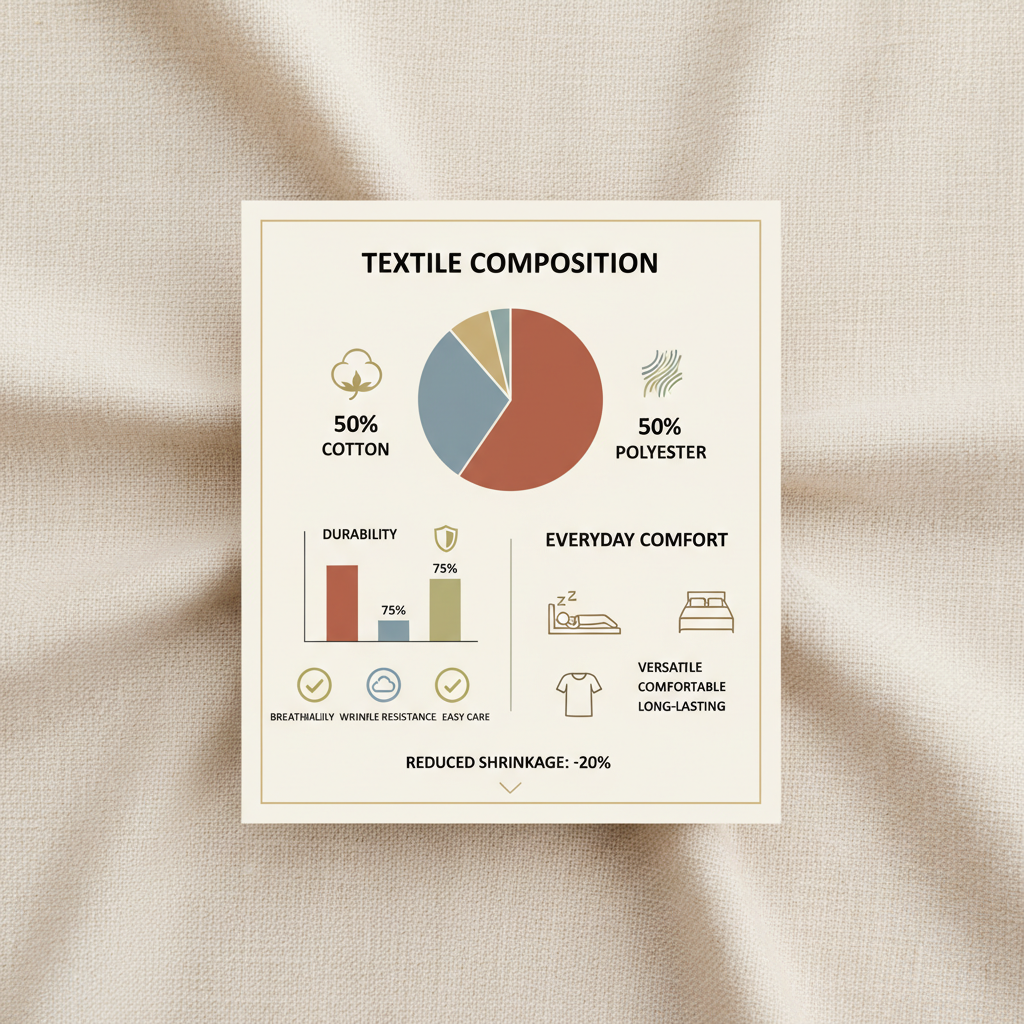
This blend addresses the limitations of using 100% cotton or 100% polyester individually. Cotton offers breathability and comfort, while polyester provides strength, wrinkle resistance, and quicker drying times. Combining them results in a fabric that offers the best of both worlds, reducing the need for frequent washing and extending garment lifespan.
The Significance of 50 Cotton 50 Polyester Yarn
The importance of 50 cotton 50 polyester yarn lies in its ability to provide a cost-effective and functional textile solution for a wide range of applications. Its demand continues to grow, particularly in markets seeking a balance between natural fiber comfort and synthetic fiber performance. This makes it ideal for everyday wear, workwear, and a variety of industrial uses.
Compared to using solely natural or synthetic fibers, the 50/50 blend optimizes production costs and minimizes environmental impact. By reducing reliance on resource-intensive cotton farming and utilizing recycled polyester options, manufacturers can create more sustainable textiles while maintaining desired quality and performance characteristics.
Understanding 50 Cotton 50 Polyester Yarn
50 cotton 50 polyester yarn refers to a yarn composition where 50% of the fiber content is cotton and the other 50% is polyester. This blend isn’t arbitrary; it’s a carefully engineered combination to exploit the strengths of each fiber. The resulting yarn is then woven or knitted into various fabrics.
The significance of this blend extends beyond simple comfort and cost. It plays a crucial role in various industries, contributing to the efficient production of durable and affordable textiles. It connects directly to modern industrial needs by offering consistent quality and reliable performance in demanding applications.
Essentially, it's a compromise designed to improve upon the inherent limitations of both constituent fibers. Cotton, while comfortable, wrinkles easily and shrinks. Polyester is durable and wrinkle-resistant but can feel less breathable. The blend aims to find an optimal middle ground, appealing to both consumers and manufacturers.
Core Properties of 50 Cotton 50 Polyester Yarn
Durability is a key property of 50 cotton 50 polyester yarn. The polyester component significantly enhances the fabric's resistance to abrasion, tearing, and stretching, making it suitable for garments that require frequent washing or heavy use. This increased durability translates to a longer product lifespan.
Wrinkle resistance is another significant advantage. Polyester’s inherent properties minimize wrinkling, reducing the need for ironing and maintaining a neat appearance, even after prolonged wear or washing. This is particularly valuable for workwear and travel clothing.
Breathability, often a concern with polyester-heavy blends, is mitigated by the cotton component. Cotton allows air to circulate, keeping the wearer comfortable, especially in warmer climates. The 50/50 ratio strives for a balance where breathability is maintained without sacrificing durability or wrinkle resistance.
Key Performance Indicators of 50 Cotton 50 Polyester Yarn
Evaluating the performance of 50 cotton 50 polyester yarn requires examining several key indicators, including tensile strength, colorfastness, shrinkage, and pilling resistance. These metrics determine its suitability for specific applications and impact the overall quality of the finished product.
Understanding these performance indicators enables manufacturers to consistently produce high-quality textiles. These indicators also give consumers confidence in the durability and longevity of the garments they purchase, contributing to sustainable consumption habits.
Performance of Different 50 cotton 50 polyester yarn Production Methods
Global Applications of 50 Cotton 50 Polyester Yarn
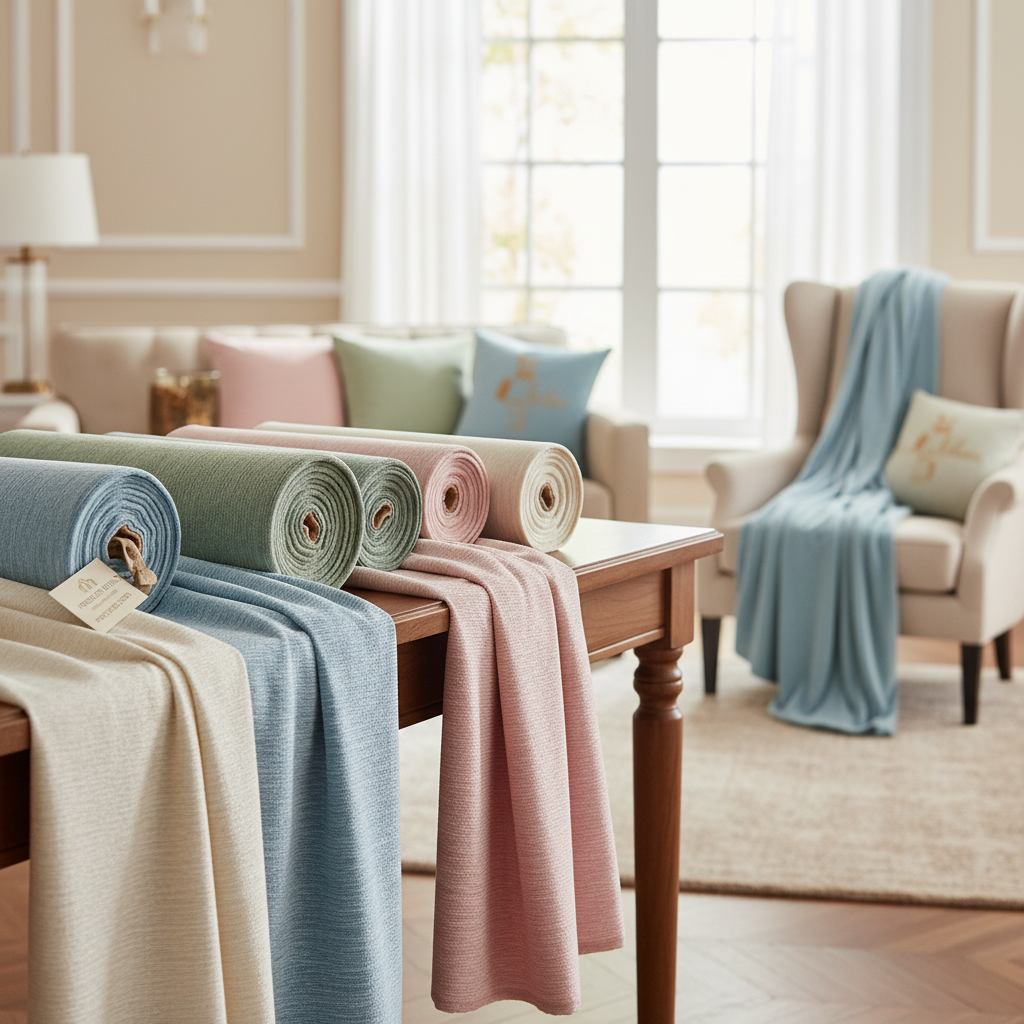
50 cotton 50 polyester yarn finds application across numerous industries worldwide. In the apparel sector, it’s commonly used for t-shirts, sportswear, work uniforms, and dresses, providing comfort and durability for everyday wear.
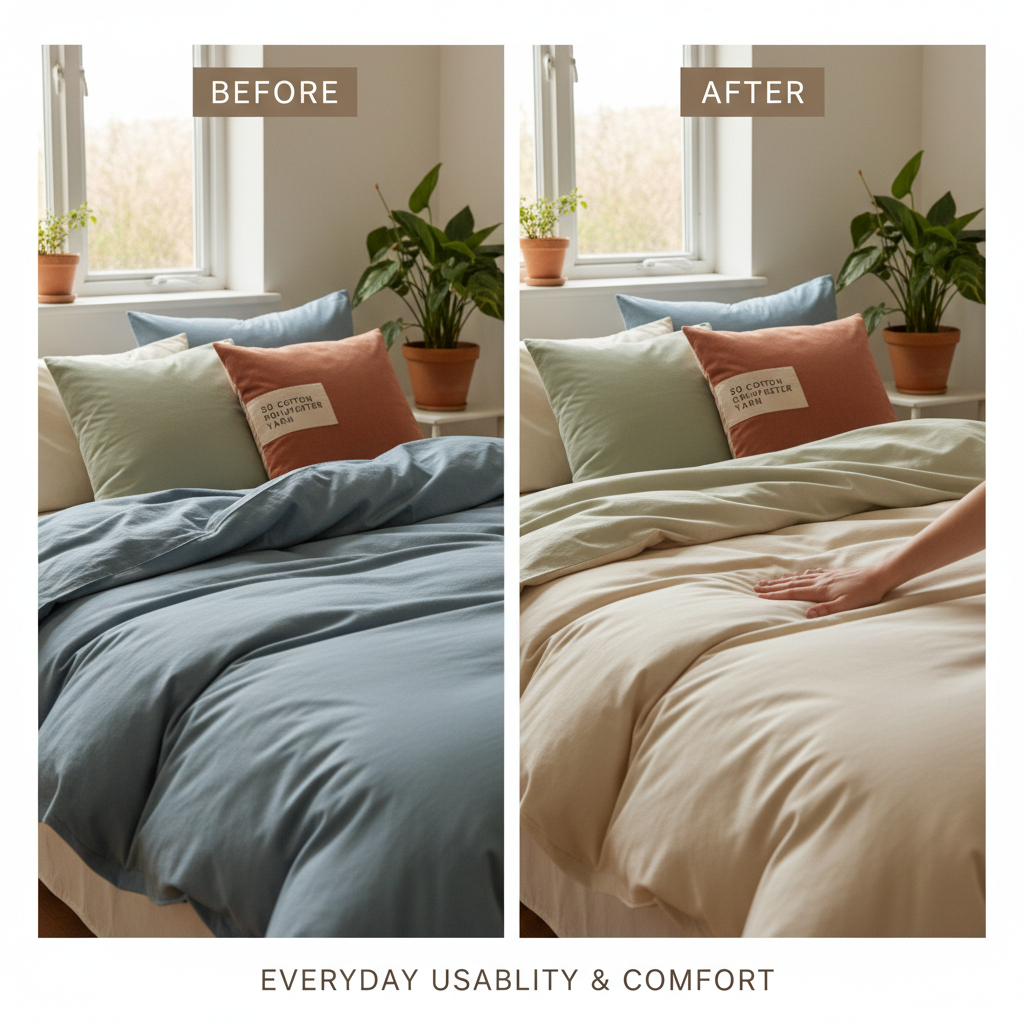
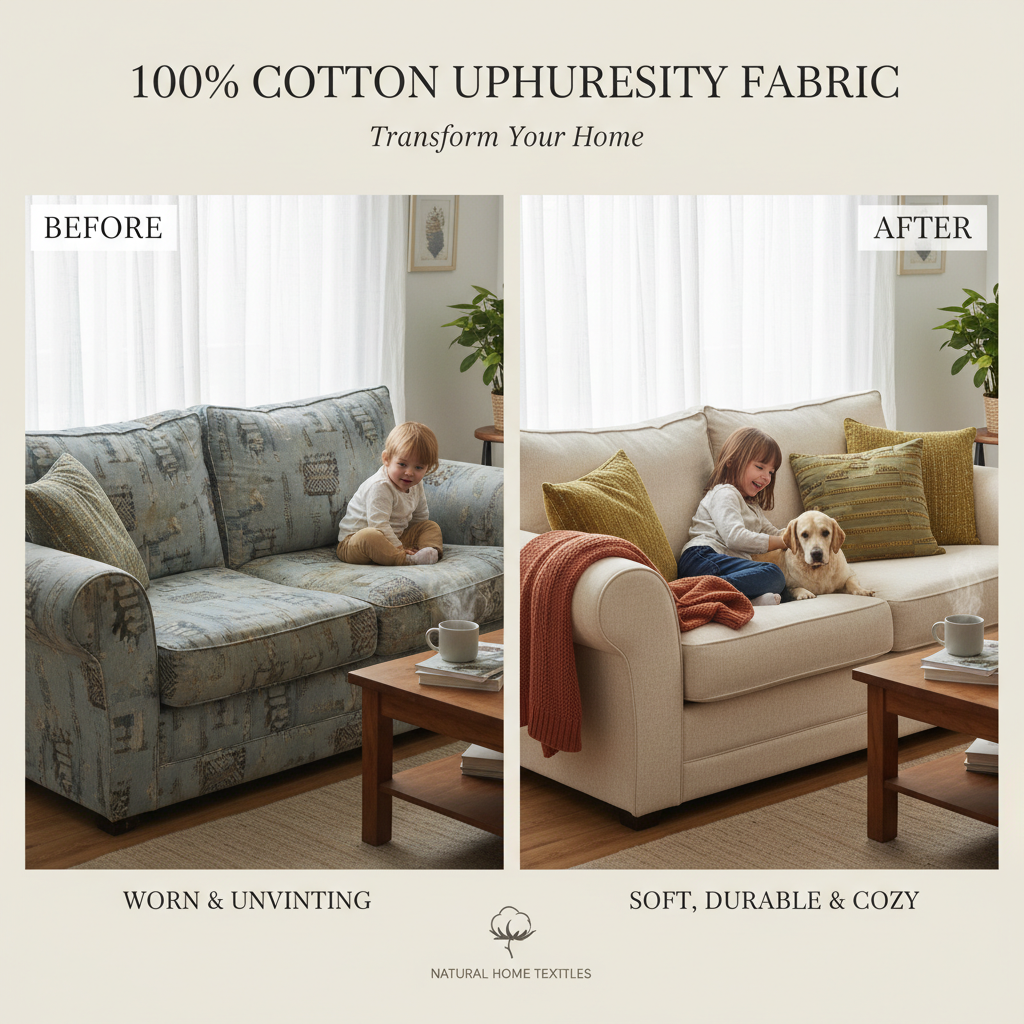
Home textiles also benefit from its properties, appearing in bedding, towels, and upholstery fabrics. The blend's resilience and ease of care make it ideal for items subjected to frequent washing and use. In industrial settings, it's employed in manufacturing protective clothing and filter fabrics.
Advantages and Long-Term Value
The key advantage of 50 cotton 50 polyester yarn is its cost-effectiveness without compromising quality. It offers a significantly lower price point compared to 100% cotton fabrics, making it accessible to a broader consumer base. Beyond cost, the blend contributes to sustainability by extending garment life and reducing the need for frequent replacements.
The long-term value lies in its durability and ease of care. Garments made from this blend require less frequent washing, saving water and energy, and reducing wear and tear. This translates to a smaller environmental footprint and greater consumer satisfaction.
Future Trends and Innovation
Future trends in 50 cotton 50 polyester yarn focus on sustainability and technological advancements. The increasing demand for eco-friendly textiles is driving the use of recycled polyester, reducing reliance on virgin materials and minimizing waste. Innovations in fiber processing are enhancing the softness and breathability of the blend.
Furthermore, smart textiles incorporating sensors and other technologies are being developed using 50 cotton 50 polyester yarn as a base material, opening up new possibilities in wearable technology and healthcare. Digital printing techniques are also improving the efficiency and customization of fabric designs.
The integration of nanotechnology aims to enhance properties like stain resistance and UV protection, further expanding the applications of this versatile yarn. These innovations are positioning 50 cotton 50 polyester yarn for continued growth and relevance in the evolving textile landscape.
FAQS
While 100% cotton offers superior breathability, 50 cotton 50 polyester yarn provides a significantly improved level of durability, wrinkle resistance, and cost-effectiveness. It also retains a good degree of comfort, making it suitable for a wide range of applications where longevity and ease of care are important. It reduces shrinking and holds shape better.
The environmental impact depends on the source of the polyester. Utilizing recycled polyester significantly reduces the carbon footprint and minimizes reliance on fossil fuels. Even virgin polyester can be more sustainable than 100% cotton due to lower water and pesticide usage in its production.
While generally well-tolerated, some individuals with very sensitive skin may prefer 100% cotton. However, the cotton component in the blend helps to mitigate potential irritation from the polyester. Choosing fabrics with low-VOC dyes and finishes can further minimize any adverse reactions.
50 cotton 50 polyester yarn generally exhibits excellent colorfastness, meaning it resists fading or bleeding when washed or exposed to sunlight. Polyester’s inherent dye retention properties contribute to this performance. However, the quality of the dye used also plays a crucial role.
Recycling blends can be more challenging than recycling single-fiber fabrics. However, advancements in textile recycling technologies are making it increasingly possible to separate and recycle both cotton and polyester from blended materials. Look for initiatives promoting textile circularity.
This yarn is ideally suited for applications requiring a balance of comfort, durability, and affordability. Common uses include t-shirts, polo shirts, work uniforms, sportswear, bedding, towels, and upholstery fabrics. Its versatility makes it a popular choice across diverse industries.
Conclusion
In conclusion, 50 cotton 50 polyester yarn represents a pragmatic and versatile solution for the modern textile industry. Its unique combination of properties—durability, comfort, wrinkle resistance, and cost-effectiveness—makes it an ideal choice for a wide range of applications, from everyday apparel to industrial fabrics. Understanding its benefits and limitations is essential for making informed decisions in both production and consumption.
Looking ahead, continued innovation in fiber technology, sustainable sourcing, and recycling processes will further enhance the value and environmental profile of 50 cotton 50 polyester yarn. Its adaptability ensures its continued relevance in a rapidly evolving market, making it a key component of a more sustainable and efficient textile future.