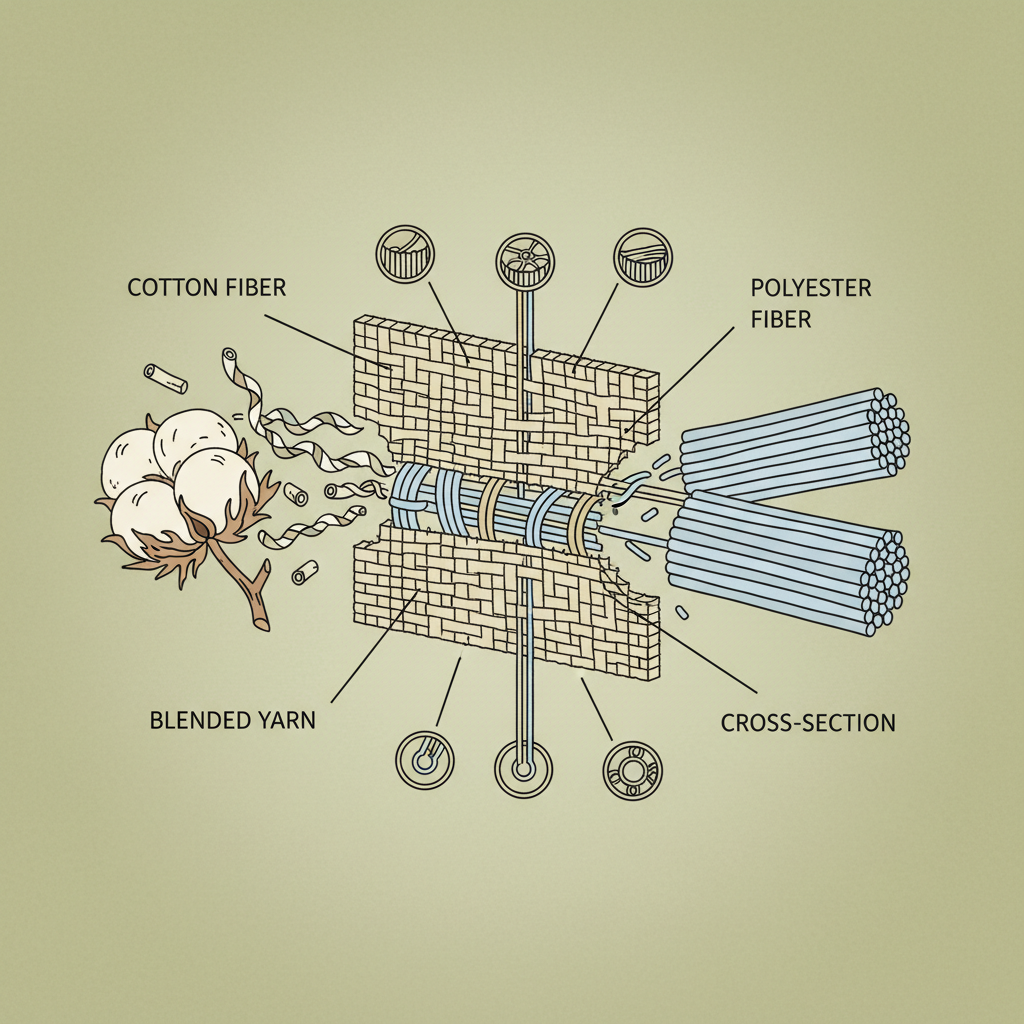
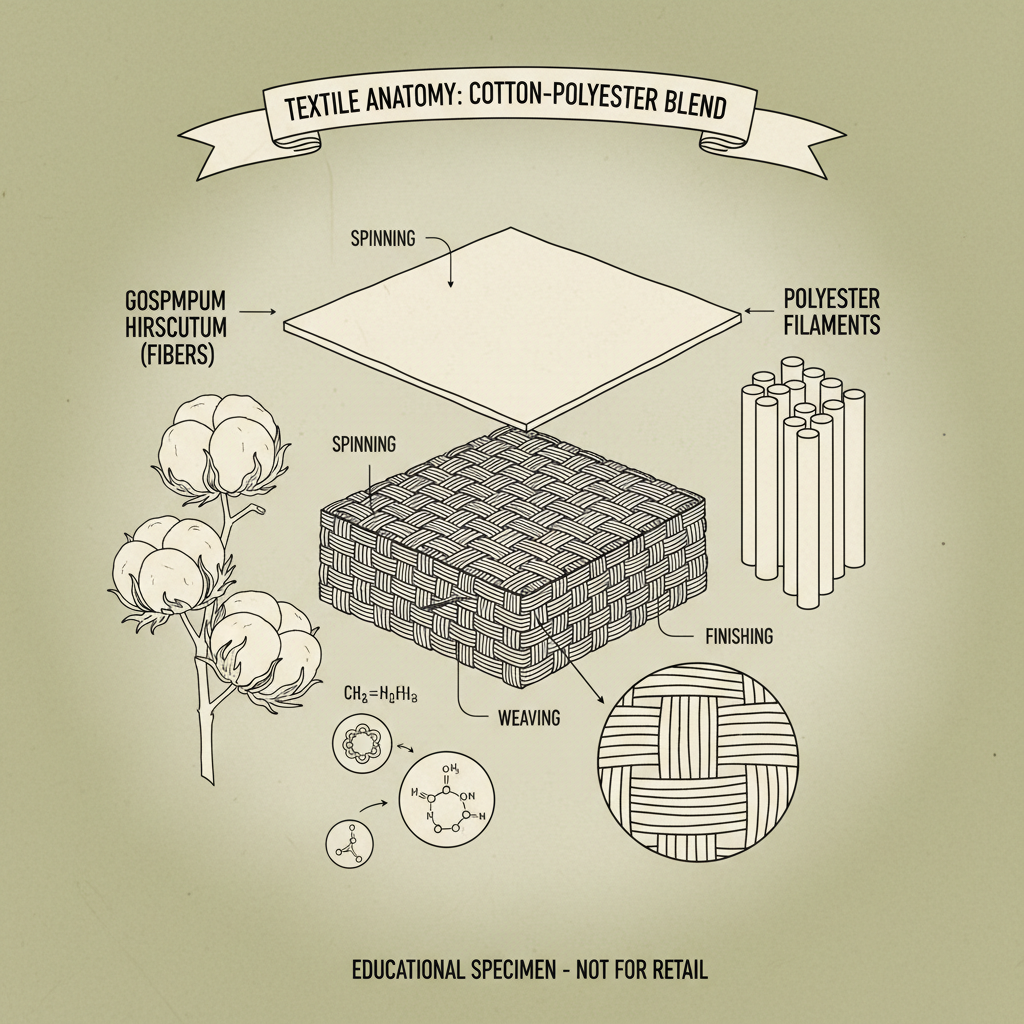
To be honest, things have been… hectic. Everyone’s chasing lightweight, high-strength, and, of course, cheap. The whole industry’s gone mad for cotton polyester blends, or C/P as we call it on site. It's everywhere - workwear, tarps, even some of the geotextiles. Used to be, you wanted durable, you went straight for heavy canvas. Now? It's all about finding the right C/P ratio. It’s kinda strange, actually, how quickly things change.
Have you noticed how many companies are jumping on the ‘sustainable’ bandwagon? Everyone’s talking recycled polyester, organic cotton… sounds good on paper, but getting a consistent quality? Forget about it. Especially when you're dealing with stuff that needs to hold up in real-world conditions. It’s not like a lab test, you know? You need something that can handle getting dragged across concrete, soaked in mud, and baked in the sun.
Anyway, I think a lot of folks underestimate just how much the blend matters. It's not just 50/50. You tweak that ratio even a little bit, and the whole thing changes. The feel, the drape, how it takes dye… all different. And then there's the yarn count. Lower count, rougher fabric, cheaper… higher count, smoother, more expensive. It’s a balancing act, always.
The Rise of Cotton Polyester Blends
I encountered this at a factory in Yiwu last time – they were churning out these cheap work shirts. The owner kept bragging about how ‘breathable’ the fabric was. But it was a thin, scratchy 65/35 polyester/cotton blend. Breathable for dust, maybe. Point is, C/P is everywhere. It’s becoming the default for so much. The demand is driven by cost, sure, but also by the improved performance compared to 100% cotton, particularly in terms of durability and wrinkle resistance.
You’ve got to watch out for the marketing hype, though. “Eco-friendly,” “sustainable”... It's easy to slap a label on something, but getting a truly sustainable C/P fabric that holds up? That’s a whole different story.
Common Design Pitfalls in C/P Materials
One thing I’ve noticed, and it drives me nuts, is people trying to use C/P for applications where it just isn’t suited. Like, trying to make a waterproof tarp out of a light-weight blend. It’ll work for a bit, maybe, but the water penetration will be inevitable. You need a proper coating, a heavier weight fabric… it’s just common sense.
Another trap? Ignoring the shrinkage factor. Polyester doesn’t shrink like cotton does. If you’re combining them, you need to pre-shrink the cotton component or account for it in the cutting process. Otherwise, you end up with warped seams and a generally wonky final product.
And then there’s the issue of pilling. Lower quality polyester blends are notorious for it. It looks terrible, and it compromises the fabric’s integrity.
The Feel and Handling of Cotton Polyester
To be honest, the feel of C/P varies massively depending on the blend. A higher cotton content will give you a softer, more comfortable fabric, but it’ll also be more prone to wrinkling and shrinking. You can smell the difference too, you know? The cotton has that natural, earthy scent, while the polyester… well, it smells kinda plasticky. It’s not a pleasant smell, especially when you’re handling thousands of yards of it.
Handling it on site is a whole different ball game. A tightly woven C/P is relatively easy to work with – it holds its shape well and doesn’t fray too easily. But a looser weave? Forget about it. It’s a nightmare to cut accurately and sew straight. You’re constantly battling with shifting fabric and tangled threads.
Strangely, the lighter weight stuff feels… cheaper, even if it’s technically the same blend. It's probably a psychological thing, but it makes a difference in how you treat the material. You’re more careful with something that feels valuable.
Real-World Testing and Performance
Lab tests are fine, I guess, but they don’t tell you the whole story. You need to see how it performs in the real world. We've been doing tensile strength tests on-site, just pulling and pulling until it rips. It’s not very scientific, but it’s surprisingly effective. And you learn a lot about how the fabric behaves under stress.
I also like to see how well it holds up to abrasion. Dragging it across concrete, rubbing it with sandpaper, throwing it in the back of a truck with a bunch of tools… that’s the kind of testing that matters. We also test for colorfastness – washing it repeatedly to see if the dye runs. You wouldn’t believe how many fabrics fade after just a few washes.
Cotton Polyester Material for Sale Performance Metrics
How Users Actually Utilize C/P Materials
You think they’ll use it exactly as you intend? Nope. We supplied some C/P fabric to a construction company for safety vests, and they ended up using it to make dust covers for their equipment. Dust covers! It worked, I guess, but it wasn’t what we had in mind.
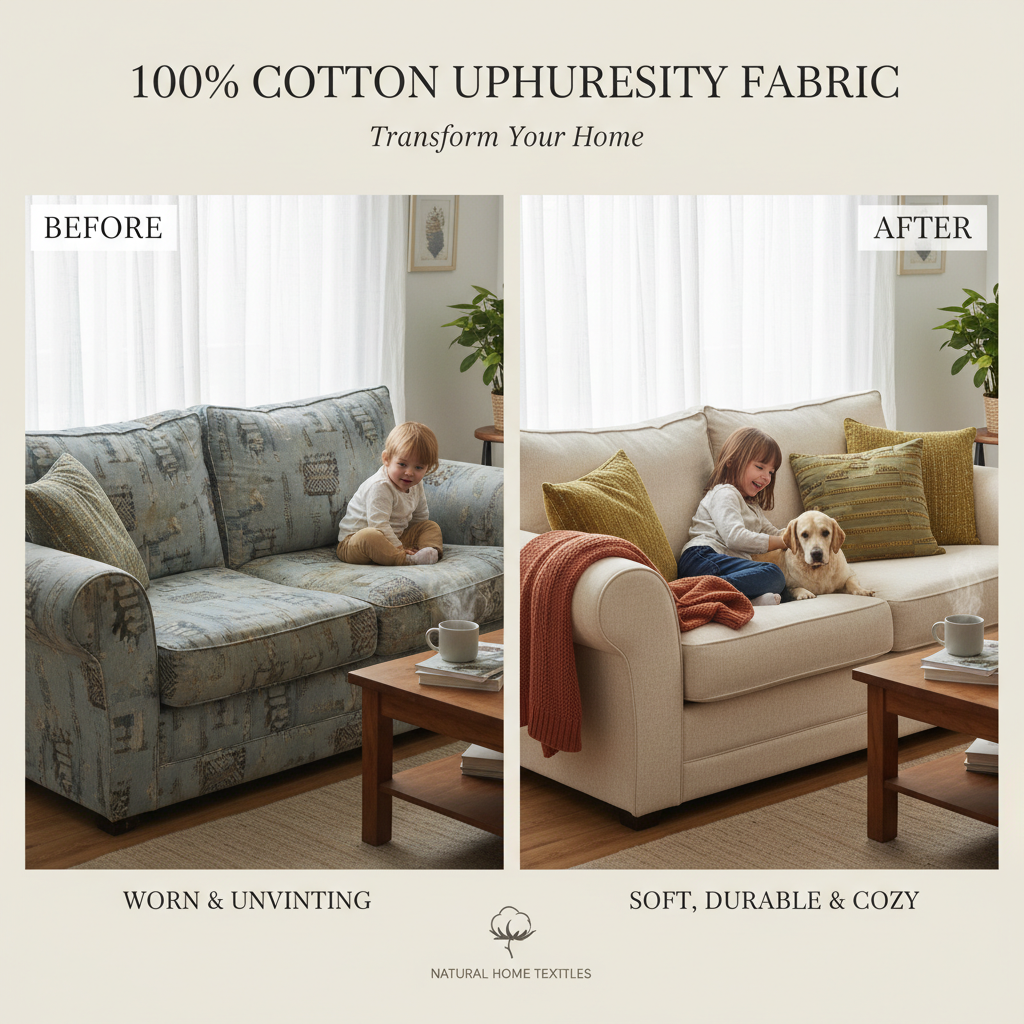
I’ve seen it used for everything from banners and flags to upholstery and even dog beds. People are resourceful. They’ll find a use for it, even if it’s not the most obvious one. That's why it’s important to understand the limitations of the material and communicate them clearly.
The Advantages and Drawbacks of C/P Fabrics
The biggest advantage, without a doubt, is the price. You get a lot of bang for your buck. It's durable enough for a wide range of applications, and it's relatively easy to care for. It doesn’t wrinkle as easily as 100% cotton, and it holds its shape better.
But it's not perfect. It doesn't breathe as well as cotton, so it can get hot and uncomfortable in warm weather. It’s also susceptible to static cling, which can be annoying. And, as I mentioned earlier, the quality can vary significantly depending on the blend and the manufacturing process. It's a compromise, always.
Customization Options and a Customer Story
You can customize C/P fabrics in a lot of ways – different weights, different blends, different colors, different finishes. We had a customer, a small boss in Shenzhen who makes smart home devices, last month. He insisted on changing the interface of his waterproof speaker to a C/P fabric. Said it would give it a more premium feel. We warned him about the potential for moisture absorption, but he wouldn't listen. Result? Speakers were failing within weeks. The fabric was wicking water into the electronics. He ended up switching back to plastic, after losing a ton of money.
We’ve also done custom weaves – creating fabrics with specific patterns and textures. And we can apply different coatings to enhance the water resistance or flame retardancy. It's all about finding the right solution for the specific application.
A Summary of Common C/P Blend Characteristics
| Blend Ratio |
Durability |
Comfort |
Cost (1-10) |
| 65/35 (Polyester/Cotton) |
8/10 |
6/10 |
3 |
| 50/50 (Polyester/Cotton) |
7/10 |
7/10 |
4 |
| 80/20 (Polyester/Cotton) |
9/10 |
5/10 |
2 |
| 70/30 (Polyester/Cotton) |
8/10 |
6/10 |
3 |
| 40/60 (Polyester/Cotton) |
6/10 |
8/10 |
5 |
| 35/65 (Polyester/Cotton) |
5/10 |
9/10 |
6 |
FAQS
For workwear, you generally want a blend with at least 65% polyester for durability and wrinkle resistance. But don't go too high, or it'll lose its breathability. A 65/35 or 70/30 blend is usually a good compromise. It really depends on the specific job, though. If they're working in extreme heat, you might want to lean more towards the cotton side, even if it means sacrificing a little durability.
Pre-shrinking the cotton component is crucial. Most manufacturers do this already, but it's worth asking. Also, wash the fabric in cold water and tumble dry on low heat. High heat is the enemy of cotton polyester. And avoid over-drying – that’s a guaranteed way to shrink it.
It can be, but it depends on the exposure. Prolonged exposure to sunlight will cause the colors to fade, and the fabric will eventually degrade. You can treat it with a UV protectant spray to extend its lifespan, but it won't last forever. If it's going to be exposed to a lot of rain, you’ll need a waterproof coating.
Act fast! The sooner you treat the stain, the easier it will be to remove. Use a mild detergent and lukewarm water. Avoid harsh chemicals like bleach, as they can damage the fabric. For stubborn stains, try a pre-treatment spray before washing. And always test the cleaner on an inconspicuous area first.
Ring-spun cotton is softer and stronger than open-end cotton. It's made by twisting the cotton fibers together tightly, which creates a smoother, more durable yarn. Open-end cotton is cheaper to produce, but it's also less durable and more prone to pilling. If you're looking for a high-quality C/P fabric, go with ring-spun cotton.
Yes, but it's not always easy. The different fibers need to be separated, which can be a complex process. There are companies that specialize in textile recycling, and they're developing new technologies to make it more efficient. But it’s still not as widespread as plastic recycling.
Conclusion
Ultimately, cotton polyester blends are a compromise. You’re balancing cost, durability, comfort, and performance. There’s no one-size-fits-all answer. It's about finding the right blend for the specific application and understanding its limitations. It’s a workhorse material, no doubt, but it’s not a miracle fabric.
But here’s the thing: the worker, the guy actually out there using it, he’ll know if it’s good or not the moment he tightens the screw, or wipes the sweat from his brow. That's the real test. And that's what matters at the end of the day. If you want to learn more about sourcing high-quality cotton polyester materials, visit our website: cotton polyester material for sale.