The combination of cotton and polyester blend fabrics has become ubiquitous in modern life, permeating our wardrobes, homes, and even industrial applications. This blend offers a unique synergy, capitalizing on the individual strengths of both natural cotton and synthetic polyester. Understanding the properties and applications of cotton and polyester blend is crucial for informed consumer choices, efficient manufacturing processes, and innovative textile development across the globe.
Driven by a growing global population and evolving consumer demands, the textile industry constantly seeks materials that balance cost-effectiveness with performance and sustainability. Cotton and polyester blend consistently emerges as a leading solution, addressing challenges related to durability, comfort, and affordability. The rise in fast fashion and the need for textiles that withstand rigorous use have further cemented the position of this blend.
Ultimately, a thorough understanding of cotton and polyester blend empowers businesses to optimize product development, anticipate market trends, and contribute to a more responsible and sustainable textile industry. From apparel to home furnishings, and beyond, this versatile material continues to shape the way we live and interact with the world around us.
The Significance of Cotton and Polyester Blend
Cotton and polyester blend fabrics represent a critical intersection of natural comfort and synthetic durability, influencing vast sectors of the global economy. With production valued in the billions annually, this blend addresses the demands for affordable, long-lasting, and easily maintained textiles. The versatility of cotton and polyester blend makes it a staple in countless applications.
Its importance extends beyond mere economic impact; the blend also plays a role in addressing societal needs. From workwear requiring robust performance to everyday clothing prioritizing comfort, cotton and polyester blend provides a cost-effective and practical solution, particularly in regions where access to specialized materials is limited.
Defining Cotton and Polyester Blend
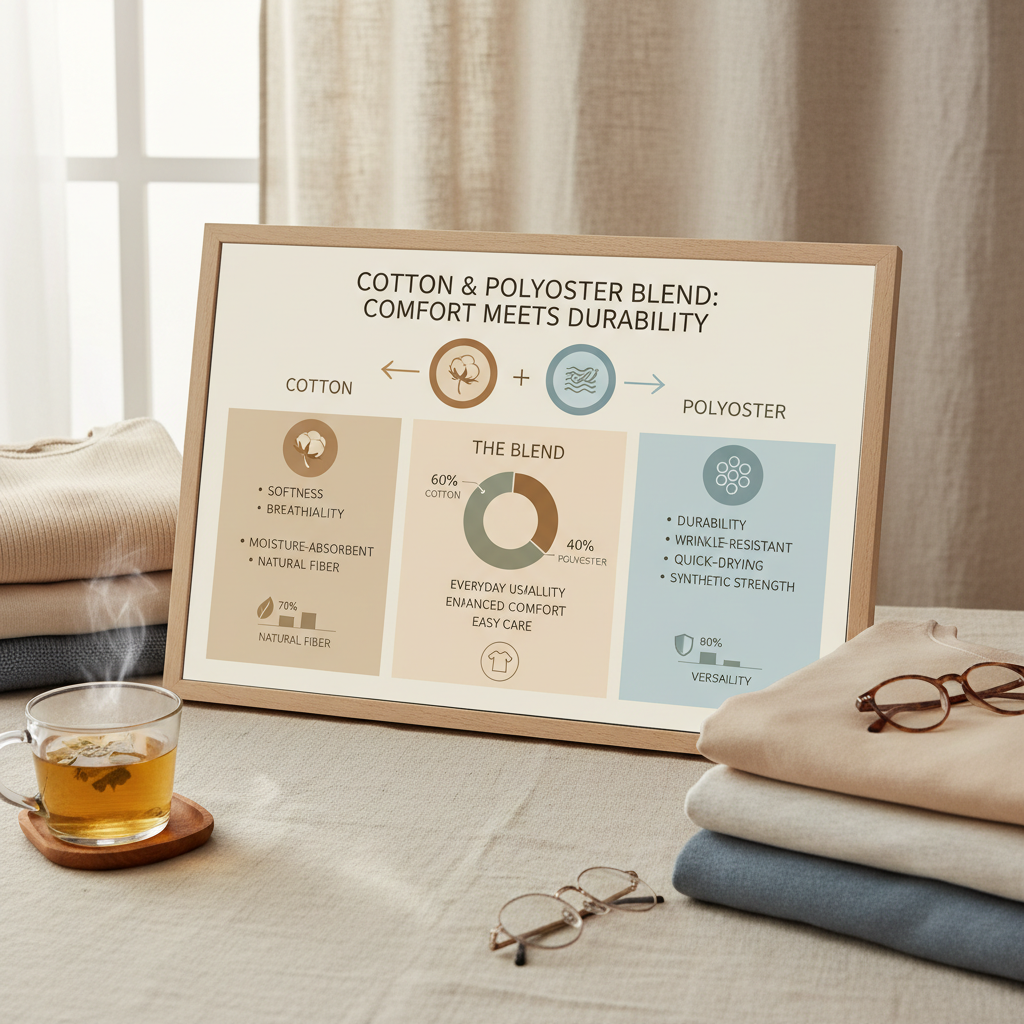
At its core, a cotton and polyester blend is a textile created by interweaving cotton fibers – a natural staple fiber known for its softness and breathability – with polyester fibers – a synthetic fiber renowned for its strength, wrinkle resistance, and durability. The ratio of cotton to polyester can vary significantly, impacting the fabric’s final characteristics and intended use.
This blend isn’t simply about mixing two materials; it’s a deliberate design choice. Combining cotton's inherent comfort with polyester’s performance benefits creates a fabric that outperforms either material on its own in many applications. It’s a prime example of synergistic material science in action.
The connection to modern industry and humanitarian needs stems from its affordability, ease of production, and wide range of properties. From providing durable uniforms for essential workers to crafting comfortable clothing for everyday wear, cotton and polyester blend fulfills a crucial role in meeting global textile demands.
Core Components and Characteristics
The defining characteristic of cotton and polyester blend lies in the complementary properties of its constituent fibers. Cotton contributes softness, breathability, and a natural feel, while polyester provides strength, wrinkle resistance, and enhanced durability. The specific percentage of each fiber dictates the final fabric’s properties.
Let's explore some key characteristics: Durability: Polyester significantly enhances the fabric’s resistance to wear and tear. Wrinkle Resistance: Polyester reduces wrinkling, making the blend easier to care for. Cost-Effectiveness: Polyester is generally less expensive than cotton, lowering the overall cost of the fabric. Breathability: Cotton maintains a degree of breathability, ensuring comfort. Color Retention: Polyester holds dye better, leading to richer and longer-lasting colors.
These properties translate directly into practical benefits across numerous applications.
Practical Applications Across Industries
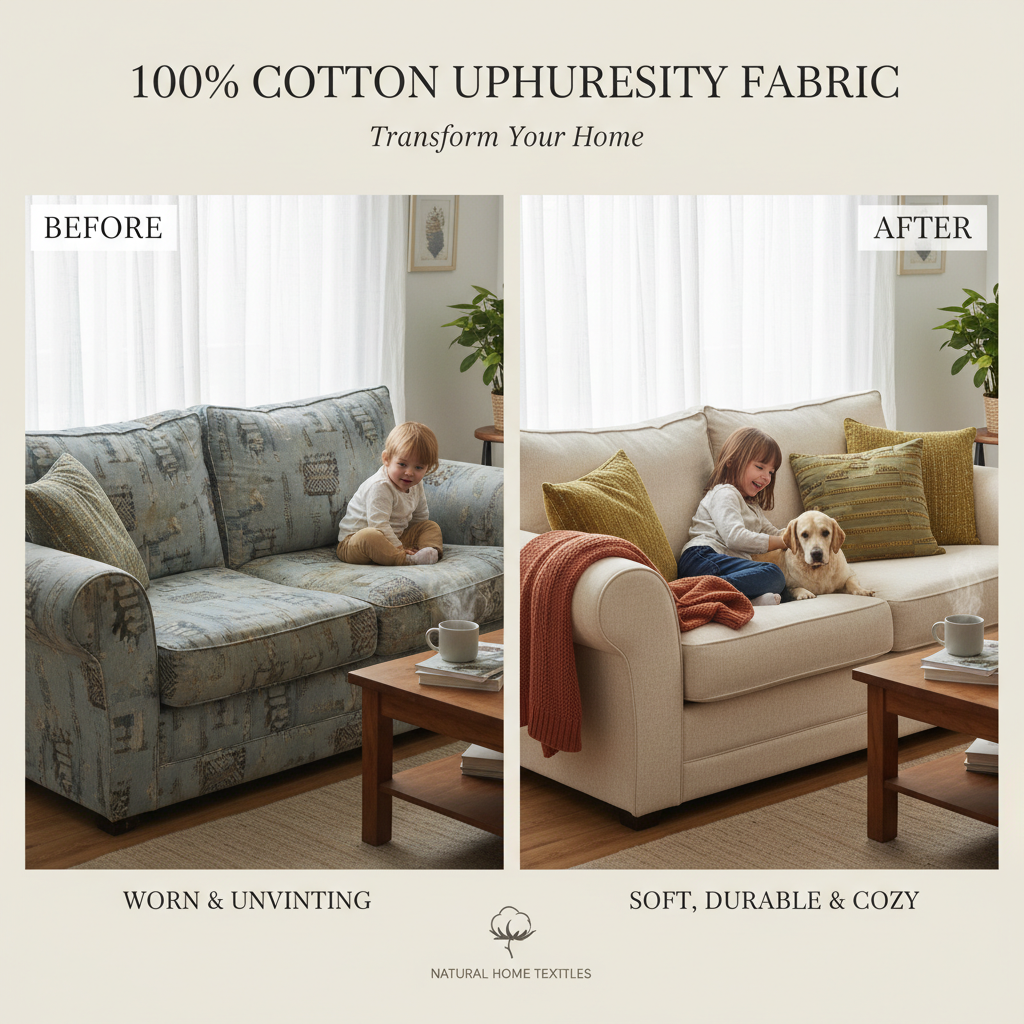
The versatility of cotton and polyester blend is evident in its widespread adoption across diverse industries. In the apparel sector, it's used extensively for t-shirts, jeans, sportswear, and workwear, offering a balance of comfort and durability. The blend is also a staple in home textiles, appearing in bedding, towels, and upholstery fabrics.
Applications of Different cotton and polyester blend Ratios
Advantages and Long-Term Value Proposition
The advantages of utilizing cotton and polyester blend fabrics extend beyond immediate functionality. The cost efficiency of the blend makes it accessible to a wider range of consumers, contributing to economic inclusivity. Its durability reduces the need for frequent replacements, lowering lifetime costs.
The long-term value is further enhanced by its relatively low environmental impact compared to 100% synthetic fabrics. While polyester production does have environmental concerns, blending it with natural cotton reduces overall reliance on petroleum-based materials. This balance of practicality, affordability, and environmental consideration positions cotton and polyester blend as a sustainable choice for the future.
Future Trends and Innovations in Blends
Innovation in cotton and polyester blend is focused on enhancing sustainability and performance. Researchers are exploring the use of recycled polyester, derived from plastic bottles and other waste materials, to reduce the environmental footprint. Furthermore, advancements in fiber spinning technologies are creating blends with improved softness and breathability.
The integration of smart textiles – fabrics embedded with sensors and electronics – is also a promising trend. Cotton and polyester blend provides a suitable base for these technologies, offering a comfortable and durable platform for wearable sensors and interactive garments.
Challenges and Potential Solutions
Despite its numerous advantages, cotton and polyester blend faces challenges related to microplastic shedding during washing and the environmental impact of polyester production. Microplastics contribute to marine pollution and pose a threat to aquatic ecosystems.
Potential solutions include developing tighter fiber weaves to reduce shedding, utilizing biodegradable polyester alternatives, and promoting the use of washing machine filters to capture microplastics. Investing in research and development to create more sustainable polyester production processes is also crucial.
Furthermore, implementing robust textile recycling programs can help minimize waste and recover valuable materials, closing the loop and promoting a circular economy for cotton and polyester blend textiles.
Summary of Challenges and Solutions for Cotton and Polyester Blend
| Challenge |
Impact Area |
Solution Strategy |
Implementation Priority (1-5, 5=Highest) |
| Microplastic Shedding |
Environmental Pollution |
Tighter Weaves & Washing Filters |
4 |
| Polyester Production Emissions |
Climate Change |
Sustainable Production Processes |
5 |
| Textile Waste Generation |
Landfill Overload |
Recycling Infrastructure & Circular Economy |
4 |
| Cotton Production Water Usage |
Water Scarcity |
Water-Efficient Irrigation Techniques |
3 |
| Dependence on Petroleum-Based Polyester |
Resource Depletion |
Bio-Based Polyester Alternatives |
3 |
| Lack of Transparency in Supply Chain |
Ethical Concerns |
Traceability Systems & Certification |
2 |
FAQS
Generally, a higher polyester content (e.g., 65/35) provides superior durability and wrinkle resistance. However, this can come at the cost of reduced breathability and a less soft feel. The ideal ratio depends on the intended application; for heavy-duty workwear, a higher polyester percentage is preferred, while for everyday comfort, a more balanced blend (50/50) might be suitable. Recent advancements are also creating blends with improved properties even with high polyester content.
Yes, cotton and polyester blend is typically machine washable, making it a convenient choice for everyday wear. However, it's crucial to follow the care instructions on the garment label. Generally, washing in cold water and tumble drying on low heat is recommended to prevent shrinkage and maintain color vibrancy. Avoid using harsh detergents or bleach, as they can damage the fibers.
Compared to 100% cotton, cotton and polyester blend often has a lower water consumption during production, as polyester requires significantly less water. However, the polyester component contributes to microplastic pollution and relies on fossil fuels. Blends incorporating recycled polyester offer a more sustainable option. Overall, the environmental impact is generally lower than 100% polyester but higher than organically grown cotton.
While generally well-tolerated, individuals with very sensitive skin or allergies should consider the specific blend ratio. Higher cotton content is preferable as it's naturally hypoallergenic. Look for certifications like OEKO-TEX® Standard 100, which ensures the fabric has been tested for harmful substances. Washing the garment before first wear can also help remove any residual chemicals from the manufacturing process.
Ring-spun cotton produces a softer, stronger, and more durable yarn. This is because the fibers are twisted tightly together during the spinning process. Open-end cotton is more cost-effective to produce but results in a slightly coarser and weaker yarn. Ring-spun cotton and polyester blends are generally preferred for higher-quality garments where comfort and longevity are paramount.
The breathability and moisture-wicking properties of the blend depend on the ratio. Higher cotton content promotes better breathability, while polyester enhances moisture-wicking. A balanced blend offers a reasonable compromise, providing both comfort and the ability to manage sweat. Specific fabric constructions, like pique or interlock, can further improve these properties.
Conclusion
In conclusion, cotton and polyester blend fabrics represent a remarkable example of material synergy, successfully combining the best attributes of natural and synthetic fibers. Its versatility, affordability, and durability have established it as a cornerstone of the modern textile industry. From everyday apparel to specialized industrial applications, the blend continues to meet evolving consumer demands and address critical societal needs.
Looking ahead, continued innovation in sustainable polyester production, coupled with the development of advanced recycling technologies, will be essential for maximizing the long-term benefits of cotton and polyester blend. We invite you to explore our range of high-quality cotton and polyester blend fabrics and discover how we can help you meet your textile needs.