Understanding the poly cotton price is essential for textile procurement managers and garment manufacturers who seek a balance between the luxury of cotton and the resilience of polyester. This blended fabric is designed to optimize cost without sacrificing the tactile quality required for high-end apparel and industrial textiles.
The volatility of raw material costs often creates challenges in budgeting for large-scale production. By analyzing the factors that influence poly cotton price, businesses can better predict expenditure and select the ideal blend ratio to meet specific functional requirements such as anti-static properties or organic certifications.
This comprehensive analysis provides a deep dive into current market pricing trends, the technical trade-offs between various blend ratios, and strategic procurement advice to help you secure high-grade fabrics while maintaining a competitive cost structure.

1Fundamentals of Poly-Cotton Blends

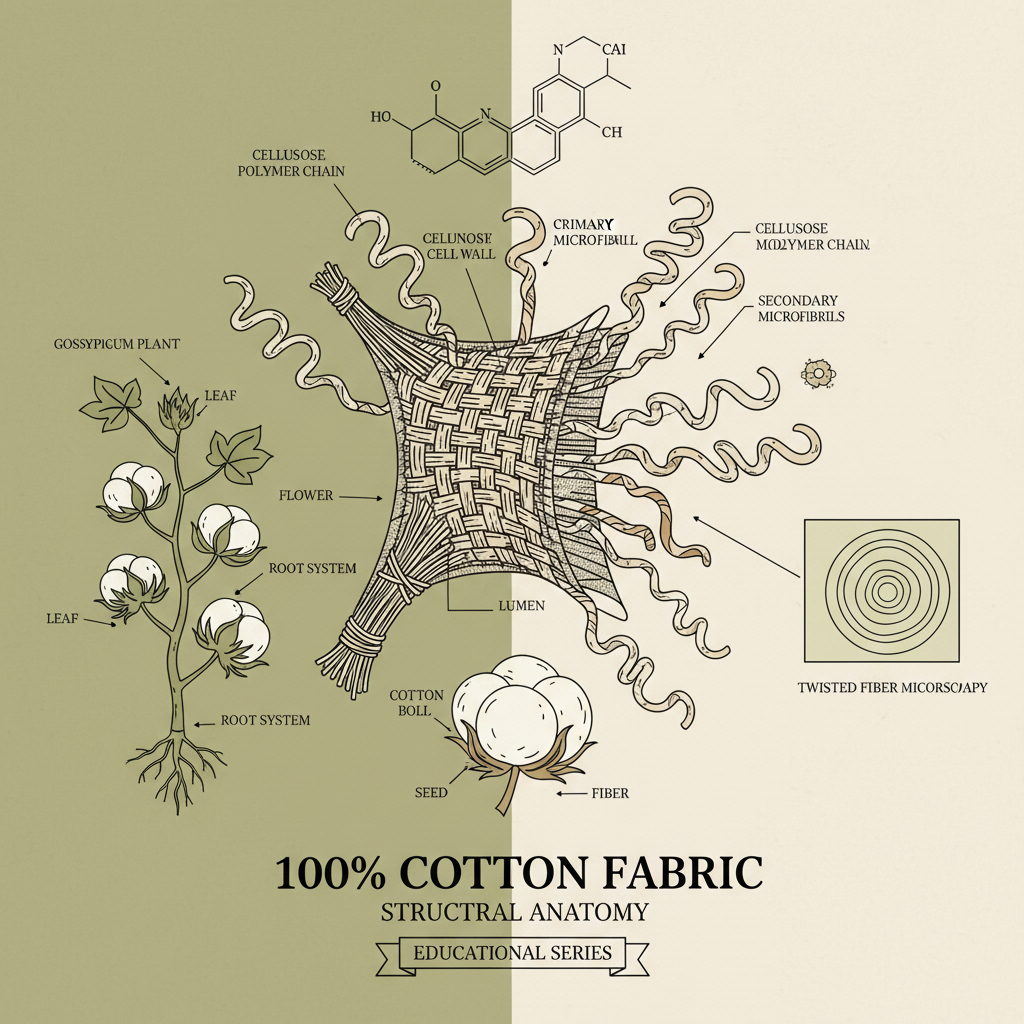
Poly-cotton is a textile blend that integrates the natural comfort of cotton with the synthetic strength of polyester. This synergy results in a fabric that is more durable than pure cotton and more breathable than pure polyester. In the global textile industry, this blend is a staple for everything from professional uniforms to home upholstery due to its versatility.
From a manufacturing perspective, the process involves spinning polyester and cotton fibers together before weaving or knitting. This ensures a uniform distribution of properties across the fabric surface, preventing the "pilling" effect often seen in lower-quality blends.
For buyers, the primary attraction is the reduced maintenance requirement. Poly-cotton fabrics are generally more resistant to wrinkles and shrinkage, which lowers the total cost of ownership for the end consumer, making it a commercially viable option for mass-market apparel.
2Key Factors Influencing Market Pricing
The poly cotton price is not static; it is driven by a complex interplay of raw material costs and manufacturing overheads. Cotton prices are subject to agricultural yields and climate conditions, while polyester is tied to the petrochemical market, specifically the price of PTA and MEG.
Beyond raw materials, the finishing process plays a significant role. Specialized treatments such as anti-static, anti-pill, or organic certifications (like BCI or O-TEX) add value and subsequently increase the per-meter cost. High-density weaves, such as twill, typically command a premium over plain weaves.
Additionally, the geographical location of the production facility impacts the final price. Logistics, labor costs in regions like Hebei Province, and the scale of the plant—such as those with over 40,000 spindles—allow for economies of scale that can lower the unit price for bulk buyers.
3Industrial Applications and Use Cases
The versatility of poly-cotton makes it suitable for a wide array of sectors. In the medical field, specifically for scrubs and lab coats, the blend is preferred for its ability to withstand frequent high-temperature sterilization without losing structural integrity.
In the corporate and education sectors, uniform fabrics rely heavily on this blend. The ability to maintain a crisp, professional look throughout a workday without excessive ironing is a primary reason why procurement officers prioritize specific poly-cotton ratios.
Beyond clothing, poly-cotton is extensively used in home textiles, including sofa covers and heavy-duty curtains. Its resistance to fading under UV light makes it an excellent choice for interior design where durability and aesthetic consistency are paramount.
4Comparative Performance Metrics
When evaluating the poly cotton price, it is critical to look at the value proposition rather than just the cost. The following metrics illustrate how optimized blends outperform standard industry averages in terms of longevity and operational efficiency.
A higher grade of fabric, such as that produced by experienced manufacturers with 30+ years of ODM expertise, typically shows a marked improvement in color retention and tensile strength, reducing the replacement cycle for the end-user.
poly cotton price Performance Metrics
The data suggests that while the initial investment in a premium blend might be slightly higher, the reduction in maintenance costs and the increase in garment lifespan result in a lower long-term expenditure for the client.
5Procurement Strategies for Bulk Orders
For enterprises ordering large volumes, negotiating the poly cotton price requires a technical understanding of the supply chain. Sourcing from a manufacturer that integrates spinning, weaving, printing, and dyeing reduces the number of intermediaries and minimizes the risk of quality variance.
Flexible order terms, such as the acceptance of small trial orders before transitioning to mass production, are vital for testing market acceptance of a new fabric weight or color. This staged approach prevents overstocking of unsuitable materials.
Furthermore, verifying certifications such as ISO 9001 and O-TEX ensures that the fabric meets international safety and quality standards, which is non-negotiable for exporters targeting markets in North America and Europe.
6Future Trends in Sustainable Blends
The textile industry is shifting toward "green" blends. The introduction of recycled polyester (rPET) combined with organic cotton is beginning to influence the poly cotton price, as sustainable materials often carry a premium due to the specialized collection and processing required.
Innovation in dyeing technology is also reducing the environmental footprint. Waterless dyeing and the use of non-toxic pigments are becoming standard requirements for brands looking to comply with increasingly strict global environmental regulations.
Looking ahead, the integration of smart fibers—such as those providing antimicrobial properties or temperature regulation—will create new niches in the poly-cotton market, further diversifying the pricing tiers based on functional intelligence.
7Fabric Selection Decision Matrix
Choosing the right fabric involves balancing the poly cotton price against the intended use. Whether you need the stretch of spandex-blended gabardine or the softness of flannel, the technical specifications must align with the wearer's environment.
The table below compares common poly-cotton variations to help procurement teams make an informed decision based on the priority of the end product.
| Fabric Type | Primary Strength | Ideal Application | Price Impact |
|---|---|---|---|
| Twill Blend | High Durability | Workwear/Trousers | Moderate Increase |
| Plain Blend | Breathability | Basic Shirts | Baseline Price |
| Gabardine | Water Resistance | Outerwear/Suits | High Premium |
| Spandex Blend | Flexibility | Activewear/Medical | Moderate Increase |
| Flannel Blend | Thermal Insulation | Winter Apparel | Variable |
| Voile Blend | Lightweight | Summer Clothing | Low to Moderate |
Ultimately, the most cost-effective choice is one that minimizes the frequency of replacement while maximizing user comfort. Consulting with a manufacturer that offers free sample analysis is the most reliable way to validate these choices.
Frequently Asked Questions
Conclusion
Navigating the poly cotton price requires a strategic approach that balances immediate material costs with long-term garment performance. By understanding the influence of raw material markets and the technical benefits of various blend ratios, procurement teams can optimize their supply chain for both quality and value.
For businesses seeking high-grade textile solutions with proven manufacturing expertise, reviewing the available product specifications at www.jiexiangtextile.com can provide the necessary insights to make a data-driven purchasing decision.