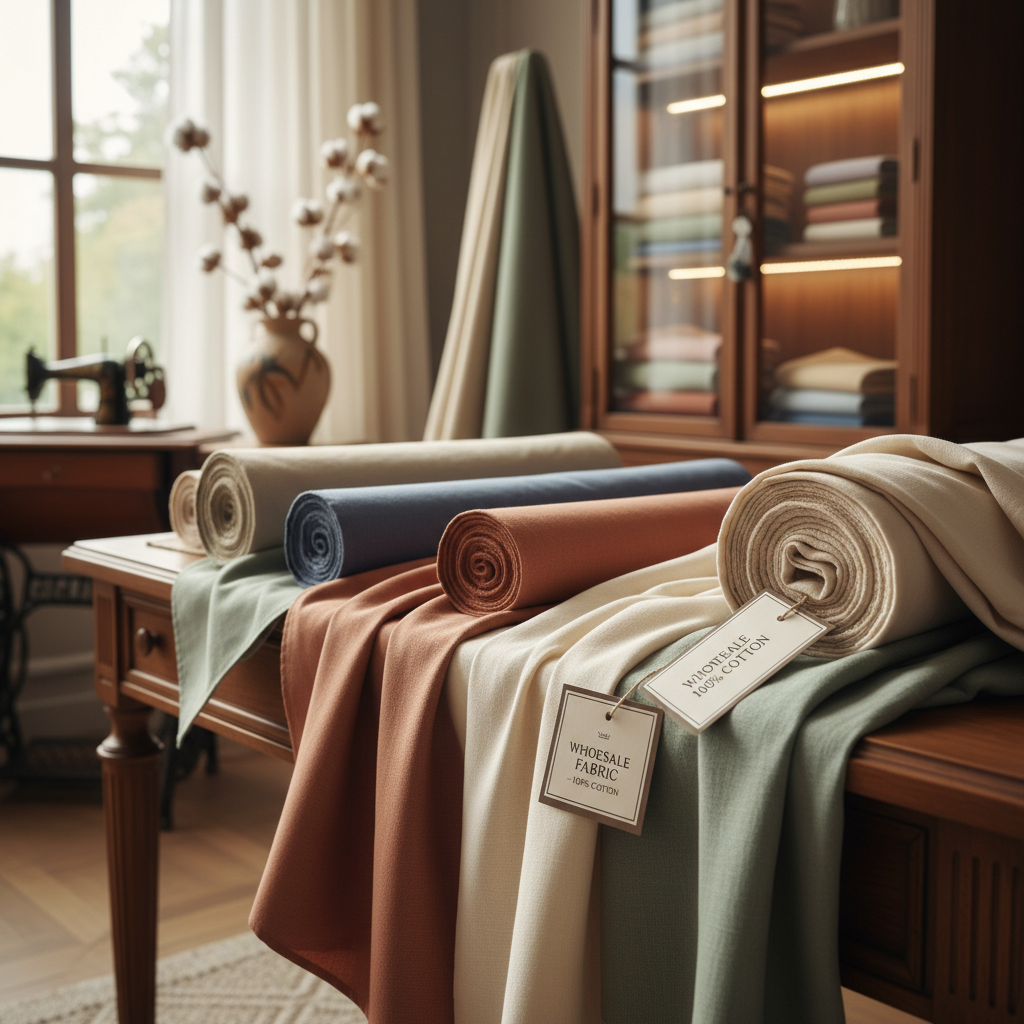
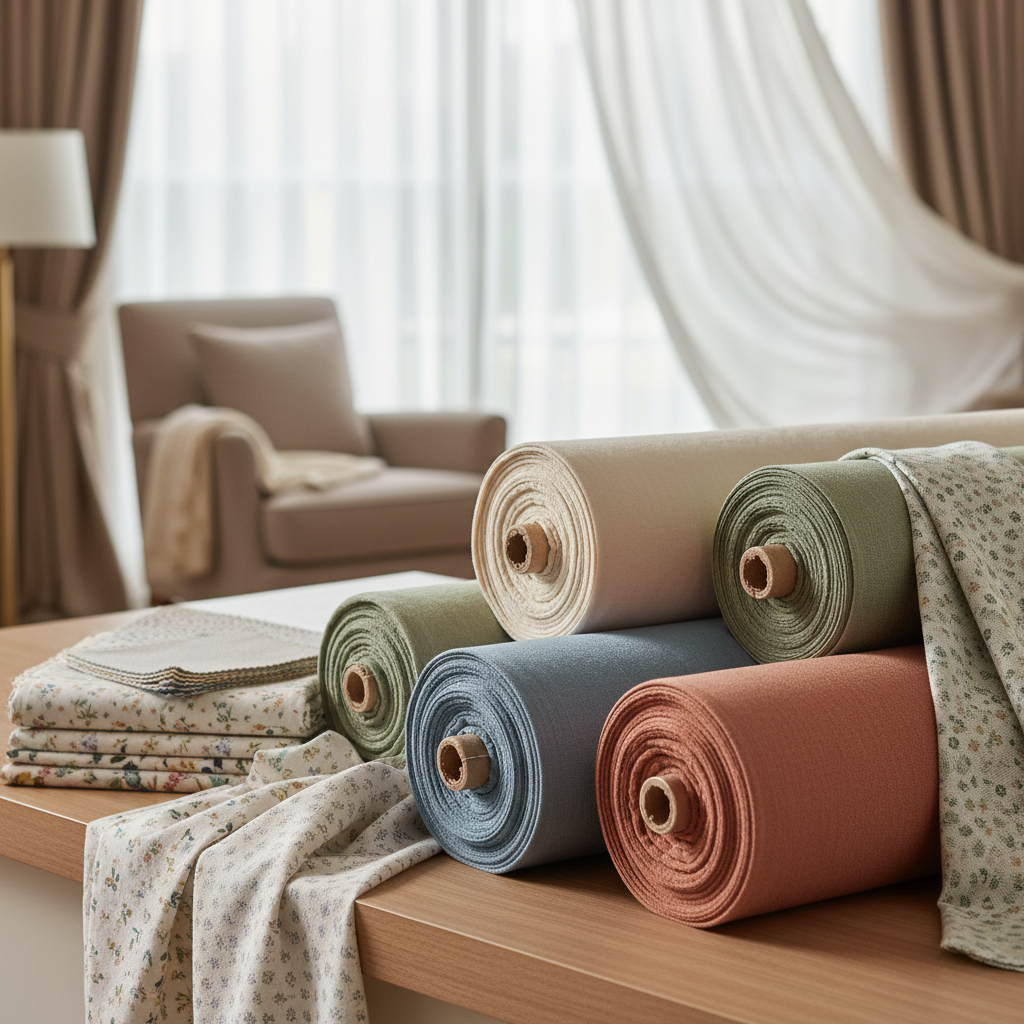
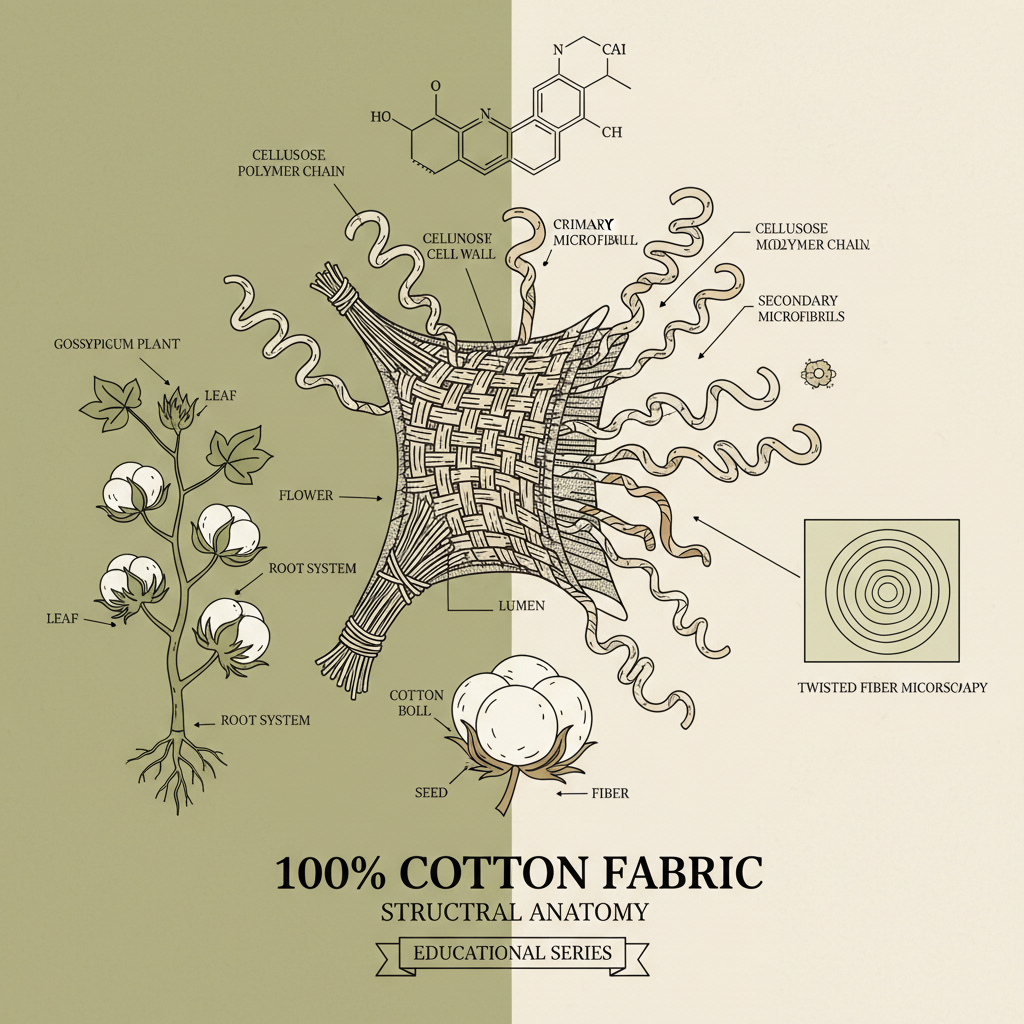
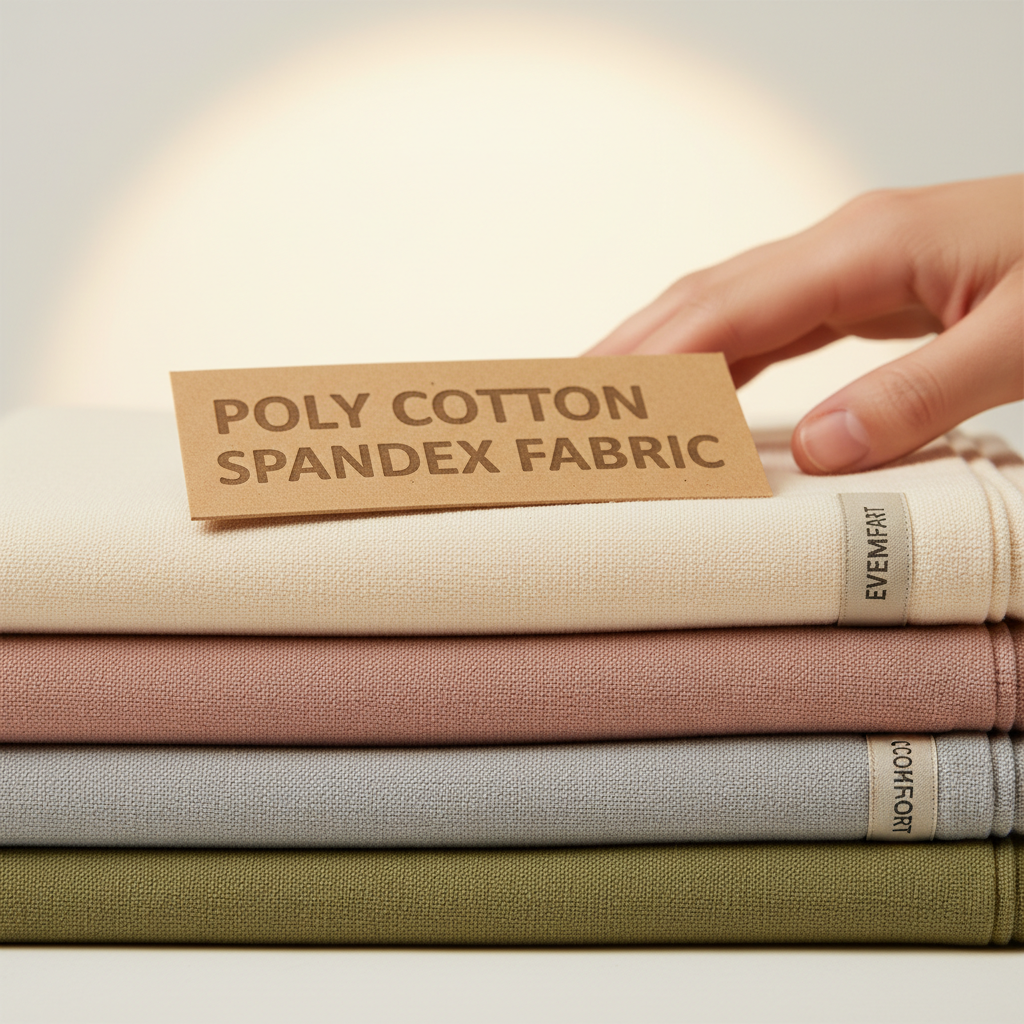
Wholesale fabric 100 cotton plays a crucial role in the global textile industry, serving as a fundamental material for a wide array of applications, from apparel and home furnishings to industrial products. Its demand stems from its inherent qualities - comfort, breathability, and affordability - making it a popular choice for manufacturers and consumers alike. Understanding the intricacies of sourcing, quality control, and market trends related to wholesale fabric 100 cotton is vital for businesses operating within this sector.
The market for wholesale fabric 100 cotton is driven by several factors including population growth, increasing disposable incomes in developing countries, and the rising demand for sustainable and natural fibers. This demand necessitates robust supply chains and efficient distribution networks to meet the needs of manufacturers globally. The ability to reliably source high-quality wholesale fabric 100 cotton is a significant competitive advantage.
Furthermore, the sustainability aspect of cotton production is increasingly important. Consumers are actively seeking eco-friendly options, leading manufacturers to prioritize sourcing organic and responsibly produced wholesale fabric 100 cotton. This trend is influencing industry standards and promoting more ethical practices throughout the supply chain.
The Global Significance of wholesale fabric 100 cotton
The global wholesale fabric 100 cotton market is estimated to be worth billions of dollars annually, with major production hubs located in countries like India, China, the United States, and Pakistan. According to the United Nations Comtrade database, cotton fiber exports totaled over $45 billion in 2022, demonstrating its significant economic impact. This underscores the vital role wholesale fabric 100 cotton plays in international trade and employment.
A significant challenge within this market is maintaining ethical sourcing and addressing environmental concerns associated with conventional cotton farming. Issues like water usage, pesticide application, and fair labor practices require careful consideration and adherence to industry standards. The growing demand for sustainable alternatives is pushing manufacturers to explore organic and recycled wholesale fabric 100 cotton options.
Defining Wholesale Fabric 100 Cotton
Wholesale fabric 100 cotton refers to cotton fibers that haven’t been blended with any other materials, sold in large quantities directly to businesses, such as garment manufacturers, textile mills, and retailers. This contrasts with retail sales, where fabric is sold in smaller quantities directly to consumers. Wholesale fabric 100 cotton is typically available in various forms including raw cotton, yarn, and finished fabrics like muslin, denim, and canvas.
Its connection to modern industry is undeniable, serving as the foundation for countless products we use daily. From the clothing we wear to the bedding we sleep in, wholesale fabric 100 cotton is a cornerstone of the textile supply chain. The quality, price, and availability of this fabric directly impact the cost and accessibility of these essential goods.
Importantly, it also impacts humanitarian efforts. Wholesale fabric 100 cotton is frequently used in the production of essential items for disaster relief and humanitarian aid, offering comfort and hygiene to those in need. Its affordability and practicality make it an ideal material for such applications.
Core Characteristics of wholesale fabric 100 cotton
Durability is a key attribute of wholesale fabric 100 cotton. When properly woven and cared for, it can withstand repeated washing and wear, making it a long-lasting material for various applications. This resilience translates to cost savings for consumers and manufacturers over time.
Breathability is another significant advantage. The natural fibers allow for air circulation, keeping the wearer cool and comfortable, especially in warmer climates. This makes wholesale fabric 100 cotton ideal for clothing, bedding, and other items requiring good ventilation.
Absorbency is a naturally occuring characteristic, allowing it to effectively wick away moisture, providing comfort during physical activities. This property also makes it suitable for towels, medical dressings, and other absorbent products. It’s also a good base for dyes, resulting in vibrant and long-lasting colors.
Applications Across Industries
Wholesale fabric 100 cotton finds extensive application in the apparel industry, forming the basis of everything from t-shirts and jeans to dresses and suits. The versatility of cotton allows for a wide range of weaves and finishes, catering to diverse fashion trends and consumer preferences.
Beyond apparel, it is heavily used in the home textile sector. Sheets, towels, blankets, and curtains are all frequently made from wholesale fabric 100 cotton due to its comfort, durability, and ease of care. This translates to a strong demand from retailers specializing in home goods.
Usage of wholesale fabric 100 cotton by Industry
Global Market Dynamics
The wholesale fabric 100 cotton market is heavily influenced by global agricultural conditions, particularly weather patterns and pest infestations, which can impact cotton yields and prices. Political instability and trade policies in major producing countries can also disrupt supply chains and affect market prices.
Demand from emerging economies, particularly in Asia, is a significant driver of market growth. Increased consumer spending and a growing middle class in these regions are fueling the demand for textile products made from wholesale fabric 100 cotton.
Advantages and Long-Term Value
Cost-effectiveness is a major advantage of wholesale fabric 100 cotton. Compared to some synthetic fibers, it is relatively affordable to produce, making it accessible to a wide range of manufacturers. This cost advantage translates to lower prices for consumers and increased competitiveness for businesses.
Sustainability is gaining prominence as a key benefit. Organic and responsibly sourced wholesale fabric 100 cotton reduces the environmental impact of textile production, aligning with the growing demand for eco-friendly products. This commitment to sustainability enhances brand reputation and appeals to environmentally conscious consumers.
Future Trends & Sustainability
The increasing adoption of innovative technologies, such as precision farming and biotechnology, is expected to improve cotton yields and reduce the environmental impact of cotton cultivation. These advancements will contribute to a more sustainable and efficient supply chain for wholesale fabric 100 cotton.
The development of new recycling technologies will enable the recovery and reuse of cotton fibers, reducing waste and promoting a circular economy. This will lessen the reliance on virgin cotton and decrease the environmental footprint of the textile industry.
Furthermore, blockchain technology is being explored to enhance traceability and transparency within the supply chain, ensuring ethical sourcing and verifying the authenticity of organic and sustainable wholesale fabric 100 cotton.
Analysis of Sustainability Aspects in wholesale fabric 100 cotton Production
| Environmental Impact |
Social Responsibility |
Economic Viability |
Traceability & Transparency |
| Water Usage (Rating: 6/10) |
Fair Labor Practices (Rating: 7/10) |
Production Costs (Rating: 8/10) |
Supply Chain Visibility (Rating: 4/10) |
| Pesticide Use (Rating: 5/10) |
Worker Safety (Rating: 7/10) |
Market Demand (Rating: 9/10) |
Certification Standards (Rating: 6/10) |
| Land Degradation (Rating: 4/10) |
Community Development (Rating: 6/10) |
Price Volatility (Rating: 5/10) |
Auditing Processes (Rating: 5/10) |
| Carbon Footprint (Rating: 6/10) |
Ethical Sourcing (Rating: 7/10) |
Investment Returns (Rating: 7/10) |
Data Accuracy (Rating: 4/10) |
| Biodiversity Loss (Rating: 3/10) |
Human Rights (Rating: 8/10) |
Supply Chain Resilience (Rating: 6/10) |
Regulatory Compliance (Rating: 7/10) |
| Waste Management (Rating: 5/10) |
Empowerment of Farmers (Rating: 6/10) |
Innovation Adoption (Rating: 7/10) |
Brand Reputation (Rating: 8/10) |
FAQS
When sourcing wholesale fabric 100 cotton, it’s crucial to consider factors like fiber quality (staple length, strength), yarn count, weave type, finish, and certifications (e.g., Organic Cotton Standard, OEKO-TEX). Also, assess the supplier’s reliability, production capacity, pricing, and lead times. Understanding your specific application requirements is essential to selecting the right fabric for your needs. Focusing on ethical and sustainable sourcing is also highly recommended.
Staple length refers to the length of the individual cotton fibers. Longer staple fibers (like Pima or Egyptian cotton) produce softer, stronger, and more durable fabrics. They also result in a smoother surface with less pilling. Shorter staple fibers, while more affordable, often create fabrics that are coarser and less durable. Choosing the appropriate staple length depends on the intended use of the fabric.
Organic wholesale fabric 100 cotton is grown without the use of synthetic pesticides, herbicides, or fertilizers. This reduces environmental impact, protects biodiversity, and minimizes exposure to harmful chemicals for farmers and consumers. It is a more sustainable and ethically responsible choice, appealing to environmentally conscious customers. Certifications like GOTS (Global Organic Textile Standard) verify the authenticity of organic cotton.
Ensuring ethical sourcing involves verifying fair labor practices, safe working conditions, and responsible environmental stewardship throughout the supply chain. Look for suppliers with certifications like Fairtrade or those that adhere to social compliance audits. Traceability is key – understanding the origin of the cotton and the processes involved in its production. Direct relationships with farmers can also foster ethical practices.
Both combed and carded cotton undergo processes to align the fibers, but combing removes shorter fibers, impurities, and debris, resulting in a smoother, stronger, and more refined fabric. Carded cotton retains more of the shorter fibers, making it more affordable but slightly less soft and durable. Combed cotton is ideal for higher-quality products.
Lead times for wholesale fabric 100 cotton can vary significantly depending on the quantity ordered, the fabric type, the supplier's production schedule, and shipping distances. Typically, lead times range from 2 to 8 weeks. It's essential to discuss specific requirements with the supplier and factor in potential delays due to customs clearance or unforeseen circumstances. Placing orders well in advance is recommended.
Conclusion
In conclusion, wholesale fabric 100 cotton remains a cornerstone of the global textile industry, valued for its versatility, comfort, and affordability. However, its future relies increasingly on sustainable practices and ethical sourcing. Understanding the nuances of quality, production, and market dynamics is essential for businesses operating within this sector. Prioritizing transparency, traceability, and responsible environmental stewardship will be key to ensuring the long-term viability of the wholesale fabric 100 cotton industry.
Looking ahead, embracing innovation in cotton cultivation, recycling technologies, and supply chain management will unlock new opportunities for growth and sustainability. Investing in research and development, supporting farmer communities, and promoting consumer awareness are crucial steps toward a more responsible and resilient future for wholesale fabric 100 cotton. Visit our website at wholesale fabric 100 cotton to explore our range of high-quality options.