Securing a consistent supply of quality shirting materials often begins with a complex analysis of the cotton shirt fabric price, a metric that fluctuates based on raw material costs, weaving complexity, and finishing processes. For garment manufacturers and wholesalers, understanding these cost drivers is not merely about finding the lowest number, but about balancing fabric performance with budgetary constraints.
The global textile market is currently witnessing a shift where buyers are moving away from generic commodities toward functional blends. Whether it is the breathability of pure cotton or the wrinkle-resistance of TR blends, the price is a reflection of the technical value embedded in the yarn and the precision of the looms used during production.
In this guide, we examine the variables that influence pricing and provide a procurement framework to help businesses optimize their sourcing strategies without compromising on the hand-feel or durability of the final garment.

Analyzing the Primary Drivers of Fabric Pricing

The price of shirting fabric is rarely a static figure; it is a dynamic result of the supply chain's efficiency. At the foundational level, the cost of raw cotton fibers and the energy required for spinning dictate the baseline. However, the transition from grey fabric to a finished, dyed, or printed product introduces significant cost variables.
Manufacturing scale also plays a critical role. Large-scale facilities, such as those operating with tens of thousands of spindles and hundreds of air-jet looms, can achieve economies of scale that lower the per-meter cost. The ability to integrate spinning, weaving, and dyeing under one roof reduces logistics overhead and minimizes the risk of color inconsistency across batches.
Furthermore, market demand in key regions—including North America, Europe, and the Middle East—influences pricing through shipping costs and regional quality standards. Buyers must consider whether the price includes basic bleached finishing or advanced functional treatments like anti-static or moisture-wicking properties.
Technical Specifications and Their Impact on Cost
Beyond raw materials, the structural engineering of the fabric determines its market value. Thread count, yarn fineness, and the weaving pattern (such as poplin, twill, or oxford) directly affect the amount of material used and the time spent on the loom.
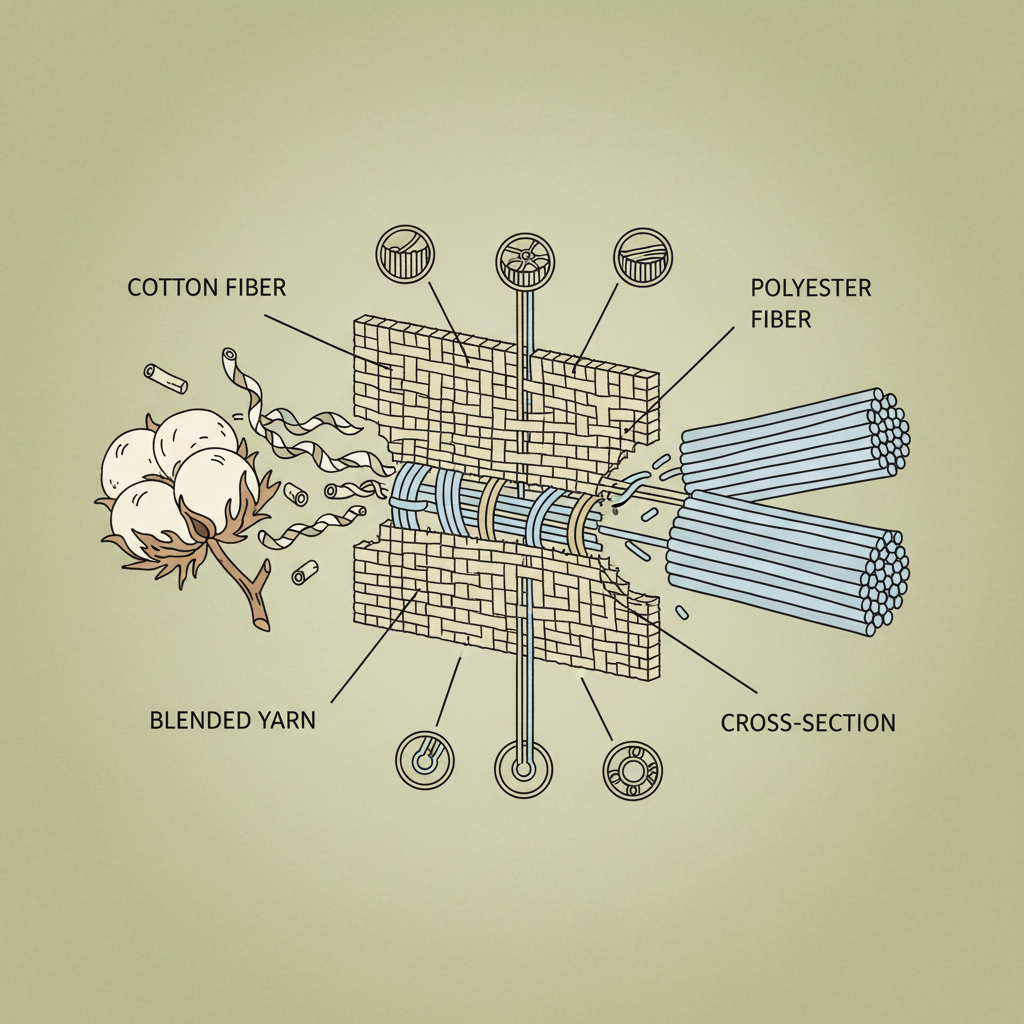
For instance, TR fabric (a blend of polyester and viscose) offers a strategic alternative to 100% cotton. By utilizing a ratio like 80/20, manufacturers can combine the durability and wrinkle resistance of polyester with the breathability and soft touch of viscose. This blend often stabilizes the price point while increasing the garment's wearable lifespan.
Finishing processes such as mercerization or chemical softening add layers of cost but significantly enhance the fabric's luster and skin-feel. These technical additions are what differentiate a budget-grade uniform fabric from a premium professional shirting material.
Application Scenarios for Different Shirt Fabrics
Selecting the right fabric requires aligning the material properties with the end-user's environment. For high-end corporate wear, the focus is on crease recovery and a crisp appearance, making fine cotton or high-quality TR blends the primary choice.
In contrast, uniforms for industrial or medical environments prioritize hygiene and durability. Medical fabrics and uniform-grade gabardines are engineered to withstand frequent high-temperature laundering and chemical exposure, which necessitates a different chemical finishing process compared to fashion shirting.
Regional preferences also dictate material choice. In the Middle East, for example, the demand for Arab gowns often leans toward fabrics that provide an optimal balance of opacity and air permeability, leading to the widespread use of specialized shirting and TR blends that can handle arid climates.
Comparing Performance Metrics Across Fabric Types
To evaluate the cost-to-performance ratio, procurement officers often use a set of benchmarks including tensile strength, color fastness, and pilling resistance. Pure cotton offers superior comfort but may fail in wrinkle-resistance tests compared to synthetic blends.
The following data illustrates how different material compositions impact key performance indicators, highlighting the trade-off between natural feel and industrial durability.
cotton shirt fabric price Performance Metrics
As indicated, while pure cotton leads in breathability, the TR blend exhibits significantly higher scores in stability and wrinkle resistance, justifying its price point for professional attire that must remain neat throughout a full workday.
Strategic Sourcing and Procurement Best Practices
Avoiding the pitfalls of "cheap" fabric requires a transition from price-based sourcing to value-based sourcing. The cheapest fabric often hides costs in the form of higher shrinkage rates or inconsistent dyeing, which leads to expensive garment rejects during the sewing process.
A robust procurement strategy involves auditing the manufacturer's capacity. For example, a facility with over 30,000 square meters of plant area and a comprehensive integrated process—spinning, weaving, and dyeing—is more likely to maintain price stability and quality consistency than a middle-man trading company.
Buyers should also request a "grey fabric" sample before final dyeing to assess the base weave quality. This ensures that the structural integrity of the shirting fabric meets the required specifications before expensive finishing processes are applied.
Future Outlook on Sustainable Textile Costs
The textile industry is likely to see a gradual increase in the cost of conventional cotton as environmental regulations tighten. This may drive a shift toward recycled polyester blends or organic cotton, which currently command a premium price due to lower yield and higher certification costs.
Automation in weaving, such as the increased adoption of advanced air-jet looms, is expected to offset some of these raw material increases by reducing labor costs and waste. We may see a trend where "smart fabrics" with antimicrobial properties become standard in the medical and professional shirting sectors.
Digital printing technologies could also disrupt the pricing model for printed shirting fabrics, allowing for smaller minimum order quantities (MOQs) and reducing the cost of inventory for fashion-forward brands.
Fabric Selection Guide for Commercial Buyers
To simplify the decision-making process, buyers can categorize their needs based on the intended use of the garment. The choice between a 100% cotton fabric and a TR blend often comes down to the balance between comfort and maintenance.
The table below provides a comparative framework for selecting shirting materials based on technical requirements and commercial application.
| Fabric Type | Key Advantage | Primary Use Case | Cost Driver |
|---|---|---|---|
| Pure Cotton | Maximum Breathability | Luxury Casual Wear | Yarn Grade/Fiber Length |
| TR Blend (80/20) | Wrinkle Resistance | Professional Uniforms | Viscose Proportion |
| Polyester Gabardine | High Durability | Heavy Duty Workwear | Weave Density |
| Medical Fabric | Hygiene/Sterility | Hospital Scrubs | Specialized Coating |
| Voile Fabric | Lightweight/Sheer | Summer Apparel | Fine Denier Yarn |
| Rayon Blend | Fluid Drape | Fashion Shirting | Chemical Processing |
By aligning these specifications with the target market, companies can optimize their procurement costs. For further details on specific fabric grades and current availability, professional buyers are encouraged to review the comprehensive product range at www.jiexiangtextile.com.
Frequently Asked Questions
Conclusion
Navigating the complexities of shirting fabric procurement requires a shift in focus from the initial purchase price to the total cost of quality. By understanding the technical drivers—from yarn composition to weaving precision—businesses can select materials that enhance the end-product's value while maintaining a sustainable budget.
Whether prioritizing the luxury of pure cotton or the efficiency of TR blends, partnering with an integrated manufacturer ensures consistency and reliability. For those seeking to optimize their supply chain, detailed technical specifications and product catalogs are available through www.jiexiangtextile.com.