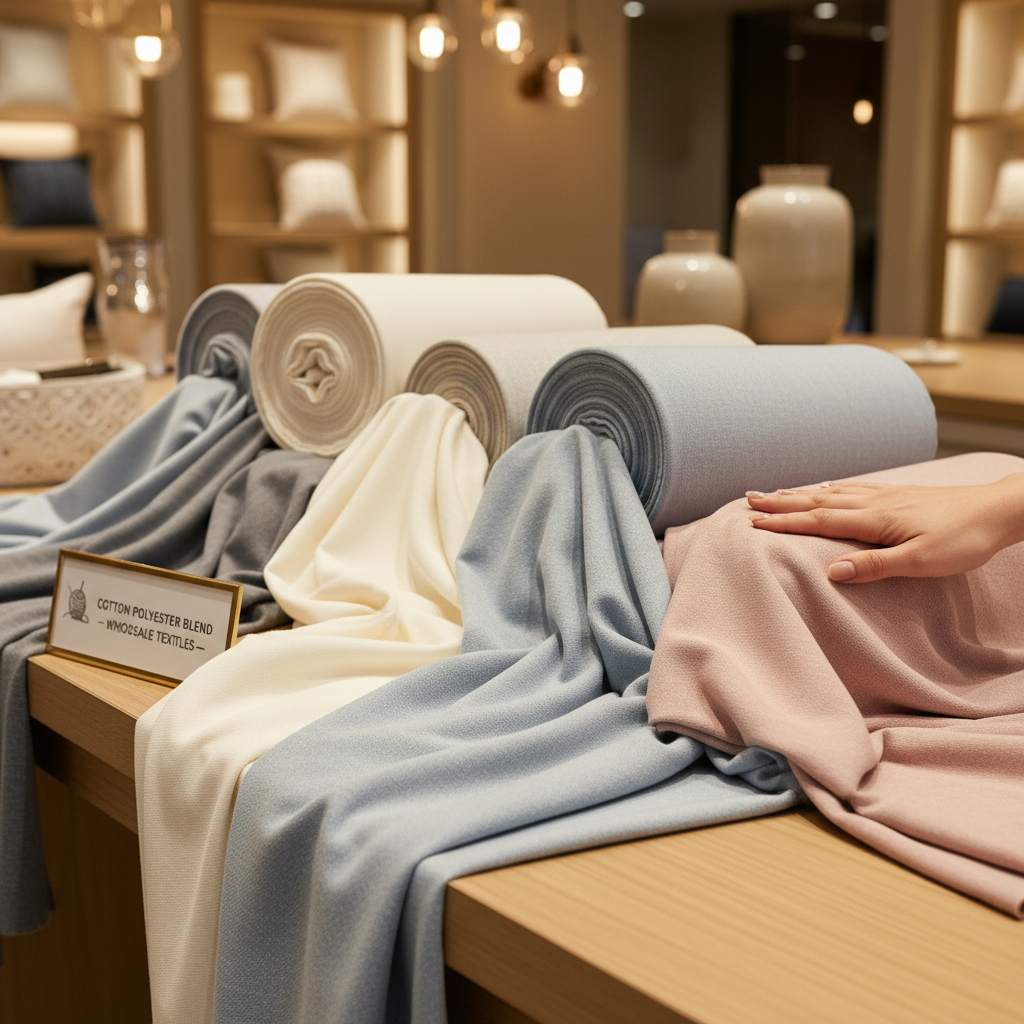
Poly cotton fabric wholesale plays a crucial role in the global textile industry, serving as a versatile and cost-effective material for a wide range of applications. Its increasing demand is driven by the need for durable, comfortable, and affordable fabrics in sectors like apparel, home textiles, and industrial applications. Understanding the intricacies of poly cotton wholesale – from sourcing and quality control to logistical considerations and emerging trends – is essential for businesses aiming to thrive in this competitive market. The accessibility of poly cotton fabric wholesale options enables businesses of all sizes to efficiently meet consumer demands.
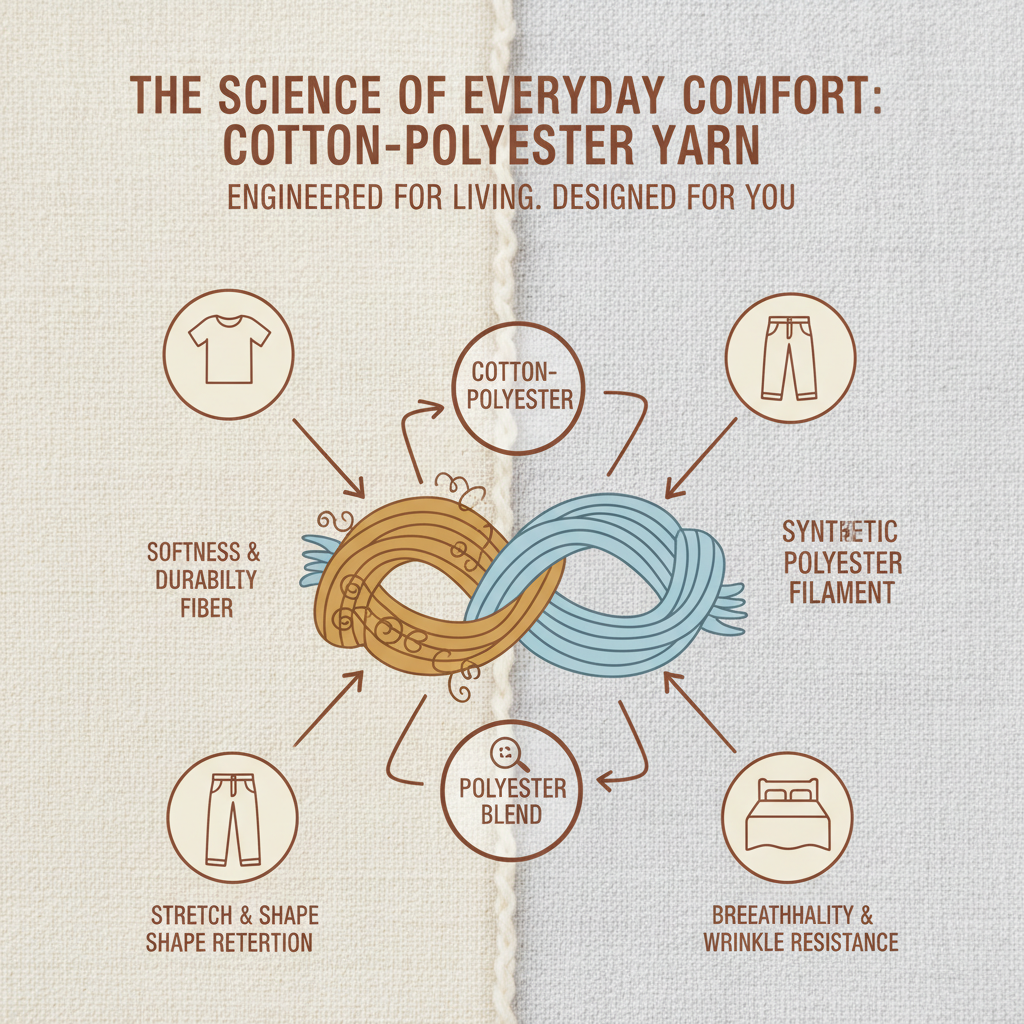
The significance of poly cotton fabric wholesale extends beyond mere cost savings. It offers a unique blend of polyester and cotton fibers, combining the strength and wrinkle resistance of polyester with the softness and breathability of cotton. This combination makes it ideal for applications requiring both comfort and durability. Global supply chains have become increasingly reliant on efficient poly cotton sourcing, particularly from regions with established textile manufacturing capabilities. This reliance has grown as demands for fast fashion and everyday apparel have intensified.
This detailed exploration will delve into the multifaceted world of poly cotton fabric wholesale, covering its definition, key factors influencing its quality and price, global applications, long-term value, future trends, challenges, and frequently asked questions. By understanding these aspects, businesses and consumers alike can make informed decisions and optimize their use of this essential fabric.
The Global Significance of poly cotton fabric wholesale
The global textile market is a multi-trillion-dollar industry, and poly cotton fabric wholesale forms a significant portion of it. According to data from the World Trade Organization (WTO), textile exports reached over $2.5 trillion in 2022, with a substantial percentage attributed to blended fabrics like poly cotton. This highlights the fabric's widespread use and economic importance. The demand for affordable and durable fabrics, coupled with the growth of fast fashion, continues to drive the demand for poly cotton fabric wholesale globally.
However, the industry faces challenges such as fluctuating raw material prices (cotton and polyester), increasing environmental concerns, and evolving consumer preferences. The need for sustainable sourcing and ethical production practices is becoming increasingly critical. Wholesalers and manufacturers are therefore seeking innovative solutions to address these challenges, including exploring recycled polyester options and improving cotton farming practices.
Defining Poly Cotton Fabric Wholesale
Poly cotton fabric wholesale refers to the bulk sale of fabrics composed of polyester and cotton fibers, typically to businesses involved in apparel manufacturing, home textiles, or industrial applications. The ratio of polyester to cotton can vary (e.g., 65/35, 50/50, 80/20), influencing the fabric's properties and suitability for specific uses. Wholesale pricing is determined by factors like fabric composition, weight, color, quantity ordered, and the supplier's location.
This practice is fundamental to modern supply chains, enabling manufacturers to secure the raw materials needed for large-scale production at competitive prices. It's crucial to distinguish between retail fabric sales (small quantities to individual consumers) and wholesale (large quantities to businesses). Wholesale transactions often involve direct relationships between manufacturers/suppliers and buyers, bypassing traditional retail channels.
Poly cotton is inextricably linked to the fast-paced world of modern fashion and production. Its ability to be produced efficiently and at scale directly supports the demand for quickly available, cost-effective garments and household goods.
Key Factors Influencing Wholesale Poly Cotton Fabric
Several key factors determine the price and quality of poly cotton fabric wholesale. The primary determinant is the blend ratio: a higher cotton content generally increases the fabric’s softness and breathability, but also its cost. Polyester content impacts durability and wrinkle resistance. Raw material costs, particularly cotton prices which fluctuate significantly due to weather patterns and global demand, play a significant role in wholesale pricing.
Another crucial factor is the fabric's construction – weaving method (e.g., plain weave, twill, jersey), yarn count, and fabric weight (measured in GSM – grams per square meter). Higher yarn counts and tighter weaves typically indicate a higher quality and price. Manufacturing location also impacts costs; countries with lower labor costs often offer more competitive wholesale prices. Finally, order volume significantly influences pricing; larger orders usually qualify for substantial discounts.
Sustainability practices are increasingly influencing purchasing decisions. Demand for organic cotton and recycled polyester is rising, impacting the price differential. Buyers are also considering the supplier’s environmental certifications and ethical labor practices, as these factors are becoming more important for brand reputation and consumer trust. Therefore, understanding these factors is vital for navigating the poly cotton fabric wholesale market effectively.
Core Components of Effective Poly Cotton Fabric Wholesale
Effective poly cotton fabric wholesale relies on several core components. Firstly, a robust supply chain is crucial, encompassing reliable sourcing of raw materials (cotton and polyester), efficient manufacturing processes, and streamlined logistics. Building strong relationships with trusted suppliers is paramount. Secondly, stringent quality control measures are necessary to ensure consistent fabric quality and adherence to specifications.
Thirdly, competitive pricing strategies are essential to attract and retain customers. This involves analyzing market trends, optimizing production costs, and offering flexible payment terms. Fourthly, exceptional customer service – including prompt communication, accurate order fulfillment, and responsive support – is vital for building long-term client relationships.
Comparative Analysis of Poly Cotton Fabric Wholesale Methods
Global Applications and Use Cases
Poly cotton fabric wholesale supports a vast array of applications globally. The apparel industry is a major consumer, utilizing it for t-shirts, jeans, dresses, workwear, and sportswear. Its affordability and durability make it an ideal choice for mass-produced clothing. The home textiles sector relies on poly cotton for bedding, towels, curtains, and upholstery.
In industrial settings, poly cotton is used for work uniforms, protective clothing, and filtration fabrics. In post-disaster relief operations, it provides cost-effective and easily deployable shelter materials. In remote industrial zones, its low maintenance and washability characteristics makes it a useful fabric for a variety of clothing and material requirements. Its versatility also extends to medical textiles, where it's used for gowns and drapes.
Advantages and Long-Term Value
The advantages of utilizing poly cotton fabric wholesale are numerous. Cost efficiency is a primary benefit, allowing businesses to maximize their profit margins. Durability and wrinkle resistance minimize the need for frequent replacements, reducing long-term expenses. Its ease of care – machine washable and dryable – simplifies maintenance and reduces labor costs.
Furthermore, the fabric’s breathability, thanks to the cotton component, enhances comfort, improving user satisfaction. Sustainable sourcing options, such as recycled polyester, contribute to environmentally responsible practices. Ultimately, poly cotton offers a balance of practicality, affordability, and comfort, making it a valuable asset for businesses across diverse sectors.
Future Trends and Innovations in Poly Cotton Fabric Wholesale
The future of poly cotton fabric wholesale is poised for innovation. The increasing demand for sustainable textiles is driving research into bio-based polyester alternatives and improved cotton farming practices. Digital technologies, such as blockchain, are being implemented to enhance supply chain transparency and traceability.
Automation in manufacturing processes, including weaving and dyeing, is expected to improve efficiency and reduce costs. The development of smart textiles – fabrics with integrated sensors or functionalities – could create new applications for poly cotton blends. Furthermore, advancements in dyeing techniques, such as waterless dyeing, are reducing the environmental impact of fabric production.
These emerging trends signal a shift towards a more sustainable, efficient, and technologically advanced poly cotton fabric wholesale industry. Businesses that embrace these innovations will be well-positioned to thrive in the evolving market.
Summary of Key Challenges and Solutions in Poly Cotton Fabric Wholesale
| Challenge |
Impact |
Proposed Solution |
Implementation Cost (1-10) |
| Fluctuating Raw Material Prices |
Reduced Profit Margins |
Long-Term Contracts with Suppliers |
4 |
| Supply Chain Disruptions |
Delayed Deliveries, Production Stoppages |
Diversifying Supplier Base |
6 |
| Sustainability Concerns |
Negative Brand Perception |
Sourcing Recycled Materials |
7 |
| Quality Control Issues |
Customer Returns, Brand Damage |
Implementing Stringent Inspection Procedures |
5 |
| Lack of Transparency |
Difficulty Tracing Origin, Ethical Concerns |
Utilizing Blockchain Technology |
8 |
| Increasing Competition |
Price Wars, Reduced Market Share |
Differentiating Through Value-Added Services |
3 |
FAQS
Minimum order quantities (MOQs) vary significantly between suppliers. Typically, they range from 500 to 1000 meters per color/design. However, some suppliers may offer lower MOQs for standard fabrics or higher MOQs for custom designs. It’s best to inquire directly with the supplier to confirm their specific requirements. Understanding MOQs is vital for budget planning.
Lead times depend on the supplier’s production capacity, order volume, and shipping destination. Generally, expect a lead time of 2-6 weeks for standard fabrics. Custom designs or large orders may require longer lead times, potentially up to 8-12 weeks. It’s crucial to factor in potential delays due to customs clearance and shipping logistics.
Common payment methods include Telegraphic Transfer (TT), Letter of Credit (LC), and PayPal. TT is often preferred for established relationships, while LC provides greater security for initial transactions. Some suppliers may also accept credit cards or other online payment platforms. Negotiating payment terms is a standard practice in wholesale transactions.
Look for certifications such as OEKO-TEX Standard 100 (ensures fabrics are free from harmful substances), GOTS (Global Organic Textile Standard – for organic cotton content), and recycled content certifications. These certifications demonstrate a commitment to quality, safety, and sustainability. Suppliers should be able to provide documentation verifying these certifications.
Request samples (lab dips and strike-offs) from the supplier to evaluate the fabric’s color, texture, and weight. Conduct basic quality tests, such as shrinkage testing and colorfastness checks. Consider hiring a third-party inspection agency to assess the fabric’s quality at the factory before shipment. Thorough quality assurance is essential to avoid costly issues.
Yes, many suppliers offer custom design and printing services. This typically involves providing the supplier with your design files and specifications (color, pattern, size). Be prepared for additional costs associated with custom designs and longer lead times. Always confirm the supplier’s capabilities and minimum order requirements for custom printing.
Conclusion
In conclusion, poly cotton fabric wholesale is a cornerstone of the global textile industry, offering a balance of cost-effectiveness, durability, and versatility. Understanding the key factors influencing its quality and price, the diverse applications it supports, and the emerging trends shaping its future is crucial for businesses and consumers alike. Successfully navigating this market requires careful consideration of sourcing strategies, quality control measures, and sustainability practices.
Looking ahead, the poly cotton fabric wholesale industry will likely see continued innovation in sustainable materials, digital technologies, and automation. By embracing these advancements, businesses can enhance efficiency, reduce environmental impact, and deliver superior value to their customers. For further information and to explore our range of poly cotton fabric wholesale options, visit our website today.