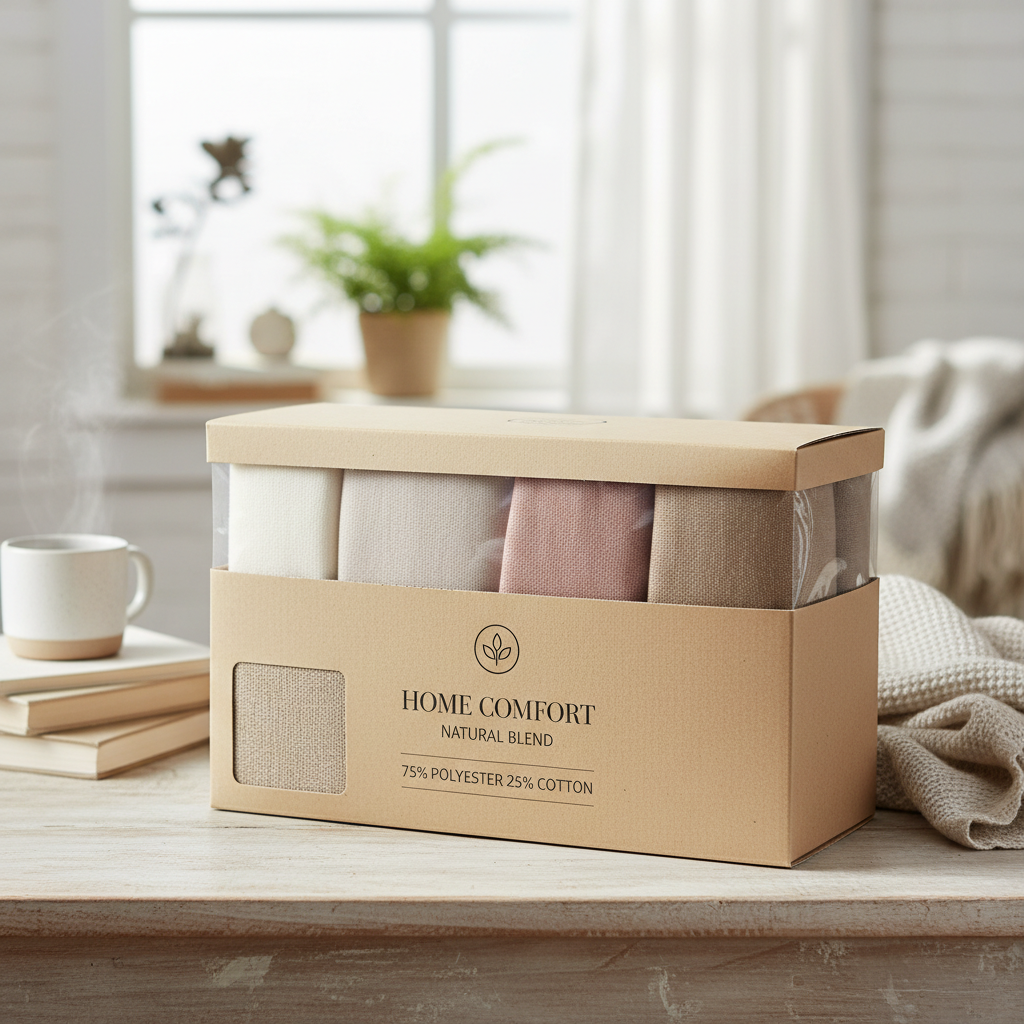
100 polyester fabric wholesale has become a cornerstone of the modern textile industry, impacting everything from fashion and home furnishings to industrial applications. Its affordability, durability, and versatility make it a preferred choice for manufacturers globally, facilitating large-scale production and enabling cost-effective solutions across diverse sectors. Understanding the intricacies of sourcing and utilizing 100 polyester fabric wholesale is crucial for businesses seeking to optimize their supply chains and deliver competitive products.
The global demand for polyester fabric continues to rise, fueled by growing populations and evolving consumer preferences. This increasing demand creates both opportunities and challenges for suppliers and buyers alike, requiring a deep understanding of market dynamics, quality control measures, and logistical considerations. Access to reliable 100 polyester fabric wholesale suppliers is therefore paramount for success in today's competitive landscape.
Ultimately, the efficient and responsible sourcing of 100 polyester fabric wholesale is key to unlocking innovation and sustainability within the textile industry. By focusing on quality, cost-effectiveness, and ethical production practices, businesses can leverage the benefits of this versatile material while minimizing their environmental impact. 100 polyester fabric wholesale is leading the way in providing high-quality, affordable options.
The Significance of 100 Polyester Fabric Wholesale
The availability of 100 polyester fabric wholesale is a critical factor in maintaining the affordability of clothing, home textiles, and a myriad of other products. Without access to cost-effective wholesale options, manufacturers would face significant price increases, ultimately impacting consumers. This widespread availability drives innovation and allows for faster product development cycles. 100 polyester fabric wholesale plays a vital role in keeping production costs manageable.
Furthermore, the consistent quality offered by reputable 100 polyester fabric wholesale suppliers ensures that finished products meet required standards. This consistency is especially important for brands seeking to build trust and maintain a strong reputation among their customers. Reliable wholesale partnerships are essential for businesses aiming for long-term success.
Defining 100 Polyester Fabric Wholesale
100 polyester fabric wholesale refers to the practice of selling large quantities of fabric made entirely of polyester fibers directly to businesses, manufacturers, and retailers. Unlike retail purchases, wholesale transactions typically involve significantly lower per-unit costs due to the volume of material being purchased. This allows businesses to reduce their production expenses and increase their profit margins. It’s a crucial element of the supply chain for countless industries.
The connection to modern industry is undeniable. Polyester is a synthetic fiber celebrated for its strength, resistance to wrinkles, and affordability. Wholesale sourcing of this material facilitates mass production, making everyday items like clothing, bedding, and industrial materials accessible to a wider consumer base.
Importantly, understanding the different types of polyester (e.g., recycled polyester, cationic polyester) within the wholesale market is critical. Each type possesses unique properties and applications, influencing the final product’s quality and performance. 100 polyester fabric wholesale offers a diverse range of polyester options.
Key Characteristics of 100 Polyester Fabric Wholesale
Durability is a cornerstone of 100 polyester fabric. Its resistance to stretching, shrinking, and abrasion makes it ideal for items intended for frequent use and washing. This longevity translates to cost savings for consumers and enhances the value proposition of products made with polyester.
Cost-efficiency is perhaps the most significant advantage. Polyester is generally less expensive to produce than natural fibers like cotton or silk, making it a financially attractive option for manufacturers. This affordability is further amplified when purchasing through 100 polyester fabric wholesale channels.
Versatility is another key characteristic. Polyester can be engineered to mimic the look and feel of various other fabrics, allowing for a wide range of applications. It can be woven, knitted, and treated to achieve different textures, weights, and performance properties. This adaptability makes it a highly sought-after material.
Global Market Trends in 100 Polyester Fabric Wholesale
The global 100 polyester fabric wholesale market is experiencing steady growth, driven by increasing demand from emerging economies and the continued expansion of the textile industry. China remains the dominant producer and exporter, followed by countries like India, Indonesia, and Taiwan. However, regional hubs are developing in Southeast Asia and Latin America.
A significant trend is the increasing focus on sustainable polyester options, such as recycled polyester (rPET) made from plastic bottles. Consumers are becoming more environmentally conscious, and brands are responding by incorporating eco-friendly materials into their product lines. This trend is driving innovation in textile recycling technologies.
Growth of Different 100 Polyester Fabric Wholesale Methods (2023-2024)
Applications Across Industries
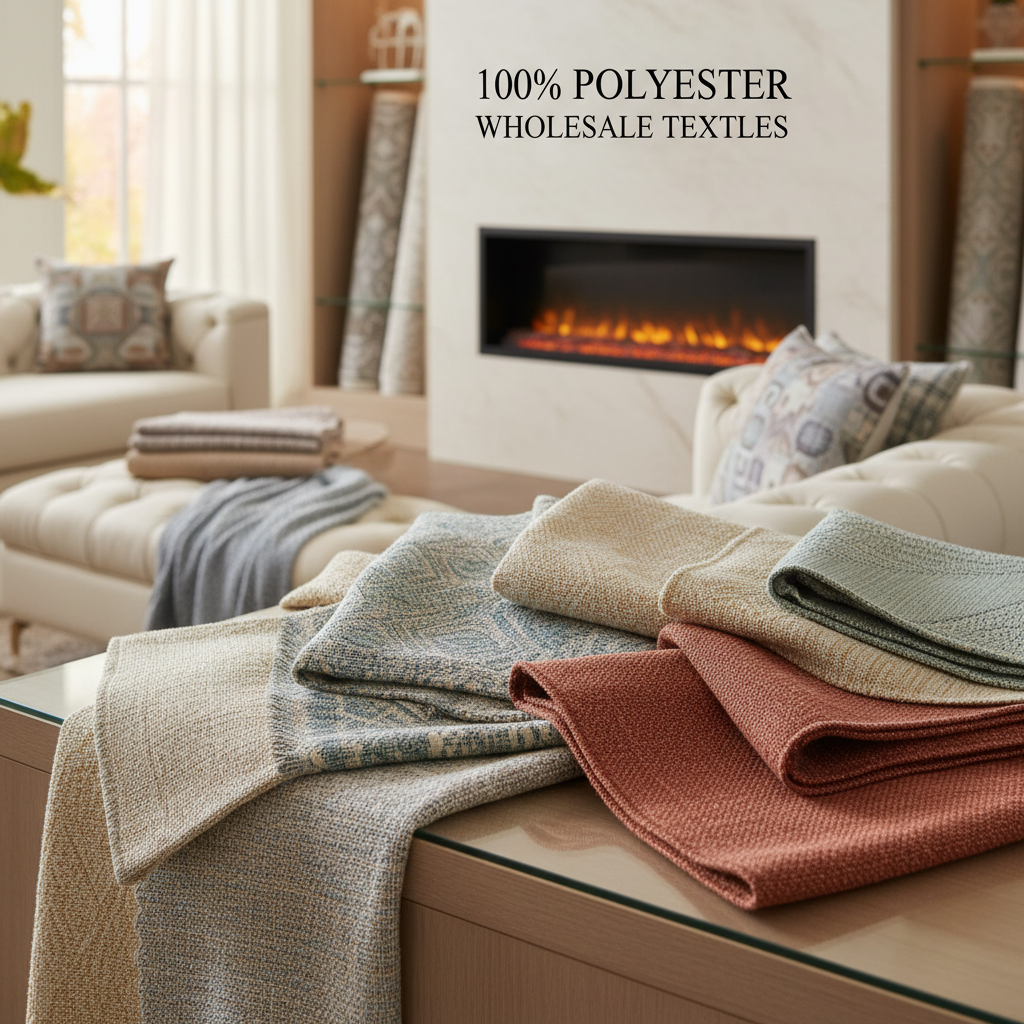
The applications of 100 polyester fabric wholesale are remarkably diverse. In the apparel industry, it’s used extensively for sportswear, outerwear, and everyday clothing due to its moisture-wicking properties and durability. The home textiles sector utilizes it for bedding, curtains, and upholstery, capitalizing on its wrinkle resistance and ease of care.
Beyond these traditional sectors, polyester fabric finds use in industrial applications such as filtration systems, automotive interiors, and even geotextiles for construction and erosion control. This broad range of applications demonstrates its adaptability and value across various industries.
Advantages and Long-Term Value
Cost savings represent an immediate and tangible benefit of utilizing 100 polyester fabric wholesale. Lower material costs translate to higher profit margins for manufacturers and more competitive pricing for consumers. Furthermore, the fabric's durability reduces the need for frequent replacements, contributing to long-term value.
From a sustainability perspective, the increasing availability of recycled polyester offers an environmentally responsible alternative. Choosing rPET supports circular economy principles and reduces reliance on virgin materials. Investing in quality wholesale suppliers ensures consistent performance and reinforces brand reputation, fostering customer loyalty. 100 polyester fabric wholesale prioritizes both quality and sustainability.
Future Innovations and Sustainability
The future of 100 polyester fabric wholesale is inextricably linked to innovation in materials science and sustainable practices. Research is underway to develop bio-based polyesters derived from renewable resources, reducing reliance on fossil fuels. Advancements in textile recycling technologies will further enhance the circularity of polyester fabrics.
Digitalization and automation are also playing an increasingly important role, streamlining supply chains and improving efficiency. Blockchain technology can enhance transparency and traceability, allowing consumers to verify the origin and sustainability credentials of their clothing and textiles.
The integration of smart textiles, incorporating sensors and conductive fibers into polyester fabrics, is opening up new possibilities for wearable technology and personalized healthcare. These innovations promise to transform the textile industry and create new opportunities for growth.
FAQS
When selecting a 100 polyester fabric wholesale supplier, prioritize factors like product quality, pricing transparency, production capacity, lead times, and adherence to ethical and sustainable practices. It’s crucial to verify their certifications (e.g., OEKO-TEX) and assess their responsiveness to your specific requirements. A reliable supplier will offer consistent quality, competitive pricing, and excellent customer support.
The minimum order quantity (MOQ) varies significantly depending on the supplier and the specific fabric type. Some suppliers may have high MOQs, while others cater to smaller businesses with lower requirements. Negotiating the MOQ is often possible, especially for long-term partnerships. Be sure to clarify the MOQ before placing an order.
Requesting samples is the first step to assessing quality. Conduct thorough inspections of the samples, paying attention to weave density, colorfastness, and overall appearance. Ask the supplier about their quality control processes and certifications. Consider conducting independent testing if quality is critical to your application.
Lead times vary based on the supplier’s production capacity, fabric availability, and shipping distance. Typical lead times can range from a few days to several weeks. It’s essential to inquire about lead times upfront and factor them into your production schedule. Confirming delivery dates is crucial for avoiding delays.
Yes, import duties and taxes typically apply when purchasing wholesale fabric from international suppliers. The specific rates vary depending on your country’s trade agreements and the fabric’s origin. It's important to factor these costs into your overall budget and understand the import regulations of your country.
Sustainable polyester, like recycled polyester (rPET), is sourced from post-consumer plastic bottles or textile waste. Look for certifications like the Global Recycled Standard (GRS) or OEKO-TEX Standard 100 to verify the material’s recycled content and absence of harmful substances. These certifications provide assurance of responsible production practices.
Conclusion
In conclusion, 100 polyester fabric wholesale stands as a vital component of the modern textile industry. Its cost-effectiveness, durability, versatility, and increasing sustainability options make it a preferred choice for businesses across a diverse range of sectors. Understanding the market dynamics, key suppliers, and emerging trends is essential for maximizing the benefits of this material. 100 polyester fabric wholesale continues to empower businesses with accessible and high-quality options.
Looking ahead, the focus will remain on innovation, sustainability, and the development of new applications for polyester fabrics. By embracing circular economy principles, investing in advanced technologies, and prioritizing responsible sourcing, the industry can continue to deliver value to consumers while minimizing its environmental impact. Partnering with reputable wholesale suppliers like 100 polyester fabric wholesale is paramount for navigating this evolving landscape.