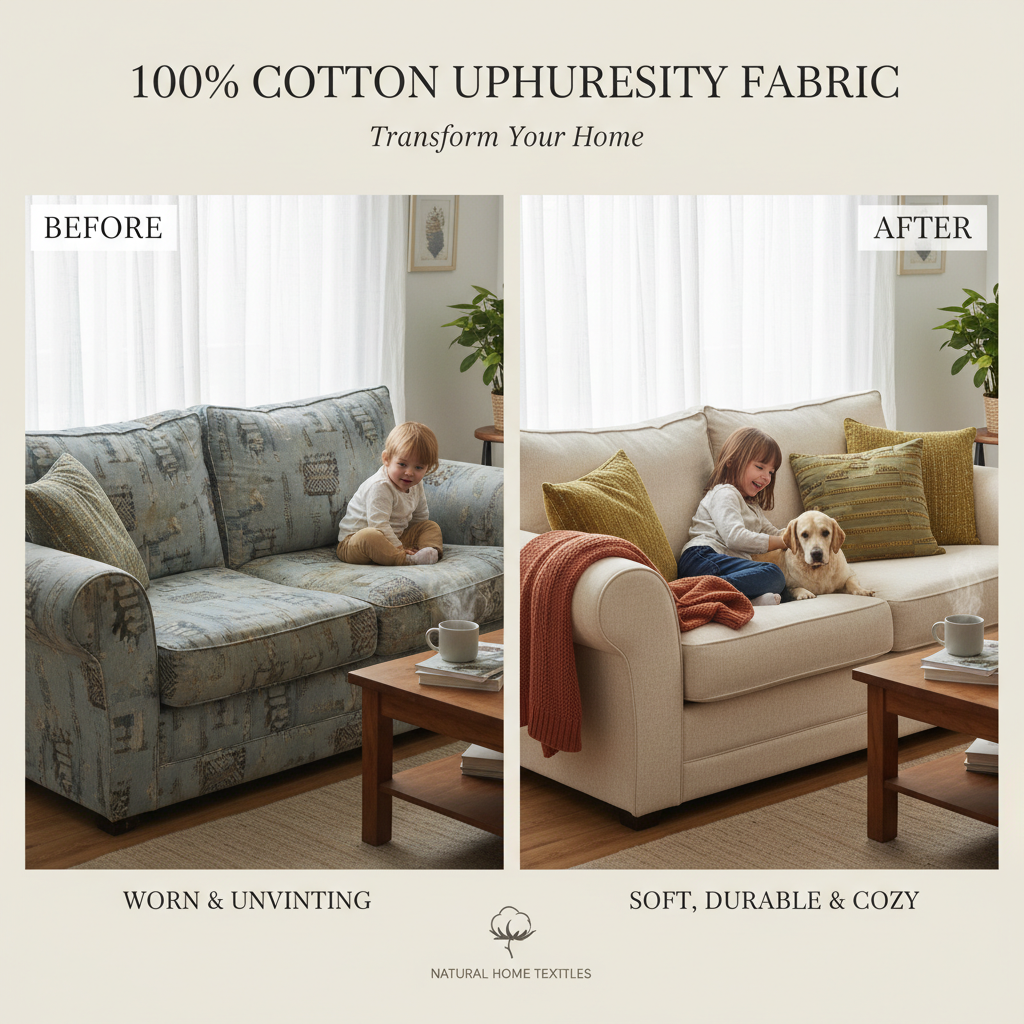
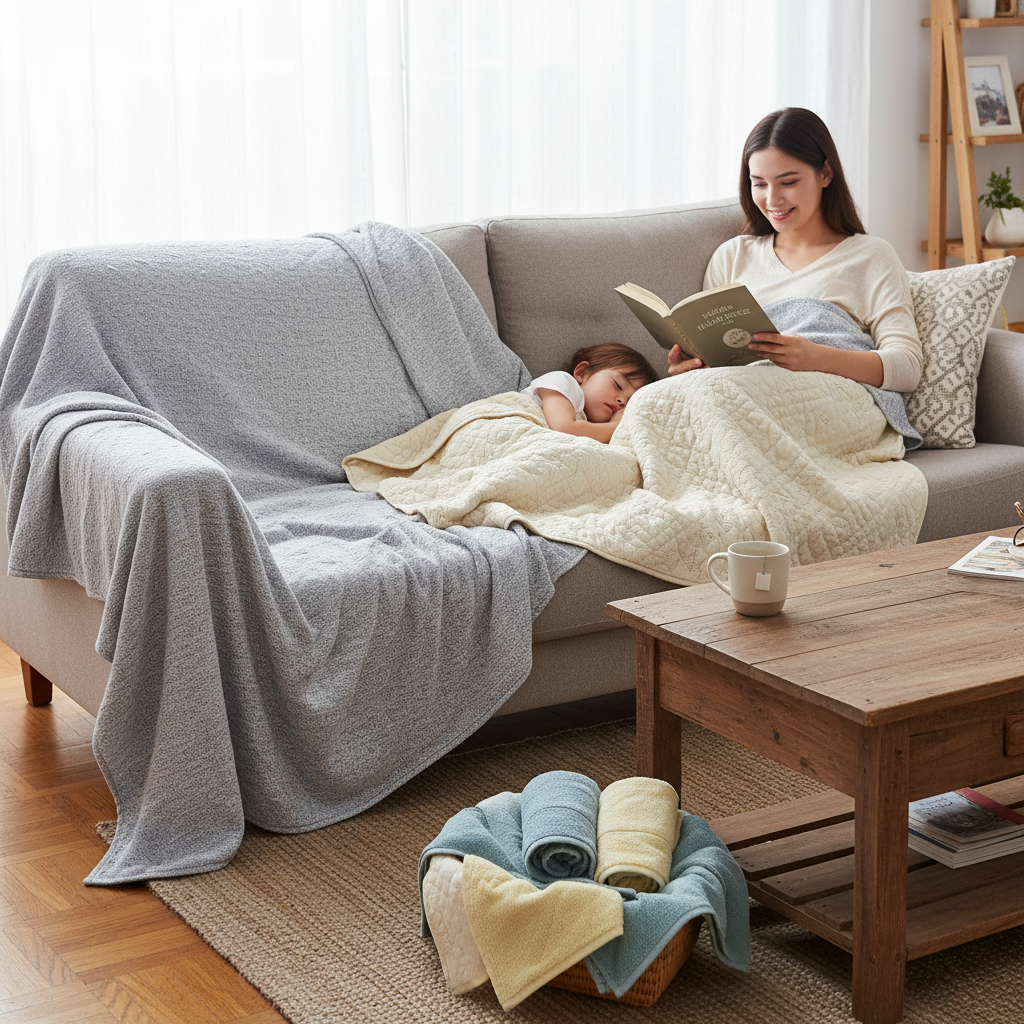
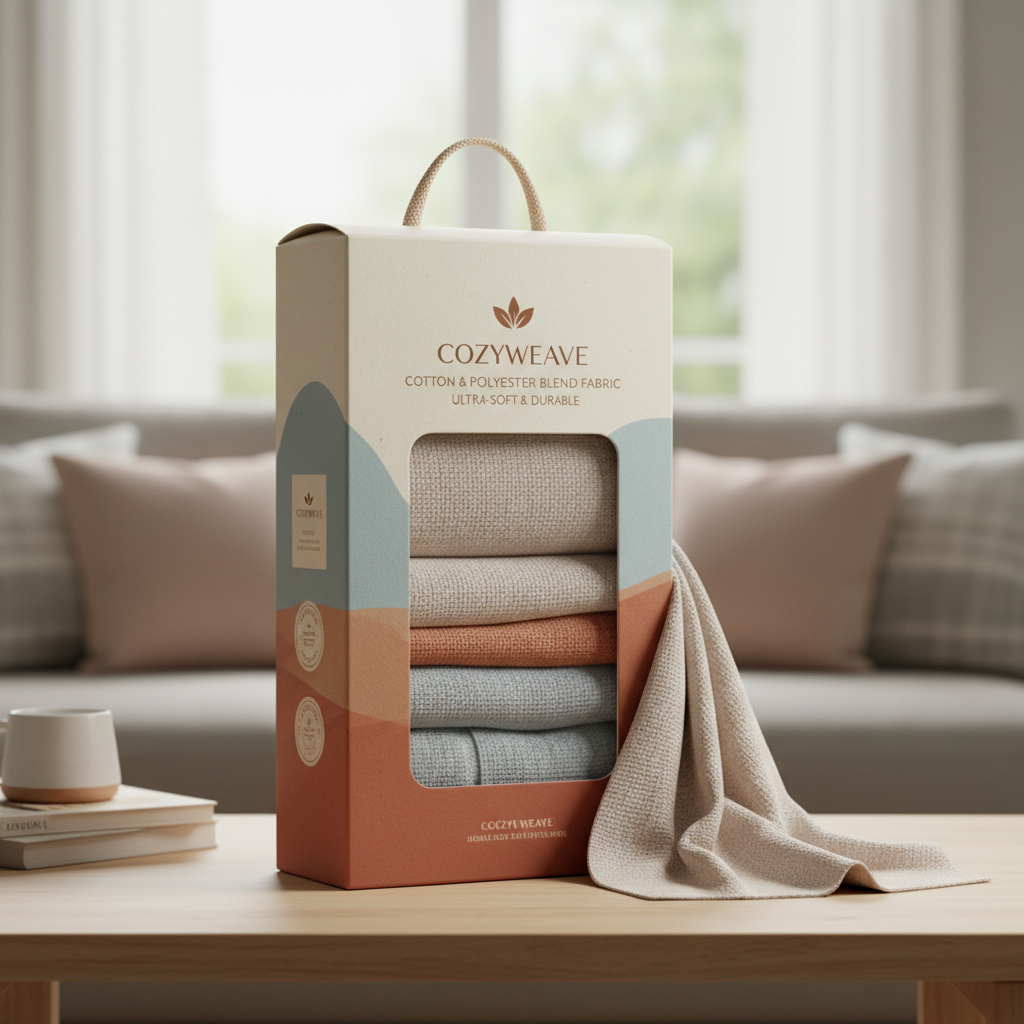
100 cotton upholstery fabric – it’s more than just a material; it’s a decision about comfort, sustainability, and long-term value. For years, I’ve been walking construction sites, feeling materials, talking to engineers, and seeing what really holds up. And time and again, natural fibers, particularly high-quality cotton, prove their worth. We’re seeing a resurgence in demand, not just from the consumer side wanting natural options, but also from commercial projects prioritizing durability and a healthier indoor environment. It's a material with a rich history, constantly evolving to meet modern needs.
The interesting thing is, a lot of people still think of cotton as ‘just cotton.’ But the advancements in weaving techniques, finishing treatments, and blending with other fibers are remarkable. It’s no longer just about the softness; it’s about creating a fabric that can withstand heavy use, resist staining, and maintain its beauty for years. I’ve seen firsthand how a well-chosen 100 cotton upholstery fabric can dramatically elevate the look and feel of a space, while also offering practical benefits that synthetic alternatives often lack.
And it's a growing market. The global upholstery fabric market is projected to reach significant figures in the coming years, with natural fibers gaining market share. This isn't just a trend; it's a response to increasing consumer awareness and a demand for more responsible sourcing and manufacturing processes. That's why understanding the nuances of 100 cotton upholstery fabric – its properties, applications, and limitations – is becoming increasingly critical for everyone involved in the design and construction industries.
The Core Properties of 100 Cotton Upholstery Fabric
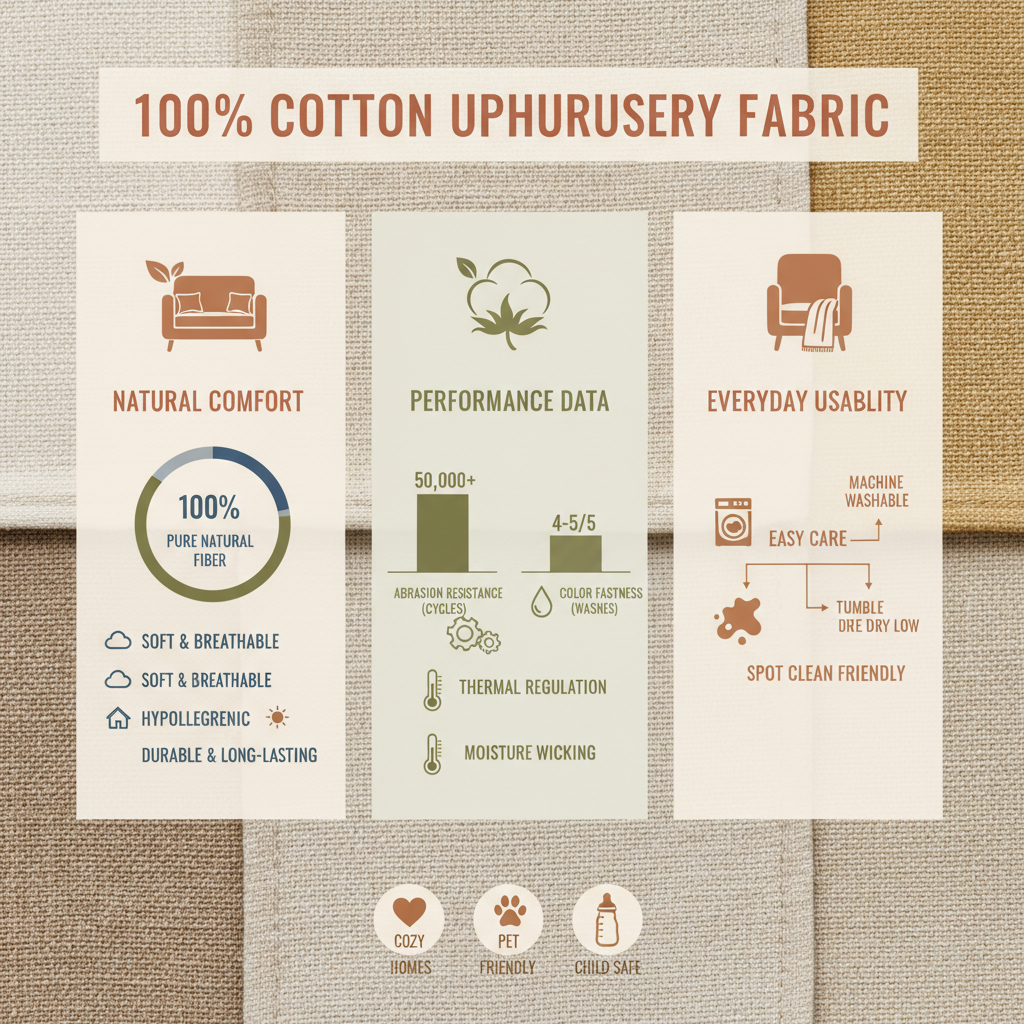
What really sets 100 cotton upholstery fabric apart is its breathability and comfort. I've spent enough hours in hot, stuffy rooms on jobsites to appreciate a material that doesn’t feel like plastic. Cotton naturally regulates temperature, making it ideal for furniture that’s frequently used. But it's not just about feel. The fiber structure itself provides a natural resilience, which contributes to its durability.
You’ll also find that cotton takes dyes beautifully, allowing for a wider range of colors and patterns. This is a huge advantage for designers looking to create unique and visually appealing spaces. Plus, cotton is hypoallergenic, making it a great choice for people with sensitivities or allergies. But don't get me wrong, it's not perfect. We’ll talk about its limitations later, but understanding these core properties is the first step in specifying the right fabric for the job.
The Global Cotton Upholstery Fabric Supply Chain
The journey of 100 cotton upholstery fabric is a global one. From the cotton fields in countries like the United States, India, and Brazil, to the spinning mills, weaving factories, and finishing plants – it’s a complex supply chain. I've visited some of these facilities, and it’s critical to understand where your fabric is coming from and the ethical and environmental practices involved. Transparency is key, and increasingly, clients are demanding it.
Disruptions in any part of this chain – whether it’s weather-related crop failures, transportation bottlenecks, or political instability – can impact availability and pricing. We've certainly seen that in recent years. That’s why building strong relationships with reliable suppliers is essential. It’s not just about getting the lowest price; it’s about ensuring a consistent supply of high-quality fabric.
Furthermore, sustainability initiatives within the cotton industry are gaining momentum, with a focus on reducing water usage, minimizing pesticide application, and promoting fair labor practices. The Better Cotton Initiative (BCI) is a prime example, setting standards for more sustainable cotton production. Choosing BCI-certified cotton is a step towards a more responsible supply chain.
Understanding Cotton Fabric Construction & Weaves
The way cotton fibers are woven together dramatically impacts the final fabric's characteristics. Different weaves offer varying levels of durability, texture, and drape. I've seen projects fail because the wrong weave was chosen for the application. For example, a plain weave is simple and durable, making it suitable for everyday upholstery.
However, a twill weave, with its diagonal ribs, is more resistant to wear and tear and often preferred for high-traffic areas. Then you have more complex weaves like damask and jacquard, offering intricate patterns and a luxurious feel, but requiring more careful maintenance. The weight of the fabric, measured in ounces per square yard, also plays a crucial role. A heavier weight generally indicates greater durability.
Pay attention to the thread count – the number of horizontal and vertical threads per inch. While a higher thread count doesn't always equate to better quality, it can indicate a denser weave and a smoother feel. It’s all about matching the construction to the intended use of the upholstery. Don't just look at the pretty patterns; understand the underlying structure.
Durability & Performance Metrics for Cotton Upholstery
As someone who spends his days assessing the longevity of materials, I'm always looking at performance metrics. For 100 cotton upholstery fabric, key indicators include abrasion resistance, tensile strength, and colorfastness. Abrasion resistance, measured in double rubs using the Martindale test, indicates how well the fabric withstands wear and tear. Higher numbers are better.
Tensile strength measures the fabric’s ability to resist tearing. Colorfastness assesses how well the fabric retains its color when exposed to light, washing, and rubbing. These tests provide valuable insights into the fabric’s long-term performance. However, these numbers don’t tell the whole story. Consider the fabric’s finish – treatments that enhance its stain resistance, water repellency, and flame retardancy.
Abrasion Resistance Comparison: 100 Cotton Upholstery Fabric Finishes
Real-World Applications: Where Cotton Upholstery Thrives
I’ve seen 100 cotton upholstery fabric used successfully in a wide range of applications. In residential settings, it’s perfect for sofas, armchairs, and dining chairs, offering comfort and style. In commercial spaces like hotels and restaurants, it can withstand heavy use and maintain its appearance with proper care.
It’s also a popular choice for healthcare facilities, where its hypoallergenic properties and ease of cleaning are highly valued. I’ve even seen it used in marine upholstery, where its resistance to fading and mildew is a significant advantage. The key is selecting the right weave, weight, and finish for the specific application.
Long-Term Value: Cost, Sustainability & Aesthetics
While 100 cotton upholstery fabric might have a slightly higher upfront cost compared to some synthetic alternatives, its long-term value is undeniable. Its durability translates to a longer lifespan, reducing the need for frequent replacements. Plus, its natural breathability and comfort contribute to a more pleasant user experience.
From a sustainability standpoint, cotton is a renewable resource, and choosing organic or BCI-certified cotton further minimizes its environmental impact. And let’s not forget the aesthetic appeal. Cotton fabrics offer a warmth and texture that synthetics simply can’t replicate. It’s a material that ages gracefully, developing a unique patina over time.
I often tell clients to think beyond the initial price tag and consider the total cost of ownership. A well-chosen 100 cotton upholstery fabric will not only look great for years to come but also contribute to a healthier and more sustainable environment.
Future Innovations in 100 Cotton Upholstery Fabric
The world of 100 cotton upholstery fabric isn’t standing still. Researchers are constantly exploring new ways to enhance its performance and sustainability. We’re seeing advancements in bio-based finishes that provide superior stain and water resistance without relying on harmful chemicals.
There's also a growing interest in blending cotton with other natural fibers, like hemp and linen, to create even more durable and sustainable fabrics. And digital printing technologies are allowing for more intricate and customized designs, opening up new possibilities for designers.
I’m particularly excited about the potential of nanotechnology to enhance cotton’s properties, such as its flame retardancy and antimicrobial resistance. These innovations will undoubtedly shape the future of 100 cotton upholstery fabric, making it an even more versatile and valuable material.
Summary of Current Challenges and Potential Solutions for Improving 100 Cotton Upholstery Fabric
| Challenge |
Impact on Upholstery Performance |
Potential Solutions |
Implementation Cost (1-10) |
| Wrinkling and Creasing |
Reduced aesthetic appeal, perceived lower quality |
Advanced finishing treatments, blending with wrinkle-resistant fibers |
6 |
| Susceptibility to Staining |
Difficult cleaning, reduced lifespan |
Application of stain-repellent finishes, nanotechnology coatings |
7 |
| Shrinkage After Washing |
Distorted upholstery, fit issues |
Pre-shrinking treatments, careful washing instructions |
5 |
| Lower Abrasion Resistance Compared to Synthetics |
Faster wear and tear in high-traffic areas |
Tighter weave construction, reinforcement with durable backings |
8 |
| Environmental Impact of Conventional Cotton Farming |
Water usage, pesticide application, soil degradation |
Sourcing organic or BCI-certified cotton |
4 |
| Cost of High-Quality Cotton |
Higher upfront investment |
Negotiating with suppliers, exploring cost-effective blends |
5 |
FAQS
While 100% cotton offers natural comfort and breathability, cotton blends often incorporate synthetic fibers like polyester for enhanced durability, wrinkle resistance, and stain repellency. A blend can be a good option for high-traffic areas or households with children and pets, but you sacrifice some of the natural feel and breathability of pure cotton. I typically advise clients to consider their lifestyle and usage patterns when making this decision.
Regular vacuuming is key to preventing dust and dirt buildup. For spot cleaning, use a mild soap and water solution, testing in an inconspicuous area first. Avoid harsh chemicals or abrasive cleaners, as they can damage the fabric. Professional cleaning is recommended for deep cleaning and stubborn stains. Always check the fabric’s care label for specific instructions, as finishes can affect cleaning requirements.
Generally, no. While cotton is a natural fiber, it's not inherently resistant to moisture, mildew, or fading from sunlight. However, there are outdoor cotton blends treated with water-repellent and UV-resistant finishes that can be used for covered patios or porches. For direct exposure to the elements, you’re better off with a synthetic outdoor fabric.
The Martindale test measures a fabric’s abrasion resistance – basically, how well it holds up to rubbing. It's a crucial metric for upholstery, as it indicates how long the fabric will maintain its appearance with regular use. A higher Martindale count means greater durability. For residential use, a count of 15,000 rubs or higher is generally considered good, while commercial applications often require 30,000 rubs or more.
Look for a tight, even weave, and check the fabric weight – heavier generally means more durable. Pay attention to the finish; a well-applied finish will enhance its performance and appearance. And finally, reputable suppliers will provide documentation verifying the cotton’s origin and any certifications (like organic or BCI). Don’t hesitate to ask questions and request samples!
It can be! Compared to many synthetics, cotton is a renewable resource. However, conventional cotton farming can have a significant environmental impact. Choosing organic cotton, BCI-certified cotton, or recycled cotton significantly reduces this impact. Also, consider the fabric’s longevity – a durable fabric that lasts for years is more sustainable than a cheap one that needs frequent replacing.
Conclusion
100 cotton upholstery fabric offers a compelling combination of comfort, durability, and sustainability. From understanding the nuances of weave construction to appreciating the benefits of responsible sourcing, a deep understanding of this material is essential for anyone involved in the design and construction industries. It's not just about choosing a pretty fabric; it's about making a conscious decision that impacts both the environment and the end-user experience.
As we look to the future, continued innovation in cotton fiber technology, finishing treatments, and sustainable practices will further enhance its appeal. I encourage you to explore the possibilities of 100 cotton upholstery fabric for your next project. For a wider selection of high-quality fabrics and expert advice, visit our website: 100 cotton upholstery fabric.