Polyester cotton yarn – you hear the term tossed around in fabric stores, but out here on the job site, it's a workhorse. It’s the stuff workwear is made of, the lining in tougher gear, and even shows up in unexpected places like industrial filters. We’re talking about a blend, usually around 65% polyester and 35% cotton, though those numbers can shift depending on what it’s for. It's not glamorous, but it gets the job done. Understanding this blend isn’t about fashion; it's about reliability, cost, and keeping people safe and comfortable while they’re building things.
The demand for polyester cotton yarn is massive, globally. The textile industry is huge – the UN Comtrade database shows tens of billions of dollars in textile yarn trade annually. But it’s more than just shirts and pants. It’s a foundational material for safety gear in everything from construction to healthcare. The challenge? Getting consistent quality at a price point that makes sense for projects, especially in developing economies where infrastructure demands are high. You want a fabric that can withstand a beating, resist shrinking, and doesn’t break the bank.
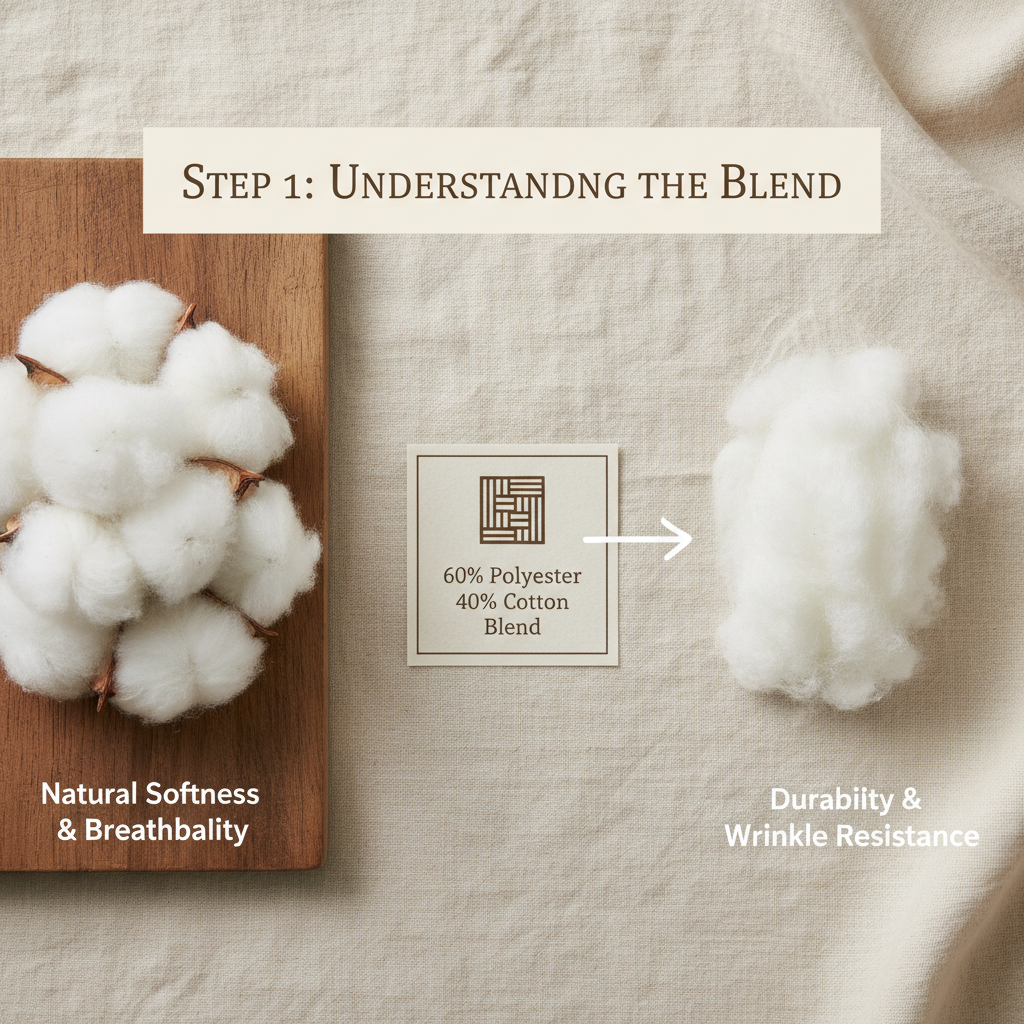
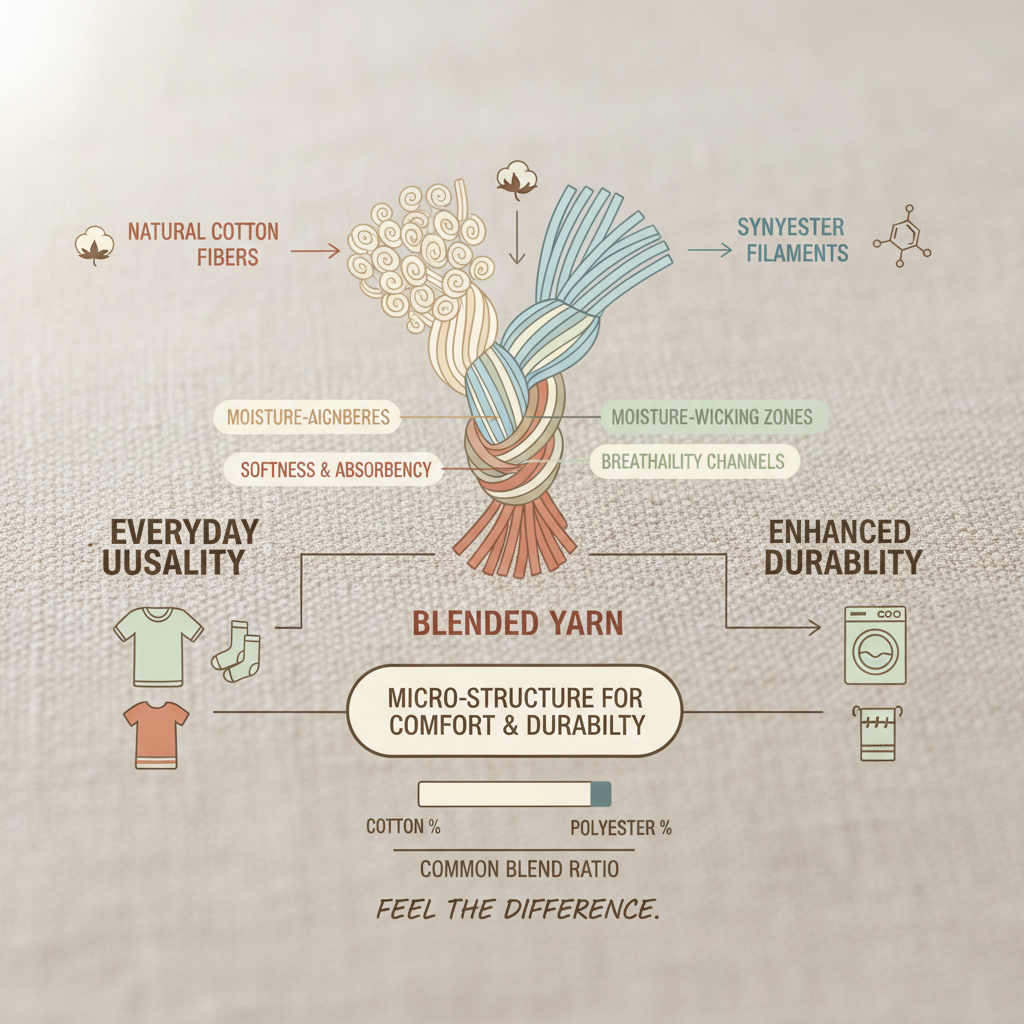
Simply put, polyester cotton yarn is a textile made by combining polyester and cotton fibers. It's a manufactured yarn, meaning it doesn’t grow on a plant. It’s a pretty smart solution. Cotton brings comfort and breathability – things humans appreciate – while polyester adds durability, wrinkle resistance, and keeps costs down. It’s a direct response to the need for more practical and affordable textiles in a world where everyone needs clothing and protective gear.
The Foundation of Functional Fabrics
This stuff isn't about looking pretty. It’s about performance. Polyester cotton yarn excels where pure cotton fails—holding its shape through repeated washings, resisting mildew, and generally just taking a beating. I’ve seen work shirts made from this blend survive years of abuse on site. That's because the polyester fibers add strength and stability, while the cotton keeps things breathable.
But it’s not just workwear. Think about industrial cleaning cloths, canvas tarps, even the reinforcement fabrics used in some types of composite materials. It's a versatile base that can be treated and woven into a huge variety of products. What matters is understanding the blend ratio and how that affects the final product’s properties.
Global Demand and Industry Challenges
The demand is steady, especially from places undergoing rapid industrialization. I’ve worked with teams building factories in Southeast Asia, and the need for affordable, durable workwear is huge. We’re talking about outfitting thousands of workers quickly and reliably. Polyester cotton yarn fits the bill. However, that demand is putting pressure on supply chains.
One big issue is the reliance on petroleum for polyester production. That’s a sustainability concern, and there's a push for more recycled polyester options. Another challenge is maintaining consistent quality across different manufacturers. You can get vastly different results depending on where the yarn is sourced. That's why building relationships with trusted suppliers is critical.
And then there's the pricing volatility. Raw cotton prices fluctuate with the weather and global harvests, and petroleum prices are… well, you know. Managing those costs and ensuring a stable supply is a constant headache. It's not just about getting the lowest price; it's about mitigating risk and ensuring you can deliver on your commitments.
Defining Polyester Cotton Yarn
At its core, polyester cotton yarn is a blended fiber. Polyester, a synthetic polymer derived from petroleum, is twisted or spun together with natural cotton fibers. This isn’t just throwing two things together; it’s a carefully controlled process to create a yarn with specific properties. The percentage of each fiber dramatically changes the final result.
This blend directly addresses the limitations of using either fiber alone. Cotton is comfortable and breathable but wrinkles easily and shrinks. Polyester is strong and durable but can feel… well, plastic-y. Combining them gives you the best of both worlds: a fabric that’s comfortable, durable, and relatively easy to care for. It's a practical solution born out of the need for better textiles.
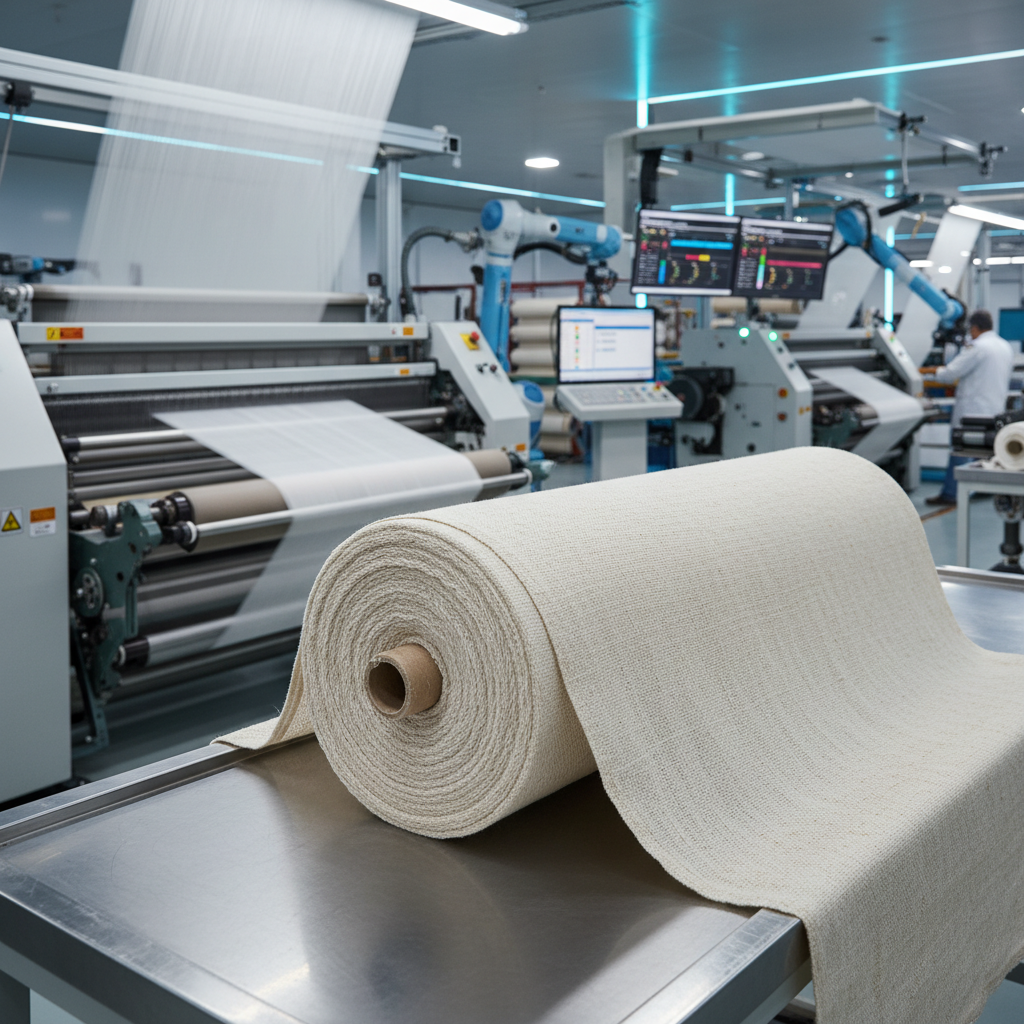
The manufacturing process itself is key. The cotton is cleaned and carded, the polyester is extruded into filaments, and then both are combined and spun into yarn. Different spinning techniques – ring spinning, open-end spinning – create yarns with different characteristics. Understanding these nuances is critical for selecting the right yarn for a specific application.
Core Characteristics: What Makes it Tick
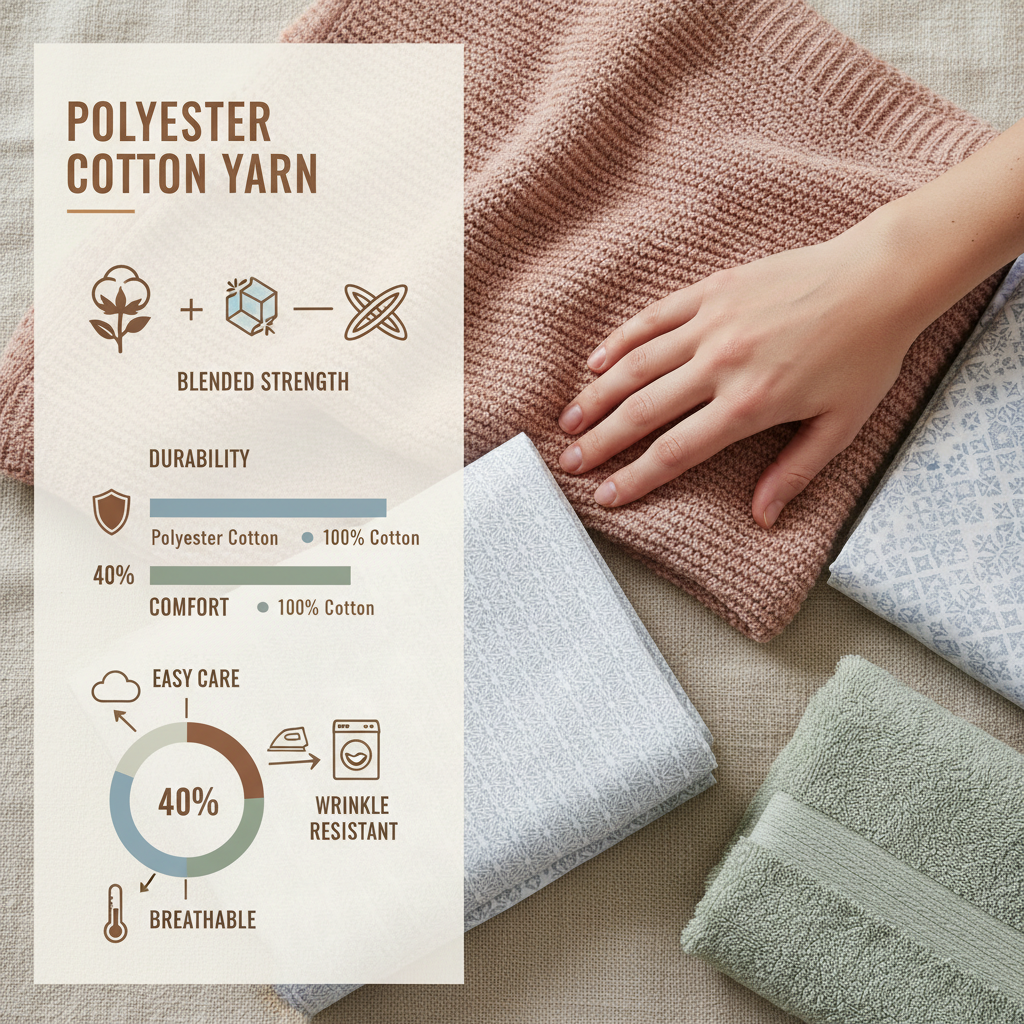
The beauty of polyester cotton yarn is its versatility, and that comes down to a few key properties. First, there’s durability. Polyester fibers are inherently strong, resisting abrasion and tearing. Second is cost-effectiveness. Polyester is cheaper to produce than natural fibers like cotton, bringing the overall cost down.
Then you have wrinkle resistance. Polyester doesn't crease as easily as cotton, meaning garments and fabrics maintain a neater appearance. Also important is color retention. Polyester holds dyes exceptionally well, so colors stay vibrant wash after wash. Finally, breathability is boosted by the cotton content, making it more comfortable to wear than 100% polyester.
Polyester Cotton Yarn Performance Metrics
Real-World Applications & Industries Served
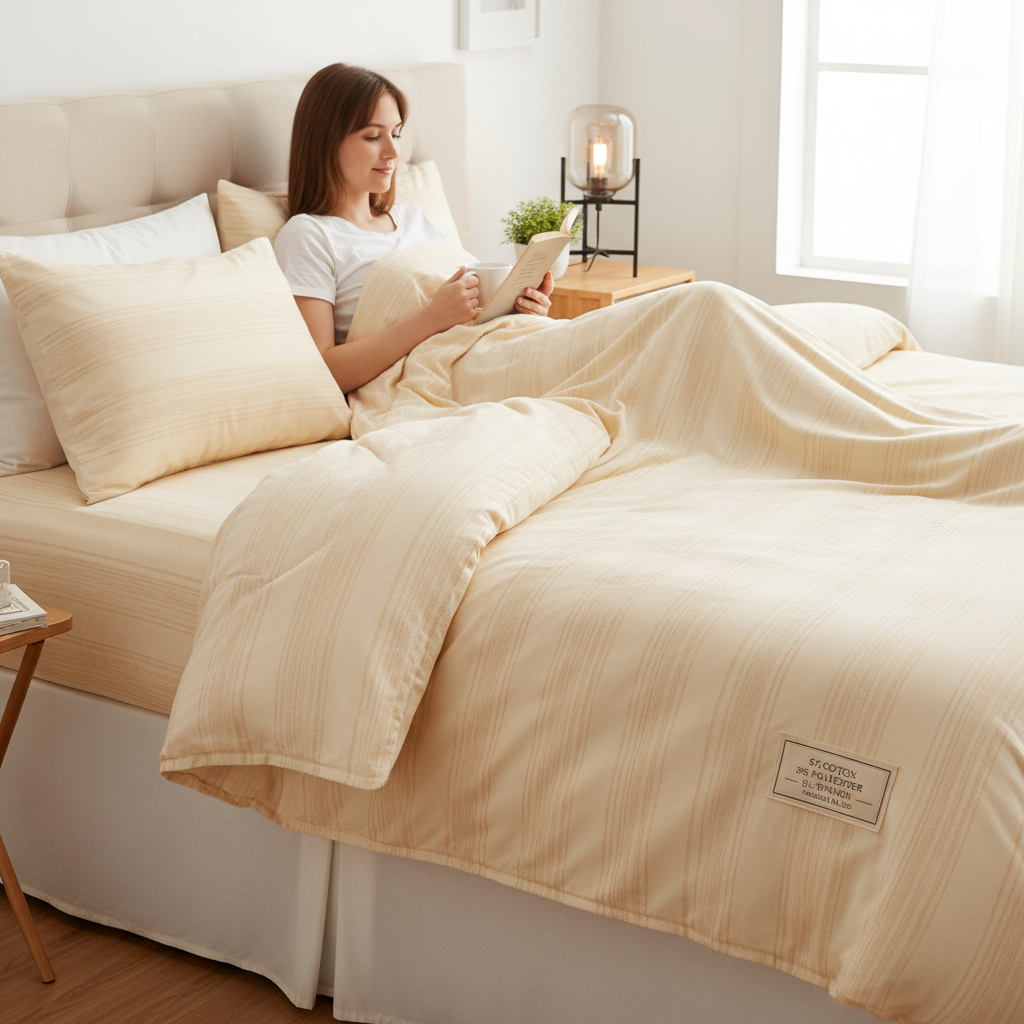
You see polyester cotton yarn everywhere. Construction workers wear it in the form of durable work shirts and pants. Healthcare professionals rely on it for scrubs and patient gowns. It’s used in bedding, towels, and even upholstery. I’ve even seen it used in industrial filters for removing particles from air and water.
In the automotive industry, it's used for seat covers and interior linings. The garment industry is a huge consumer, of course, producing everything from t-shirts to jeans. And let's not forget the hospitality sector – hotels use it extensively for linens and towels. It’s a workhorse because it’s adaptable.
Tangible Benefits & Long-Term Value
From a purely economic standpoint, polyester cotton yarn delivers a solid return on investment. It’s cheaper than using 100% natural fibers, it lasts longer, and it requires less maintenance. But the benefits go beyond cost savings. It's about worker safety, comfort, and reliability. A durable work shirt that doesn’t fall apart after a few washes is a small thing, but it can make a big difference on a long, demanding job.
There’s also a growing emphasis on sustainability. While polyester has its drawbacks, the development of recycled polyester yarns is changing the game. Using recycled materials reduces reliance on fossil fuels and minimizes waste. And as consumers become more environmentally conscious, demand for sustainable textiles will only continue to grow.
Ultimately, it’s about building trust. If you deliver a product made with quality polyester cotton yarn, you’re delivering a product that’s reliable, durable, and comfortable. That builds trust with your customers, and that’s invaluable.
Future Trends & Innovation in the Blend
We’re seeing a lot of innovation in this space. The development of bio-based polyesters – made from renewable resources like corn starch – is a major trend. This could significantly reduce the environmental impact of polyester production. Another area of focus is improving the spinning process to create yarns with even better performance characteristics.
Digital printing technologies are also playing a role, allowing for more intricate designs and customized fabrics. And automation in textile manufacturing is increasing efficiency and reducing costs. The future of polyester cotton yarn isn’t just about the fibers themselves; it’s about the entire manufacturing process becoming more sustainable, efficient, and responsive to customer needs.
We're also seeing more blending with other fibers – things like Tencel and bamboo – to further enhance comfort and sustainability. It’s a constant evolution, and staying ahead of the curve requires continuous research and development.
Summary of Key Considerations for Optimizing Polyester Cotton Yarn Performance
| Blend Ratio |
Yarn Spinning Method |
Finishing Treatments |
Cost Considerations |
| 65/35 Polyester/Cotton |
Ring Spinning |
Wrinkle Resistance Finish |
$3.50/lb |
| 50/50 Polyester/Cotton |
Open-End Spinning |
Pre-Shrunk Treatment |
$3.00/lb |
| 80/20 Polyester/Cotton |
Ring Spinning |
Anti-Static Finish |
$4.00/lb |
| 60/40 Polyester/Cotton |
Vortex Spinning |
Moisture-Wicking Treatment |
$3.75/lb |
| 70/30 Polyester/Cotton |
Ring Spinning |
UV Protection Finish |
$3.80/lb |
| 45/55 Polyester/Cotton |
Open-End Spinning |
Flame Retardant Finish |
$3.20/lb |
FAQS
A 65/35 blend generally offers greater durability, wrinkle resistance, and shape retention due to the higher polyester content. However, a 50/50 blend often feels softer and is more breathable, making it more comfortable for everyday wear. On the job site, we'll lean towards 65/35 for longevity, but for underlayers, 50/50 can be a good choice. It really depends on the intended use and the balance you need between comfort and performance.
The spinning method has a huge impact. Ring spinning creates a smoother, stronger yarn with less pilling, making it ideal for higher-quality fabrics. Open-end spinning is faster and cheaper, resulting in a yarn that's slightly less uniform but perfectly acceptable for many applications, like basic workwear. Vortex spinning is a newer method that balances cost and quality, producing a yarn with good strength and smoothness.
It's a complex question. The polyester component relies on petroleum, which isn't sustainable. However, the durability of the blend means garments last longer, reducing the need for frequent replacements. The increasing availability of recycled polyester is also a major step forward. Looking at the entire lifecycle – from production to disposal – is crucial when assessing its sustainability.
Finishing treatments can dramatically improve the performance of the yarn. Wrinkle-resistant finishes help garments maintain a neat appearance, pre-shrinking minimizes shrinkage after washing, anti-static finishes reduce cling, and moisture-wicking treatments enhance comfort by drawing sweat away from the skin. These finishes add cost, but they often add significant value.
Look for a consistent yarn thickness and color. A good yarn will be smooth and free of lumps or slubs. Check the fabric weight (GSM – grams per square meter) – a higher GSM generally indicates a more durable fabric. And, importantly, work with a reputable supplier who can provide certifications and quality control data. You get what you pay for, generally.
Generally, machine wash cold with mild detergent. Avoid harsh chemicals and bleach. Tumble dry on low or hang to dry. Higher heat can damage the polyester fibers. Following these instructions will help maintain the garment's color, shape, and durability. It's always best to check the garment’s care label for specific instructions.
Conclusion
Polyester cotton yarn isn’t a flashy material, but it's a fundamental building block of countless everyday products. Its blend of durability, cost-effectiveness, and comfort makes it a cornerstone of the textile industry. Understanding its properties, applications, and future trends is crucial for anyone involved in manufacturing, sourcing, or using textiles.
Looking ahead, innovation in sustainable materials and manufacturing processes will be key. Investing in recycled polyester, bio-based fibers, and more efficient production methods will not only reduce environmental impact but also create new opportunities for growth and innovation. At the end of the day, it’s about delivering reliable, high-quality products that meet the needs of a changing world.