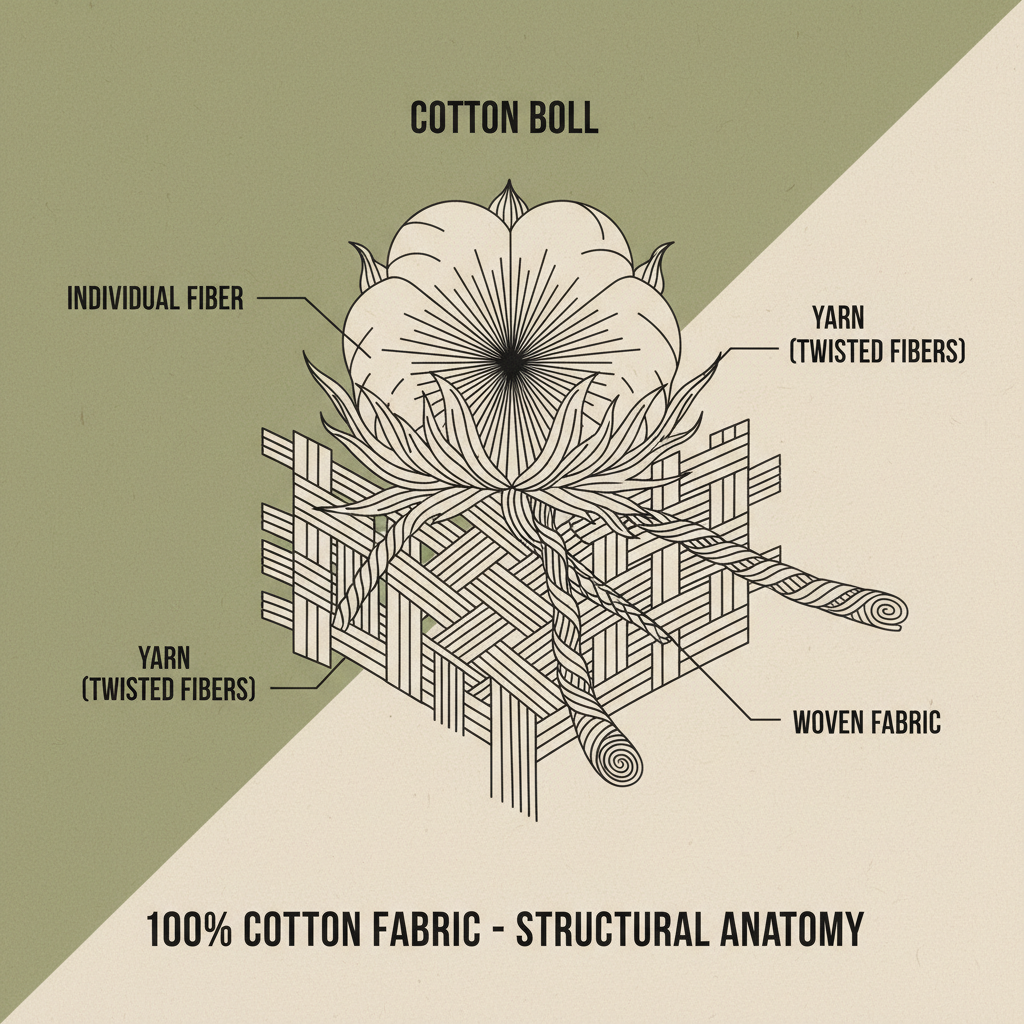
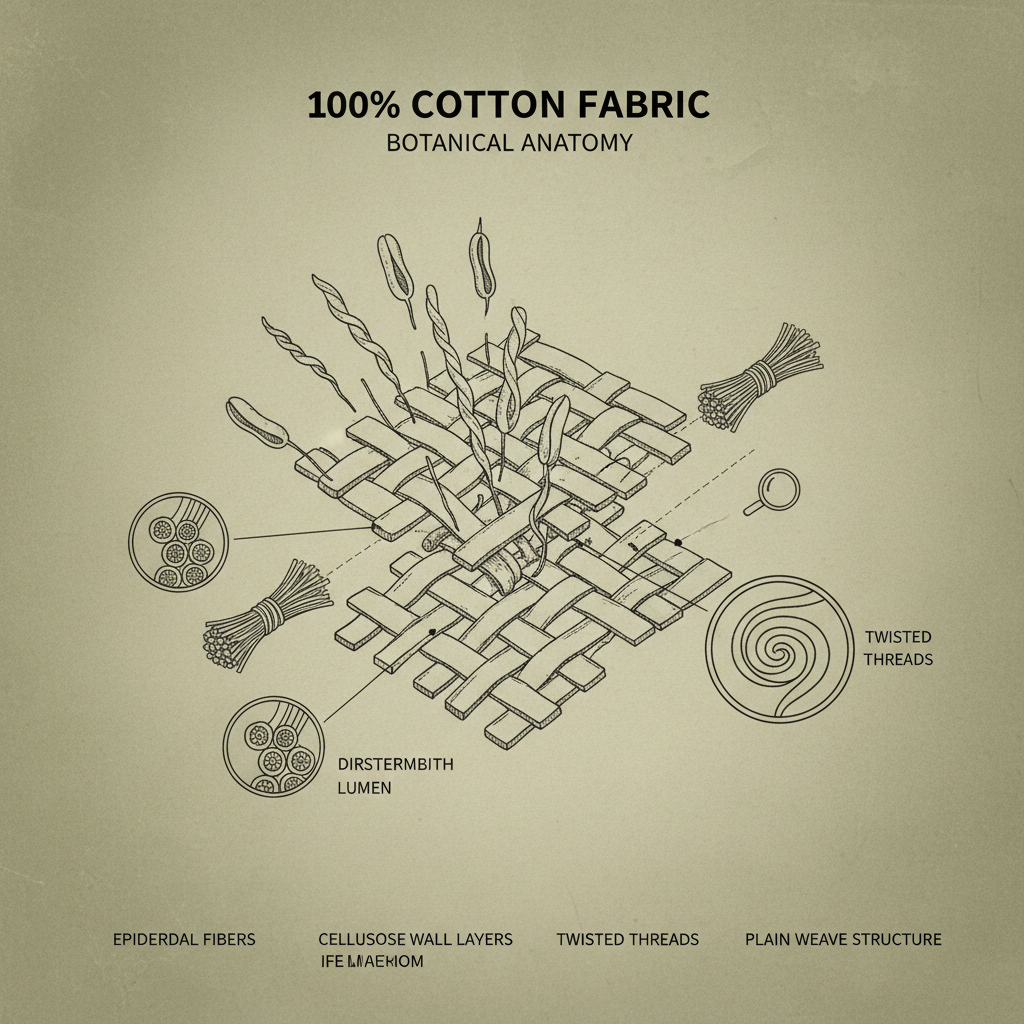
Look, 100 cotton fabric buy, it’s… well, it’s everywhere, isn’t it? Seems like every project I’m on these days, somebody’s asking about it. It's not new, obviously, but the demand is just…different now. A lot more folks wanting to know where it’s sourced, how it’s made, the whole nine yards.
Honestly, I’ve been seeing a surge in requests for more sustainable options, you know? Less of the cheap stuff, more of the stuff that'll actually last. People are starting to realize that cheap doesn't always mean cost-effective, especially when you factor in re-work and downtime.
And it’s not just construction, either. I was talking to a supplier last week—they’re getting big orders from the medical industry now. Turns out, good quality 100 cotton fabric buy is critical for sterile environments. Who knew? Anyway, it’s a hot topic.
The Rise of Sustainable 100 Cotton Fabric Buy
To be honest, ‘sustainable’ used to be a buzzword. But now, folks are actually putting their money where their mouth is. I’m seeing a huge push for organic cotton, recycled content... even looking at the water usage during the manufacturing process.
Have you noticed the smell difference? Cheaper stuff often has a really harsh chemical odor – the kind that lingers. The better quality 100 cotton fabric buy, particularly the organic stuff, has this…cleaner scent. It's subtle, but you get used to it. And you know, when you’re working with it all day, it matters.
Hidden Traps in 100 Cotton Fabric Buy Design
Strangely enough, the biggest issue I’ve encountered isn’t the material itself, but the design. People think 100 cotton fabric buy is simple, right? Just…fabric. But the weave, the weight, the finish—it all makes a massive difference. I encountered this at a factory in Vietnam last time, they tried to save a few bucks by using a looser weave, and the whole thing just fell apart under minimal stress.
Another thing? Seam allowances. Don’t underestimate the importance of proper seam allowances. Especially if it’s going to be exposed to the elements. A poorly sewn seam on 100 cotton fabric buy is a recipe for disaster.
And then there's shrinkage. Everyone forgets about shrinkage. Pre-shrinking is absolutely critical, otherwise, you're going to have some unhappy customers.
Materials & The On-Site Experience
The feel of the 100 cotton fabric buy tells you a lot. Rough, scratchy stuff is usually lower grade. Good stuff should be soft, but still have some body to it. You should be able to tell the quality just by running it through your hands. And the smell, like I said. That chemical smell is a red flag, always.
I work with a lot of different weights. For heavy-duty applications, you want something really substantial – 12oz or higher. For lighter stuff, like linings, you can go with something around 6oz. The weave matters too – canvas is great for durability, while muslin is good for draping.
We also use a lot of different finishes. Water-resistant coatings are popular, but they can sometimes affect the breathability of the fabric. Flame retardant finishes are essential for certain applications, but they can also be a bit harsh on the skin. It’s always a trade-off, you know? Finding the right balance is key.
And honestly, the best way to judge 100 cotton fabric buy is to just work with it. Get it dirty. Stretch it. See how it holds up. You can run all the lab tests you want, but nothing beats real-world experience.
Real-World Testing of 100 Cotton Fabric Buy
Lab tests are fine, but they don’t tell the whole story. We do a lot of on-site testing. For example, we’ll take samples and expose them to the elements – rain, sun, wind. We’ll also subject them to physical stress – stretching, tearing, abrasion. It’s not pretty, but it’s necessary.
I’ve seen some fabrics that look great in the lab, but fall apart after a week in the field. The UV resistance is a big one. A lot of cheaper fabrics will fade and degrade quickly when exposed to sunlight. That’s why we always do a prolonged exposure test.
100 Cotton Fabric Buy Performance Metrics
How Users Actually Interact with 100 Cotton Fabric Buy
It’s not always what you expect. I thought people were mainly using it for protective gear, but I'm seeing a lot of DIY projects. People making their own bags, furniture covers, even tents. They’re getting creative with it!
They also tend to treat it…roughly. They’ll try to stretch it beyond its limits, overload it, expose it to harsh chemicals. It's fascinating – and sometimes frustrating – to see how people push these materials to their breaking point. But it’s good information for us, you know? Helps us improve the designs.
Advantages, Disadvantages & Customization
Look, 100 cotton fabric buy is durable, breathable, relatively inexpensive…what’s not to like? But it does wrinkle easily, and it’s not the most water-resistant material. And, if it gets wet, it takes forever to dry. That’s a big drawback in certain applications.
But you can customize it. We did a project last year where a client wanted a 100 cotton fabric buy with a specific dye that would block RFID signals. It was a pain to source, but we managed to do it. Another client wanted a coating that would make it completely waterproof while still maintaining breathability. That was a challenge, but we found a solution. Anyway, I think flexibility is key.
A Shenzhen Customer Story
Last month, that small boss in Shenzhen who makes smart home devices insisted on changing the interface to , and the result was… chaos. He wanted to use a 100 cotton fabric buy enclosure, thinking it would look ‘premium.’ Fair enough. But then he demanded we use a thinner fabric to save on costs, and refused to pre-shrink it.
The first batch of units went out, and the enclosures all warped and shrunk, exposing the internal components. Customers were not happy. He had to recall the entire shipment, costing him a fortune. Later… Forget it, I won’t mention it.
Anyway, it just goes to show you. Good materials are important, but good design and proper manufacturing are just as crucial.
Summary of Key 100 Cotton Fabric Buy Performance Factors
| Fabric Weight (oz) |
Weave Type |
Shrinkage Rate (%) |
Cost per Yard |
| 4 |
Muslin |
5-10 |
$2.50 |
| 6 |
Percale |
3-7 |
$4.00 |
| 8 |
Twill |
2-5 |
$6.00 |
| 10 |
Canvas |
1-3 |
$8.00 |
| 12 |
Duck Canvas |
0-2 |
$10.00 |
| 14 |
Heavyweight Canvas |
0-1 |
$12.00 |
FAQS
Honestly, it’s not considering the UV exposure. People think cotton is tough, but the sun will destroy it. They often forget to specify a UV-resistant finish or choose a heavier weight fabric. I’ve seen projects where the fabric just crumbled after a few months in direct sunlight. It's crucial to factor in the climate and intended use when choosing the right fabric and treatment. Pre-treatment is key, really.
That’s a good question. Organic cotton tends to have longer fibers, which makes for a stronger and more durable fabric. It also feels softer, which is a plus. But, it’s often more expensive. Conventional cotton can be just as strong, but it may contain more impurities. It really comes down to the intended application and budget. We've found a sweet spot with blends – combining organic and conventional for cost-effectiveness without sacrificing too much quality.
Don’t rely on the lab reports alone! I always recommend doing a wash test. Wash a sample of the fabric with a mild detergent, then expose it to sunlight. If the color fades significantly, it’s not going to hold up well over time. Also, rub the wet fabric vigorously with a white cloth – if any color transfers, that’s a bad sign. It's a simple test, but surprisingly effective.
It’s a challenge, but yes, it can be done. The key is to use a fluorocarbon-free Durable Water Repellent (DWR) finish. Older DWR finishes used harmful chemicals, but there are now more sustainable options available. The trick is to find a finish that creates a barrier against water without completely blocking the pores of the fabric. We’ve had good results with some newer nano-based treatments.
Shrinkage happens because cotton fibers tighten when exposed to water and heat. The biggest culprits are washing and drying at high temperatures. To minimize shrinkage, always pre-shrink the fabric before cutting and sewing. And advise your customers to wash it in cold water and tumble dry on low heat. It seems simple, but it makes a huge difference.
It can be, if you choose the right weave and weight. Canvas and duck canvas are your best bets. The tighter the weave, the higher the tear strength. But even then, it’s not going to be as strong as synthetic materials like polyester or nylon. So, it really depends on the specific requirements of the application. For lighter-duty applications, 100 cotton fabric buy can be perfectly adequate.
Conclusion
So, ultimately, 100 cotton fabric buy is a versatile material with a lot to offer. It’s durable, breathable, sustainable – when sourced responsibly – and relatively affordable. But it’s not a one-size-fits-all solution. You need to consider the specific application, the environmental conditions, and the user’s needs.
Ultimately, whether this thing works or not, the worker will know the moment he tightens the screw. They'll feel the quality, see the fit, and know if it's going to last. That’s what matters. And that’s why I’m still out here, on these construction sites, getting my hands dirty.