Cotton polyester blend yarn represents a cornerstone of the modern textile industry, offering a versatile and cost-effective solution for a vast array of applications. This blend seamlessly combines the natural comfort of cotton with the durability and wrinkle resistance of polyester, creating a fabric that is both practical and appealing. Understanding the intricacies of this blend is crucial for manufacturers, designers, and consumers alike, as it directly impacts the quality, performance, and cost of countless everyday products.
Globally, the demand for cotton polyester blend yarn continues to rise, driven by increasing population, evolving fashion trends, and the need for affordable and reliable textiles. From apparel and home furnishings to industrial applications, this yarn serves as a foundational material. Its adaptability and relatively low production cost make it particularly important in developing economies, where access to high-quality textiles can be limited.
The significance of cotton polyester blend yarn extends beyond mere economics. It addresses critical needs for durable, comfortable, and accessible clothing and textiles, enhancing the quality of life for people around the world. Furthermore, ongoing innovations in fiber technology and blending techniques continue to optimize its performance and sustainability.
Introduction to cotton polyester blend yarn
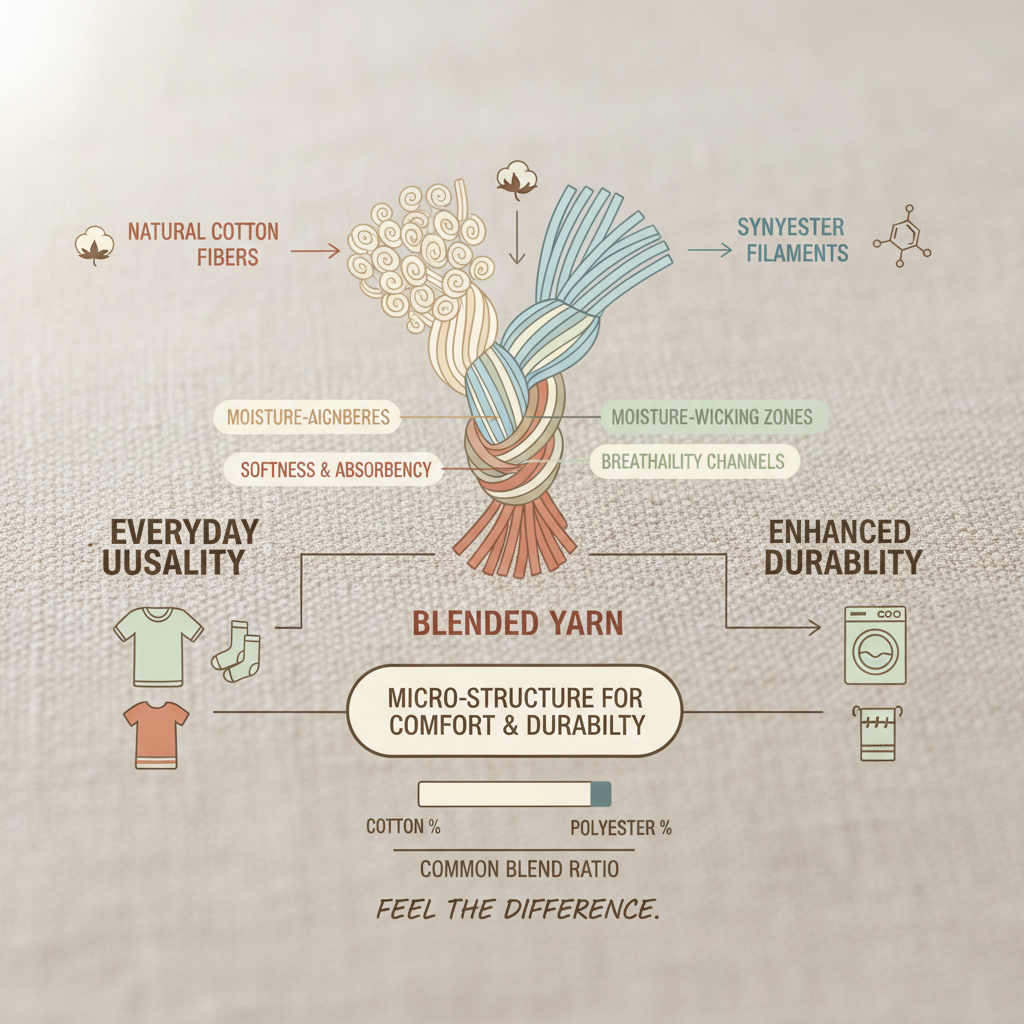
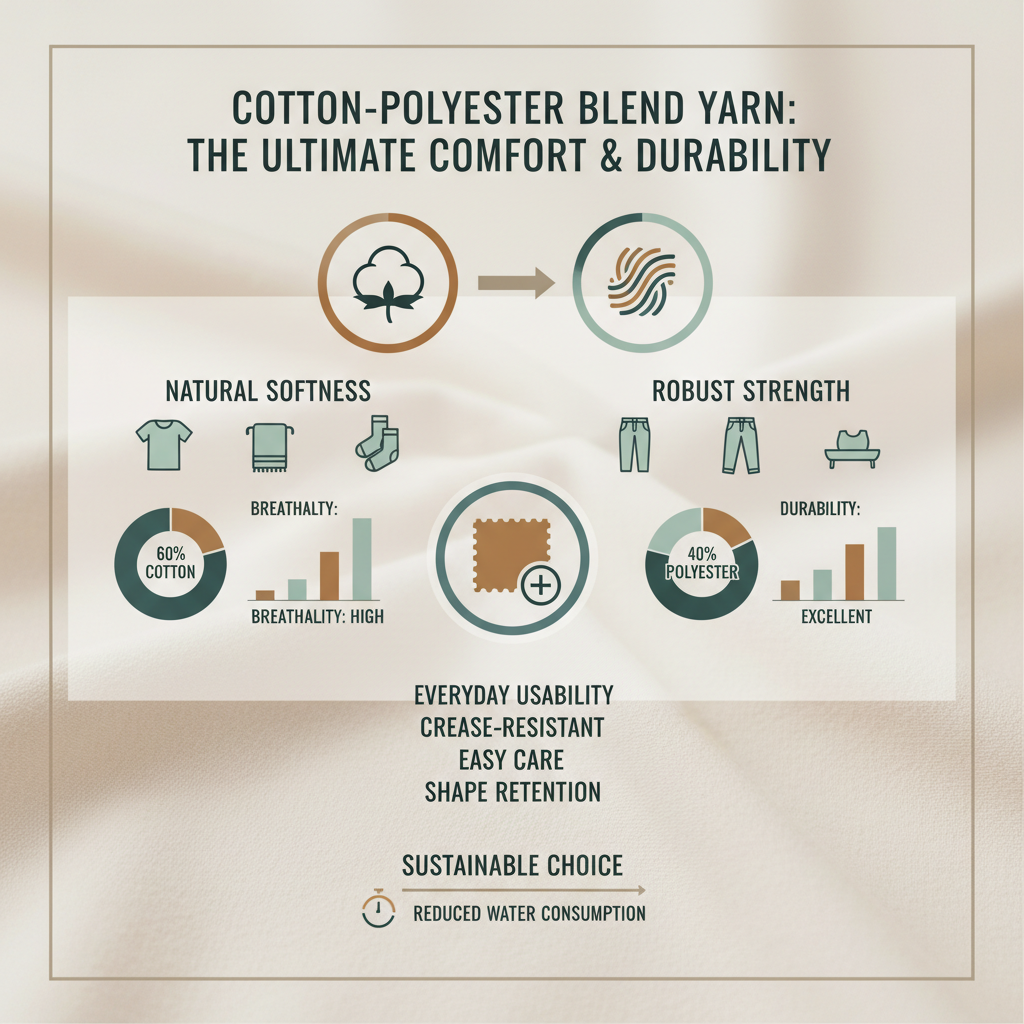
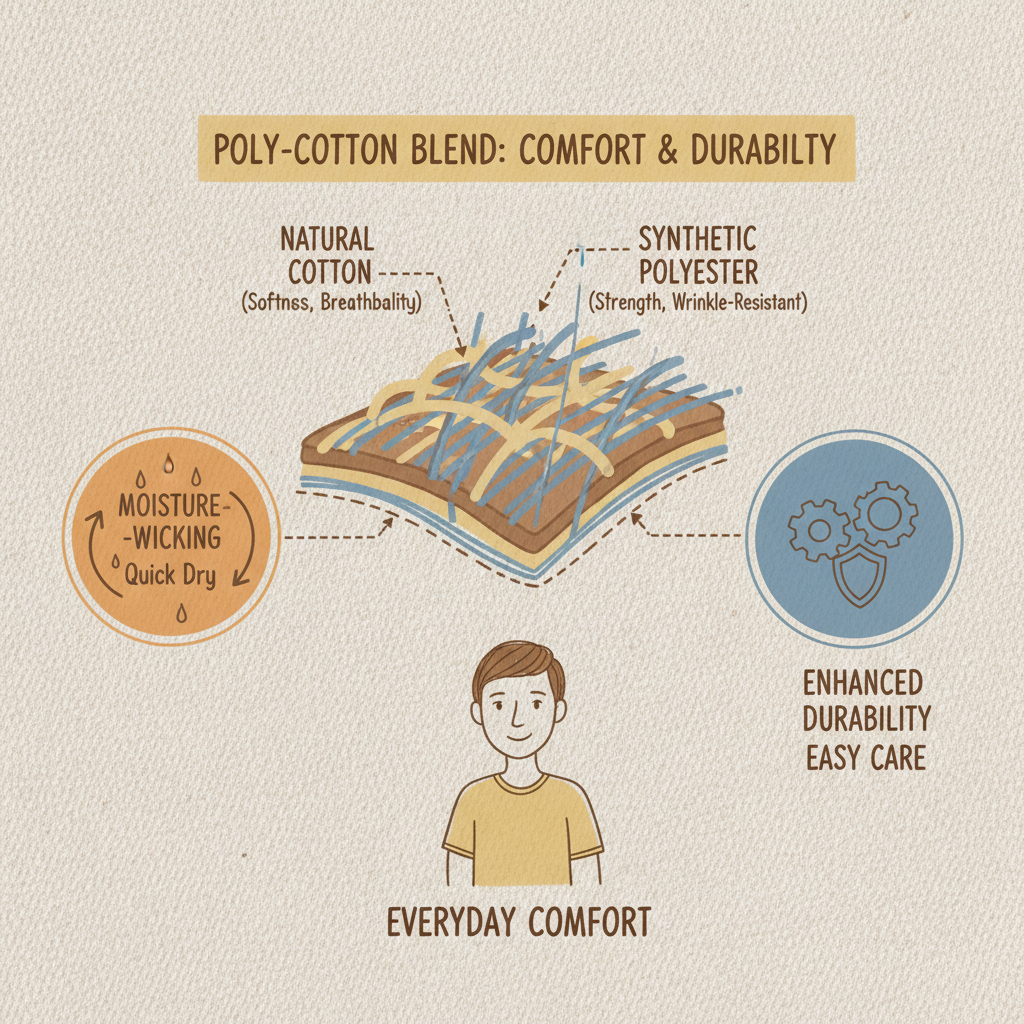
The unique synergy between cotton and polyester is what makes cotton polyester blend yarn so universally adopted. Cotton lends its inherent softness, breathability, and absorbency, creating a comfortable feel against the skin. Polyester, on the other hand, contributes strength, wrinkle resistance, and quick-drying properties. This combination creates a yarn that's more functional and durable than either fiber alone.
The ratio of cotton to polyester can be varied significantly, allowing manufacturers to tailor the yarn’s characteristics to specific end-use requirements. A higher cotton content results in a softer, more breathable fabric, ideal for apparel. Conversely, a higher polyester content leads to greater durability and wrinkle resistance, making it suitable for industrial applications or frequently washed items. cotton polyester blend yarn is a truly versatile material.
Global Relevance and Market Dynamics
The global market for cotton polyester blend yarn is substantial and continuously evolving. According to industry reports, the demand is particularly strong in Asia-Pacific, driven by the region's large textile manufacturing base and growing consumer markets. China, India, and Bangladesh are major consumers and producers of this yarn, with significant export activity. The United Nations Comtrade database shows consistent trade volumes of cotton polyester yarns between these countries and global markets.
However, the industry faces challenges related to fluctuating raw material prices, particularly cotton, and increasing environmental concerns. Sustainability is becoming a key driver, pushing manufacturers to adopt more eco-friendly production processes and explore recycled polyester options. The World Bank emphasizes the importance of sustainable textile production for environmental protection and economic development.
A significant problem addressed by the widespread use of cotton polyester blend yarn is affordability. Pure cotton fabrics can be prohibitively expensive for many consumers, particularly in developing nations. The blend offers a cost-effective alternative without sacrificing too much comfort or quality, making textiles more accessible to a wider population.
Defining cotton polyester blend yarn
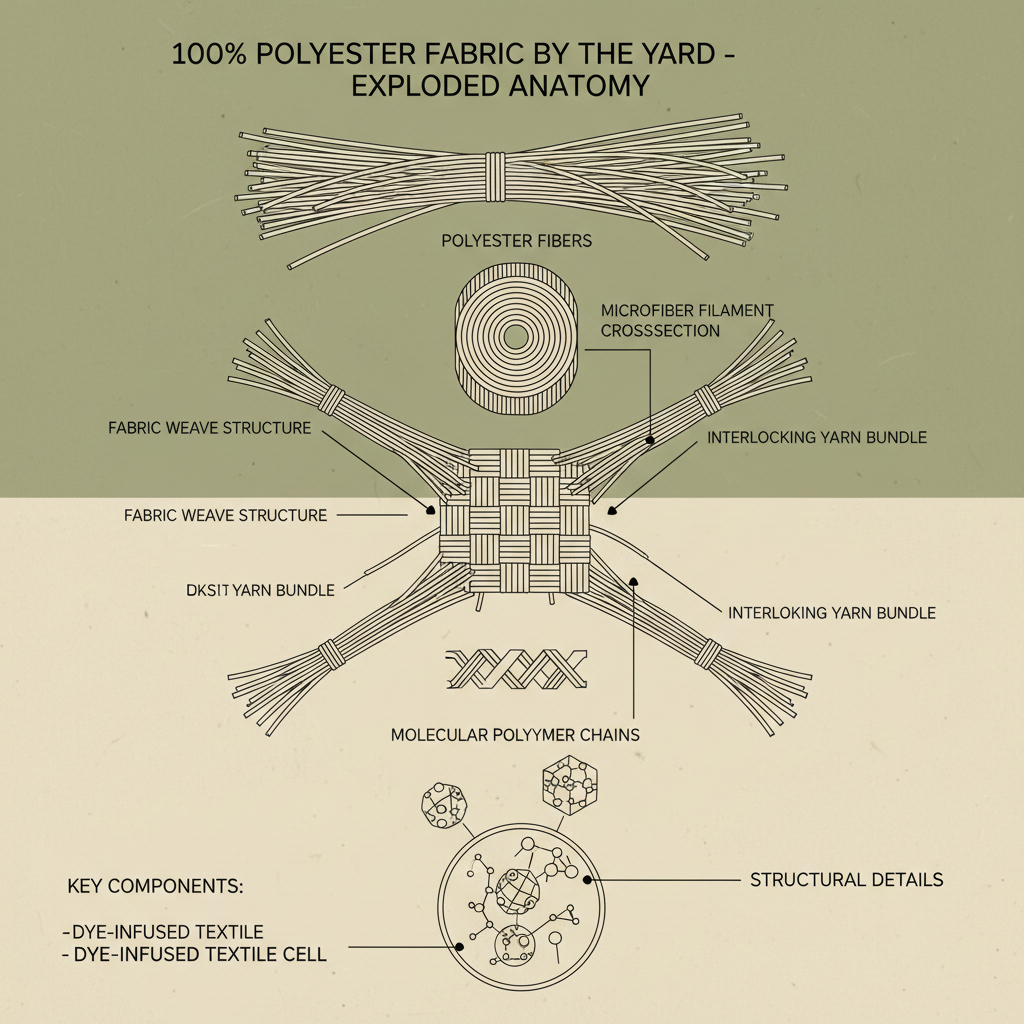
Simply put, cotton polyester blend yarn is created by combining cotton fibers with polyester fibers during the spinning process. This isn't merely mixing two finished yarns; the fibers are intertwined at their most basic level, creating a single, unified strand. The precise method of blending varies depending on the desired properties and manufacturing capabilities. Common methods include ring spinning, open-end spinning, and vortex spinning.
This blending process is intrinsically linked to modern industry, facilitating mass production of textiles while maintaining acceptable quality levels. It's a direct response to the limitations of using either fiber individually. Cotton, while comfortable, wrinkles easily and shrinks. Polyester, while durable, can feel less breathable and less pleasant against the skin. The blend bridges this gap.
In terms of humanitarian needs, the availability of affordable and durable textiles made from cotton polyester blend yarn plays a vital role in providing clothing and shelter to vulnerable populations. Disaster relief efforts often rely on these fabrics for their practicality and cost-effectiveness, ensuring that essential resources are utilized efficiently.
Key Characteristics of the Blend
Durability is a defining characteristic of cotton polyester blend yarn. Polyester fibers significantly enhance the yarn’s resistance to abrasion, tearing, and stretching, extending the lifespan of the finished product. This makes it ideal for items that undergo frequent use and washing, such as workwear, bedding, and children's clothing.
Wrinkle resistance is another crucial benefit. Polyester's inherent properties minimize wrinkling, reducing the need for ironing and maintaining a neat appearance. This is particularly advantageous for travel clothing, uniforms, and everyday wear. The specific percentage of polyester influences the level of wrinkle resistance achieved.
Comparative Analysis of cotton polyester blend yarn Characteristics
Applications Across Industries
The apparel industry is by far the largest consumer of cotton polyester blend yarn. It's used extensively in t-shirts, jeans, shirts, dresses, and sportswear, offering a balance of comfort, durability, and affordability. The blend's ability to hold dye well also makes it ideal for producing vibrant and long-lasting colors.
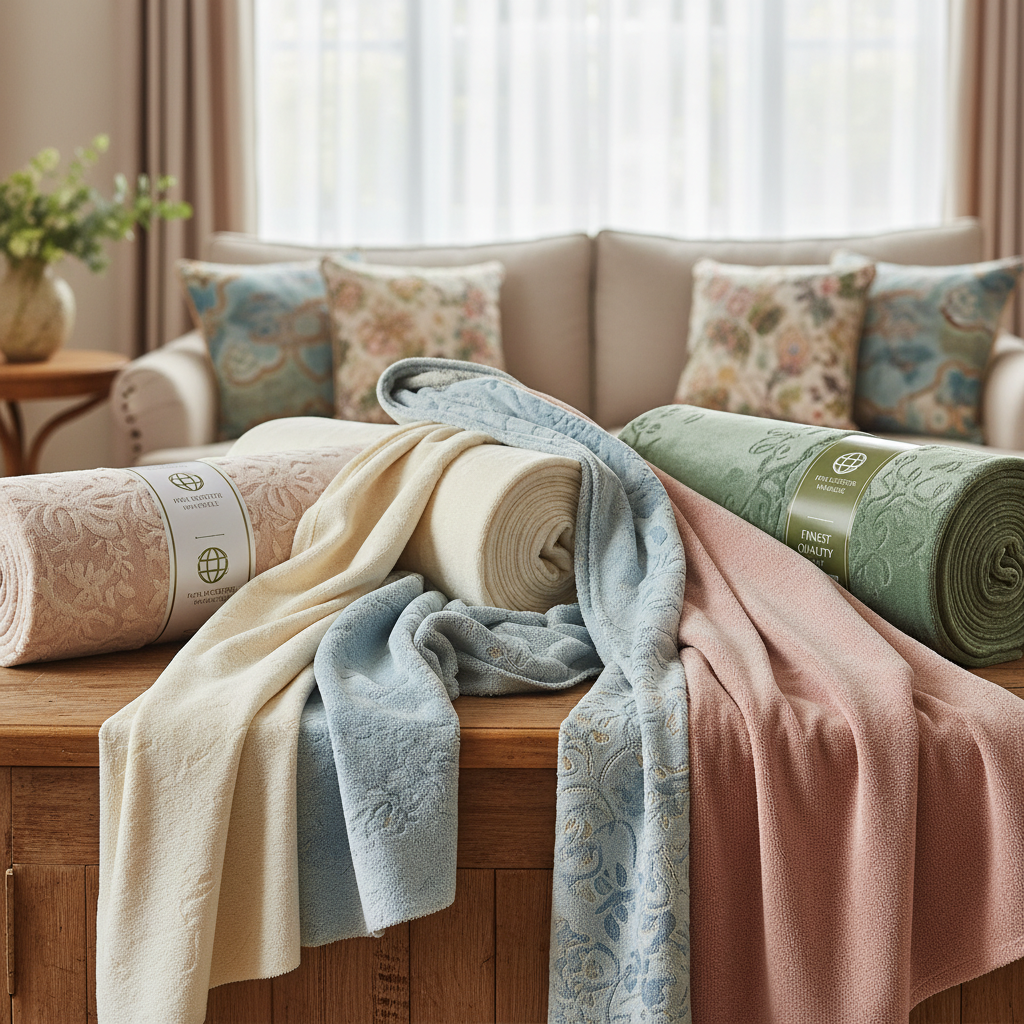
Beyond apparel, this yarn finds widespread use in home textiles, including bedding, towels, curtains, and upholstery. Its durability and resistance to wear and tear make it a practical choice for these applications. In industrial settings, it’s used in products like conveyor belts, filter cloths, and protective clothing, leveraging its strength and resistance to chemicals and abrasion.
Advantages and Long-Term Value Proposition
The cost-effectiveness of cotton polyester blend yarn is a major advantage, particularly for large-scale production runs. It offers a lower price point compared to 100% cotton fabrics, without significant compromise in quality. This makes it accessible to a broader consumer base and enhances profitability for manufacturers.
From a sustainability perspective, while not a perfect solution, utilizing a blend can reduce reliance on water-intensive cotton farming. Additionally, the increasing availability of recycled polyester options further minimizes the environmental impact, aligning with growing consumer demand for eco-friendly products. The durability of the blend also contributes to reduced textile waste, as products last longer.
Future Trends and Innovations
The future of cotton polyester blend yarn is likely to be shaped by advancements in fiber technology and sustainable manufacturing practices. Innovations such as bio-based polyester, derived from renewable sources, are gaining traction, offering a reduced carbon footprint. Digital printing technologies are also enabling more efficient and eco-friendly dyeing processes.
Automation in spinning and weaving mills will further enhance production efficiency and reduce costs. Furthermore, the development of specialized blends with enhanced properties, such as moisture-wicking or antimicrobial finishes, will cater to specific niche markets and consumer needs. Traceability and transparency in the supply chain, enabled by blockchain technology, will become increasingly important to ensure ethical and sustainable sourcing of raw materials.
FAQS
The most common ratio is 65% polyester and 35% cotton, offering a good balance of durability and comfort. However, ratios can vary widely from 50/50 to 80/20 depending on the desired characteristics of the final fabric. A higher polyester content results in greater wrinkle resistance and strength, while a higher cotton content enhances softness and breathability.
Cotton polyester blend yarn generally exhibits lower shrinkage compared to 100% cotton. Polyester fibers have minimal shrinkage, counteracting the tendency of cotton to shrink when washed. However, some shrinkage can still occur, particularly with higher cotton content blends. Pre-shrinking treatments during manufacturing can further minimize this issue.
While generally well-tolerated, some individuals with sensitive skin may experience irritation from polyester. Choosing blends with a higher cotton content can help mitigate this issue. Opting for yarns that have been processed without harsh chemicals and dyes is also recommended. Always check the fabric composition and care instructions.
The environmental impact is a complex issue. Cotton production can be water-intensive and require significant pesticide use. Polyester, traditionally derived from petroleum, contributes to carbon emissions. However, the use of recycled polyester and advancements in sustainable cotton farming are reducing this impact. Choosing responsibly sourced materials is crucial.
Cotton polyester blend yarn is generally more affordable than 100% cotton, linen, or silk. The price varies depending on the blend ratio, yarn quality, and manufacturing costs. It offers a cost-effective solution for a wide range of applications without significantly compromising on quality or performance.
Yes, both cotton and polyester can be recycled, although the process for each fiber is different. Recycled polyester is becoming increasingly common, reducing reliance on virgin petroleum. Recycling cotton is more challenging but is possible through mechanical or chemical processes. Properly disposing of textiles is essential for promoting circularity.
Conclusion
Cotton polyester blend yarn remains a vital material in the global textile industry, offering a compelling combination of affordability, durability, and versatility. Its widespread adoption addresses the needs of diverse markets, from apparel and home furnishings to industrial applications. By understanding its properties, applications, and emerging trends, manufacturers and consumers can make informed decisions and contribute to a more sustainable and efficient textile supply chain.
Looking ahead, continued innovation in fiber technology, sustainable manufacturing practices, and responsible sourcing will be crucial for maximizing the benefits of cotton polyester blend yarn while minimizing its environmental impact. Explore our wide range of cotton polyester blend yarn options and discover how we can meet your specific textile needs. Visit our website today!