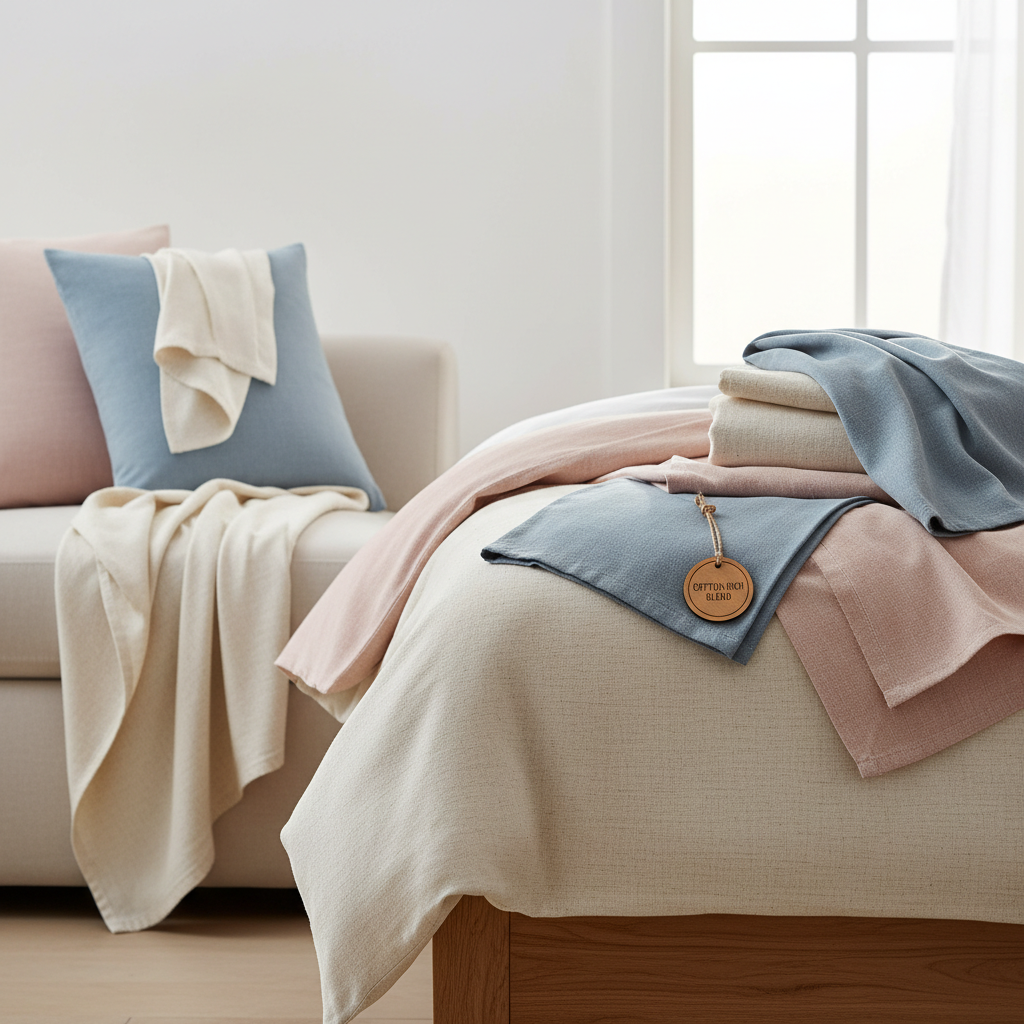
80 polyester 20 cotton fabric represents a versatile blend gaining prominence across numerous industries. Its unique composition balances the desirable qualities of both polyester and cotton, offering a cost-effective solution without compromising on performance. Understanding this blend is crucial for manufacturers, designers, and consumers alike, especially in a world increasingly focused on material efficiency and comfort.
Globally, the demand for textile blends like 80 polyester 20 cotton is steadily rising, driven by factors like affordability, durability, and ease of care. The UN reports a growing need for sustainable textile options in developing nations, where cost-effectiveness is paramount. This blend directly addresses that need, providing a practical and accessible material for various applications, from apparel to industrial uses.
The textile industry is constantly evolving, seeking materials that offer optimal performance at a competitive price. 80 polyester 20 cotton represents a sweet spot, offering a compelling combination of benefits that make it a preferred choice for a wide range of products and applications worldwide.
The Significance of 80 Polyester 20 Cotton
The prominence of 80 polyester 20 cotton arises from its ability to provide a balance between cost, durability, and comfort. It’s a material frequently used where a robust, easily maintained fabric is needed, while still offering a degree of softness and breathability that pure polyester lacks.
Its significance is amplified by the increasing need for sustainable and cost-effective textile solutions. As global supply chains evolve and consumer demands shift, 80 polyester 20 cotton presents a practical and reliable option for a broad spectrum of applications, contributing to its continued relevance in the textile landscape.
Understanding the 80 Polyester 20 Cotton Blend
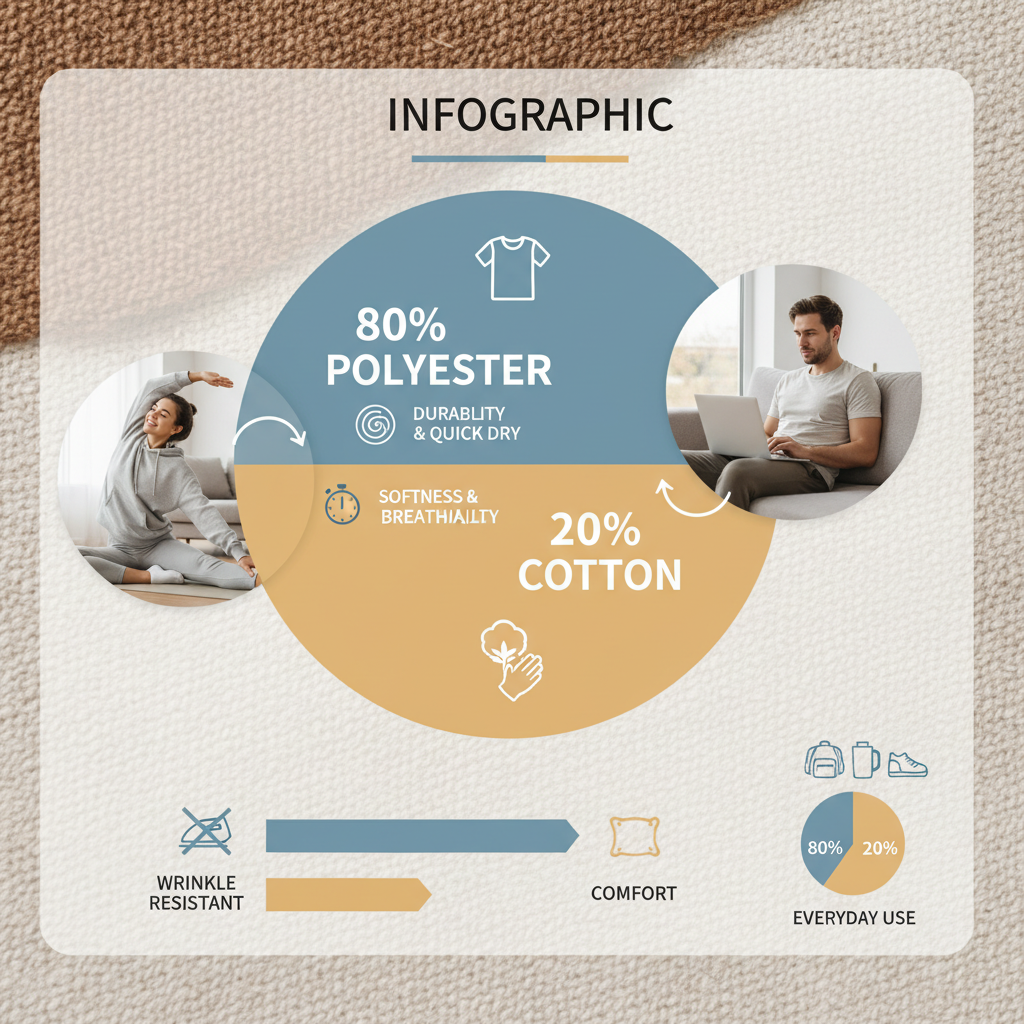
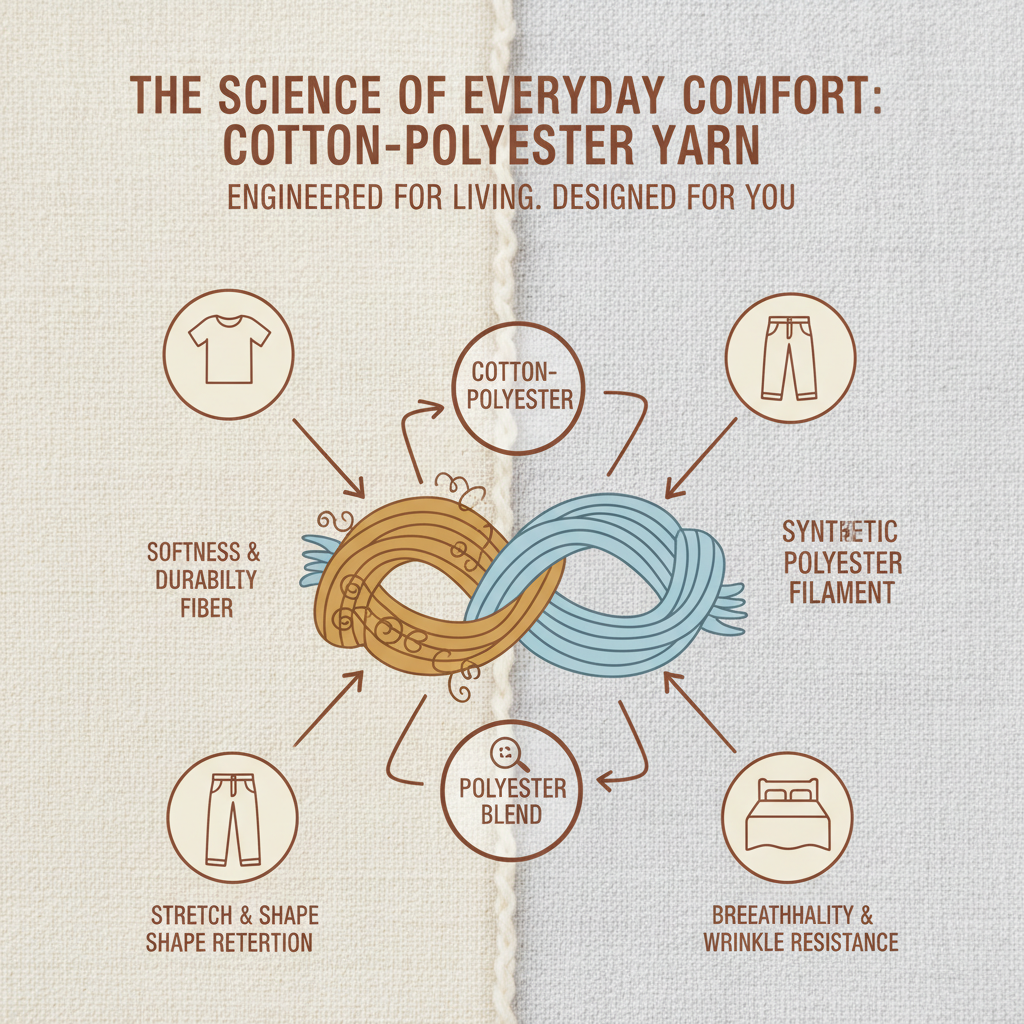
80 polyester 20 cotton signifies the ratio of polyester to cotton fibers within the fabric. 80% of the fabric composition is polyester, a synthetic fiber known for its strength, resilience, and resistance to wrinkles and shrinking. The remaining 20% is cotton, a natural fiber prized for its softness, breathability, and comfort.
This specific blend addresses limitations inherent in each individual fiber. Polyester alone can feel less breathable, while cotton is prone to wrinkling and shrinking. By combining them, the fabric gains the best attributes of both, resulting in a practical and versatile material suitable for various applications.
The relevance of this blend extends to both modern industrial processes and humanitarian needs. Its affordability and durability make it suitable for mass production of clothing and textiles, while its ease of care and reasonable comfort level also address the needs of diverse consumer groups.
Key Characteristics of 80 Polyester 20 Cotton
Durability is a hallmark of 80 polyester 20 cotton. The polyester component provides exceptional strength and resistance to abrasion, ensuring the fabric can withstand frequent use and washing without significant degradation. This makes it ideal for items requiring longevity, such as workwear and outdoor gear.
Wrinkle resistance is another significant characteristic. Polyester fibers naturally resist wrinkling, and even with the addition of cotton, the blend maintains a relatively smooth appearance, reducing the need for ironing and simplifying garment care. This is a major benefit for consumers seeking convenience.
Breathability, while not as high as pure cotton, is improved by the 20% cotton content. This allows for some air circulation, enhancing comfort, especially in warmer climates or during physical activity. The blend offers a practical compromise between durability and comfort.
Performance Attributes of 80 Polyester 20 Cotton
The blend exhibits superior color retention compared to 100% cotton. Polyester fibers hold dyes exceptionally well, resulting in fabrics that maintain their vibrancy even after repeated washings. This is particularly important for branded apparel and items where color consistency is crucial.
Shrinkage is significantly reduced in 80 polyester 20 cotton fabrics. Polyester doesn't shrink like cotton, mitigating the potential for garments to lose their shape after laundering. This ensures a consistent fit and extends the lifespan of the product.
Comparative Performance of 80 Polyester 20 Cotton Methods
Applications Across Industries
The apparel industry heavily utilizes 80 polyester 20 cotton for sportswear, activewear, and casual clothing. The fabric’s durability, moisture-wicking properties, and wrinkle resistance make it ideal for garments subjected to frequent wear and washing. It's found in t-shirts, hoodies, and athletic shorts.
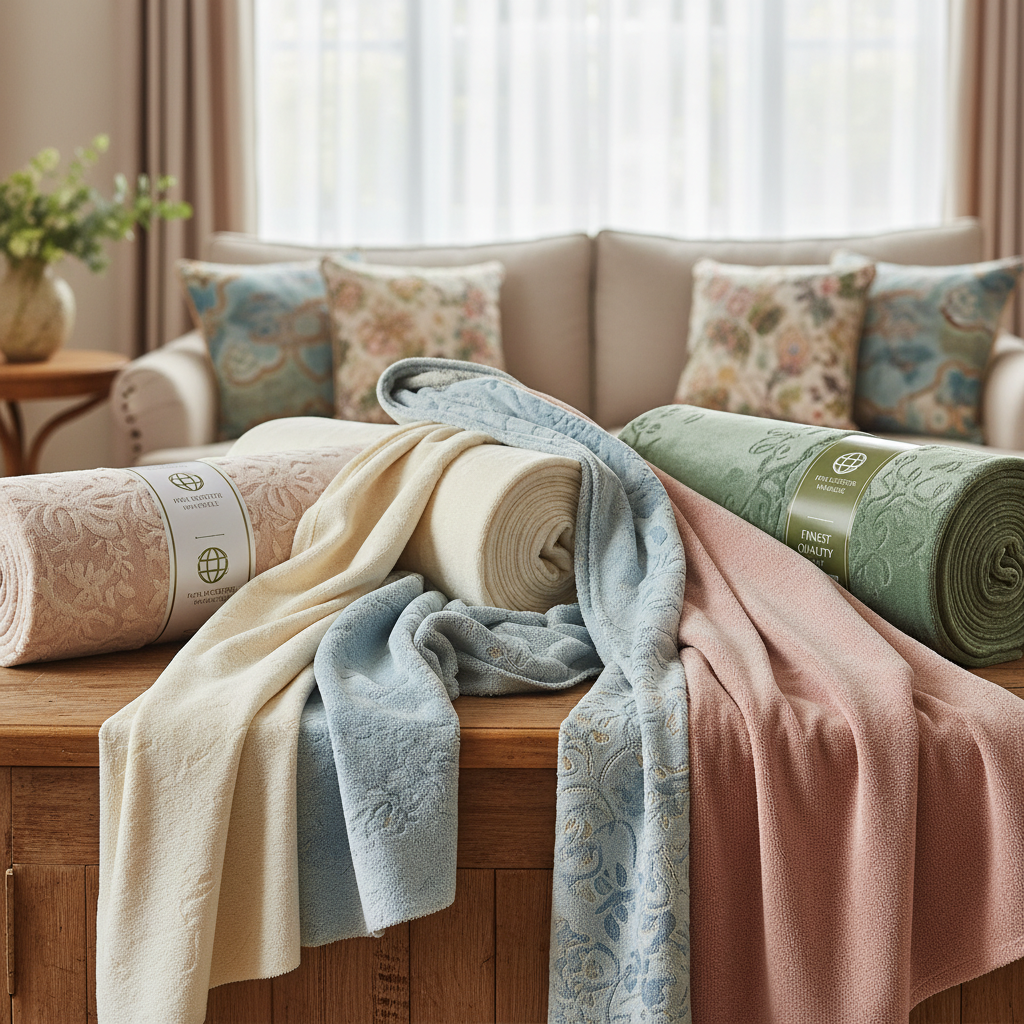
In the home textiles sector, 80 polyester 20 cotton is employed in bedding, curtains, and upholstery. The blend’s colorfastness and resistance to fading ensure that these items maintain their appearance over time. Its relative affordability contributes to its popularity in these applications.
Benefits and Long-Term Value
Cost-effectiveness is a significant benefit. 80 polyester 20 cotton is generally less expensive than 100% cotton, making it an attractive option for manufacturers seeking to reduce production costs without compromising significantly on quality. This translates to lower prices for consumers.
Durability extends the lifespan of products, reducing the need for frequent replacements. This contributes to a more sustainable consumption pattern and reduces textile waste, aligning with growing environmental concerns. The fabric’s resilience provides long-term value for both businesses and consumers.
The blend’s ease of care – machine washable and requiring minimal ironing – saves time and energy for consumers, offering convenience and simplifying everyday routines. This practical benefit adds to its overall appeal and reinforces its position in the market.
Future Trends and Considerations
Sustainable sourcing of both polyester and cotton is becoming increasingly important. Recycled polyester and organic cotton options are gaining traction, offering environmentally responsible alternatives. Consumers are actively seeking products made from sustainable materials.
Innovations in fiber technology are exploring new ways to enhance the properties of 80 polyester 20 cotton. This includes incorporating moisture-wicking treatments, anti-microbial finishes, and UV protection to expand the fabric’s functionality.
The integration of digital printing technologies allows for more intricate and customized designs on 80 polyester 20 cotton fabrics, catering to the growing demand for personalized apparel and home textiles. This is driving innovation in the textile printing sector.
Summary of Challenges and Solutions in 80 Polyester 20 Cotton Production
| Challenge Area |
Current Limitation |
Proposed Solution |
Potential Impact |
| Raw Material Sourcing |
Reliance on virgin polyester |
Increased use of recycled polyester |
Reduced environmental impact |
| Production Efficiency |
Water consumption during dyeing |
Waterless dyeing technologies |
Significant water savings |
| Fabric Performance |
Limited breathability |
Advanced fiber treatments for airflow |
Enhanced comfort in warm climates |
| Waste Management |
Textile waste disposal challenges |
Textile recycling initiatives |
Reduced landfill waste |
| Supply Chain Transparency |
Lack of traceability |
Blockchain technology for tracking |
Improved accountability |
| Cost Fluctuations |
Volatility in raw material prices |
Long-term contracts with suppliers |
Price stability |
FAQS
80 polyester 20 cotton offers improved durability, wrinkle resistance, and faster drying times compared to 100% cotton. It also tends to be more affordable. While 100% cotton is incredibly soft, the polyester component adds a level of practicality and longevity that makes 80/20 ideal for garments that undergo frequent use and washing. This is especially beneficial for activewear or workwear where these characteristics are critical.
While not as breathable as 100% cotton, 80 polyester 20 cotton offers a reasonable level of breathability due to the 20% cotton content. This allows for some air circulation, enhancing comfort, especially in warmer weather. Modern textile treatments can further enhance breathability by creating more airflow within the fabric structure. It's a good compromise between breathability and durability.
80 polyester 20 cotton is exceptionally durable and holds up very well to frequent washing. Polyester fibers are resistant to shrinking and stretching, while the blend retains color well. It is recommended to wash in cold water and tumble dry on low to maximize the fabric's lifespan and maintain its appearance. Proper care ensures the garment remains vibrant and retains its shape wash after wash.
The environmental impact depends on the source of the polyester and cotton. Choosing recycled polyester and organic cotton options significantly reduces the environmental footprint. While polyester is a synthetic material, its durability means products last longer, reducing waste. Looking for certifications like GOTS (Global Organic Textile Standard) can help ensure responsible sourcing.
Both screen printing and direct-to-garment (DTG) printing work well with 80 polyester 20 cotton. DTG is particularly effective for complex designs and smaller print runs, while screen printing is often more cost-effective for larger quantities. Sublimation printing is also an option for all-over prints, but it requires a white or light-colored base.
Generally, 80 polyester 20 cotton is more affordable than blends with a higher cotton content, such as 65/35 polyester/cotton or 100% cotton. This cost-effectiveness is a key advantage, making it a popular choice for budget-conscious manufacturers and consumers. The price can vary based on the quality of the fibers and any special treatments applied to the fabric.
Conclusion
In conclusion, 80 polyester 20 cotton represents a versatile and practical fabric blend offering a compelling balance of durability, affordability, and comfort. Its wide range of applications, from apparel to home textiles, demonstrates its adaptability and continued relevance in today’s market. By understanding its key characteristics and benefits, both manufacturers and consumers can make informed decisions regarding material selection.
Looking ahead, prioritizing sustainable sourcing, embracing innovative fiber treatments, and exploring digital printing technologies will further enhance the appeal and long-term value of 80 polyester 20 cotton. This blend is poised to remain a significant player in the textile industry, providing a cost-effective and reliable solution for a diverse range of needs. Visit our website at 80 polyester 20 cotton to learn more.