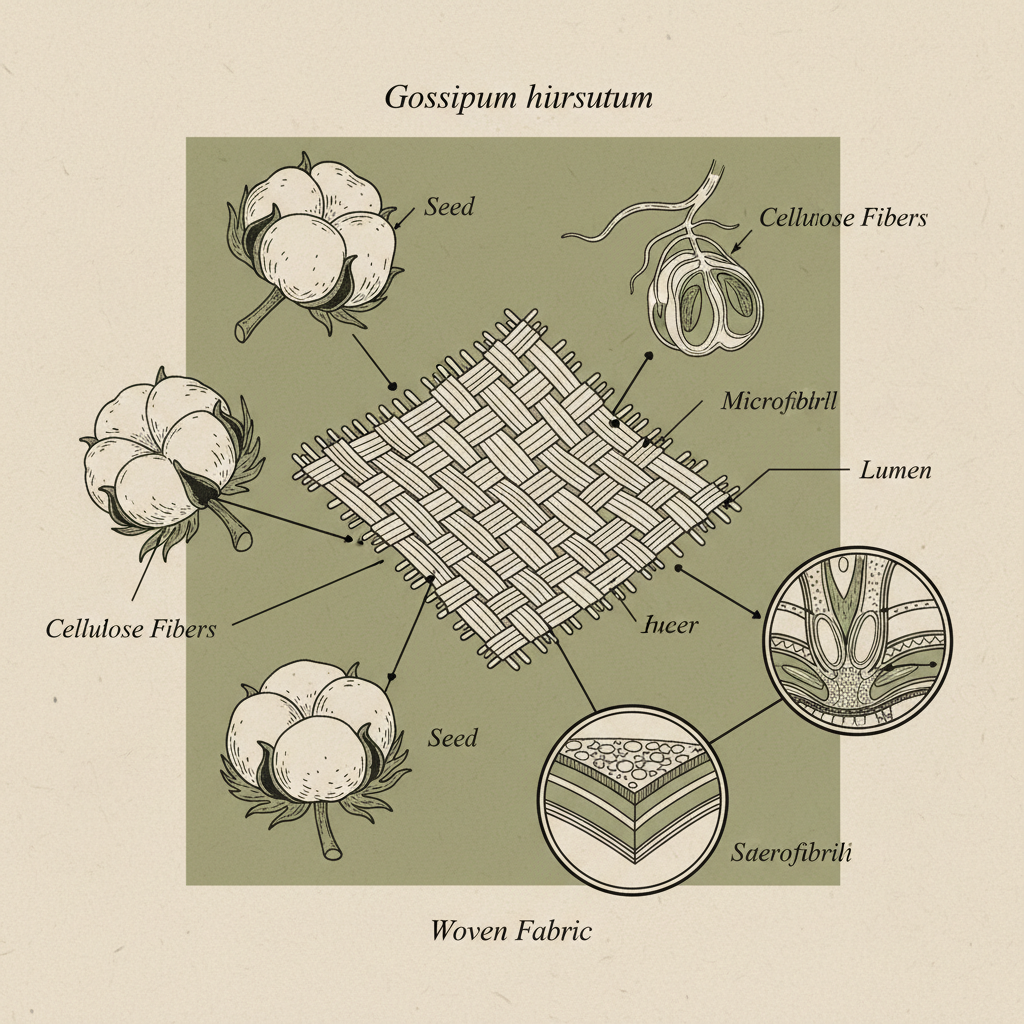
65 35 poly cotton fabric, a blend of 65% polyester and 35% cotton, has become a cornerstone of the textile industry due to its unique combination of properties. This fabric offers a cost-effective solution for a wide array of applications, from apparel and home textiles to industrial uses. Its durability, ease of care, and relatively low cost make it a popular choice globally.
The global demand for fabrics like 65 35 poly cotton is constantly increasing, driven by population growth, evolving fashion trends, and the expansion of industries reliant on textiles. According to reports by the World Bank, the textile industry remains a significant contributor to the economies of many developing nations, and blended fabrics like this one play a crucial role in meeting both domestic and international demands.
Understanding the nuances of 65 35 poly cotton fabric – its properties, applications, and future trends – is essential for businesses, designers, and consumers alike. This knowledge empowers informed decision-making, promotes sustainable practices, and fosters innovation within the textile sector.
Introduction to 65 35 Poly Cotton Fabric
65 35 poly cotton fabric represents a versatile and widely used textile solution. Its blend of polyester and cotton fibers offers a unique set of characteristics that make it suitable for a broad range of applications, from everyday clothing to durable industrial materials. This fabric's popularity stems from its balance of cost-effectiveness, comfort, and performance.
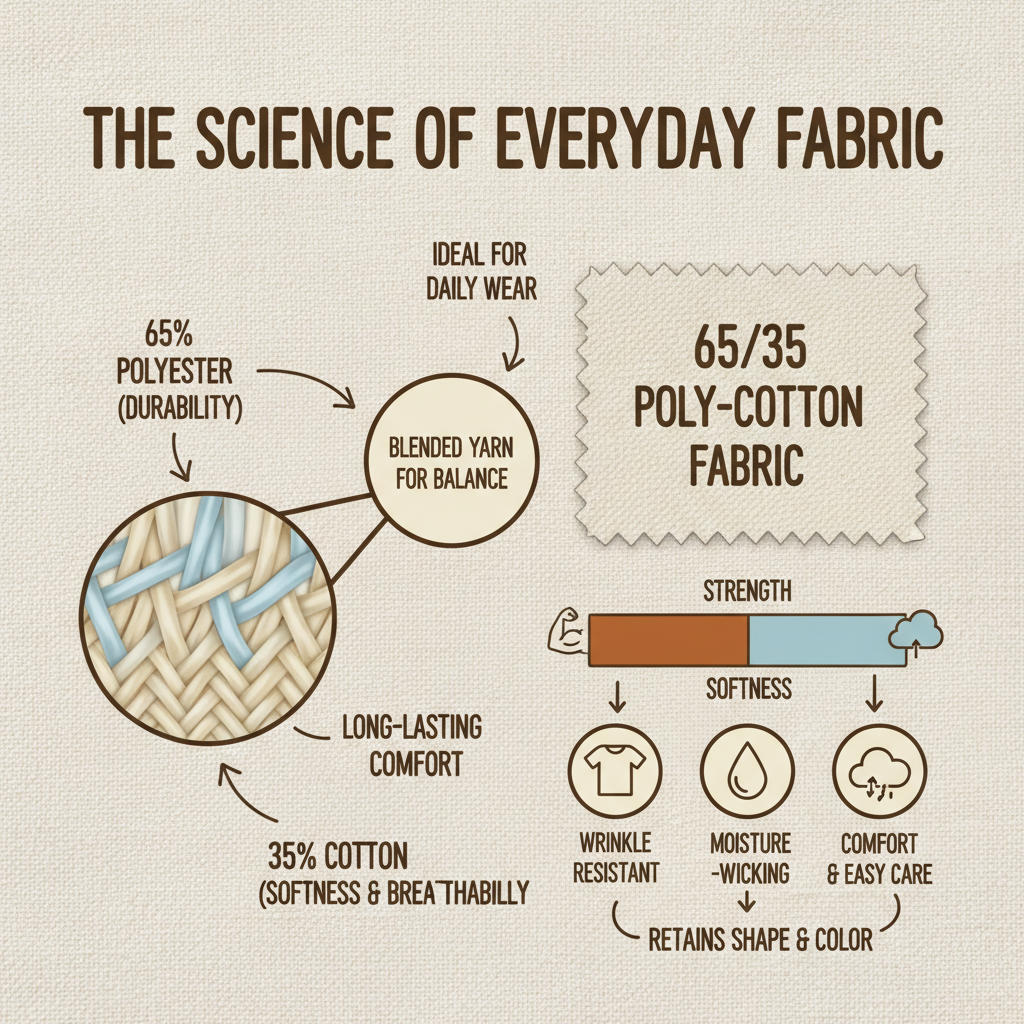
The incorporation of polyester into the cotton base provides enhanced durability, wrinkle resistance, and shape retention, while the cotton content contributes to breathability and a softer feel. This carefully calibrated blend caters to diverse consumer preferences and demands, solidifying its position as a mainstay in the textile market.
Defining 65 35 Poly Cotton Fabric
65 35 poly cotton fabric, as the name suggests, is a textile constructed from 65% polyester and 35% cotton fibers. Polyester, a synthetic polymer, provides strength, resilience, and resistance to shrinking and stretching. Cotton, a natural fiber, offers softness, breathability, and comfort. The combination aims to leverage the best qualities of both materials.
This blend is particularly relevant in a world increasingly focused on balancing performance with comfort and cost. While 100% cotton offers excellent comfort, it can be prone to wrinkling and shrinking. Conversely, 100% polyester can lack breathability. 65 35 poly cotton strikes a middle ground, making it suitable for various applications.
Its connection to modern industry is significant, serving as a fundamental material in numerous sectors, including fashion, healthcare (uniforms), and hospitality (linens). The fabric addresses the need for durable, comfortable, and affordable textiles in both consumer and industrial settings.
Key Characteristics of 65 35 Poly Cotton
The defining characteristics of 65 35 poly cotton fabric are rooted in the properties of its constituent fibers. Polyester contributes to wrinkle resistance, dimensional stability, and quick-drying capabilities, making it ideal for garments requiring minimal ironing and frequent washing.
Cotton, on the other hand, brings a natural softness, enhanced breathability, and improved moisture absorption. This blend creates a fabric that feels comfortable against the skin while still maintaining a degree of durability and ease of care. The specific ratio of 65/35 is commonly chosen for optimal balance of these properties.
Further, the blend often exhibits improved colorfastness compared to 100% cotton, meaning the colors are less likely to fade over time with repeated washing and exposure to sunlight. This makes it a preferred choice for items where maintaining vibrant colors is crucial.
Performance Metrics of 65 35 Poly Cotton Fabric
Evaluating the performance of 65 35 poly cotton fabric requires considering several key metrics. Tensile strength, measuring its resistance to tearing, is notably higher than that of 100% cotton, due to polyester’s inherent strength. Abrasion resistance, indicating its ability to withstand wear and tear, also benefits from the polyester content.
Dimensional stability, referring to its resistance to shrinking or stretching after washing, is another significant advantage. Pilling resistance, the tendency to form small balls of fiber on the surface, is generally moderate to good depending on the yarn quality and finishing processes.
Comparative Performance of 65 35 Poly Cotton Fabric Properties
Global Applications of 65 35 Poly Cotton Fabric
The versatility of 65 35 poly cotton fabric translates into a wide range of global applications. In the apparel industry, it’s a dominant choice for workwear, uniforms, and casual clothing due to its durability and affordability. It's frequently used in shirts, pants, dresses, and outerwear.
Beyond apparel, it's extensively utilized in home textiles, including bed linens, curtains, and upholstery. Its wrinkle resistance and easy care make it ideal for these applications. In industrial settings, 65 35 poly cotton fabric finds use in protective clothing, filtration materials, and various technical textiles.
The Advantages of Choosing 65 35 Poly Cotton
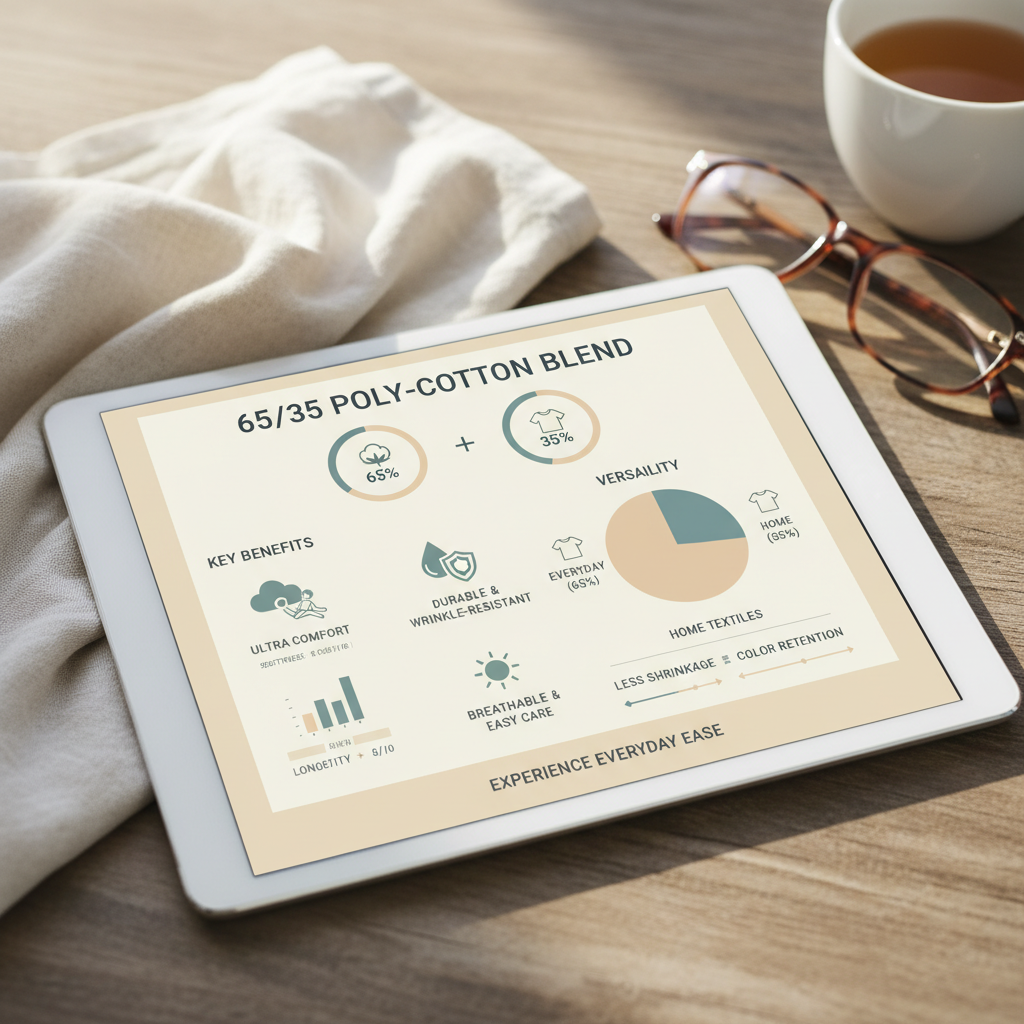
The key advantage of 65 35 poly cotton fabric lies in its cost-effectiveness. It offers a balance of desirable properties at a significantly lower price point compared to fabrics made from 100% natural fibers or more specialized synthetics. This affordability makes it accessible to a broader range of consumers and businesses.
Another significant benefit is its durability and ease of maintenance. The polyester component contributes to wrinkle resistance, reduced shrinkage, and faster drying times, translating to lower laundry costs and extended garment life. This is particularly important for items subjected to frequent washing, such as workwear and children's clothing.
Furthermore, the fabric’s versatility allows for easy dyeing and printing, making it suitable for a wide variety of designs and patterns. The enhanced colorfastness ensures that colors remain vibrant even after repeated washes, contributing to a longer-lasting and aesthetically pleasing product.
Future Trends and Innovations in 65 35 Poly Cotton Fabric
The future of 65 35 poly cotton fabric is likely to be shaped by sustainability concerns and technological advancements. There's a growing demand for recycled polyester, which can be incorporated into the blend to reduce reliance on virgin materials and minimize environmental impact. Innovations in cotton cultivation, such as organic and genetically modified varieties, are also relevant.
Furthermore, advancements in fabric finishing technologies are leading to enhanced performance characteristics, such as improved moisture management, antimicrobial properties, and UV protection. Nanotechnology is being explored to impart these functionalities without compromising the fabric’s inherent qualities.
The integration of digital printing technologies allows for greater design flexibility and reduced waste, aligning with the growing trend towards personalized and on-demand manufacturing. These innovations promise to further enhance the appeal and sustainability of 65 35 poly cotton fabric in the years to come.
Summary of Key Considerations for Optimizing 65 35 Poly Cotton Fabric
| Material Source |
Production Process |
Environmental Impact |
Cost Efficiency |
| Recycled Polyester vs. Virgin Polyester |
Water Usage and Dyeing Methods |
Carbon Footprint and Waste Generation |
Economies of Scale in Production |
| Organic Cotton vs. Conventional Cotton |
Energy Consumption during Manufacturing |
Biodegradability and Circularity |
Labor Costs and Supply Chain Management |
| Traceability of Raw Materials |
Chemical Usage and Waste Treatment |
Compliance with Environmental Regulations |
Material Yield and Minimizing Scrap |
| Sustainable Sourcing Certifications |
Innovative Finishing Technologies |
Life Cycle Assessment (LCA) of the Fabric |
Automation and Production Efficiency |
| Transparency in the Supply Chain |
Closed-Loop Manufacturing Systems |
Reducing Water Pollution from Textile Dyeing |
Optimizing Inventory Management |
| Fair Labor Practices in Cotton Farming |
Reducing Reliance on Fossil Fuels |
Promoting Textile Recycling Programs |
Minimizing Transportation Costs |
FAQS
65 35 poly cotton fabric is ideal for everyday clothing due to its balanced properties. The polyester content provides durability and wrinkle resistance, while the cotton offers comfort and breathability. This blend makes it easy to care for, requiring minimal ironing, and it holds up well to frequent washing and wear. It's also generally more affordable than 100% cotton alternatives.
Compared to 100% cotton, 65 35 poly cotton fabric exhibits significantly less shrinkage. Cotton is prone to shrinking after washing, especially when exposed to heat. The addition of polyester fibers in the 65 35 blend stabilizes the fabric, reducing its tendency to shrink and maintaining its original shape and size after multiple washes.
While not as breathable as 100% cotton, 65 35 poly cotton fabric still offers a reasonable level of breathability. The 35% cotton content allows for some air circulation and moisture absorption. However, it's important to note that polyester is less breathable than natural fibers. The overall breathability is adequate for most everyday applications and climates.
Yes, 65 35 poly cotton fabric is relatively easy to dye. The polyester component readily accepts disperse dyes, while the cotton component can be dyed with reactive dyes. This allows for a wide range of colors and patterns to be achieved. However, it’s crucial to use appropriate dyeing processes and dyes specifically designed for polyester-cotton blends to ensure optimal colorfastness.
65 35 poly cotton fabric is generally easy to care for. Machine washing in warm or cold water is typically recommended, followed by tumble drying on a low heat setting. Ironing is often not necessary due to its wrinkle-resistant properties, but if needed, it can be ironed on a low setting. Avoid using bleach, as it can damage the fabric.
65 35 poly cotton fabric is considered quite durable, offering a good balance between strength and comfort. It's generally more durable than 100% cotton, as the polyester fibers add resistance to tearing and abrasion. Compared to blends with a higher polyester content, it retains more of the softness and breathability of cotton, making it a versatile and long-lasting choice for a variety of applications.
Conclusion
In conclusion, 65 35 poly cotton fabric offers a compelling combination of benefits – affordability, durability, ease of care, and versatility – that have cemented its position as a mainstay in the textile industry. Its ability to balance the desirable qualities of both polyester and cotton makes it suitable for a wide range of applications, from apparel and home textiles to industrial uses. Understanding its properties and potential continues to be crucial for designers, manufacturers, and consumers.
Looking ahead, innovations in sustainable sourcing and manufacturing processes will further enhance the appeal of 65 35 poly cotton fabric. Embracing recycled polyester, exploring eco-friendly dyeing methods, and optimizing production efficiency will be key to minimizing its environmental impact and ensuring its continued relevance in a rapidly evolving market. Visit our website at 65 35 poly cotton fabric to learn more and explore our selection.