The textile industry has long sought the perfect balance between the natural comfort of cotton and the industrial resilience of synthetic fibers. This search led to the widespread adoption of blended materials, specifically the highly versatile 50 50 poly cotton fabric, which combines equal parts polyester and cotton to optimize performance. By merging these two distinct fibers, manufacturers can produce a material that minimizes the shortcomings of each while amplifying their inherent strengths.
From a global perspective, the demand for high-performance blends is driven by the need for cost-effective, durable, and easy-to-maintain textiles in both commercial and domestic sectors. Whether it is for industrial uniforms, medical scrubs, or home linens, the ability of a fabric to resist wrinkles while remaining breathable is a critical requirement. The strategic integration of synthetic polymers with organic cotton fibers ensures that the final product meets rigorous international standards for wear and tear.
Understanding the technical nuances of 50 50 poly cotton fabric allows procurement managers and designers to make informed decisions based on GSM, weave density, and yarn count. For instance, while the purity of 100% cotton offers maximum softness, the addition of polyester provides the structural integrity needed for long-term use in high-stress environments. This synergy creates a textile solution that is not only economical but also functionally superior for diverse global applications.
Global Relevance of 50 50 Poly Cotton Fabric
In the modern textile economy, 50 50 poly cotton fabric serves as a bridge between luxury and utility. As global supply chains shift toward materials that offer higher longevity and lower maintenance, this specific blend has become a staple in the garment industry. It addresses the critical challenge of "fabric fatigue," where pure organic fibers break down too quickly under heavy industrial use, and pure synthetics fail to provide the necessary skin-friendliness and moisture absorption.
The global relevance of this blend is further amplified by the rise of professional workwear. In regions across Europe, Southeast Asia, and the Middle East, there is a surging demand for textiles that can withstand high temperatures and frequent laundering without losing their shape. By utilizing a balanced ratio of fibers, manufacturers can provide a product that satisfies both the ergonomic needs of the wearer and the budgetary constraints of the enterprise.
Defining the Mechanics of Poly-Cotton Blends
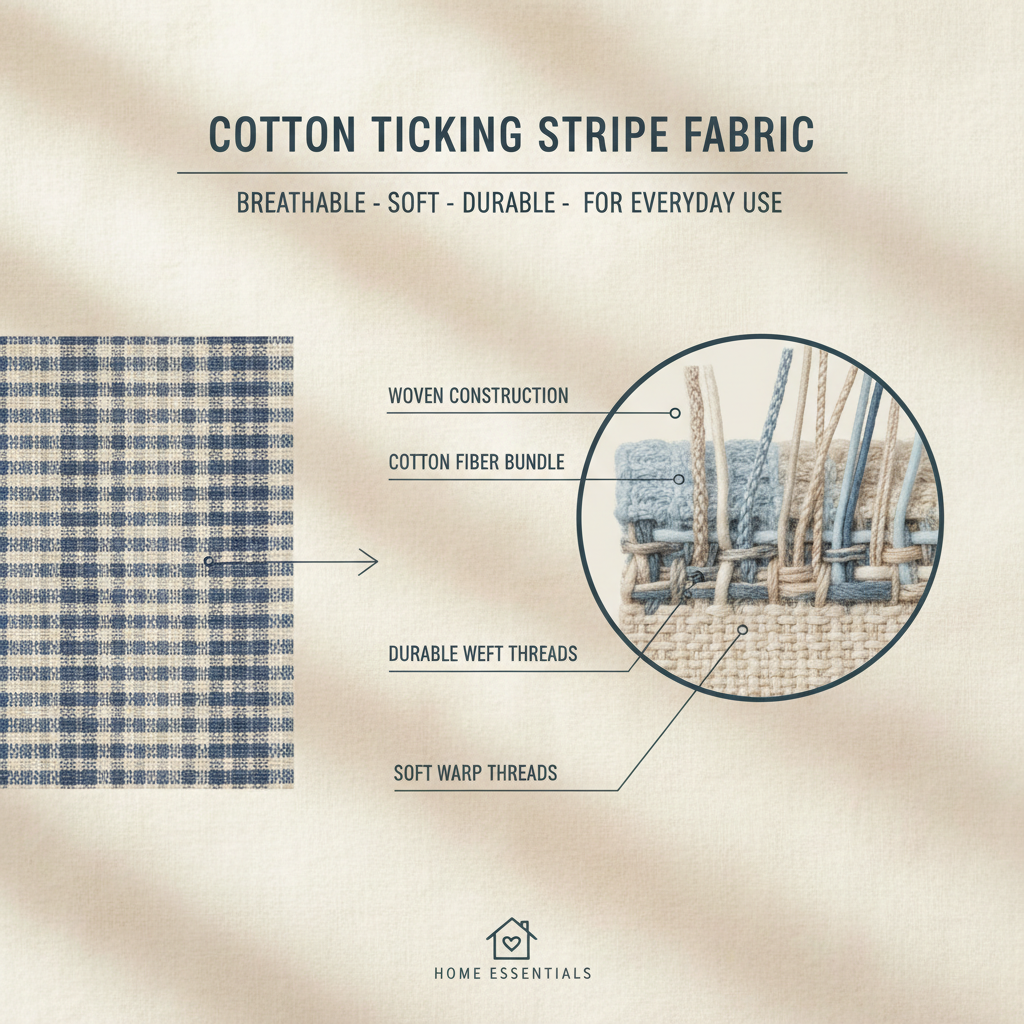
At its most basic level, 50 50 poly cotton fabric is a textile engineered from a blend of 50% polyester—a synthetic polymer—and 50% cotton—a natural cellulose fiber. This combination is achieved either through the blending of fibers before spinning the yarn or by weaving together separate polyester and cotton threads. The result is a hybrid material that inherits the softness and breathability of cotton and the strength and wrinkle-resistance of polyester.
From an industrial standpoint, this blend is designed to solve the inherent fragility of 100% cotton fabrics. While cotton is highly prized for its comfort, it is prone to shrinking and creasing. Polyester acts as a structural scaffold, preventing the fabric from distorting during washing and wearing. This makes the blend indispensable for items that require a crisp, professional appearance throughout a full workday, such as corporate shirts or hospitality uniforms.
Beyond aesthetics, the blend plays a vital role in humanitarian and medical needs. In high-turnover environments like clinics or relief camps, textiles must be sanitized frequently at high temperatures. A pure cotton fabric would deteriorate rapidly under such conditions, but the polyester component in 50 50 poly cotton fabric provides the thermal stability required to endure rigorous sterilization processes without losing structural integrity.
Core Components of Fabric Performance
The performance of 50 50 poly cotton fabric is primarily determined by three factors: the yarn count, the weave structure, and the GSM (grams per square meter). A higher GSM indicates a denser, heavier fabric suitable for outerwear, while a lower GSM is ideal for lightweight shirting. The interplay between these technical parameters dictates how the fabric behaves under tension and how it interacts with the human skin.
Durability is perhaps the most significant core component. Because polyester fibers are significantly stronger than cotton fibers, 50 50 poly cotton fabric exhibits superior tensile strength. This prevents the fabric from tearing easily in industrial settings, making it a preferred choice for pocketing fabrics and heavy-duty uniforms where friction is constant.
Furthermore, moisture management is optimized through this blend. While polyester is hydrophobic, cotton is hydrophilic. In a 50/50 split, the cotton absorbs sweat and moisture from the skin, while the polyester helps the fabric dry faster by preventing the fibers from becoming completely saturated. This balanced moisture-wicking capability ensures that the wearer remains comfortable across varying climates, from humid tropical zones to dry industrial interiors.
Industrial Applications and Use Cases
The versatility of 50 50 poly cotton fabric allows it to be deployed across a vast array of sectors. In the medical field, it is used for scrubs and lab coats where a balance of hygiene and comfort is paramount. In the hospitality industry, it is the gold standard for bed linens and tablecloths, as these items must withstand industrial-scale laundering while maintaining a smooth, unwrinkled surface to project a sense of luxury and cleanliness.
In remote industrial zones or post-disaster relief operations, this blend is often used for durable tents and protective clothing. The polyester provides the necessary resistance to environmental degradation and abrasion, while the cotton ensures that the material does not cause skin irritation during prolonged contact. This makes the fabric a reliable choice for NGOs and government agencies providing emergency infrastructure in harsh terrains.
Performance Comparison of Various Poly-Cotton Blend Methods
Long-Term Value and Sustainability
The long-term value of 50 50 poly cotton fabric lies in its extended lifecycle. Unlike 100% cotton garments that may wear thin or lose their shape after a few dozen washes, poly-cotton blends maintain their structural integrity for significantly longer. This reduces the frequency of replacement, which translates to lower procurement costs for businesses and a reduced waste stream for the environment.
From a sustainability angle, the industry is moving toward incorporating recycled polyester (rPET) into these blends. By using polyester derived from post-consumer plastic bottles, the environmental footprint of 50 50 poly cotton fabric is further lowered. This innovation allows brands to maintain the high performance and cost-efficiency of the blend while aligning with global ESG (Environmental, Social, and Governance) goals and circular economy principles.
Future Innovations in Textile Blending
The future of 50 50 poly cotton fabric is being shaped by smart textiles and nanotechnology. Researchers are currently developing blends where the polyester fibers are coated with antimicrobial agents or hydrophobic nano-layers. This would allow the fabric to repel stains and bacteria entirely while still offering the natural touch and breathability of cotton, creating a "self-cleaning" textile for medical and industrial use.
Digital transformation in weaving is also playing a role. With the introduction of AI-driven looms, the precision of the 50/50 blend can be monitored in real-time to ensure perfectly consistent GSM and thread density across thousands of meters of fabric. This eliminates the variability that often plagues traditional textile production, ensuring that every roll of 50 50 poly cotton fabric meets the exact specifications of the client.
Moreover, the integration of biodegradable polymers is on the horizon. The goal is to replace traditional petroleum-based polyester with bio-based polymers that offer the same strength and wrinkle-resistance but decompose more readily at the end of the product's life. This shift will transform the poly-cotton blend from a durable utility fabric into a sustainable high-performance material.
Overcoming Technical Challenges in Production
Despite its benefits, producing a high-quality 50 50 poly cotton fabric involves overcoming several technical hurdles. One primary challenge is "dye migration" or uneven coloring. Because polyester and cotton absorb dyes differently—polyester requiring disperse dyes and cotton requiring reactive dyes—manufacturers must use a sophisticated two-stage dyeing process to ensure a uniform color across the blend.
Another challenge is the risk of "pilling," where small balls of fiber form on the surface of the fabric due to friction. This occurs when the stronger polyester fibers hold onto the smaller, broken cotton fibers. To solve this, advanced factories employ singeing and enzyme washes that remove protruding fibers and smooth the surface, ensuring the fabric remains sleek and professional over time.
Finally, achieving the perfect tension during the weaving process is critical to avoid bowing or skewing. Modern air-jet looms, such as those used by leading manufacturers, allow for precise control over warp and weft tension. This technical precision ensures that 50 50 poly cotton fabric maintains its dimensional stability, meaning it won't twist or shrink unevenly after its first wash.
Technical Specification Analysis of Poly-Cotton Blend Variants
| Fabric Variant |
Durability Score (1-10) |
Breathability Score (1-10) |
Maintenance Level |
| Standard 50/50 Twill |
8 |
7 |
Low |
| High-GSM Heavy Blend |
10 |
5 |
Medium |
| Light-GSM Shirting Blend |
6 |
9 |
Low |
| Sateen Finish Blend |
7 |
8 |
Medium |
| Industrial Grade Blend |
9 |
6 |
Low |
| rPET Recycled Blend |
8 |
7 |
Low |
FAQS
Yes, for most professional settings. While 100% cotton is very breathable, it wrinkles easily and wears out faster. A 50/50 blend provides the necessary durability and shape retention, meaning uniforms look professional throughout the day and last longer through repeated industrial washing cycles.
It shrinks significantly less than pure cotton. The polyester fibers act as a stabilizer, locking the cotton fibers in place. While a small amount of shrinkage can occur during the first high-heat wash, it is generally negligible compared to the high shrinkage rates of 100% cotton fabrics.
Yes, the 50% cotton content ensures that the fabric remains breathable and can absorb moisture. While it is slightly less breathable than pure linen or cotton, the polyester helps the fabric dry faster, which can actually be more comfortable in humid conditions where pure cotton stays damp.
Because of the polyester content, oil-based stains can be more stubborn. It is recommended to use a pre-treatment detergent specifically for synthetics. However, water-based stains are easily managed thanks to the cotton component, and the fabric generally handles standard laundering very well.
Absolutely. It is one of the most common choices for medical wear because it combines the comfort needed for long shifts with the durability required for frequent sterilization and chemical exposure, ensuring the scrubs remain professional and intact.
Traditional polyester is petroleum-based, but the longevity of the blend reduces waste by extending the garment's life. Furthermore, the industry is shifting toward rPET (recycled polyester) and organic cotton, making modern 50/50 blends significantly more sustainable than they were in the past.
Conclusion
In summary, 50 50 poly cotton fabric represents a strategic triumph in textile engineering, successfully merging the tactile comfort of natural cotton with the industrial strength of synthetic polyester. By addressing the critical needs of durability, breathability, and ease of maintenance, this blend has solidified its place as an essential material for global industries ranging from healthcare to hospitality. Its ability to withstand the rigors of professional use while remaining affordable makes it an unbeatable choice for large-scale procurement.
Looking forward, the continued integration of recycled materials and smart-textile technology will only enhance the value proposition of poly-cotton blends. For businesses seeking a textile solution that balances cost, performance, and sustainability, investing in high-quality blends is the most logical path. We invite you to explore our full range of professional fabric solutions to find the perfect fit for your next project. Visit our website: www.jiexiangtextile.com