Poly cotton blend fabrics have become ubiquitous in modern life, impacting everything from the clothes we wear to the linens in our homes. This versatile material, a combination of polyester and cotton fibers, offers a unique balance of desirable properties, making it a cornerstone of the textile industry. Understanding its characteristics, applications, and future potential is crucial for manufacturers, designers, consumers, and anyone involved in the global supply chain. The adaptability and affordability of poly cotton blend drive its widespread use.
The global demand for textiles is constantly increasing, fueled by population growth and evolving consumer preferences. While natural fibers like cotton remain popular, their limitations in terms of durability, wrinkle resistance, and cost have paved the way for synthetic blends. Poly cotton blends address many of these shortcomings, offering a more practical and economical solution for a wide range of applications. The United Nations estimates that the textile industry accounts for a significant portion of global carbon emissions, driving a need for more sustainable and efficient materials—a challenge poly cotton blends are evolving to meet.
The rising cost of raw cotton, coupled with the demand for easier-care fabrics, has solidified the position of poly cotton blends in the market. This blend provides a cost-effective alternative without compromising significantly on comfort or aesthetic appeal. Recognizing the importance of this material is key to navigating the complexities of the modern textile landscape and ensuring sustainable practices within the industry.
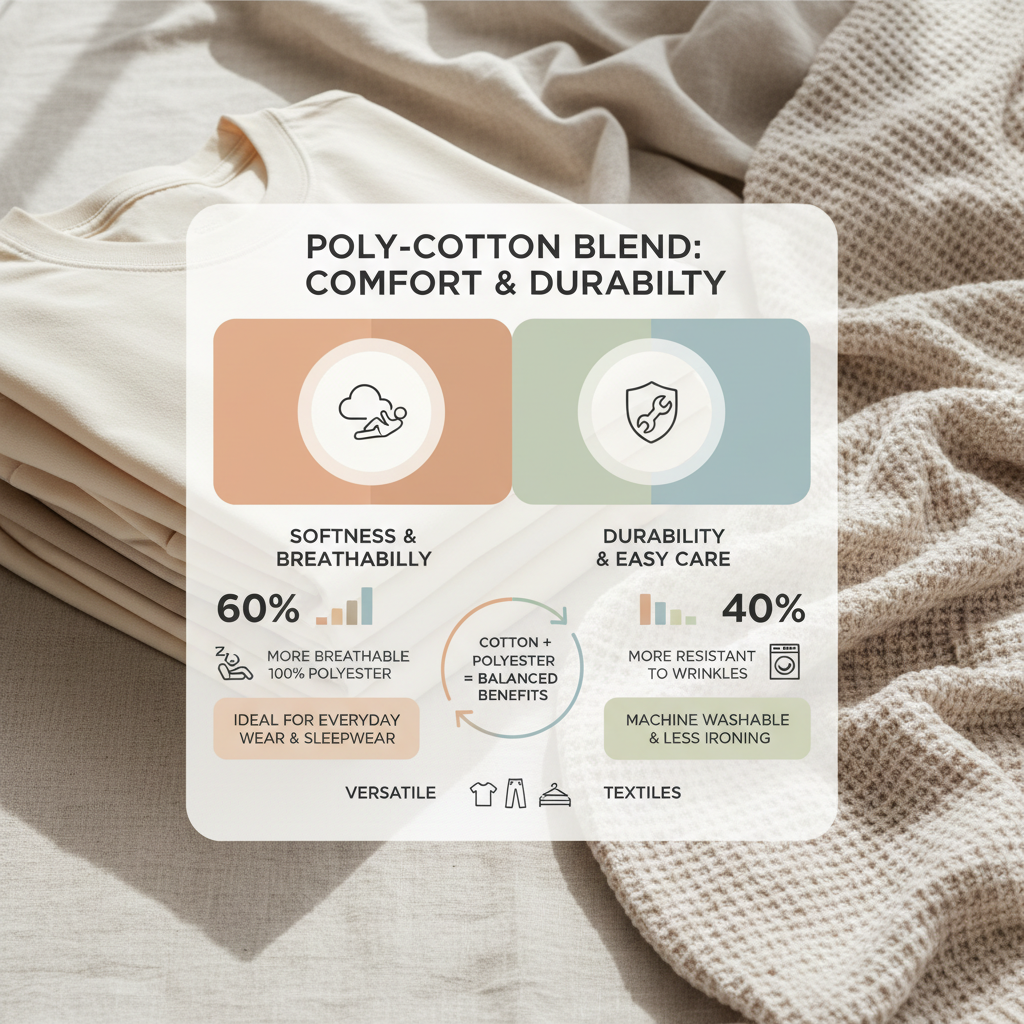
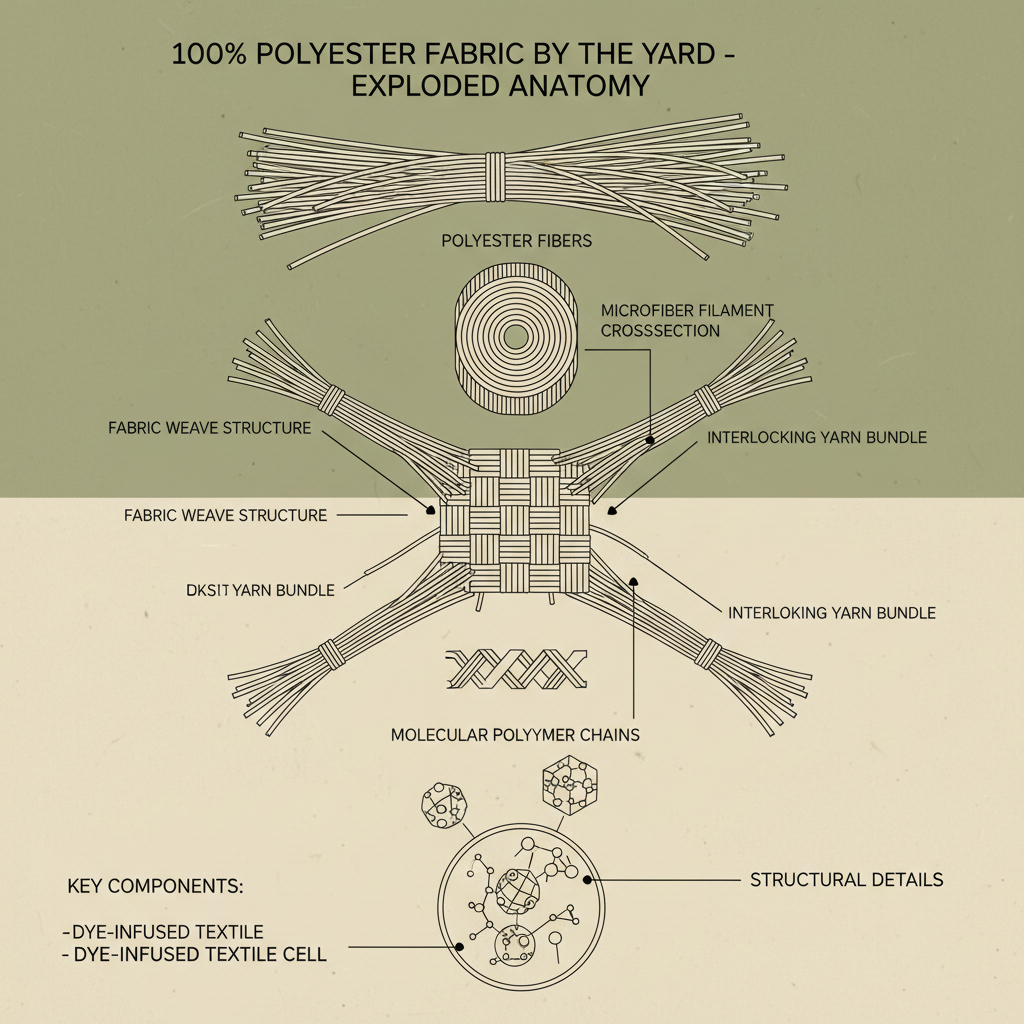
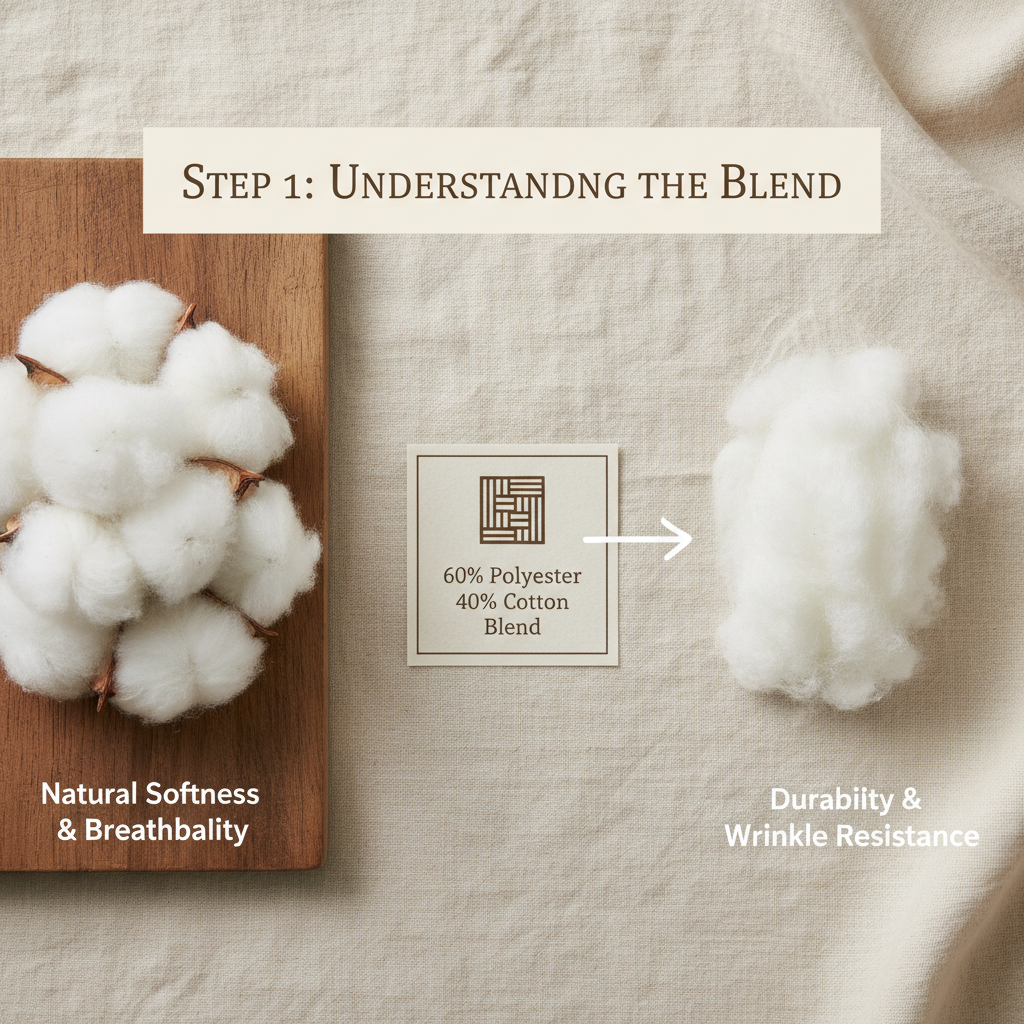
At its core, poly cotton blend represents a strategic fusion of two distinct fiber types: polyester, a synthetic polymer known for its durability and resistance to wrinkles, and cotton, a natural fiber prized for its softness and breathability. This combination results in a fabric that inherits the best qualities of both materials, creating a product that is both practical and comfortable.
The ratios of polyester to cotton can vary widely depending on the intended application, influencing the final characteristics of the fabric. A higher polyester content generally enhances durability and wrinkle resistance, while a higher cotton content promotes softness and breathability. This customizability is a key factor in the widespread adoption of poly cotton blends across diverse industries.
The most common polyester to cotton ratios in poly cotton blends range from 65/35 to 50/50. A 65/35 blend (65% polyester, 35% cotton) is favored for its durability and wrinkle resistance, while a 50/50 blend offers a softer feel and improved breathability. However, variations exist depending on the desired characteristics of the final fabric, with some blends reaching 80% polyester for specialized industrial applications.
While polyester isn't naturally breathable, poly cotton blends offer improved breathability compared to 100% polyester fabrics, thanks to the presence of cotton fibers. The cotton component allows for better air circulation and moisture absorption. However, blends with a higher polyester content will generally be less breathable than those with a higher cotton content. Specific finishing treatments can also enhance breathability.
Poly cotton blend fabrics are known for their excellent washability. The polyester component provides resistance to shrinking and stretching, while also helping to retain color and shape. These blends generally require minimal ironing and can withstand repeated washings without significant degradation. However, following the care instructions on the fabric label is always recommended to ensure optimal longevity.
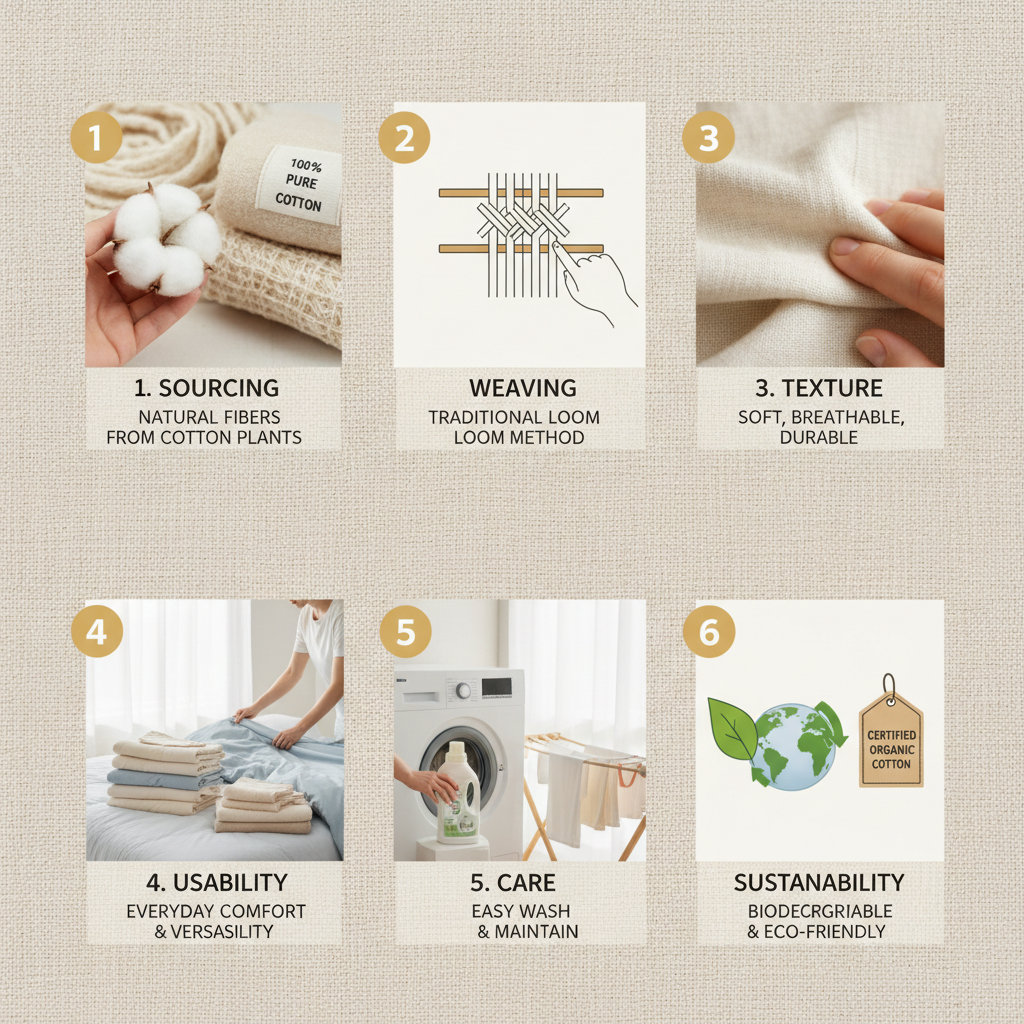
Yes, there are increasingly sustainable options available. Utilizing recycled polyester, derived from plastic bottles and other waste materials, significantly reduces the environmental impact of poly cotton blends. Additionally, sourcing cotton from sustainable farms that employ responsible water management and pesticide-free practices contributes to a more eco-friendly supply chain. Look for certifications like GOTS (Global Organic Textile Standard) when selecting sustainable options.
Poly cotton blends are frequently used in industrial applications due to their durability, strength, and resistance to abrasion. Common uses include workwear (uniforms, coveralls), protective clothing, filtration fabrics, and materials for medical textiles. The ability to withstand frequent washing and harsh conditions makes them an ideal choice for these demanding environments.
Poly cotton blend fabrics are generally more affordable than 100% cotton fabrics. This is primarily because polyester is a less expensive fiber to produce than cotton. The exact price difference will vary depending on the quality of the materials and the manufacturing process, but poly cotton blends typically offer a significant cost advantage without sacrificing all the desirable qualities of cotton.
In conclusion, poly cotton blend represents a remarkable achievement in textile engineering, successfully marrying the strengths of natural and synthetic fibers. Its affordability, durability, versatility, and increasingly sustainable iterations make it a cornerstone of the modern textile industry. Understanding its characteristics and applications is essential for anyone involved in the supply chain, from manufacturers to consumers.
Looking ahead, continued innovation in fiber technology, manufacturing processes, and sustainable practices will further enhance the value and appeal of poly cotton blend fabrics. Embracing these advancements is crucial for ensuring a future where textiles are both functional and environmentally responsible. Visit our website at www.jiexiangtextile.com to learn more about our poly cotton blend offerings.