60 polyester 40 cotton fabric represents a versatile blend increasingly popular across diverse industries. Combining the strength and wrinkle resistance of polyester with the comfort and breathability of cotton, this fabric offers a balanced solution for a wide array of applications. Its growing demand reflects a need for materials that are both functional and comfortable, bridging the gap between synthetic durability and natural softness.
The global textile market is currently valued at over $1 trillion, with blended fabrics like 60 polyester 40 cotton constituting a significant and expanding segment. Factors driving this growth include rising consumer demand for affordable, durable clothing and increasing applications in industrial and medical textiles. Understanding the properties and benefits of this specific blend is crucial for designers, manufacturers, and consumers alike.
60 polyester 40 cotton fabric isn’t just a material; it’s a practical answer to the challenge of balancing cost, performance, and comfort in today's textile landscape. From everyday apparel to demanding industrial uses, it continues to establish itself as a staple in the modern fabric world.
The Core Attributes of 60 Polyester 40 Cotton Fabric
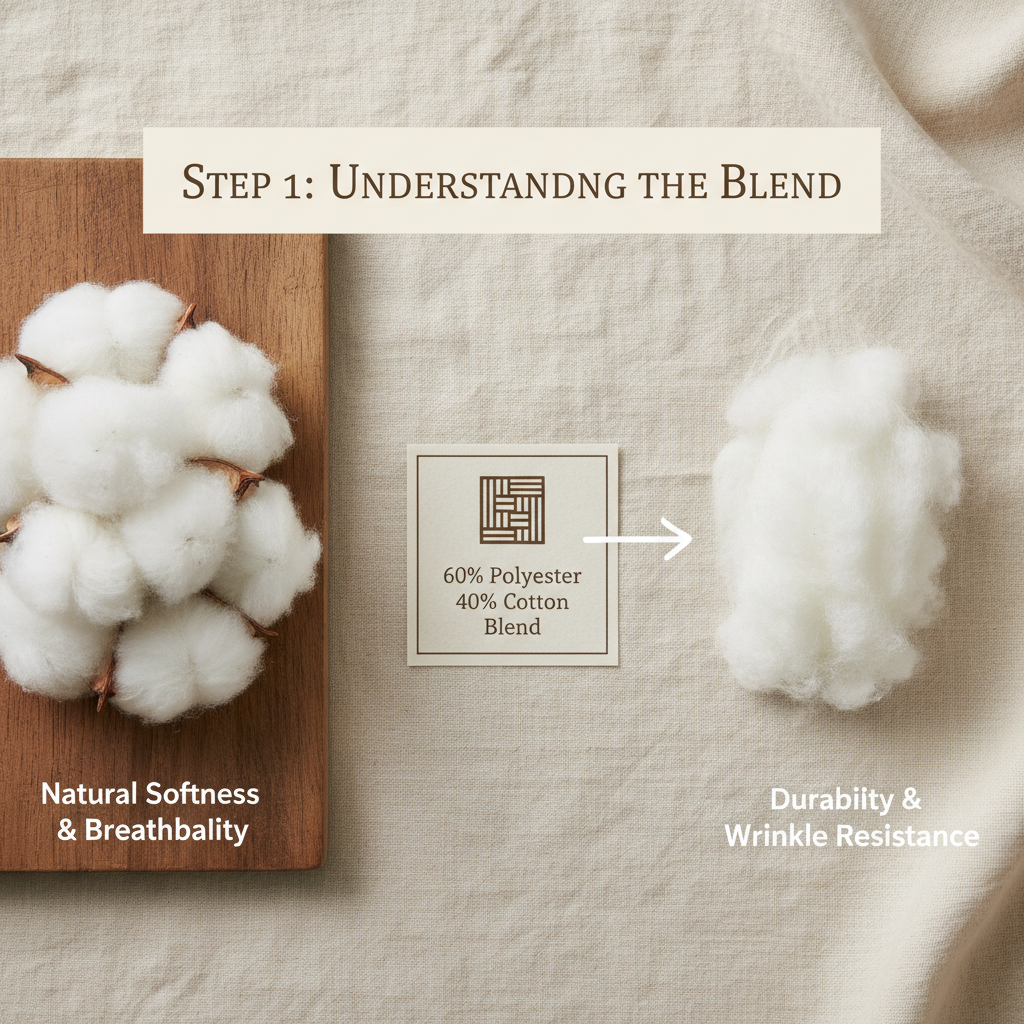
The defining characteristic of 60 polyester 40 cotton fabric is its blend ratio. The 60% polyester content lends the fabric considerable durability, resistance to wrinkles, and quick-drying properties. This makes it ideal for garments requiring frequent washing or extended use.
The remaining 40% cotton contributes softness, breathability, and improved comfort. This blend results in a fabric that feels pleasant against the skin while retaining the functional benefits of polyester. The balance between these two fibers is what makes 60 polyester 40 cotton so versatile.
Global Significance and Market Trends
The demand for 60 polyester 40 cotton fabric is globally significant, particularly in developing economies where cost-effectiveness and durability are paramount. Major textile producing regions like China, India, and Bangladesh heavily utilize this blend for apparel manufacturing, serving both domestic and international markets.
According to the World Bank, the global apparel industry is estimated to be worth trillions of dollars annually, and blended fabrics represent a substantial portion of this market. Recent trends indicate a growing preference for sustainable textile options, driving innovation in polyester production to reduce its environmental impact.
The increasing focus on fast fashion and the need for durable, affordable clothing continue to fuel the demand for 60 polyester 40 cotton fabric. Furthermore, the fabric's adaptability to various dyeing and finishing techniques makes it attractive to designers seeking a wide range of aesthetic possibilities.
Defining 60 Polyester 40 Cotton Fabric
Simply put, 60 polyester 40 cotton fabric is a textile created by interlacing polyester and cotton fibers. The specific ratio – 60% polyester and 40% cotton – dictates the resulting properties of the fabric. It’s a manufactured blend, designed to combine the strengths of each individual fiber.
This fabric has a crucial role in modern industry, offering a cost-effective and functional alternative to 100% cotton or 100% polyester materials. It addresses the need for durable and comfortable textiles in a variety of applications, from workwear to casual apparel.
Its relevance extends beyond just clothing. It’s used in home textiles (bedding, curtains), industrial applications (uniforms, protective gear), and even some medical textiles where a balance of hygiene, durability, and comfort is necessary.
Key Characteristics and Components
Several key characteristics define the performance of 60 polyester 40 cotton fabric. Firstly, Durability is significantly enhanced by the polyester component, resisting wear and tear even with frequent use and washing. Secondly, Wrinkle Resistance is a major benefit, reducing the need for ironing and maintaining a neat appearance.
Thirdly, Breathability stems from the cotton content, allowing air circulation and preventing overheating. Fourthly, Cost-Effectiveness makes it a financially viable option for manufacturers and consumers. Finally, Color Retention is excellent due to polyester's ability to hold dyes effectively.
Performance Metrics of 60 Polyester 40 Cotton Fabric
Real-World Applications of the Fabric
60 polyester 40 cotton fabric finds widespread use in apparel, including t-shirts, polo shirts, work uniforms, and sportswear. Its durability and ease of care make it suitable for garments subjected to frequent washing and wear.
Beyond clothing, the fabric is utilized in home textiles like bed sheets, pillowcases, and curtains. In industrial settings, it’s a popular choice for workwear, protective clothing, and cleaning cloths due to its resistance to abrasion and chemicals. It’s even emerging in some medical applications, such as surgical gowns and patient drapes, where a balance of comfort and hygiene is essential.
Advantages and Long-Term Value Proposition
The advantages of 60 polyester 40 cotton fabric are multifaceted. From a cost perspective, it offers an excellent balance between price and performance. Its durability translates into a longer lifespan for garments and textiles, reducing the need for frequent replacements.
From a sustainability perspective, while polyester isn't inherently sustainable, innovations in recycled polyester are mitigating its environmental impact. The blend's reduced reliance on 100% cotton can also lessen water consumption associated with cotton farming. Its long-term value resides in its ability to deliver both functionality and comfort at an affordable price point.
Future Trends and Innovations in 60 Polyester 40 Cotton Fabric
The future of 60 polyester 40 cotton fabric is closely tied to advancements in sustainable materials and manufacturing processes. We're seeing increased use of recycled polyester, reducing the reliance on virgin petroleum-based materials.
Furthermore, innovations in textile finishing techniques are enhancing the fabric’s properties, such as improved moisture-wicking, odor control, and UV protection. The integration of smart textiles, incorporating sensors and conductive fibers, is also a potential avenue for future development.
Digital printing technologies are enabling more intricate and customized designs on 60 polyester 40 cotton fabric, catering to the growing demand for personalized apparel and home textiles. Automation in textile manufacturing processes will likely further reduce production costs and improve efficiency.
Summary of Challenges and Solutions Related to 60 Polyester 40 Cotton Fabric
| Challenge |
Impact on 60 Polyester 40 Cotton Fabric |
Potential Solution |
Implementation Level |
| Polyester’s Environmental Impact |
Contributes to microplastic pollution & reliance on fossil fuels. |
Increased use of recycled polyester and biodegradable polyester alternatives. |
Medium |
| Cotton’s Water Consumption |
Traditional cotton farming requires significant water resources. |
Utilizing more sustainable cotton farming practices, such as drip irrigation. |
High |
| Fabric Pilling |
Polyester can be prone to pilling, affecting fabric appearance. |
Implementing anti-pilling finishes and improving fiber quality. |
Medium |
| Dyeing Process Pollution |
Traditional dyeing processes can release harmful chemicals into waterways. |
Adopting eco-friendly dyeing techniques, such as waterless dyeing. |
Low |
| Microplastic Release during Washing |
Polyester sheds microplastics during washing, contributing to ocean pollution. |
Using microplastic filters in washing machines and developing fabrics with tighter weaves. |
Medium |
| Lack of Full Traceability |
Difficulty tracking the origin of materials and ensuring ethical sourcing. |
Implementing blockchain technology for supply chain transparency. |
Low |
FAQS
60 polyester 40 cotton fabric provides a unique combination of benefits. The polyester content contributes durability, wrinkle resistance, and quick drying, making it ideal for garments that require frequent washing. The cotton content adds softness, breathability, and comfort, ensuring a pleasant feel against the skin. This blend offers a cost-effective solution for quality apparel.
Compared to 100% cotton, 60 polyester 40 cotton fabric requires less maintenance. It's significantly more wrinkle-resistant, reducing or eliminating the need for ironing. It also dries faster and is less prone to shrinking or stretching after washing. While 100% cotton is known for its softness, the polyester component in the blend enhances the fabric's overall durability and longevity.
While generally well-tolerated, suitability for sensitive skin can vary. The cotton component provides breathability and reduces irritation, but some individuals may be sensitive to polyester. Choosing fabrics with OEKO-TEX certification can help ensure the absence of harmful chemicals. Washing the fabric before first use can also remove any potential residues and improve comfort.
Both screen printing and digital printing are effective on 60 polyester 40 cotton fabric. Digital printing offers greater detail and color vibrancy, particularly for complex designs. Screen printing is a cost-effective option for large-scale runs with simpler designs. The polyester content helps the dyes adhere well, resulting in long-lasting prints. Proper pretreatment of the fabric is crucial for optimal printing results.
The sustainability of 60 polyester 40 cotton fabric depends on the sourcing of its components. Choosing recycled polyester and sustainably grown cotton can significantly reduce its environmental impact. While polyester is derived from petroleum, innovations in recycled polyester production are offering more eco-friendly alternatives. Responsible manufacturing practices and minimizing waste are also essential for sustainability.
60 polyester 40 cotton fabric performs well in a variety of climates. The polyester component provides moisture-wicking properties, making it comfortable in warm, humid conditions. The cotton content enhances breathability, preventing overheating. In cooler climates, the fabric can provide a reasonable level of insulation. Its versatility makes it suitable for year-round wear.
Conclusion
60 polyester 40 cotton fabric presents a compelling solution for diverse textile needs. Its unique blend of durability, comfort, cost-effectiveness, and versatility makes it a mainstay in the apparel, home textile, and industrial sectors. From enhancing garment longevity to enabling innovative designs, this fabric consistently delivers practical benefits.
Looking ahead, the evolution of 60 polyester 40 cotton fabric will be driven by sustainability and technological advancements. Embracing recycled materials, eco-friendly dyeing processes, and smart textile integrations will unlock even greater value. For high-quality 60 polyester 40 cotton fabric and a wide range of textile solutions, visit our website: 60 polyester 40 cotton fabric.