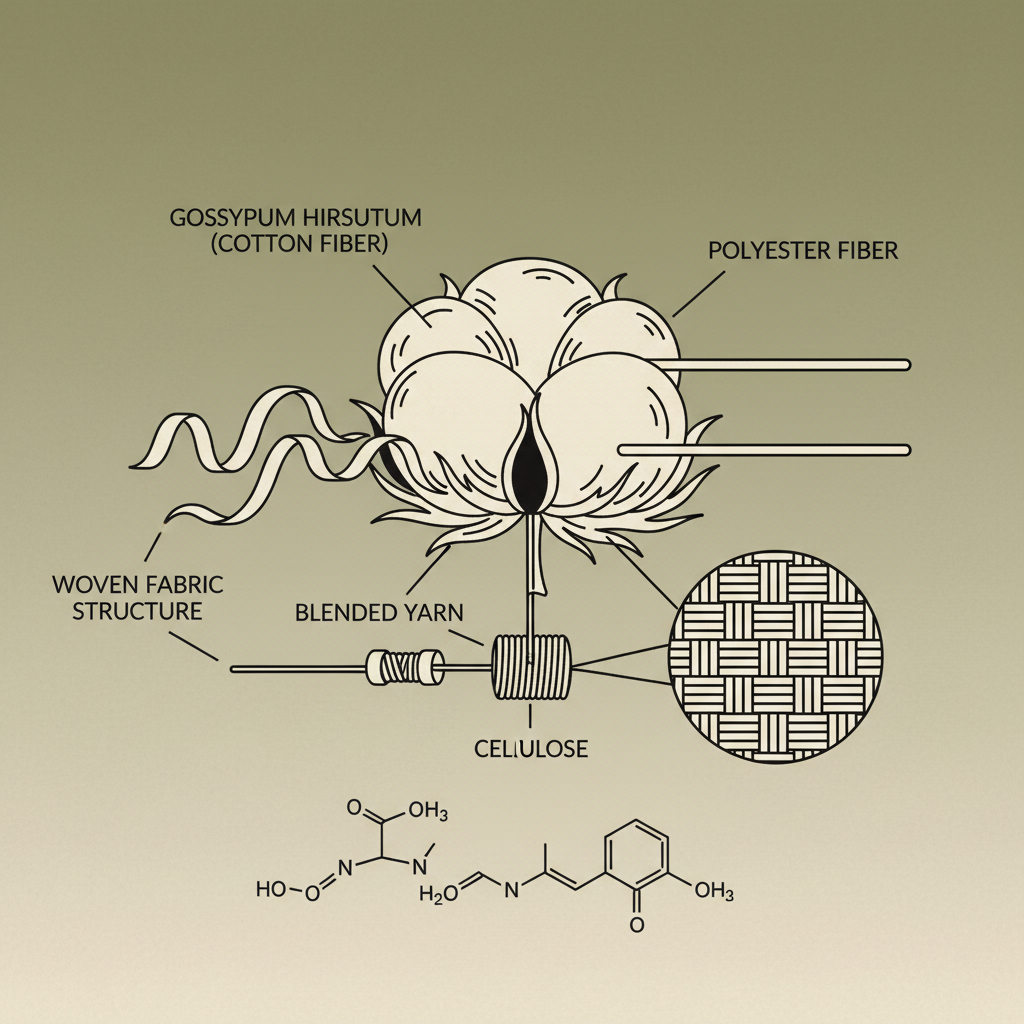
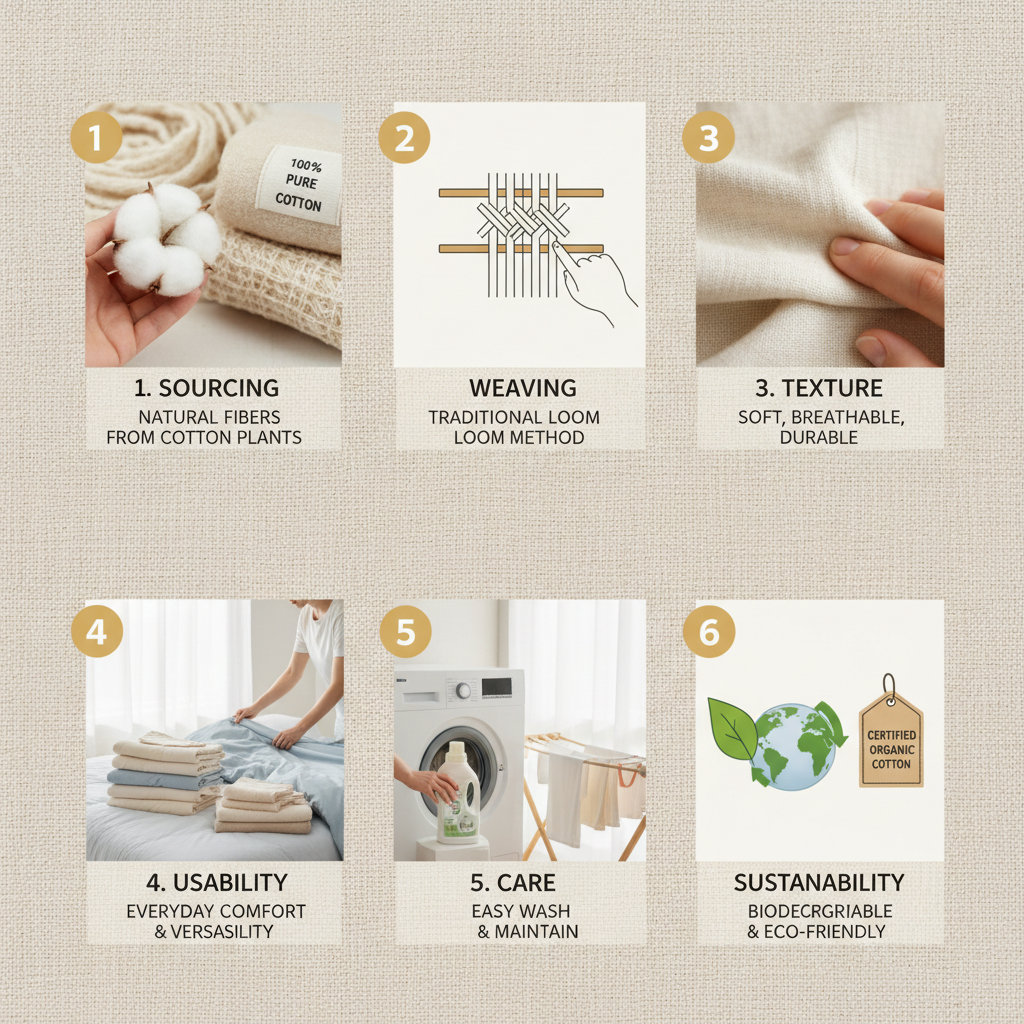
Poly cotton blend fabric, a ubiquitous textile in modern life, represents a carefully engineered fusion of natural cotton and synthetic polyester fibers. This blend isn't merely about combining materials; it's a strategic response to the limitations of both individual components, creating a fabric that balances comfort, durability, and cost-effectiveness. Its global presence is undeniable, from everyday apparel to industrial applications, showcasing its versatility and practicality.
The widespread adoption of poly cotton blend fabric is deeply intertwined with the evolution of the textile industry and the increasing demand for affordable and long-lasting materials. Driven by factors like population growth, shifting consumer preferences, and technological advancements in fiber production, the demand for this blend continues to rise across diverse markets. The fabric's ability to adapt to various processing techniques further fuels its appeal to manufacturers worldwide.
Understanding poly cotton blend fabric is crucial not just for textile professionals but also for anyone involved in sourcing, manufacturing, or consuming textile products. It offers a compelling balance of properties, making it a cornerstone of the modern textile landscape, impacting everything from fashion trends to healthcare supplies. Its increasing prevalence demands a comprehensive understanding of its characteristics, applications, and potential future developments.
The Importance of Poly Cotton Blend Fabric
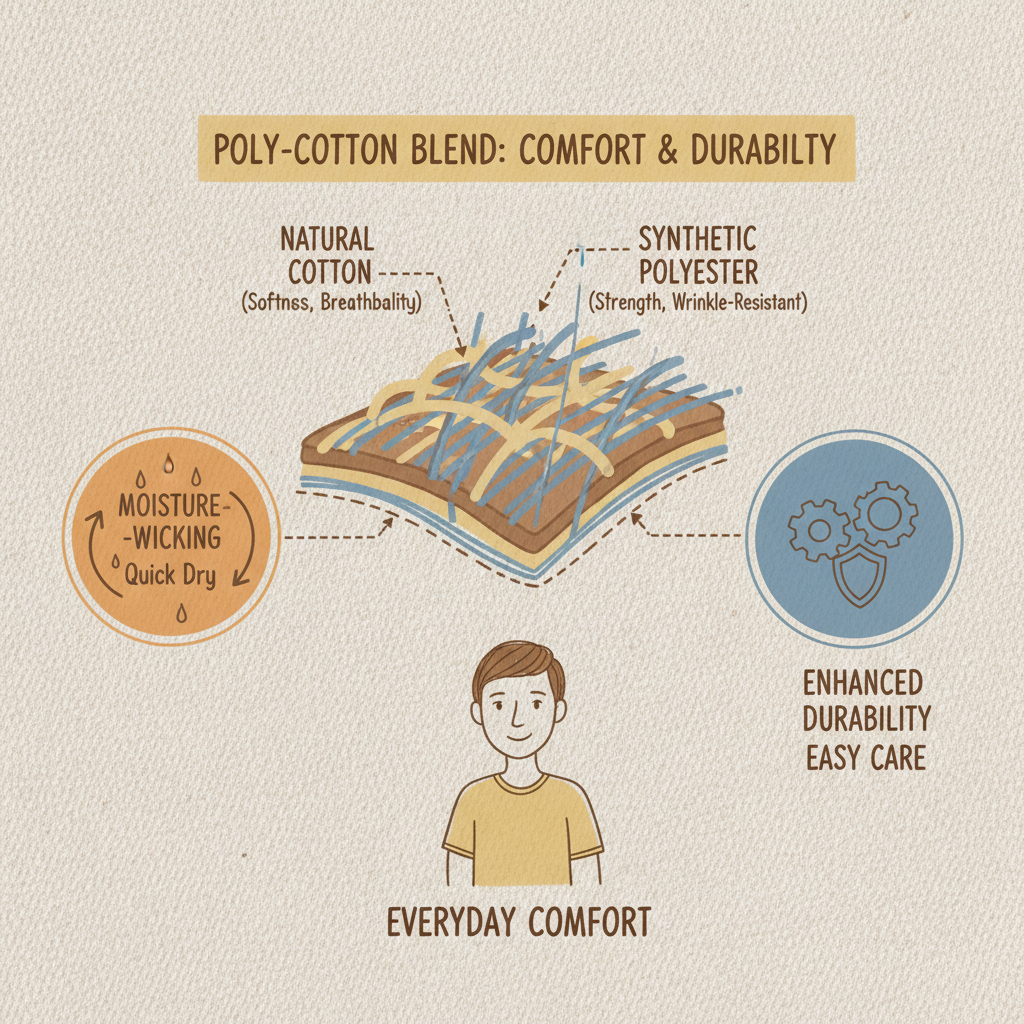
Poly cotton blend fabric represents a significant advancement in textile engineering, offering a compelling synergy between the comfort of natural cotton and the durability of polyester. Its importance stems from its ability to overcome the inherent drawbacks of each fiber individually. Cotton, while soft and breathable, is prone to wrinkling and shrinking. Polyester, conversely, is robust and wrinkle-resistant but lacks the softness and breathability of cotton.
The resulting poly cotton blend delivers a fabric that offers a balanced combination of these desirable traits, making it ideal for a wide range of applications. From apparel and home textiles to industrial fabrics and medical supplies, this blend’s versatility contributes to its prominence in the global textile market.
Global Relevance and Industry Context
The global textile industry is a multi-trillion-dollar market, and poly cotton blend fabric constitutes a substantial portion of this sector. According to data from the World Trade Organization (WTO), textiles and apparel account for a significant share of global merchandise trade. The demand for poly cotton is particularly strong in developing economies, where cost-effectiveness and durability are key priorities. Asia, particularly China, India, and Bangladesh, are major producers and consumers of poly cotton blend fabric, driven by large populations and expanding manufacturing sectors.
However, the industry faces increasing pressure to address sustainability concerns. Traditional textile production processes are often water-intensive and generate significant waste. The rise of fast fashion further exacerbates these issues, leading to overconsumption and environmental damage. Therefore, there's a growing need for innovative and sustainable practices within the poly cotton blend fabric supply chain.
A key challenge lies in balancing the cost advantages of poly cotton with the environmental impact of polyester production, which relies heavily on fossil fuels. The industry is actively exploring alternative polyester sources, such as recycled PET bottles, and developing more efficient dyeing and finishing processes to reduce water consumption and pollution.
Defining Poly Cotton Blend Fabric
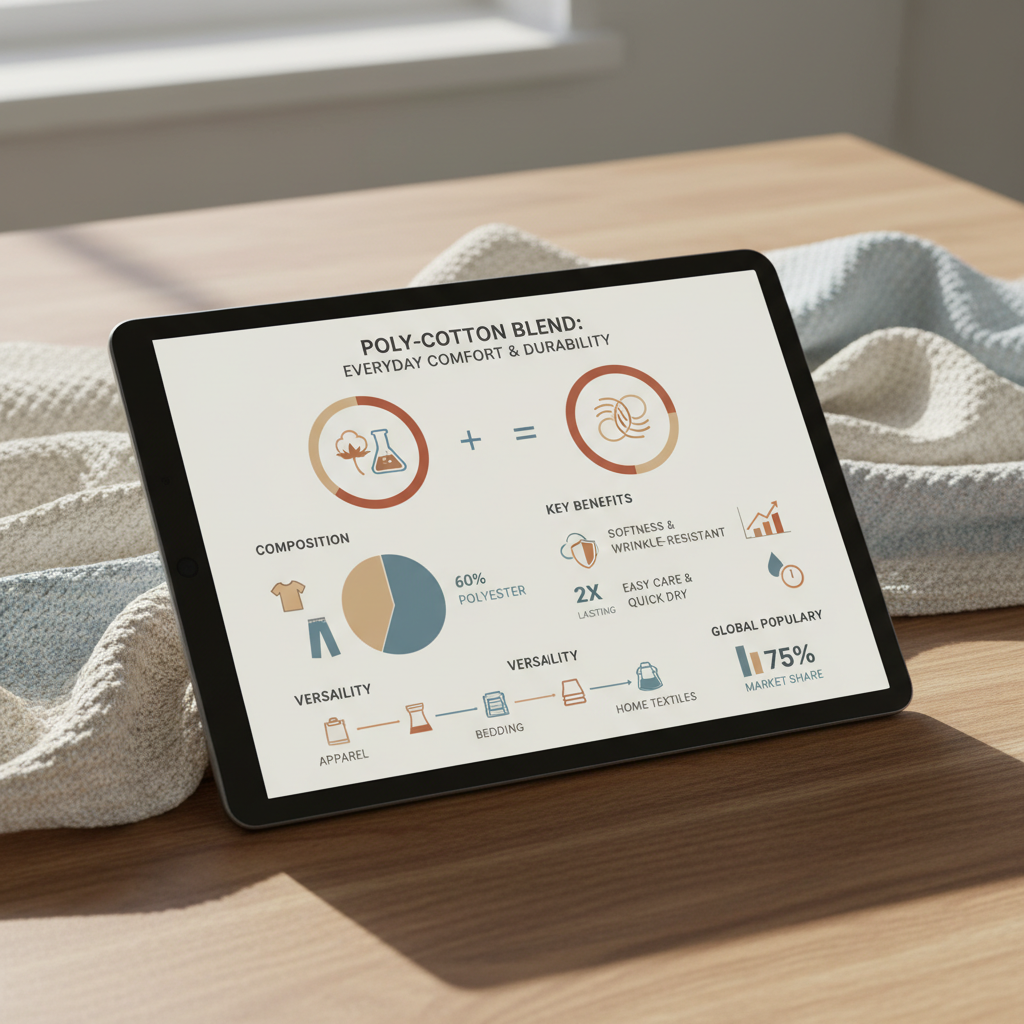
Poly cotton blend fabric is a textile composed of polyester and cotton fibers, typically ranging from a 50/50 blend to variations like 65/35 (polyester/cotton) or 80/20. The specific ratio determines the fabric's characteristics, with a higher polyester content increasing durability and wrinkle resistance, while a higher cotton content enhances softness and breathability. This fabric isn’t simply a mechanical mix; it’s a designed synergy leveraging the strengths of both constituent materials.
Its connection to modern industry and humanitarian needs is profound. In industrial settings, poly cotton is favored for workwear due to its resistance to wear and tear. In healthcare, it's utilized for scrubs and gowns due to its ease of sterilization and durability. Post-disaster relief efforts often rely on poly cotton blend fabric for providing affordable and practical clothing and shelter materials. This widespread applicability highlights its importance beyond mere commercial pursuits.
Ultimately, poly cotton blend fabric represents a pragmatic solution to the demands of a diverse global market. It embodies a balance between performance, cost, and comfort, making it a staple in countless products and industries. Its ongoing development continues to address evolving needs and challenges within the textile sector.
Key Characteristics and Components
The defining attributes of poly cotton blend fabric stem from its unique composition. Durability is a primary benefit, with polyester fibers imparting exceptional resistance to abrasion, stretching, and shrinking. This makes the fabric ideal for items requiring frequent washing or heavy use. Cost-efficiency is another crucial factor. Poly cotton is generally less expensive than 100% cotton, making it accessible to a wider range of consumers and manufacturers.
Breathability, though not as high as 100% cotton, is improved compared to 100% polyester. The cotton component allows for some airflow, enhancing comfort, especially in warmer climates. Wrinkle resistance is also a significant advantage, thanks to the polyester fibers, reducing the need for ironing. Color retention is superior to that of pure cotton, allowing for vibrant and long-lasting colors.
Poly Cotton Blend Fabric Performance Metrics
Real-World Applications
Poly cotton blend fabric's versatility shines through in its diverse applications. In the apparel industry, it’s a mainstay for everyday clothing like t-shirts, jeans, and work uniforms due to its comfort, durability, and affordability. It's frequently used in bedding, including sheets, pillowcases, and duvet covers, providing a balance between comfort and ease of care.
The healthcare sector utilizes poly cotton for scrubs, gowns, and patient bedding, prioritizing its washability and resistance to contamination. In industrial settings, it’s employed for workwear, protective clothing, and shop towels, offering robustness and longevity. Furthermore, poly cotton is increasingly used in home textiles like curtains, upholstery, and tablecloths, adding both aesthetic appeal and functional benefits.
Advantages and Long-Term Value
The tangible benefits of poly cotton blend fabric extend beyond initial cost savings. Its durability translates to a longer product lifespan, reducing the need for frequent replacements. The fabric's wrinkle resistance and ease of care minimize maintenance efforts, saving time and energy. From a sustainability perspective, the longevity of poly cotton products reduces textile waste, contributing to a more circular economy.
Beyond these practical advantages, there’s a psychological value associated with wearing or using poly cotton. The comfort and breathability contribute to a positive user experience, fostering a sense of well-being. The fabric’s reliability and consistent performance build trust with consumers, leading to brand loyalty and long-term satisfaction.
Future Trends and Challenges
The future of poly cotton blend fabric is inextricably linked to evolving sustainability initiatives and technological advancements. The development of recycled polyester fibers from plastic waste is a significant trend, reducing reliance on fossil fuels and minimizing environmental impact. Furthermore, innovative dyeing and finishing techniques are emerging, aiming to reduce water consumption and eliminate harmful chemicals.
Digital printing technologies are also gaining traction, allowing for greater customization and reduced waste in pattern application. However, challenges remain in improving the biodegradability of polyester fibers and addressing microplastic pollution. Addressing these issues will require collaborative efforts from researchers, manufacturers, and policymakers to create a more sustainable and responsible textile industry.
Summary of Poly Cotton Blend Fabric Sustainability Factors
| Factor |
Current Status |
Potential Improvement |
Impact Level (1-10) |
| Recycled Polyester Usage |
Growing, but still a minority share |
Increase investment in recycling infrastructure and technologies |
8 |
| Water Consumption in Dyeing |
High, traditional methods are water-intensive |
Adopt waterless dyeing technologies and closed-loop systems |
9 |
| Chemical Usage |
Some dyes and finishes contain harmful chemicals |
Transition to eco-friendly dyes and finishes |
7 |
| Microplastic Release |
Polyester fibers shed microplastics during washing |
Develop fiber coatings and filtration systems |
6 |
| Biodegradability |
Polyester is not biodegradable |
Research and develop biodegradable polyester alternatives |
5 |
| Circular Economy Integration |
Limited current infrastructure for textile recycling |
Invest in textile-to-textile recycling technologies and infrastructure |
7 |
FAQS
The lifespan of poly cotton blend fabric products varies depending on usage and care, but generally, they offer a significantly longer lifespan than 100% cotton items. With proper washing and storage, garments made from this blend can last for several years, often exceeding five years with regular use. Industrial applications, such as workwear, can extend this lifespan even further due to the fabric’s inherent durability.
Poly cotton blend fabric exhibits significantly less shrinkage compared to 100% cotton. Cotton is notorious for shrinking after washing, especially in hot water. The addition of polyester fibers in the blend stabilizes the fabric, minimizing shrinkage. While some minor shrinkage may occur during the first wash, it is substantially less than what is experienced with pure cotton garments, maintaining the garment's original size and shape over time.
While not as breathable as 100% cotton, poly cotton blend fabric still offers a reasonable level of breathability, especially when the cotton content is higher. The cotton fibers allow for some air circulation, preventing excessive heat buildup. However, the polyester component does reduce breathability compared to pure cotton. The overall breathability is adequate for most everyday applications, especially in moderate climates.
Poly cotton blend fabric is relatively easy to dye and print on, but it requires specific techniques and dyes suited for synthetic fibers. Polyester doesn't readily absorb dyes like natural fibers, so disperse dyes or specialized reactive dyes are typically used. Digital printing is also a popular option, offering vibrant colors and intricate designs. Proper pretreatment of the fabric is essential to ensure optimal dye penetration and colorfastness.
Poly cotton blend fabric is generally easy to care for. Machine washing in cool or warm water is typically recommended. Tumble drying on low heat is preferred to prevent shrinking and wrinkling. Ironing can be done on a low to medium setting, if needed. Avoid using harsh detergents or bleach, as these can damage the fibers. Following these simple care instructions will help maintain the fabric’s quality and extend its lifespan.
The sustainability of poly cotton blend fabric is complex. While it’s more durable than 100% cotton, reducing the need for frequent replacements, the polyester component is derived from fossil fuels. However, the increasing use of recycled polyester and advancements in sustainable dyeing processes are improving its environmental profile. Choosing poly cotton with a high percentage of recycled polyester and supporting manufacturers committed to responsible practices can make it a more sustainable option.
Conclusion
Poly cotton blend fabric stands as a testament to the power of material innovation, offering a versatile and cost-effective solution to a wide range of textile needs. Its unique blend of properties—durability, affordability, wrinkle resistance, and reasonable breathability—makes it a staple in numerous industries, from apparel and home textiles to healthcare and industrial applications. Understanding its composition, applications, and evolving sustainability challenges is crucial for informed decision-making in a dynamic global market.
Looking ahead, continued advancements in recycled polyester production, eco-friendly dyeing techniques, and closed-loop recycling systems will further enhance the sustainability of poly cotton blend fabric. By embracing these innovations and promoting responsible manufacturing practices, we can unlock its full potential as a durable, versatile, and environmentally conscious material for the future. To learn more about our range of poly cotton blend fabrics and discuss your specific requirements, visit our website at www.jiexiangtextile.com.