100 cotton fabric, a material woven entirely from cotton fibers, stands as a cornerstone of the textile industry and global commerce. Its versatility, comfort, and relative affordability have made it a ubiquitous presence in clothing, home textiles, and various industrial applications. Understanding its properties, production, and evolving trends is crucial for businesses, consumers, and policymakers alike, especially in a world increasingly focused on sustainability and ethical sourcing.
Globally, cotton production and the subsequent manufacture of 100 cotton fabric support millions of livelihoods, particularly in developing countries. According to the United Nations Conference on Trade and Development (UNCTAD), cotton remains one of the most important commodities traded internationally. However, the industry faces challenges such as water scarcity, pesticide use, and fluctuating market prices, necessitating innovative solutions and responsible practices.
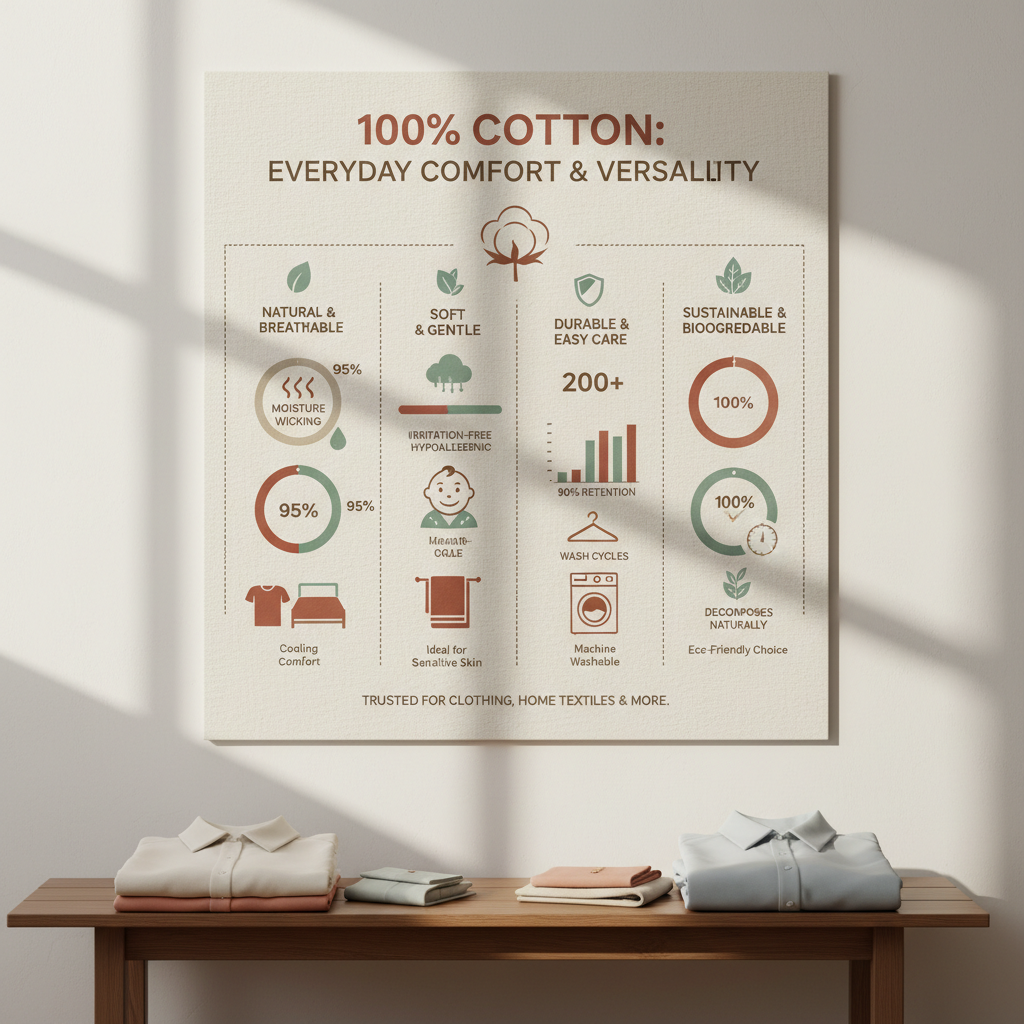
The enduring popularity of 100 cotton fabric stems from its inherent benefits. It’s breathable, hypoallergenic, and easily dyed, making it ideal for a wide range of products. Moreover, advancements in textile technology continue to enhance its durability and functionality, ensuring its continued relevance in a rapidly changing world. You can find high-quality 100 cotton fabric for various applications.
Introduction to 100 Cotton Fabric
100 cotton fabric remains one of the most utilized textiles worldwide, underpinning countless aspects of daily life. From the clothes we wear to the linens adorning our homes, its presence is pervasive. The fabric's production impacts entire economies, particularly in countries dedicated to cotton cultivation and textile manufacturing, creating a complex global network.
The increasing demand for sustainable and ethically produced goods is driving innovation within the 100 cotton fabric industry. Consumers are increasingly conscious of the environmental and social implications of their purchasing decisions, pushing manufacturers to adopt more responsible practices. Investing in 100 cotton fabric can be a part of your sustainable procurement practices.
Defining 100 Cotton Fabric
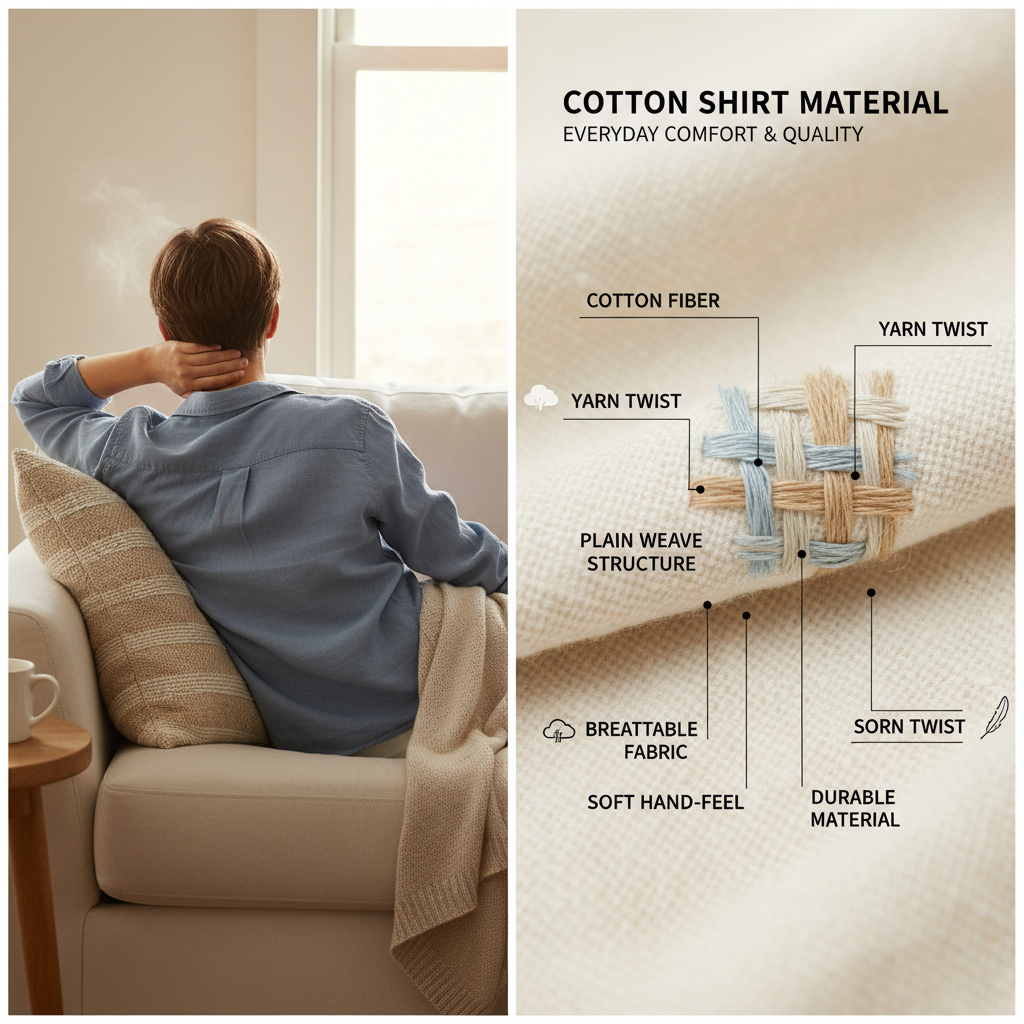
100 cotton fabric is defined as a textile produced entirely from the fibers obtained from the cotton plant (Gossypium). These fibers are spun into yarn, which is then woven or knitted to create the fabric. The term "100%" signifies that no other fibers, synthetic or natural, are blended with the cotton during the manufacturing process.
In the modern industry, the purity of 100 cotton fabric is often verified through stringent testing and certification processes. This ensures that consumers receive a product that meets specific standards for fiber content and quality. This is paramount in applications where hypoallergenic properties or natural breathability are essential.
The humanitarian needs fulfilled by 100 cotton fabric are considerable. It's a readily available, affordable, and comfortable material frequently utilized in disaster relief efforts, medical supplies (bandages, dressings), and clothing donations for vulnerable populations.
Key Characteristics of 100 Cotton Fabric
Durability is a key characteristic of 100 cotton fabric, particularly when woven tightly. While not as inherently strong as some synthetic fibers, cotton’s durability can be significantly enhanced through weaving techniques and finishing processes. This makes it suitable for items that require repeated washing and wear.
Breathability is another significant advantage. The natural fibers allow for excellent air circulation, making 100 cotton fabric comfortable to wear in warm weather. This property also contributes to its popularity in bedding and other items where temperature regulation is important.
Absorbency is a crucial characteristic. Cotton fibers can absorb up to 27 times their own weight in water, making it ideal for towels, washcloths, and other absorbent applications. This also contributes to its comfortable feel against the skin.
Global Applications and Uses
The most prominent application of 100 cotton fabric is in the apparel industry. From everyday t-shirts and jeans to formal wear and specialized clothing, cotton’s versatility makes it the go-to material for designers and manufacturers. Regions like India, China, and the United States are major hubs for cotton textile production.
Beyond apparel, 100 cotton fabric is extensively used in home textiles, including bedsheets, towels, curtains, and upholstery. The comfort and ease of care make it a popular choice for household items. Countries like Pakistan and Turkey have established reputations for high-quality cotton home textiles.
In the medical field, 100 cotton fabric plays a critical role in wound care and hygiene. Its absorbency, softness, and hypoallergenic properties make it suitable for bandages, dressings, and surgical gowns. Furthermore, in post-disaster relief operations, 100 cotton fabric is frequently used to provide clothing and shelter for affected populations.
100 Cotton Fabric Quality Assessments
Advantages and Long-Term Value
The cost-effectiveness of 100 cotton fabric makes it accessible to a broad range of consumers. While higher-quality cotton varieties can be more expensive, its overall affordability compared to many synthetic materials is a significant advantage. Choosing 100 cotton fabric represents a sensible investment.
From a sustainability perspective, cotton is a renewable resource. However, its environmental impact is dependent on farming practices. Organic cotton farming, which minimizes the use of pesticides and fertilizers, offers a more sustainable alternative. The growing demand for organic options underscores the industry's commitment to environmental responsibility.
Future Trends and Innovations
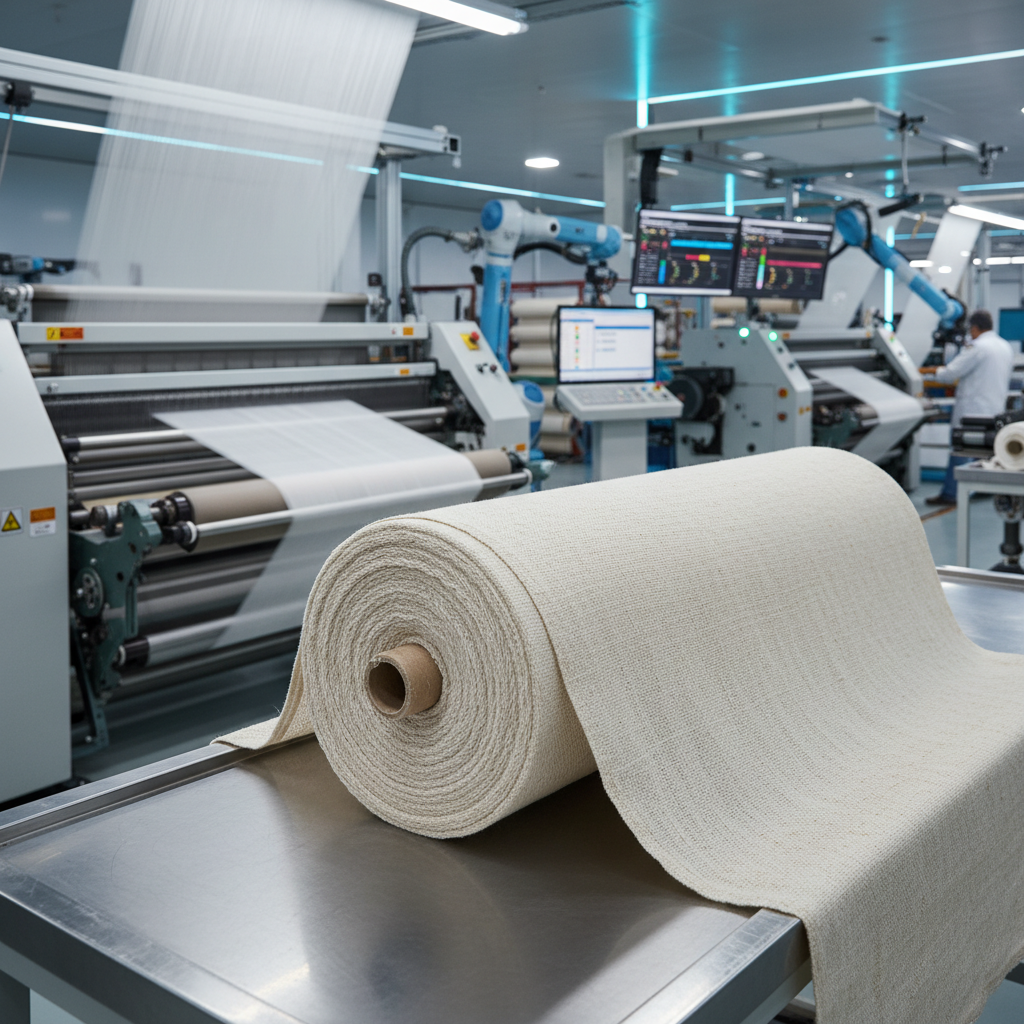
Technological advancements are driving innovation in cotton processing and textile manufacturing. New spinning techniques, dyeing methods, and finishing processes are enhancing the quality, durability, and functionality of 100 cotton fabric.
The increasing integration of digital technologies, such as automation and artificial intelligence, is streamlining production processes and improving efficiency. This is leading to reduced costs and faster turnaround times, making 100 cotton fabric even more competitive in the global market.
Growing emphasis on circular economy principles promotes initiatives such as textile recycling and upcycling. These practices reduce waste and conserve resources, minimizing the environmental impact of the 100 cotton fabric industry.
Challenges and Sustainable Solutions
One of the major challenges facing the 100 cotton fabric industry is water scarcity. Cotton cultivation is a water-intensive process, particularly in arid and semi-arid regions. This can lead to water stress and environmental degradation.
Sustainable solutions include implementing water-efficient irrigation techniques, promoting drought-resistant cotton varieties, and investing in water recycling technologies. Furthermore, adopting organic farming practices, which rely on natural precipitation and soil moisture, can significantly reduce water consumption.
Another challenge is the reliance on pesticides and fertilizers, which can harm the environment and human health. Promoting integrated pest management (IPM) strategies, which prioritize natural pest control methods, and encouraging the use of organic fertilizers can mitigate these risks.
Overview of Sustainable Solutions for 100 Cotton Fabric Production
| Challenge Area |
Solution Strategy |
Implementation Level (1-10) |
Potential Impact (1-10) |
| Water Usage |
Drip Irrigation Systems |
7 |
8 |
| Pesticide Dependency |
Integrated Pest Management (IPM) |
6 |
9 |
| Soil Degradation |
Crop Rotation & Cover Cropping |
5 |
7 |
| Waste Generation |
Textile Recycling Programs |
4 |
6 |
| Carbon Footprint |
Renewable Energy Adoption |
3 |
8 |
| Ethical Labor Practices |
Fair Trade Certification |
5 |
9 |
FAQS
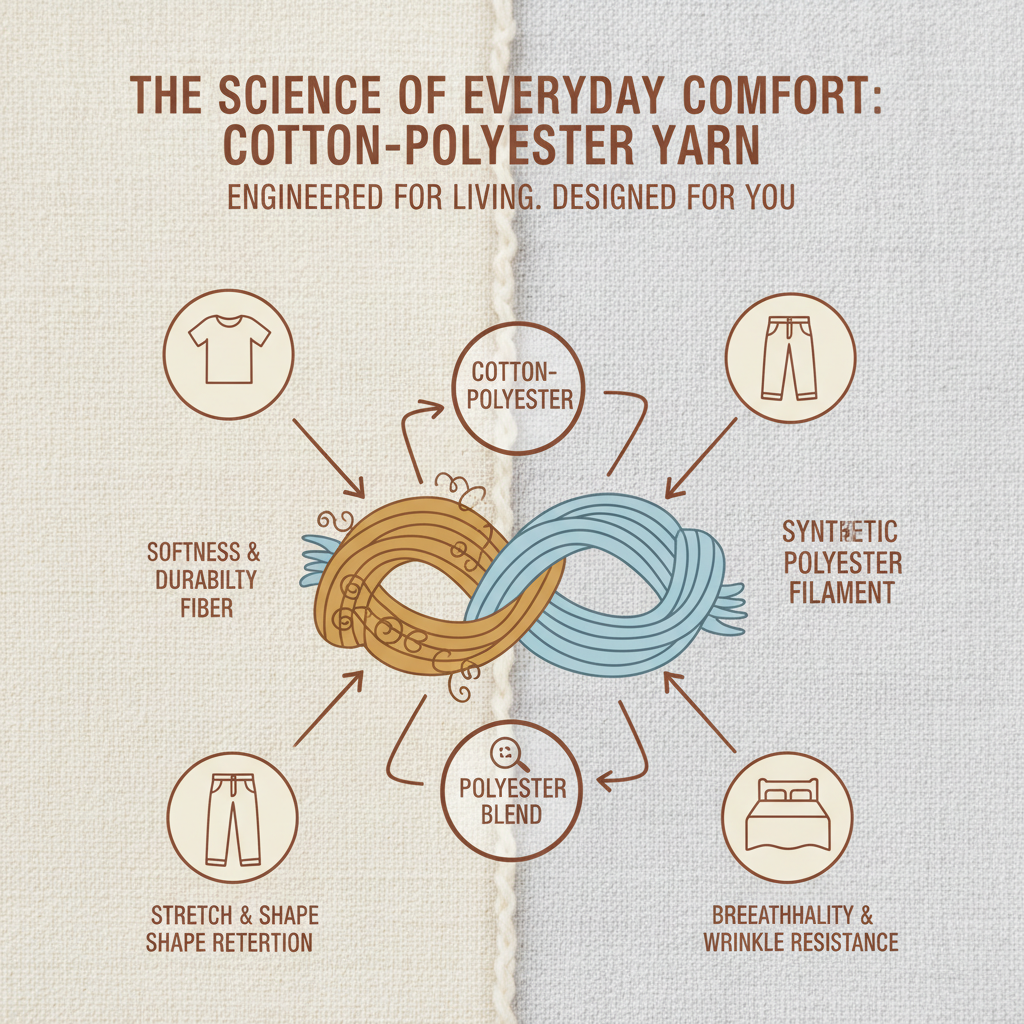
100% cotton fabric offers superior breathability, softness, and hypoallergenic properties compared to blends. It's ideal for sensitive skin and hot climates. While blends may offer increased durability or wrinkle resistance, they often compromise on comfort and natural feel. The absence of synthetic fibers in 100% cotton also makes it more easily biodegradable.
Always check the fabric label. Legally, textile products must accurately list their fiber content. Look for “100% Cotton.” Be wary of labels that say "cotton blend" or have ambiguous wording. A quick burn test (done carefully) can also help: 100% cotton burns quickly with a paper-like smell, leaving a soft ash.
Yes, 100% cotton fabric can shrink, especially after the first wash. Pre-shrunk cotton is available, but even that may experience minor shrinkage. To minimize shrinking, wash in cold water and tumble dry on low heat. Avoid hot water and high heat, as these accelerate shrinkage. Careful washing instructions can prolong your garments.
Conventional cotton production can have a significant environmental impact due to water usage, pesticide application, and fertilizer runoff. However, organic cotton farming practices minimize these impacts. Choosing organic cotton, supporting sustainable farming initiatives, and opting for recycled cotton are ways to reduce the environmental footprint of your purchases.
Wash 100% cotton fabric in cold or lukewarm water with a mild detergent. Avoid using bleach, as it can weaken the fibers. Tumble dry on low heat or hang to dry. Iron on a medium setting if needed. Proper care will significantly extend the lifespan of your cotton garments and textiles.
There are many reputable suppliers of 100% cotton fabric globally. Look for companies with certifications like GOTS (Global Organic Textile Standard) or OEKO-TEX, which indicate adherence to strict environmental and social standards. Jiexiang Textile is a trusted source for high-quality 100% cotton fabrics with a commitment to sustainability.
Conclusion
100 cotton fabric, despite evolving textile technologies, remains a globally significant material. Its versatility, comfort, and relative affordability make it a staple in countless applications, from everyday clothing to vital medical supplies. Recognizing the environmental and social implications of its production is crucial, driving a shift towards sustainable practices and responsible sourcing.
Looking ahead, continued innovation in cotton farming, processing, and textile manufacturing will be essential to address the challenges facing the industry. Embracing circular economy principles, investing in renewable energy, and promoting ethical labor practices will ensure that 100 cotton fabric continues to provide value for generations to come. Visit our website at www.jiexiangtextile.com to explore our range of 100% cotton fabrics and learn more about our commitment to quality and sustainability.