To be honest, these days everyone’s talking about prefabrication. Not new, obviously, but the scale of it… It’s different now. Everyone wants things faster, cheaper, more controlled. And, naturally, that puts a spotlight on getting the right materials, consistently. I've been on sites where projects ground to a halt because a batch of something, anything really, came in off-spec. A real headache.
Have you noticed, though, that 'faster' often means people cut corners on the design phase? They think they can just slap things together. That’s where things really fall apart. I encountered this at a factory in Zhejiang last time - beautiful design, complicated tolerances, all on paper. But trying to build it? Forget it. The reality of manufacturing, the tolerances of the machines, the skill of the workers… it all has to be considered upfront.
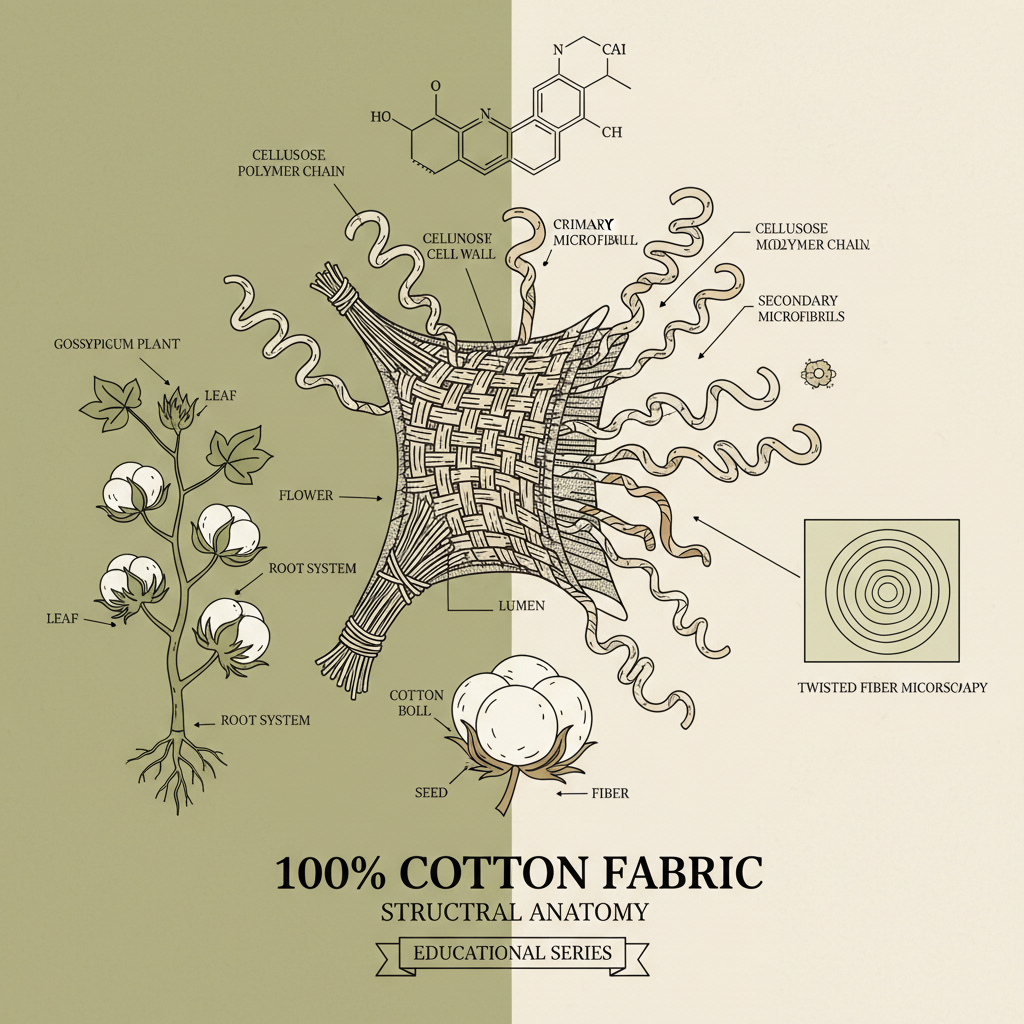
We spend a lot of time focusing on 100 cotton fabric by the yard online, obviously. It's the backbone of a lot of what we do. People think cotton is just… cotton. But it's not. The feel, the weave, the finish – they all make a huge difference. You get a cheap roll, it smells like chemicals, feels rough, and you’re fighting it the whole time. A good roll? It just works. It smells… clean, kind of earthy. You can tell just by handling it if it’s going to hold up.
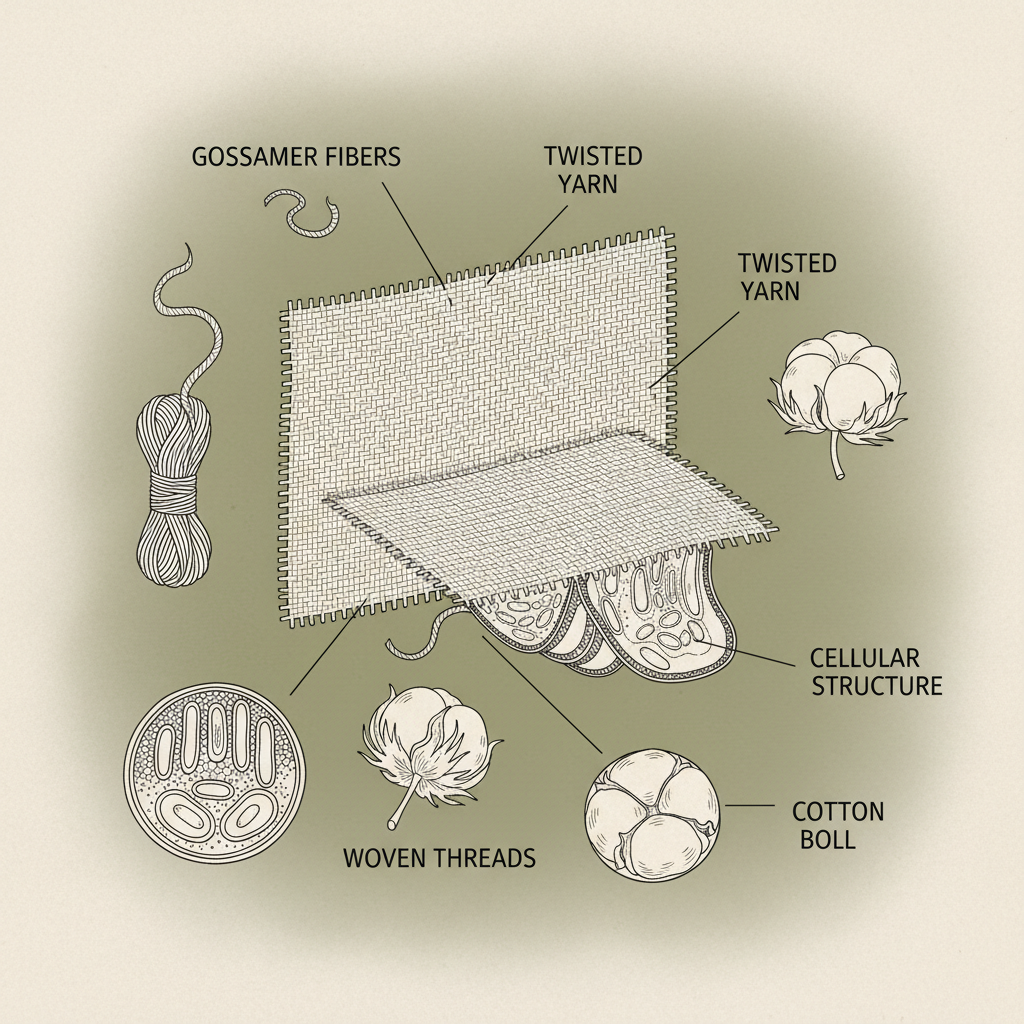
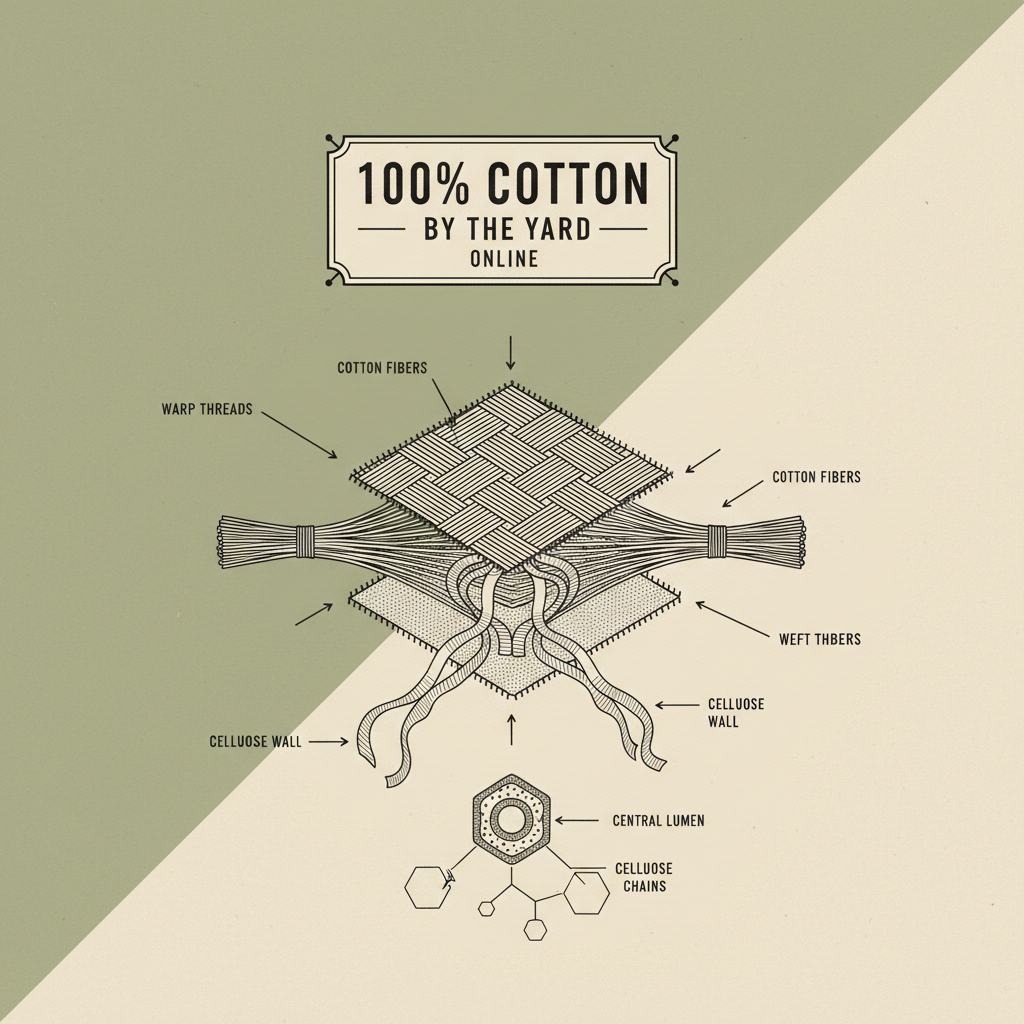
Strangely, the biggest trend is actually going back to basics. People are realizing that some of these new composite materials, while shiny and promising, just don’t hold up in the real world. They’re brittle, they’re expensive to repair, and they often require specialized tools. We're seeing a resurgence in demand for tried-and-true materials, like good old 100 cotton fabric by the yard online, because they're reliable and everyone knows how to work with them.
But the design pitfall I see constantly? Over-engineering. Trying to solve problems that don't exist. Adding features nobody asked for. It adds cost, complexity, and ultimately makes the product harder to use. Keep it simple, keep it robust. That's my motto.
Mildew is a real problem, especially in humid climates. The key is ventilation and dryness. Don't store it in plastic – use breathable cotton bags or shelving. Keep it away from direct sunlight and moisture. And occasionally, just air it out. A little airflow goes a long way. We've had customers report issues when storing it in basements without proper ventilation.
You can, but it won’t hold up for long without some kind of treatment. Regular cotton fades quickly in the sun and isn't very water-resistant. You'd need to apply a water-repellent finish and consider a UV protectant. Even then, it will need regular reapplication. Ripstop cotton is a better option for outdoor use, but it still needs treatment.
Muslin is a very loosely woven cotton fabric. It's lightweight and breathable, often used for linings or testing prototypes. It's not very durable, though. Other types, like canvas or denim, have much tighter weaves and are much stronger. Think of muslin as the 'rough draft' of cotton fabrics.
That’s tough. Look for detailed product descriptions, including the weight (in ounces or grams per square yard). Check the weave pattern in the photos – a tight weave generally indicates better quality. Read reviews, but take them with a grain of salt. And if possible, order a small sample before committing to a large purchase. A good supplier will offer samples.
Generally, yes. Pre-washed fabric has been shrunk, so you're less likely to have surprises after you make something with it. It also tends to be softer and more comfortable. It saves you a step in the long run, and reduces the risk of your finished project shrinking unexpectedly.
Conventional cotton farming uses a lot of pesticides and water. Look for organic cotton or cotton grown using more sustainable practices. Also, consider the dyeing process – some dyes are more environmentally friendly than others. It's a complex issue, but being aware of the impact is a good first step.
Ultimately, 100 cotton fabric by the yard online is a workhorse material. It's versatile, reliable, and relatively affordable. But it's not a silver bullet. You have to understand its limitations, choose the right type for the job, and treat it properly. It’s about making informed choices, balancing cost and performance, and considering the long-term implications.
And, honestly, whether this thing works or not, the worker will know the moment he tightens the screw. That's the bottom line. We can talk specs and ratings all day, but the real test is out there on the job site. Visit our website for all your 100 cotton fabric by the yard online needs: 100 cotton fabric by the yard online.