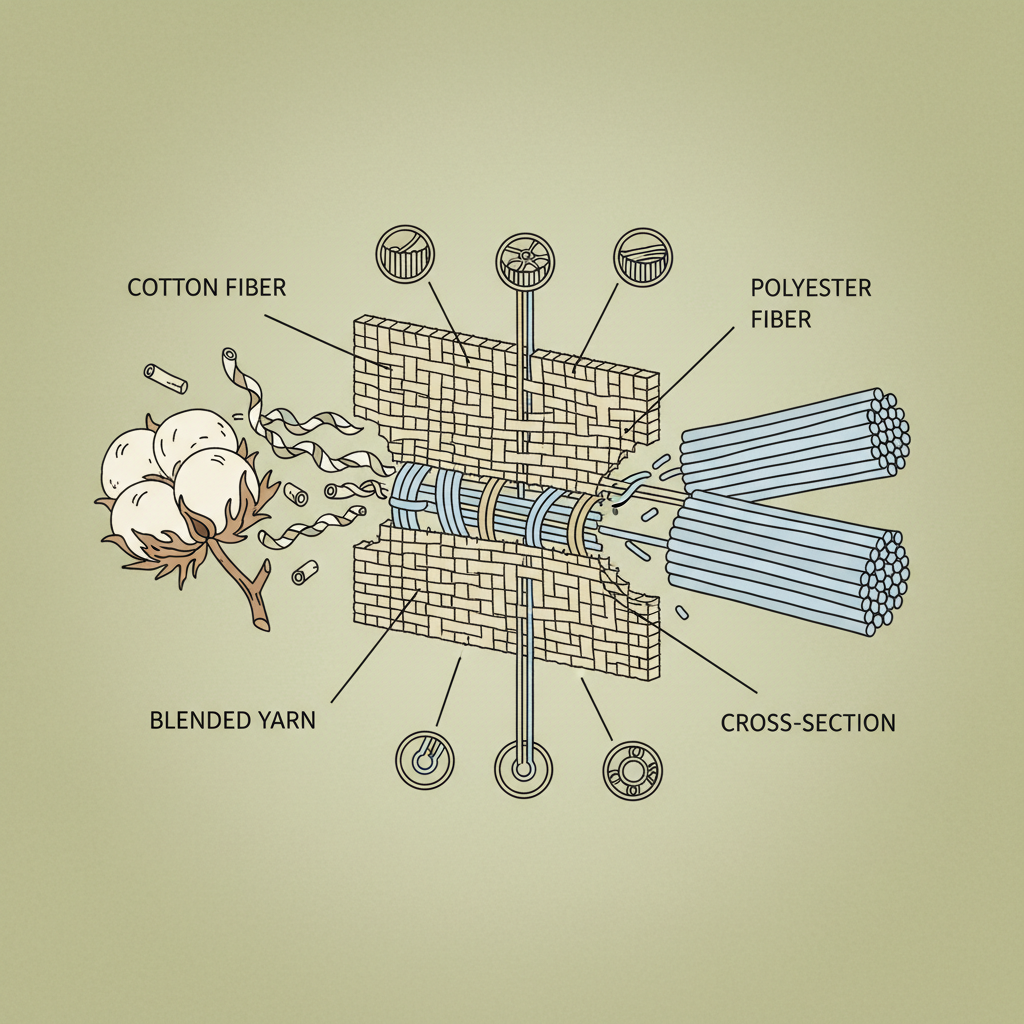
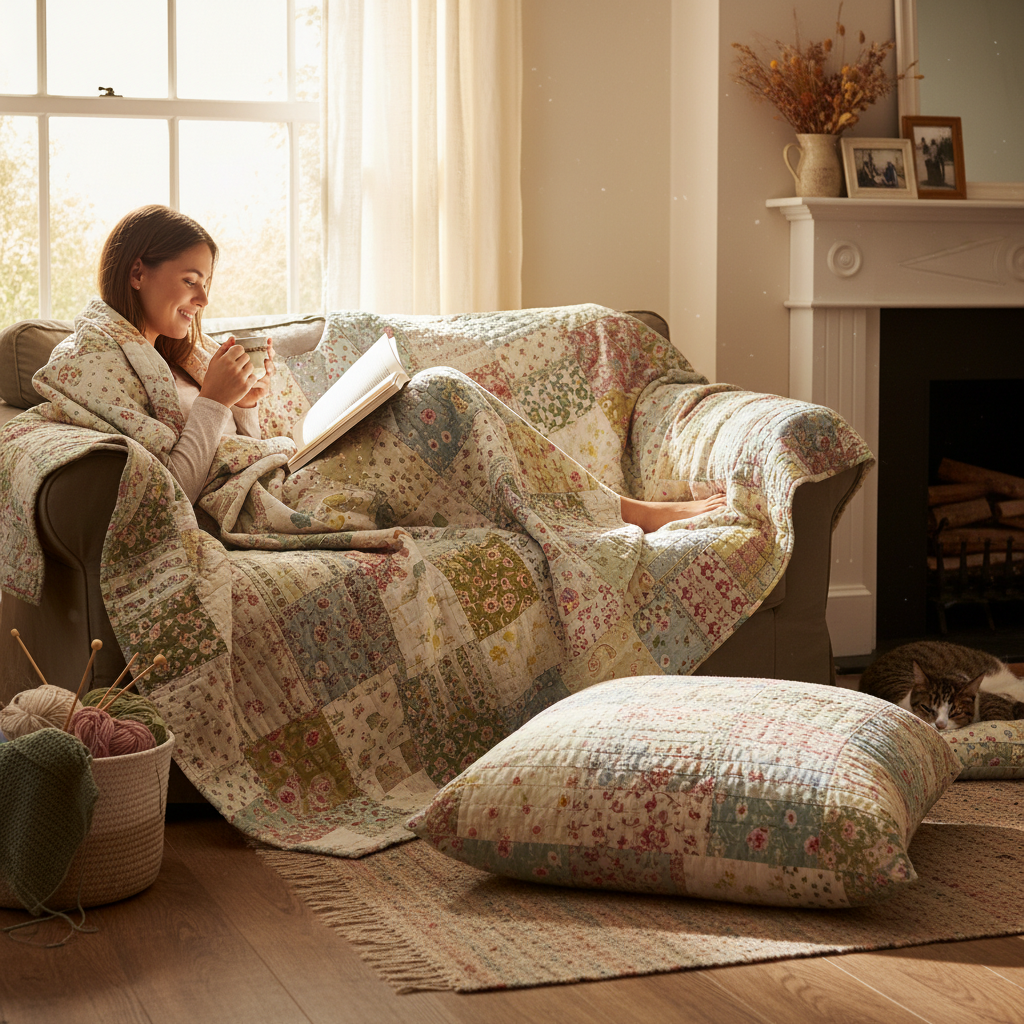
The 70 30 cotton poly blend is a textile combination gaining prominence across various industries due to its balanced properties. It represents a synergy between the natural comfort of cotton and the durability and cost-effectiveness of polyester. This blend has become a staple in apparel, home textiles, and industrial applications, offering a versatile solution for a wide range of needs. Understanding this blend's characteristics and applications is crucial for manufacturers, designers, and consumers alike.
Globally, the demand for textile blends like 70 30 cotton poly is steadily increasing, fueled by a growing population and evolving consumer preferences. The United Nations Industrial Development Organization (UNIDO) highlights the textile industry as a significant driver of economic growth in developing nations, and blends like this play a vital role in meeting both domestic and export demands. It’s a blend that addresses the challenge of providing affordable, comfortable, and long-lasting textiles, particularly in regions with limited resources. The ISO standards for textile performance increasingly incorporate considerations for blended fabrics, recognizing their importance in modern textile production.
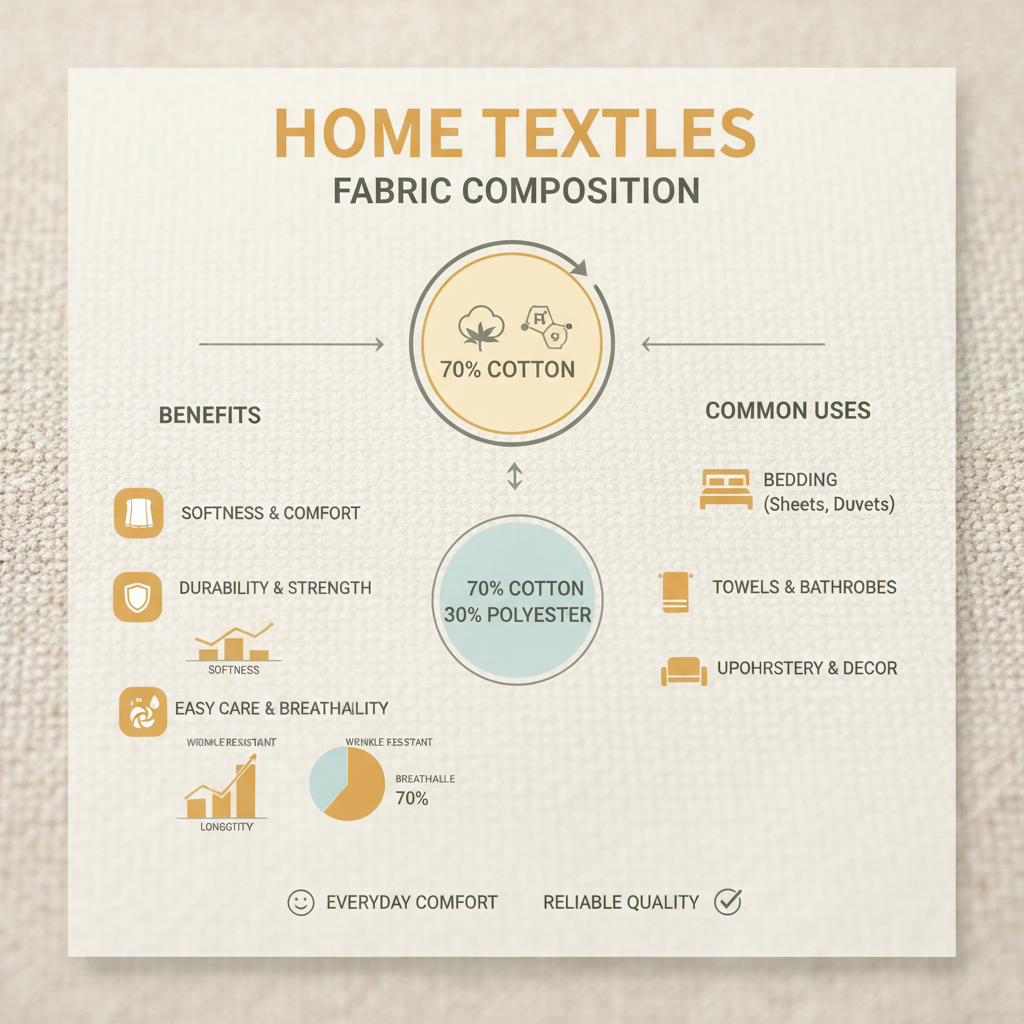
The 70 30 cotton poly blend signifies a strategic balance between natural and synthetic fibers. It’s a fabric composition where 70% of the material is cotton, renowned for its softness, breathability, and comfort, while 30% is polyester, valued for its strength, wrinkle resistance, and affordability. This ratio represents a sweet spot, offering a fabric that combines the best attributes of both fibers, making it ideal for everyday wear and a multitude of applications where comfort and durability are paramount. It’s a cornerstone in modern textile manufacturing, catering to both consumer and industrial demands.
The Significance of 70 30 Cotton Poly Blend
The 70 30 cotton poly blend stands out as a versatile and economically viable fabric choice in the textile industry. Its significance stems from its ability to address a multitude of needs across diverse sectors, ranging from apparel to home furnishings. The blend provides a superior balance of comfort, durability, and cost-effectiveness compared to using either cotton or polyester alone, positioning it as a practical solution for both manufacturers and consumers.
Understanding the specific properties of this blend – its shrinkage control, wrinkle resistance, and color retention – is vital for optimizing its application. Furthermore, its popularity is bolstered by the relatively easy care requirements and the potential for incorporating sustainable practices into its production, contributing to a more responsible textile supply chain. 70 30 cotton poly blend is increasingly favored for its practical benefits.
Global Relevance and Industry Context
The global textile industry is a multi-trillion-dollar market, and blended fabrics like the 70 30 cotton poly blend account for a substantial portion of its output. According to the World Trade Organization (WTO), textiles remain one of the most traded commodities globally, with a significant percentage originating from Asia. The demand for affordable and durable textiles is particularly strong in emerging economies, where the 70 30 blend offers a cost-effective alternative to 100% cotton.
A key challenge within the industry is the need for sustainable practices. The environmental impact of cotton cultivation is substantial, driving the search for alternatives. Polyester, while durable, is derived from petroleum. The 70 30 blend attempts to mitigate these issues by reducing the overall cotton requirement while leveraging the longevity of polyester. The increasing scrutiny from regulatory bodies and consumers alike is pushing manufacturers toward more responsible material sourcing and production processes.
The 70 30 cotton poly blend isn’t merely a product of economic convenience; it represents a response to evolving industry needs. It offers a viable pathway for balancing cost, performance, and sustainability, particularly in a world where resource constraints and environmental concerns are growing. Its adaptability allows it to meet the diverse demands of both high-fashion and mass-market applications, cementing its importance in the global textile landscape.
Defining the 70 30 Cotton Poly Blend
Simply put, the 70 30 cotton poly blend is a fabric created by combining 70% cotton fibers and 30% polyester fibers. This isn’t simply a layering of materials; the fibers are typically interwoven during the manufacturing process, creating a unified fabric with the characteristics of both components. The resulting textile offers a balance of softness, breathability, and durability that neither fiber could achieve on its own.
Its connection to modern industry lies in its versatility. It’s a fabric that can be adapted to various applications, from everyday clothing like t-shirts and sweatshirts to more demanding uses in workwear and home textiles. This adaptability reduces reliance on single-fiber fabrics, offering a more flexible and often more cost-effective manufacturing solution. The blend also simplifies dyeing and finishing processes, lowering production costs further.
In terms of humanitarian needs, the blend provides a durable and affordable fabric option for clothing and shelter materials in disaster relief efforts. Its resilience and ease of care make it practical for use in challenging environments, while its affordability allows for large-scale production and distribution. This makes the 70 30 cotton poly blend a viable solution for organizations working to provide essential resources to communities in need.
Key Properties of the Blend
The success of 70 30 cotton poly blend rests on several key properties. First, there’s Durability: Polyester contributes significant strength, resisting wear and tear better than cotton alone, extending the lifespan of the fabric. Second is Wrinkle Resistance: The polyester content minimizes wrinkling, requiring less ironing and maintaining a neater appearance.
Another crucial aspect is Breathability: While polyester isn't as breathable as cotton, the 70% cotton composition ensures a comfortable level of air circulation, preventing overheating. Then we have Cost-Effectiveness: Polyester is generally less expensive than cotton, making the blend a more affordable option for manufacturers and consumers. Finally, Color Retention: Polyester helps the fabric retain its color after repeated washes, ensuring a vibrant and long-lasting appearance.
Comparative Analysis of 70 30 Cotton Poly Blend Properties
Diverse Applications Across Industries
The 70 30 cotton poly blend finds applications across a remarkable range of industries. In apparel, it’s widely used for t-shirts, polo shirts, sweatshirts, and casual wear, offering a comfortable and durable option for everyday clothing. It's a standard choice for school uniforms due to its durability and resistance to fading.
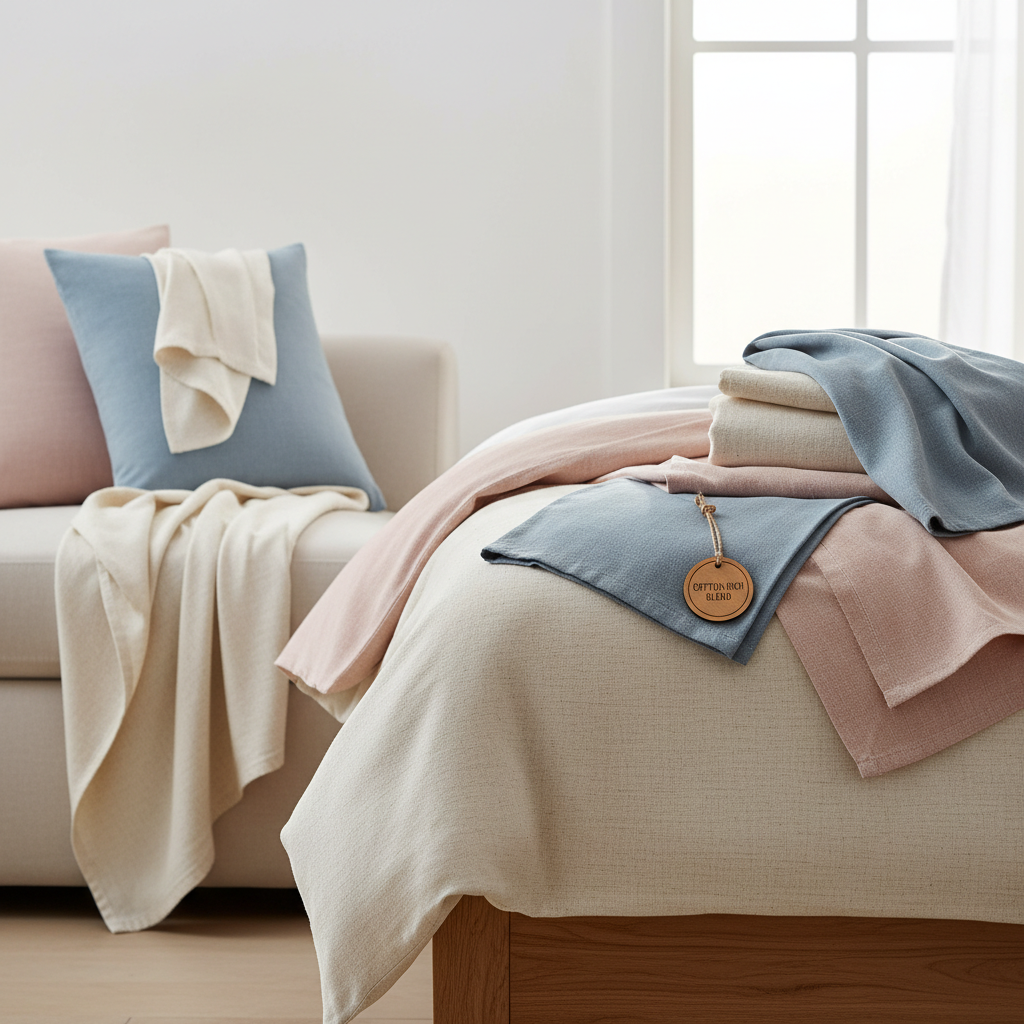
Beyond apparel, it's also prevalent in home textiles, including bed linens, towels, and upholstery. Its easy care requirements and affordability make it an attractive option for these applications. In the medical sector, the blend is utilized in scrubs and patient gowns where durability and hygiene are essential. Even in industrial settings, it’s used for workwear, providing a comfortable and protective layer for workers.
Advantages and Long-Term Value Proposition
The tangible benefits of utilizing the 70 30 cotton poly blend are numerous. From a cost perspective, it offers a significant advantage over 100% cotton fabrics, allowing manufacturers to reduce production expenses without sacrificing quality. Sustainability is enhanced by reducing the reliance on water-intensive cotton farming. Socially, it provides comfortable and durable clothing options for a wider range of consumers.
Long-term, the blend provides reliability, with garments and textiles maintaining their shape and color wash after wash. This builds consumer trust and brand loyalty. The blend fosters innovation, encouraging textile manufacturers to explore new designs and applications. It’s a fabric that embodies both practicality and value, contributing to a more sustainable and consumer-centric textile industry.
Future Trends and Emerging Innovations
Looking ahead, several trends promise to shape the future of the 70 30 cotton poly blend. Advances in textile recycling technologies will likely lead to increased utilization of recycled polyester within the blend, enhancing its sustainability profile. Digital printing techniques are allowing for more intricate designs and personalized textiles, further expanding its application.
The development of bio-based polyester alternatives offers the potential to reduce the blend's reliance on fossil fuels. Automation in textile manufacturing will streamline production processes, lowering costs and increasing efficiency. Furthermore, the growing demand for performance fabrics will drive innovation in blending techniques, resulting in even more specialized and durable versions of the 70 30 cotton poly blend. The future will also see increasingly sophisticated methods for tracking and verifying the sustainability credentials of the blend throughout the supply chain.
The 70 30 cotton poly blend is poised to become even more integral to the textile industry. Ongoing research and development, combined with a growing commitment to sustainability, will unlock new possibilities for this versatile and valuable fabric. This blend will continue to serve as a practical and affordable solution for manufacturers and consumers worldwide.
Summary of Challenges and Potential Solutions for 70 30 Cotton Poly Blend Production
| Challenge Area |
Impact on 70 30 Cotton Poly Blend |
Potential Solution |
Implementation Feasibility (1-10) |
| Environmental Impact of Polyester |
Reliance on fossil fuels, microplastic pollution. |
Increase use of recycled polyester, explore bio-based polyester alternatives. |
7 |
| Water Usage in Cotton Production |
High water consumption, pesticide use. |
Promote sustainable cotton farming practices, explore organic cotton options. |
6 |
| Supply Chain Transparency |
Difficulty tracking origin and ethical production of materials. |
Implement blockchain technology for traceability, require certifications. |
5 |
| Waste Management in Textile Production |
Textile waste ending up in landfills. |
Develop textile recycling infrastructure, promote circular economy models. |
8 |
| Maintaining Quality Consistency |
Variations in fiber quality impacting fabric performance. |
Implement stringent quality control measures, standardize fiber sourcing. |
9 |
| Consumer Awareness of Sustainable Options |
Limited consumer demand for eco-friendly textiles. |
Educate consumers on the benefits of sustainable textiles, promote eco-labeling. |
4 |
FAQS
The 70 30 cotton poly blend offers several advantages. It’s more durable and resists shrinking and wrinkling better than 100% cotton. The polyester component adds strength, extending the garment's lifespan and making it easier to care for. While maintaining a comfortable level of breathability, the blend also tends to be more affordable than pure cotton alternatives, offering a balance of comfort, practicality, and cost-effectiveness.
The 70 30 cotton poly blend generally exhibits excellent colorfastness. The polyester fibers within the blend help to lock in dyes, resisting fading and bleeding even after repeated washes. This results in garments that retain their vibrancy for longer periods compared to fabrics with a higher cotton content or those made from entirely natural fibers. The blend's superior color retention contributes to its overall longevity and value.
Generally, the 70 30 cotton poly blend is well-tolerated by most skin types due to the significant cotton content. However, some individuals with highly sensitive skin may experience mild irritation due to the polyester. Choosing fabrics with a softer finish and ensuring thorough washing before first use can minimize this risk. It's always recommended to consider individual sensitivities and opt for hypoallergenic detergents.
The 70 30 cotton poly blend excels in maintaining its integrity through frequent washing and drying cycles. Polyester's inherent strength and resistance to shrinkage prevent significant deformation. It resists wrinkling, meaning less ironing is needed. While high heat can potentially damage any fabric, the blend generally holds up well to moderate dryer settings.
The environmental impact of this blend primarily stems from the polyester component, which is derived from petroleum. However, sustainable options are emerging, such as using recycled polyester derived from plastic bottles. Choosing organic cotton for the 70% portion can also minimize the environmental footprint. Furthermore, responsible manufacturing processes that prioritize water conservation and waste reduction can significantly improve the blend's overall sustainability.
Yes, the 70 30 cotton poly blend is well-suited for both printing and embroidery. The smooth surface provides a good base for various printing techniques, including screen printing, direct-to-garment (DTG) printing, and heat transfer. For embroidery, the blend's durability ensures that designs hold up well over time. It's recommended to use quality threads and appropriate stabilizers for optimal results.
Conclusion
In summary, the 70 30 cotton poly blend represents a highly versatile and practical fabric solution, offering a compelling balance of comfort, durability, and affordability. Its widespread adoption across diverse industries underscores its importance in meeting both consumer demands and production efficiencies. From apparel to home textiles and beyond, this blend consistently delivers value and reliability.
Looking ahead, embracing sustainable practices in its production – like utilizing recycled polyester and organic cotton – will be crucial to minimizing its environmental impact. Continued innovation in blending techniques and manufacturing processes will further enhance its performance and expand its applications. Ultimately, the 70 30 cotton poly blend is poised to remain a cornerstone of the textile industry for years to come. Visit our website for more information: www.jiexiangtextile.com