Cotton lining fabric plays a crucial role in the textile industry, serving as an essential component in garment construction, home textiles, and various industrial applications. Its widespread use stems from its inherent properties, including breathability, comfort, and the ability to enhance the drape and structure of finished products. Globally, the demand for cotton lining fabric is significant, driven by the fashion industry’s constant need for quality materials and the growing consumer preference for natural fibers.
The global textile market, valued at over $1 trillion, heavily relies on cotton and its derivatives. According to the United Nations Comtrade database, raw cotton exports exceeded $40 billion in 2022, illustrating its economic importance. However, increasing challenges like sustainable sourcing and production costs are prompting innovation within the sector. Understanding the nuances of cotton lining fabric – its types, qualities, and applications – is vital for manufacturers, designers, and consumers alike.
The rise of fast fashion and increasing consumer demand have put immense pressure on textile supply chains. Utilizing high-quality cotton lining fabric can help brands create durable and comfortable products, moving away from the disposable nature of some fast fashion items. This focus on quality and longevity is becoming increasingly important as consumers become more aware of the environmental and ethical implications of their purchasing decisions.
The Significance of Cotton Lining Fabric
Cotton lining fabric, while often unseen, is a critical element in the quality and longevity of many products. It provides structure, comfort, and a clean finish to garments and other items. Its importance extends beyond aesthetics; it enhances the durability and functionality of the finished product, protecting outer fabrics and contributing to a more comfortable wearing experience.
The demand for ethically sourced and sustainable textiles is increasing, and cotton lining fabric is no exception. Consumers are looking for products made with natural fibers, and manufacturers are responding by prioritizing sustainable practices throughout the supply chain. Investing in high-quality cotton lining fabric demonstrates a commitment to both product excellence and responsible sourcing.
Defining Cotton Lining Fabric
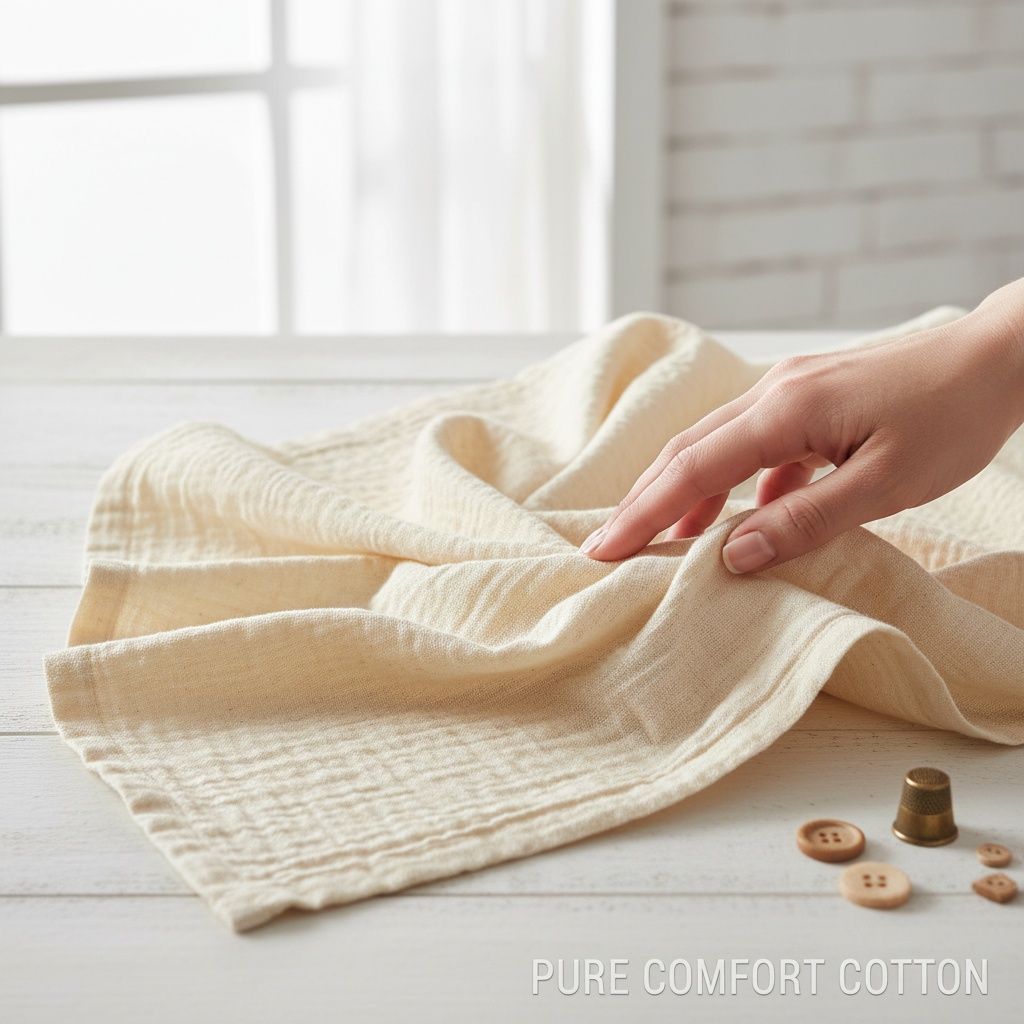
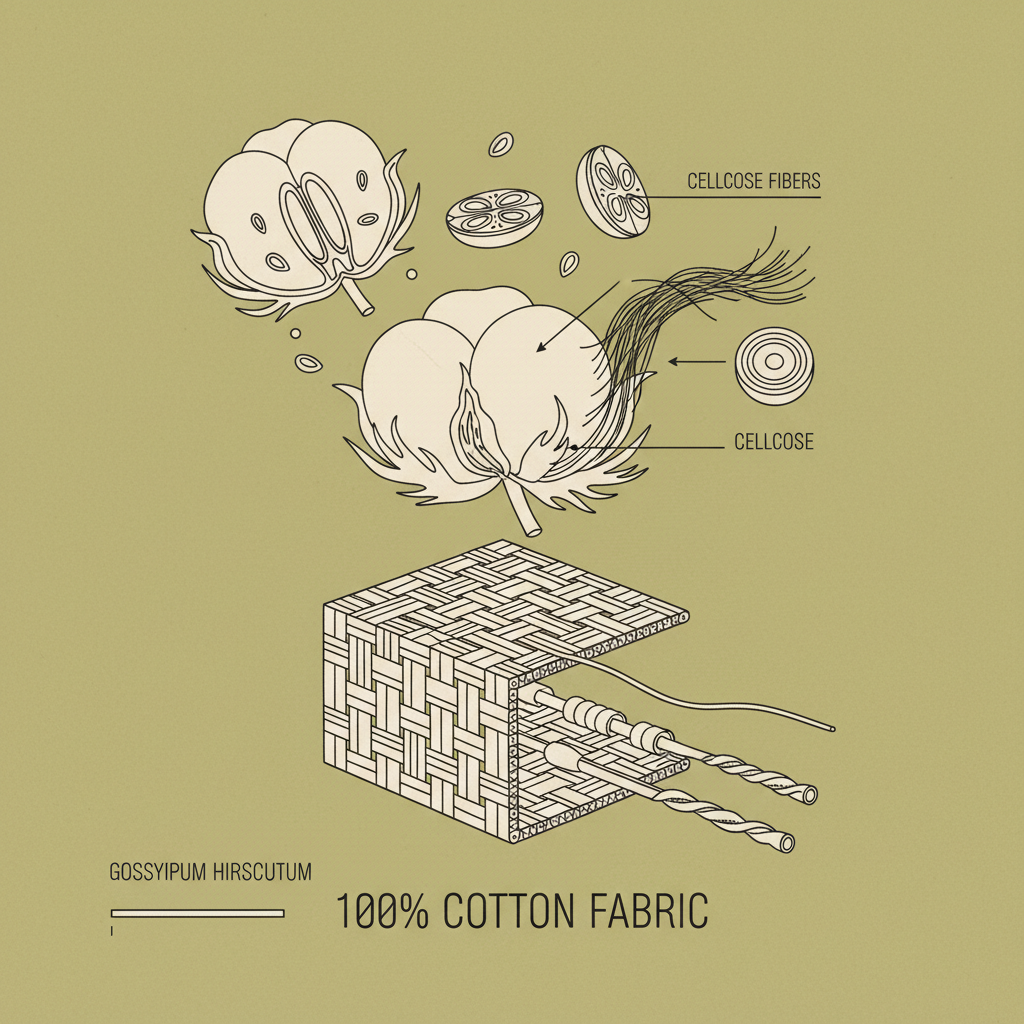
Cotton lining fabric refers to any woven or knitted fabric made from cotton fibers used to cover the inside of garments, bags, and other items. It’s typically lighter in weight than the outer fabric and serves to conceal inner construction, improve comfort, and enhance the overall aesthetic. Linings are crucial for creating a polished look and preventing the outer fabric from clinging or irritating the skin.
Unlike outer fabrics, linings often don’t bear the brunt of external wear and tear. Therefore, different qualities of cotton are employed depending on the intended use. From tightly woven broadcloth to softer muslin, cotton lining fabrics offer a range of textures and weights to suit specific applications.
The connection to modern industry is clear. As the apparel industry strives for higher standards of comfort and quality, the demand for versatile and reliable cotton lining fabric continues to grow, driving innovation in weaving and finishing techniques.
Key Characteristics of Cotton Lining Fabric
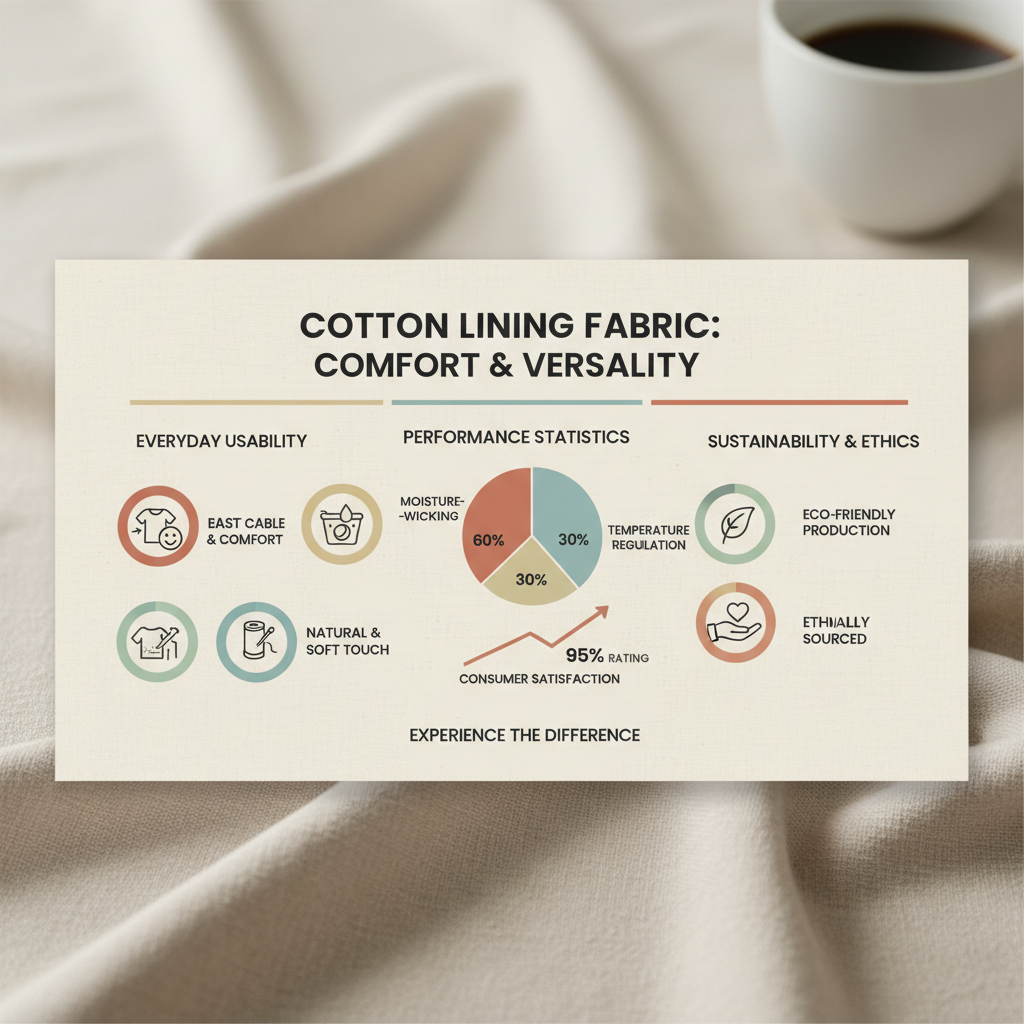
One of the most significant characteristics of cotton lining fabric is its breathability. Cotton fibers allow air to circulate, preventing moisture buildup and keeping the wearer comfortable. This is particularly important in garments worn close to the skin.
Durability is another key factor. Although linings are often hidden, they contribute to the overall longevity of a garment. High-quality cotton lining fabric can withstand repeated wear and washing without losing its shape or integrity. A robust lining supports the structure of the outer fabric.
Finally, cotton’s natural softness provides a comfortable feel against the skin. This is especially important in garments like dresses, shirts, and jackets. The texture of the lining fabric can significantly impact the overall wearing experience.
Practical Applications Across Industries
Cotton lining fabric finds extensive use in the apparel industry, forming the inner layer of suits, jackets, dresses, skirts, and pants. It provides shape, comfort, and a polished finish. The right lining can significantly alter the drape and feel of a garment.
Beyond apparel, cotton lining fabric is also used in bag manufacturing, providing structure and durability to handbags, backpacks, and luggage. It protects the contents of the bag and contributes to its overall aesthetic appeal.
Comparison of Cotton Lining Fabric Weaving Methods
Global Usage and Regional Trends
Asia, particularly China and India, dominates the production and export of cotton and cotton lining fabric. These regions benefit from established textile manufacturing infrastructure and a readily available workforce. Europe and North America are major importers, utilizing cotton lining fabric in their high-fashion and apparel industries.
Demand is also growing in emerging markets, such as Brazil and Southeast Asia, as these regions experience economic growth and increasing consumer spending. The trend towards sustainable fashion is driving demand for organic and responsibly sourced cotton lining fabrics globally.
Advantages and Long-Term Value Proposition
The primary advantage of using cotton lining fabric lies in its comfort and breathability. Unlike synthetic alternatives, cotton allows for excellent air circulation, preventing discomfort and promoting a more pleasant wearing experience. This is particularly valuable in garments worn directly against the skin.
Furthermore, cotton is a naturally renewable resource, making it a more sustainable choice compared to petroleum-based synthetics. Investing in cotton lining fabric aligns with growing consumer demand for eco-friendly products and supports ethical sourcing practices.
From a durability standpoint, a well-chosen cotton lining fabric can significantly extend the lifespan of a garment, providing structural support and protecting the outer fabric from wear and tear. This translates to a better long-term value for consumers and reduced textile waste.
Future Innovations and Sustainability
Ongoing research and development are focused on improving the sustainability of cotton production, including reducing water consumption, minimizing pesticide use, and promoting organic farming practices. Innovations in cotton fiber processing are also leading to softer, more durable, and more versatile lining fabrics.
The integration of digital technologies, such as supply chain traceability systems, is enhancing transparency and accountability in the cotton industry. Consumers are increasingly demanding information about the origin and production methods of the textiles they purchase, and these technologies are helping to meet that demand.
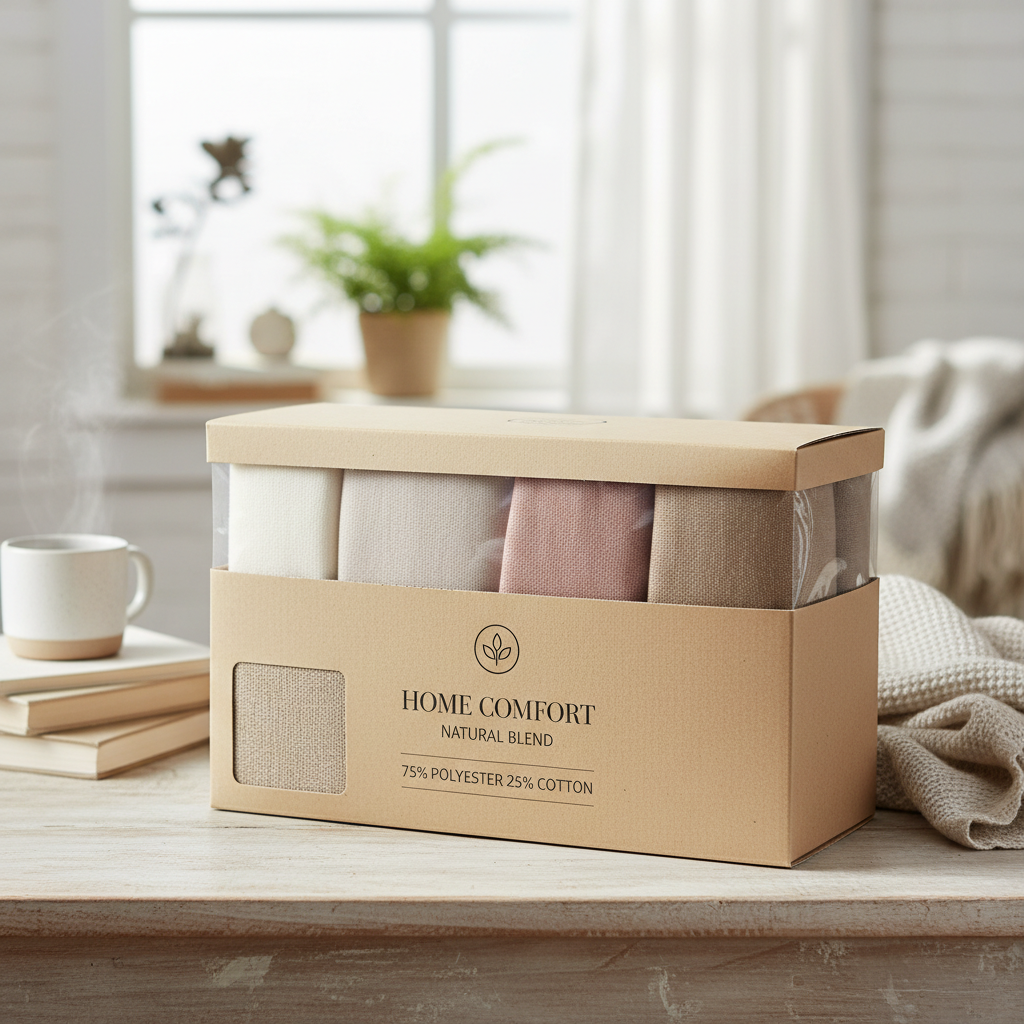
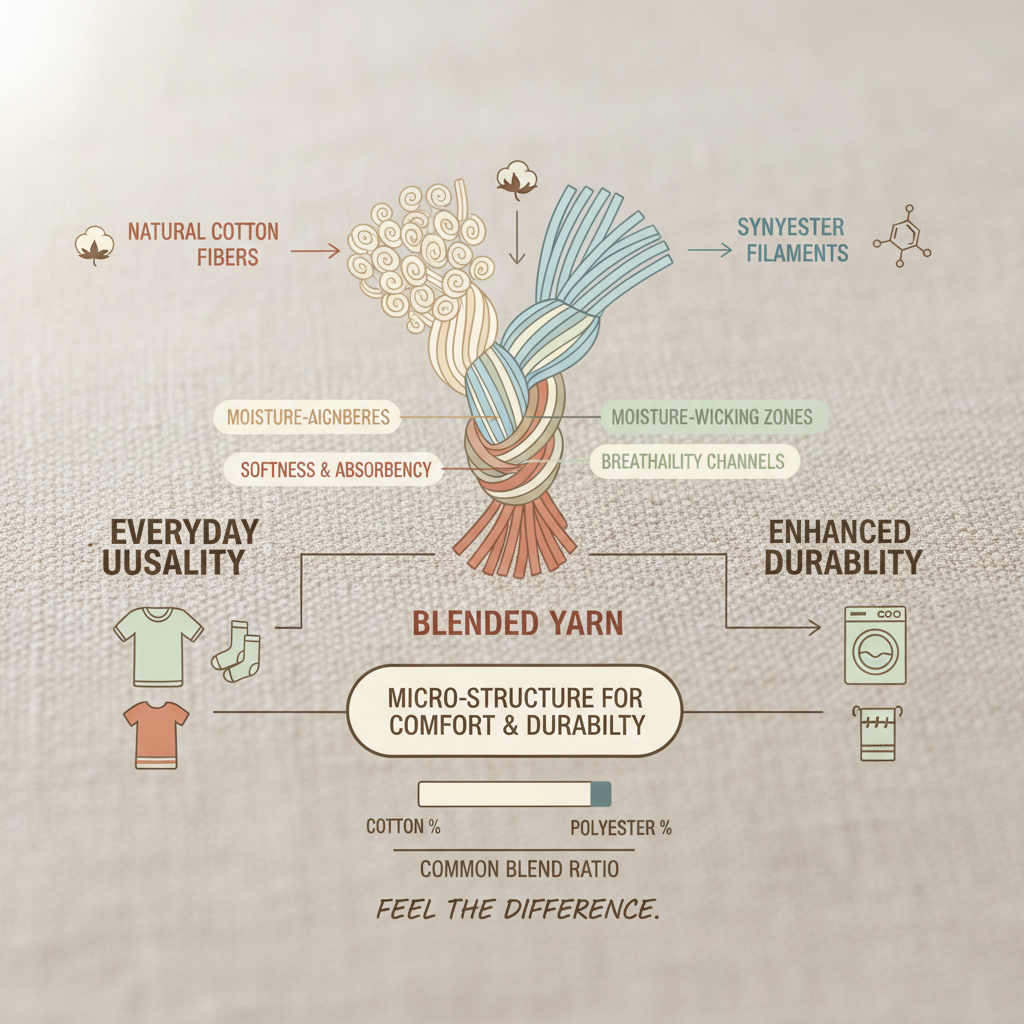
We’re also seeing the development of blended cotton fabrics, combining cotton with other sustainable fibers like hemp or Tencel to create linings with enhanced properties and reduced environmental impact.
Comparison of Sustainable Cotton Lining Fabric Options
| Fiber Composition |
Environmental Impact |
Cost (per meter) |
Durability (1-10) |
| 100% Organic Cotton |
Low (reduced pesticide use, water conservation) |
$8.00 |
7 |
| Cotton/Hemp Blend (60/40) |
Very Low (hemp requires minimal water and pesticides) |
$9.50 |
9 |
| Cotton/Tencel Blend (70/30) |
Low (Tencel is made from sustainably sourced wood pulp) |
$10.00 |
8 |
| Recycled Cotton |
Low (reduces textile waste) |
$7.50 |
6 |
| Conventional Cotton |
Moderate (high water and pesticide use) |
$6.00 |
5 |
| Cotton/Modal Blend (50/50) |
Low (Modal is made from sustainably sourced beechwood) |
$8.50 |
7 |
FAQS
While polyester lining is often cheaper, cotton lining offers superior breathability, comfort, and a more natural feel. Polyester can trap moisture, leading to discomfort, whereas cotton allows air to circulate. Cotton also tends to be more environmentally friendly, depending on sourcing. Choosing the right lining depends on the garment's intended use and desired qualities.
The ideal weight depends on the outer fabric. Lightweight outer fabrics require lighter-weight linings (like voile or muslin), while heavier fabrics benefit from more substantial linings (like broadcloth). Consider the garment's drape and structure – a heavier lining will provide more shape, while a lighter lining will maintain a softer drape.
Yes, cotton lining fabric can shrink, especially after the first wash. To minimize shrinkage, pre-wash the lining fabric before cutting and sewing. Use a gentle wash cycle and cool water. You can also consider using a pre-shrunk cotton lining or blending it with a synthetic fiber to reduce shrinkage.
Use a fine needle and a moderate stitch length when sewing cotton lining. Press the lining fabric before cutting and sewing to ensure accurate results. Consider using a serger to finish the raw edges of the lining for a clean and durable finish. Pay attention to detail during the lining installation to avoid puckering or distortion.
Follow the care instructions on the garment label. Generally, it’s best to wash garments with cotton lining on a gentle cycle in cool water. Avoid harsh detergents and bleach. Tumble dry on low or hang to dry. Iron on a low setting if necessary.
Reliable textile suppliers specializing in cotton fabrics are the best source. Jiexiang Textile offers a wide selection of high-quality cotton lining fabrics in various weights and colors. Look for suppliers with certifications demonstrating sustainable and ethical sourcing practices.
Conclusion
Cotton lining fabric remains a fundamental component in the textile industry, offering a unique combination of comfort, breathability, and durability. Its versatility allows it to be utilized across diverse applications, from high-fashion garments to everyday essentials. Understanding its properties and sourcing options is key to creating high-quality, long-lasting products that meet the evolving needs of consumers.
Looking ahead, continued innovation in sustainable cotton production and the development of blended fabrics will further enhance the value proposition of cotton lining fabric. By prioritizing ethical sourcing and embracing new technologies, the industry can ensure the long-term viability of this essential material. Visit our website today to explore our comprehensive range of cotton lining fabric options!