The global textile market continues to evolve, yet the demand for high-performance materials remains constant. While many designers search for the classic feel of 100 solid cotton fabric, modern industrial needs often require a balance between natural comfort and synthetic durability. Understanding the nuances of fiber blends is essential for brands aiming to deliver longevity without sacrificing the wearer's experience.
In the competitive landscape of professional apparel, the challenge lies in finding a textile that resists wrinkles and maintains its shape throughout a rigorous workday. While pure cotton is prized for breathability, the introduction of TR blends—combining polyester and viscose—offers a sophisticated alternative that solves the structural weaknesses often associated with traditional fabrics. This synergy allows for a professional aesthetic that lasts longer.
Whether you are sourcing for corporate uniforms or luxury traditional wear, the choice between a 100 solid cotton fabric and a high-performance TR blend depends on the specific environment of use. By analyzing the technical parameters of polyester/viscose mixtures, manufacturers can optimize for air permeability and wear resistance, ensuring that the final garment meets international quality standards.
The Industrial Evolution of 100 solid cotton fabric Alternatives
For decades, the industry standard for comfort was the 100 solid cotton fabric. Its natural breathability made it the go-to for shirts and casual wear. However, as the pace of professional life accelerated, the limitations of pure cotton—specifically its tendency to wrinkle and shrink—became a bottleneck for the uniform and suit industries.
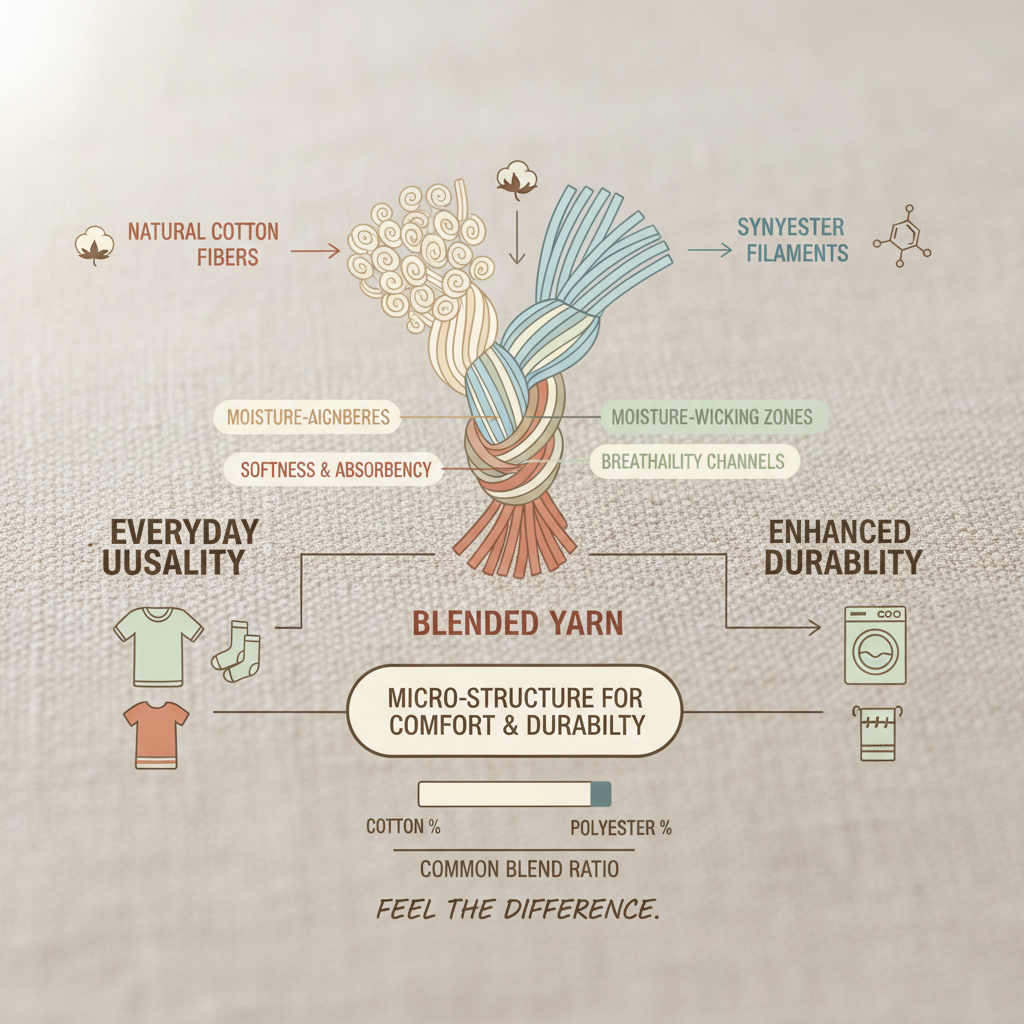
The evolution led to the development of TR fabric, a strategic blend of 80% polyester and 20% viscose. This innovation was designed to keep the core benefits of stability and fast-drying properties associated with synthetics, while the viscose component mimics the soft hand-feel and air permeability that users expect from a traditional cotton weave.
Technical Composition of TR Blends vs Pure Cotton
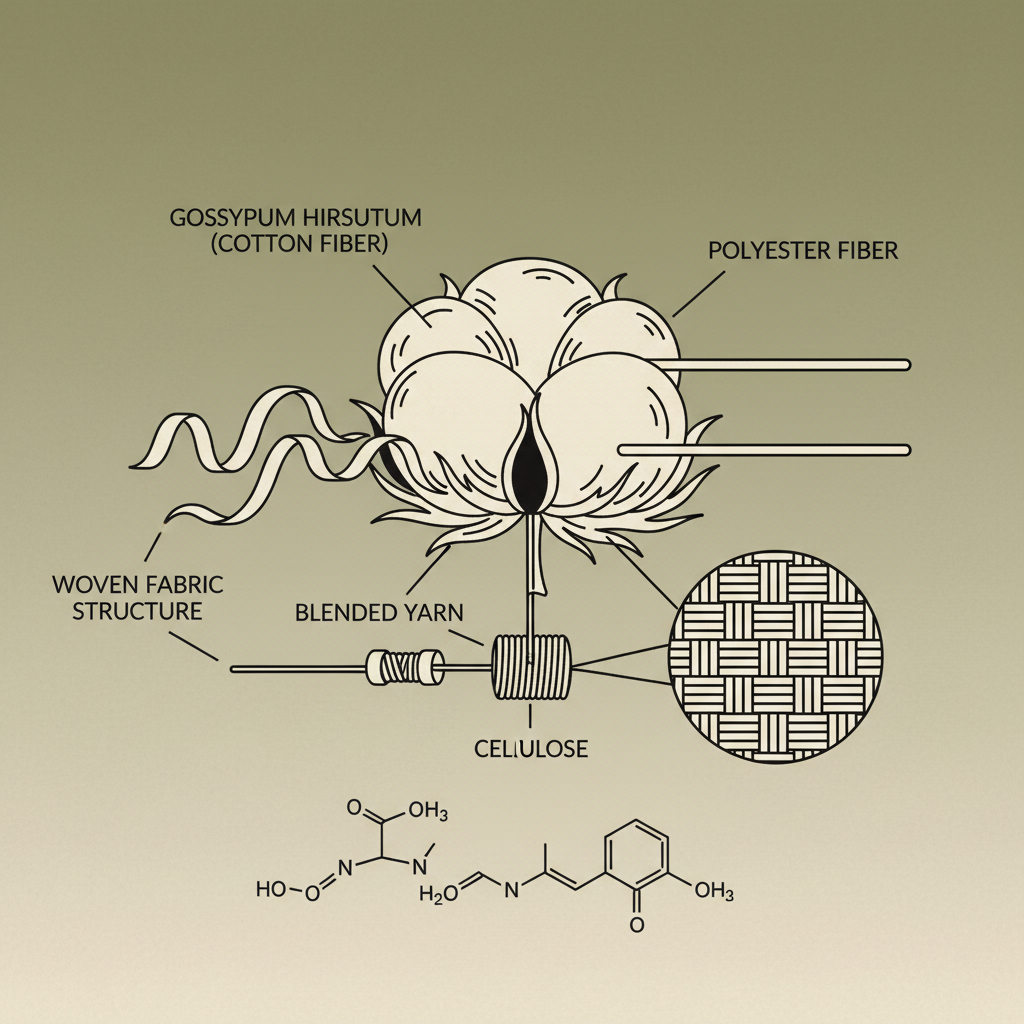
When comparing the structural integrity of materials, a 100 solid cotton fabric relies entirely on cellulose fibers. While this is excellent for skin sensitivity, it lacks the elastic recovery needed for high-stress garments like trousers or professional blazers, often leading to "bagging" at the knees and elbows.
In contrast, TR fabric utilizes an 80/20 polyester-viscose ratio. The polyester provides the "skeleton" of the fabric, ensuring it remains wrinkle-resistant and stable in size after multiple washes. This creates a garment that looks freshly pressed throughout the day, a feat nearly impossible to achieve with pure cotton without heavy chemical starching.
The addition of viscose is the critical "bridge" in this blend. Viscose improves the overall air permeability, reducing the risk of melting holes that can occur in 100% synthetic fabrics when exposed to high heat. Furthermore, this blend actively reduces pilling and static electricity, providing a wearer experience that rivals the natural feel of cotton.
Key Performance Indicators for Professional Wear
Selecting the right material requires looking beyond the surface. While a 100 solid cotton fabric is often chosen for its prestige, professional wear demands specific KPIs: dimensional stability, abrasion resistance, and moisture management.
TR fabric excels in these areas by combining the strength of polyester with the comfort of viscose. Unlike a standard 100 solid cotton fabric, which may lose its shape after a few laundry cycles, the 80/20 TR blend is engineered to be wearable and washable, maintaining a crisp silhouette over years of use.
Moreover, the antistatic properties of the TR blend prevent the fabric from clinging to the body, a common complaint with low-grade synthetics. This makes it an ideal choice for men's and women's suits, where the drape of the fabric is paramount to the professional image.
Global Market Application and Demand Analysis
The application of these materials varies significantly by region and cultural requirement. In markets where traditional attire is standard, such as Arab gowns, the demand for fabrics that offer both a luxurious drape and high durability is immense. While some prefer the purity of a 100 solid cotton fabric, the TR blend is increasingly preferred for its ease of maintenance.
From corporate uniforms in Asia to professional wear in Europe, the shift toward hybrid blends is driven by the need for cost-efficiency and longevity. Fabrics that require less ironing and resist wear-and-tear translate directly into lower costs for the end-user and a more sustainable garment lifecycle.
Performance Comparison: TR Blend vs 100 solid cotton fabric
Long-term Value of Hybrid Textile Engineering
The long-term value of moving from a simple 100 solid cotton fabric to a TR blend is found in the reduction of the "cost-per-wear." Because the polyester/viscose blend is specifically engineered to be washable and wearable, the frequency of garment replacement is significantly reduced, offering a more sustainable financial model for large-scale uniform procurement.
Beyond the economics, there is a psychological value in reliability. Professionals who wear TR suits or uniforms experience less stress regarding their appearance throughout the day. The stability of the fabric means that the professional image is maintained from the first meeting of the morning to the final task of the evening, providing a confidence that pure cotton often cannot guarantee.
Future Innovations in Sustainable Fiber Blends
As the industry moves toward "Green Textiles," the conversation around 100 solid cotton fabric is shifting toward organic and recycled sources. Simultaneously, the development of recycled polyester is making TR blends more eco-friendly. The goal is to maintain the high-performance characteristics of the 80/20 blend while reducing the carbon footprint of the synthetic components.
Digital transformation in weaving is also allowing for more precise control over the blend ratio and weave density. This means we can now create TR fabrics that are even more breathable than before, further narrowing the gap between the comfort of cotton and the durability of polyester.
We are also seeing a trend toward "smart blends" where antistatic and antimicrobial properties are woven directly into the fiber. This evolution ensures that professional wear is not just durable and crisp, but also hygienic and responsive to the wearer's environment.
Overcoming Common Textile Durability Challenges
One of the primary challenges with a 100 solid cotton fabric is its vulnerability to pilling and rapid wear in high-friction areas. In industrial settings, this leads to garments that look aged prematurely. The TR blend addresses this by utilizing the high tenacity of polyester fibers, which act as a protective matrix for the softer viscose fibers.
Another common issue is the "melting hole" phenomenon associated with pure synthetics. By integrating 20% viscose, TR fabric increases its resistance to heat damage, making it safer and more versatile for various garment construction methods. This balance ensures that the fabric is not only strong but also resilient to the realities of industrial pressing.
Finally, the challenge of static electricity in dry climates is solved through the hybrid nature of the blend. The viscose fiber helps dissipate charges, preventing the uncomfortable clinging that often plagues low-quality polyester fabrics, thus combining the best of both worlds.
Comparative Analysis of Textile Properties for Professional Application
| Material Type |
Wrinkle Resistance |
Breathability |
Longevity Score |
| 100 solid cotton fabric |
Low |
Very High |
6/10 |
| TR Blend (80/20) |
High |
Medium-High |
9/10 |
| Pure Polyester |
Very High |
Low |
8/10 |
| Pure Viscose |
Very Low |
High |
5/10 |
| Poly-Cotton Blend |
Medium |
Medium |
7/10 |
| TR High-Twist |
Very High |
Medium |
10/10 |
FAQS
Yes, for professional suits, TR fabric is generally superior because it offers high wrinkle resistance and dimensional stability. While a 100 solid cotton fabric is breathable, it creases easily, which can make a suit look unprofessional during a long workday. TR fabric maintains a crisp, clean look with minimal effort.
The inclusion of 20% viscose is specifically designed to mimic the softness and air permeability of natural fibers. While it may not be identical to a 100 solid cotton fabric, it provides a smooth hand-feel and prevents the "plastic" sensation often associated with pure polyester.
TR fabric is significantly more durable and easier to maintain. It is highly washable and wearable, resisting the shrinkage and warping that often occur with a 100 solid cotton fabric. This makes it the ideal choice for uniforms that require frequent laundering.
Absolutely. Due to its excellent drape and stability, TR fabric is widely used in Arab gowns. It provides the necessary elegance and flow while ensuring the garment does not wrinkle excessively, providing a more polished appearance than a standard cotton weave.
The viscose component in the blend helps to regulate moisture and reduce the buildup of static electricity. This is a significant advantage over pure synthetics and provides a comfort level closer to that of a 100 solid cotton fabric.
The 80/20 TR blend is engineered to reduce pilling. By optimizing the fiber length and the weave structure, the polyester reinforces the viscose, making it much more resistant to surface fuzzing than lower-quality blends or some lightweight cottons.
Conclusion
In summary, while the 100 solid cotton fabric remains a symbol of natural comfort, the technical demands of modern professional attire have paved the way for the TR blend. By combining 80% polyester for stability and 20% viscose for breathability, TR fabric solves the critical issues of wrinkling, shrinkage, and wear, making it the optimal choice for suits, uniforms, and traditional gowns.
Looking forward, the integration of sustainable fibers and smart textile technology will only enhance the value of these hybrid materials. For businesses and designers seeking a balance between luxury, durability, and ease of maintenance, transitioning to high-quality TR blends is a strategic move toward better garment longevity and wearer satisfaction. Visit our website: www.jiexiangtextile.com