The interplay of cotton and polyester yarn is fundamental to the modern textile industry, impacting everything from apparel and home furnishings to industrial applications. Globally, these yarns represent a massive market, driven by demand for comfortable, durable, and cost-effective fabrics. Understanding the properties and applications of cotton and polyester yarn is crucial for textile manufacturers, designers, and consumers alike.
The significance of cotton and polyester yarn extends beyond just clothing. Their versatility makes them ideal for a wide range of products, including medical textiles, filtration systems, and automotive interiors. The global production and trade of these yarns are substantial, influencing economies and employment rates in numerous countries. Addressing challenges in sustainable sourcing and production is paramount for the continued success of this vital industry.
The increasing demand for fabrics with specific performance characteristics—such as wrinkle resistance, breathability, and durability—has fueled the popularity of cotton and polyester blends. These blends offer a balance of properties that neither fiber can achieve on its own, making them a staple in the textile landscape. Navigating the complexities of yarn selection and manufacturing processes is key to producing high-quality textiles that meet evolving consumer needs.
The Global Significance of cotton and polyester yarn
Cotton and polyester yarn are ubiquitous in the global textile market, with production concentrated in countries like China, India, and the United States. The United Nations Comtrade database reports billions of dollars in annual trade for these yarns, demonstrating their economic importance. Their widespread use is due to their versatility and relatively low production costs, making them accessible to a broad range of manufacturers and consumers.
A key challenge lies in ensuring sustainable production practices. Conventional cotton farming can be water-intensive and rely heavily on pesticides. Polyester, derived from petroleum, raises concerns about its environmental impact. Finding innovative solutions, such as organic cotton farming and recycled polyester production, is crucial to mitigate these challenges and promote a more responsible textile industry.
Defining cotton and polyester yarn
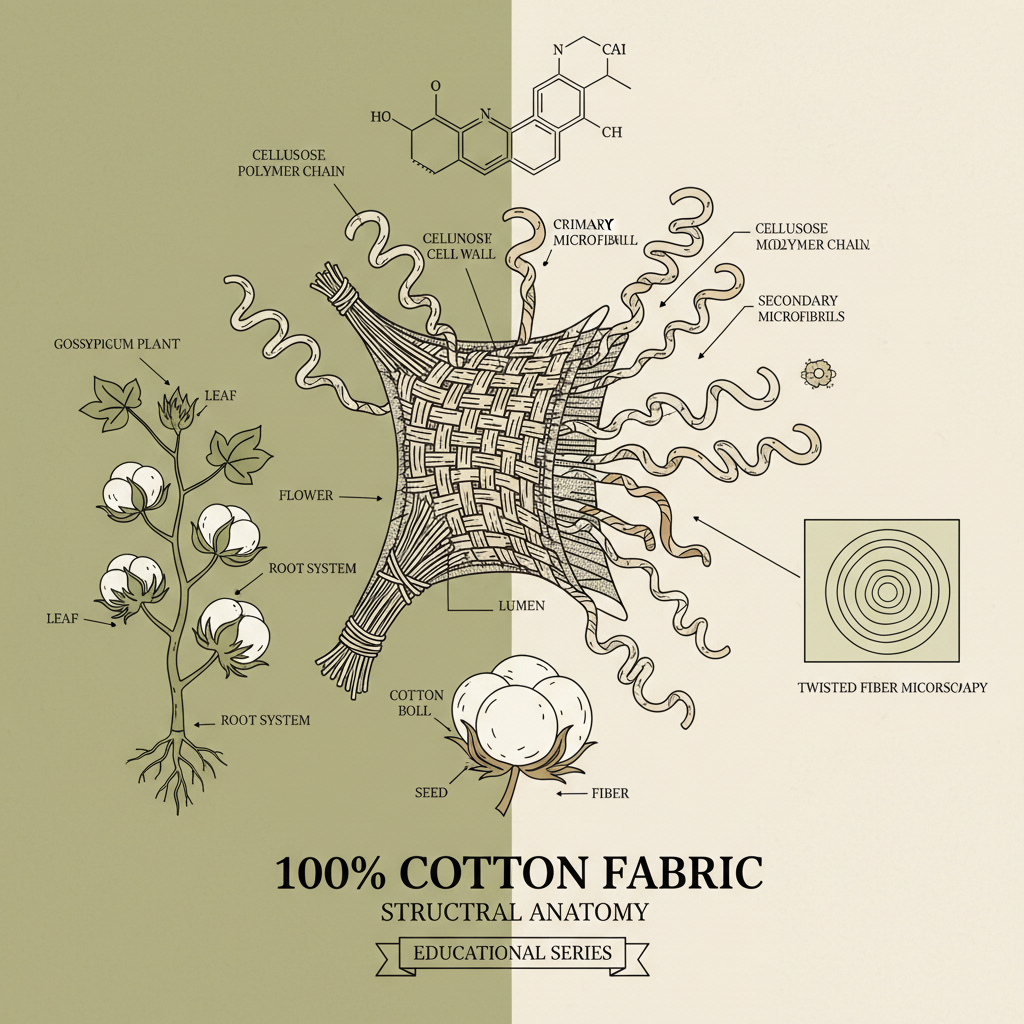
Cotton yarn is a soft, breathable fiber spun from the seed hairs of the cotton plant. It's renowned for its comfort and absorbency, making it ideal for apparel worn close to the skin. The quality of cotton yarn varies depending on the length and strength of the cotton fibers, with long-staple cottons like Egyptian or Pima yielding finer, more durable yarns.
Polyester yarn, on the other hand, is a synthetic fiber derived from petroleum. It's known for its strength, wrinkle resistance, and quick-drying properties. Polyester yarn doesn't absorb moisture as readily as cotton, but it's incredibly durable and holds its shape well. Different types of polyester yarn exist, offering varying levels of performance characteristics.
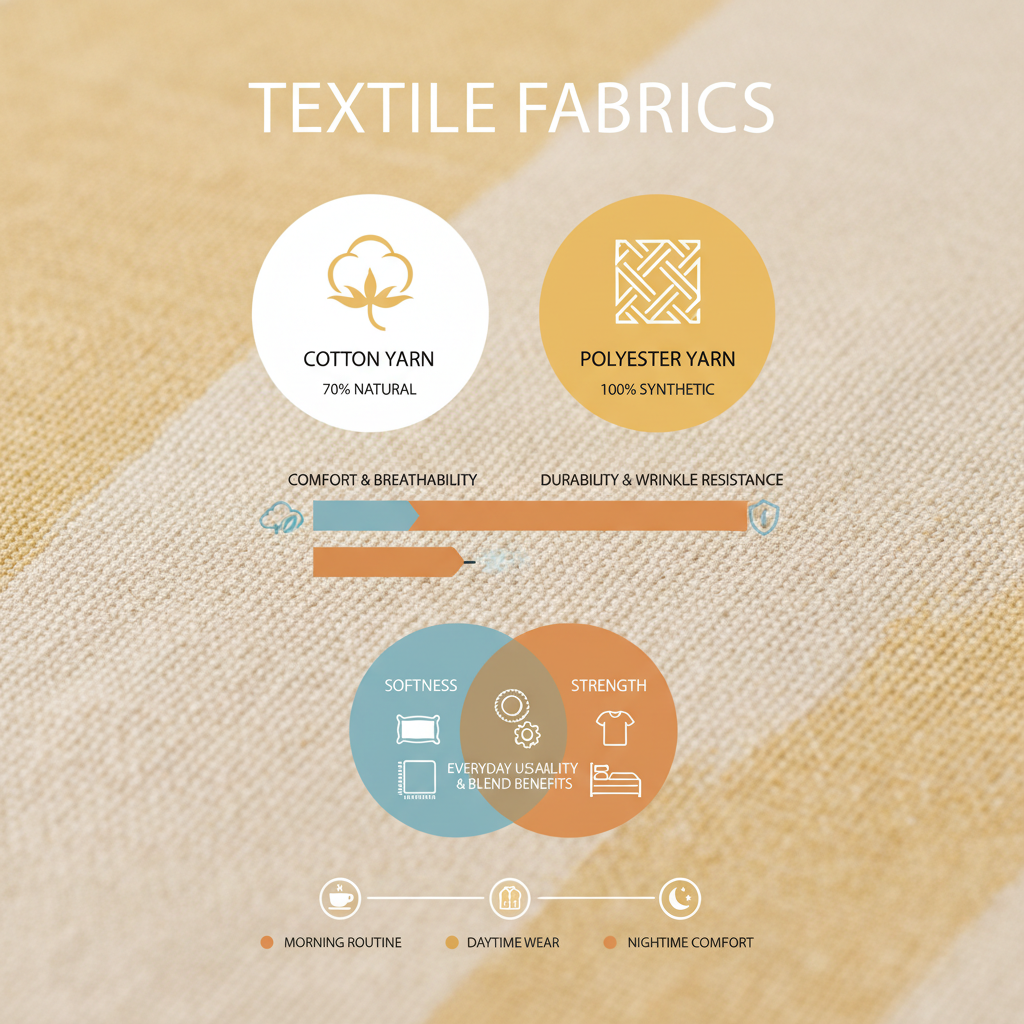
Combining cotton and polyester yarn into blended yarns leverages the strengths of both fibers, creating materials that are both comfortable and durable, offering a versatile solution for a wide array of textile applications.
Key Properties of cotton and polyester yarn
Durability is a major advantage of both cotton and polyester yarns, though for different reasons. Cotton's strength comes from its natural fiber structure, while polyester's resilience is due to its synthetic composition. This translates to garments and textiles that withstand repeated wear and washing.
Cost-effectiveness is another key property, particularly for polyester. Its lower production costs compared to natural fibers like cotton make it an attractive option for manufacturers seeking to keep prices competitive. However, the price of cotton can fluctuate significantly based on harvest yields and global demand.
Moisture management is where cotton and polyester differ significantly. Cotton is highly absorbent, making it comfortable in warm weather but slower to dry. Polyester, conversely, is hydrophobic, meaning it repels water and dries quickly, making it ideal for activewear and outdoor applications.
Practical Applications of cotton and polyester yarn
The versatility of cotton and polyester yarn leads to a wide range of practical applications. In apparel, they're used in everything from t-shirts and jeans to dresses and outerwear. The blend ratio determines the final properties of the fabric, allowing designers to tailor the material to specific needs.
Beyond apparel, these yarns are essential in home textiles like bedsheets, towels, and upholstery. Their durability and ease of care make them ideal for these applications. In industrial settings, they're used in products like conveyor belts, ropes, and filtration fabrics.
Comparison of cotton and polyester yarn Blend Ratios
Global Use Cases and Industries Benefiting from cotton and polyester yarn
The apparel industry is the largest consumer of cotton and polyester yarn, with significant demand coming from major manufacturing hubs in Asia, including Bangladesh, Vietnam, and Indonesia. These countries produce garments for global brands, fueling a massive international trade network.
The home textile industry also relies heavily on these yarns. Countries like China, India, and Pakistan are major producers of bed linens, towels, and other home goods, exporting to markets worldwide. The medical textile sector is another growing area, utilizing these yarns for surgical gowns, drapes, and wound dressings.
Advantages and Long-Term Value of cotton and polyester yarn
From a cost perspective, cotton and polyester yarn offer a compelling value proposition. Polyester's lower production cost helps keep overall fabric prices competitive, while cotton's natural properties enhance comfort and breathability. This balance makes them accessible to a wide range of consumers.
Sustainability is increasingly important, and advancements in recycled polyester production are addressing environmental concerns. Choosing organic cotton options further minimizes the environmental impact. These choices contribute to a more responsible textile industry and appeal to environmentally conscious consumers.
Future Trends and Innovations in cotton and polyester yarn
Innovations in fiber technology are driving new developments in cotton and polyester yarn. These include the development of new polyester variants with enhanced moisture-wicking properties and improved breathability. Research into bio-based polyester, derived from renewable sources, offers a promising path towards a more sustainable future.
Digitalization and automation are transforming the textile manufacturing process, enabling greater efficiency and precision in yarn production. Advanced spinning technologies and quality control systems are improving the consistency and performance of these yarns. The integration of AI and machine learning is further optimizing production processes.
The development of circular economy models, focusing on textile recycling and reuse, is also gaining momentum. Technologies that enable the efficient separation and reprocessing of cotton and polyester fibers are crucial for creating a closed-loop system and reducing textile waste.
Summary of Key Considerations for Sustainable cotton and polyester yarn Production
| Environmental Impact |
Production Costs |
Performance Characteristics |
Long-Term Durability |
| Water usage in cotton cultivation; petroleum dependency in polyester production. |
Polyester generally lower cost; organic cotton can be more expensive. |
Cotton offers breathability; polyester provides wrinkle resistance. |
Polyester generally has higher tensile strength; cotton weakens when wet. |
| Recycled polyester reduces reliance on virgin materials. |
Economies of scale in production can lower costs for both fibers. |
Blends can combine the benefits of both fibers. |
Proper care and maintenance can extend the lifespan of both fabrics. |
| Biodegradability of cotton versus non-biodegradability of polyester. |
Government subsidies and trade policies can influence pricing. |
Innovation in fiber treatments can enhance performance. |
Fiber composition and weave structure affect durability. |
| Potential for microplastic shedding from polyester fabrics. |
Labor costs and supply chain disruptions can impact expenses. |
Antimicrobial treatments can add functionality. |
Resistance to abrasion and UV degradation varies. |
| Use of pesticides and fertilizers in conventional cotton farming. |
Investment in sustainable production practices can increase costs initially. |
Flame retardant finishes can improve safety. |
Proper storage conditions can prevent degradation. |
| Carbon footprint of production and transportation. |
Technological advancements can lower manufacturing costs. |
Moisture-wicking properties for activewear applications. |
Regular washing and drying can affect fiber integrity. |
FAQS
Organic cotton yarn is produced from cotton grown without the use of synthetic pesticides, herbicides, or genetically modified seeds. This makes it a more sustainable and environmentally friendly option. Conventional cotton, on the other hand, often relies on these chemicals, which can have negative impacts on soil health, water quality, and human health. While organic cotton can be more expensive, it offers benefits for both the environment and consumers.
The blend ratio significantly impacts the final fabric’s characteristics. A higher cotton content results in greater breathability and comfort but may lead to more shrinkage and wrinkling. A higher polyester content offers increased durability, wrinkle resistance, and faster drying but may reduce breathability. The ideal ratio depends on the intended application of the fabric.
Yes, polyester yarn is recyclable, although the process is complex. Mechanical recycling involves breaking down post-consumer polyester waste into flakes and then re-spinning it into new yarn. Chemical recycling is a newer technology that breaks down polyester into its original monomers, allowing for the creation of virgin-quality polyester. Both methods contribute to reducing plastic waste and conserving resources.
Cotton production can be water-intensive and relies on pesticides, impacting soil health and water quality. Polyester production, derived from petroleum, contributes to greenhouse gas emissions and generates plastic waste. Addressing these impacts requires sustainable farming practices, responsible chemical management, and investment in recycling technologies.
Look for certifications like GOTS (Global Organic Textile Standard) for organic cotton and Oeko-Tex Standard 100 for both cotton and polyester, ensuring they are free from harmful substances. Check the yarn's count (fineness) and strength, as higher numbers generally indicate better quality. Consider the origin of the yarn and choose suppliers with transparent and ethical production practices.
Innovations include the development of bio-based polyester derived from renewable sources, improved recycling technologies for both cotton and polyester, and the use of regenerative agriculture practices to enhance soil health and reduce water usage in cotton farming. These advancements are driving a shift towards a more circular and sustainable textile industry.
Conclusion
In conclusion, cotton and polyester yarn remain fundamental materials in the global textile industry, offering a versatile blend of properties and cost-effectiveness. Understanding their individual characteristics, applications, and environmental impacts is crucial for making informed decisions. Embracing sustainable practices and innovative technologies will be key to ensuring a responsible and thriving future for this vital industry.
As demand for sustainable and high-performance textiles continues to grow, ongoing research and development in cotton and polyester yarn will be essential. Investing in circular economy models, promoting responsible sourcing, and supporting innovative technologies will pave the way for a more sustainable and resilient textile industry. Visit our website at www.jiexiangtextile.com to learn more about our commitment to quality and sustainability.