Selecting the right poly cotton fabric suppliers is a critical decision for garment manufacturers and industrial designers who seek to balance the breathability of natural cotton with the resilience of synthetic polyester. In a global market where textile performance must meet rigorous standards, the synergy of these two fibers creates a versatile material suitable for everything from high-end corporate uniforms to durable medical scrubs.
The global demand for blended textiles has surged as brands move toward "performance basics"—fabrics that look professional but withstand the wear and tear of daily industrial use. By partnering with experienced poly cotton fabric suppliers, businesses can optimize their supply chains to reduce shrinkage, prevent wrinkling, and maintain color fastness over hundreds of wash cycles.
Understanding the nuances of blend ratios, weaving techniques, and finishing processes is essential for maximizing the value of your textile investment. This guide explores the intricate ecosystem of poly cotton production, providing a roadmap for sourcing high-quality materials that align with modern sustainability goals and technical specifications.
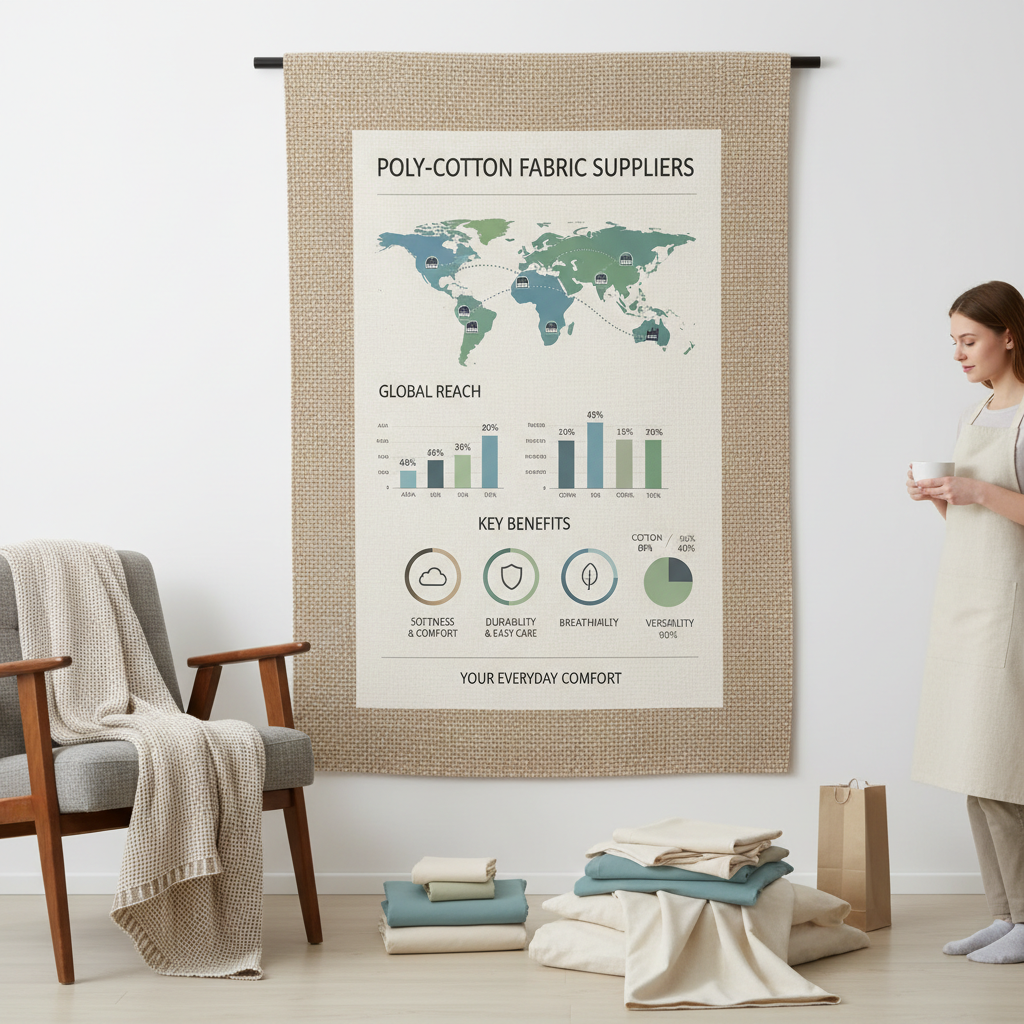
The Global Significance of Poly Cotton Fabric Suppliers
In the modern textile economy, poly cotton fabric suppliers serve as the backbone for several multi-billion dollar industries. From the rise of fast fashion to the stringent requirements of medical textiles, the ability to provide a consistent, high-tensile blend is paramount. According to international trade data, the shift toward blended fabrics has been driven by the need for cost-efficiency without sacrificing the tactile comfort that end-users expect from cotton.
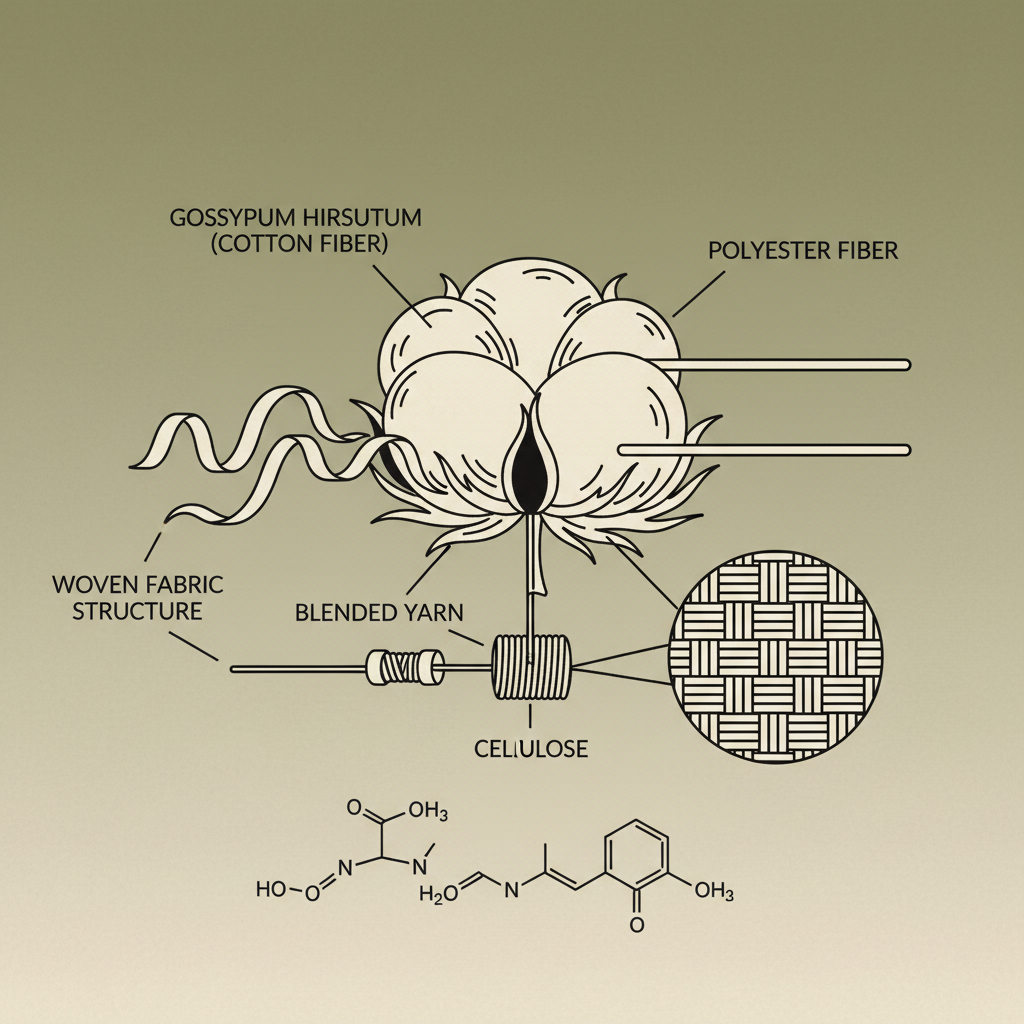
The complexity of this supply chain involves not just weaving, but the precise chemical treatment of fibers to ensure they bond effectively. Reliable suppliers mitigate the risk of "pilling" and uneven dyeing, which are common pitfalls in low-grade poly-cotton blends. By integrating advanced spinning technologies, top-tier suppliers ensure that the resulting fabric maintains structural integrity even under extreme mechanical stress.
Defining the Role of Quality Poly Cotton Fabric Suppliers
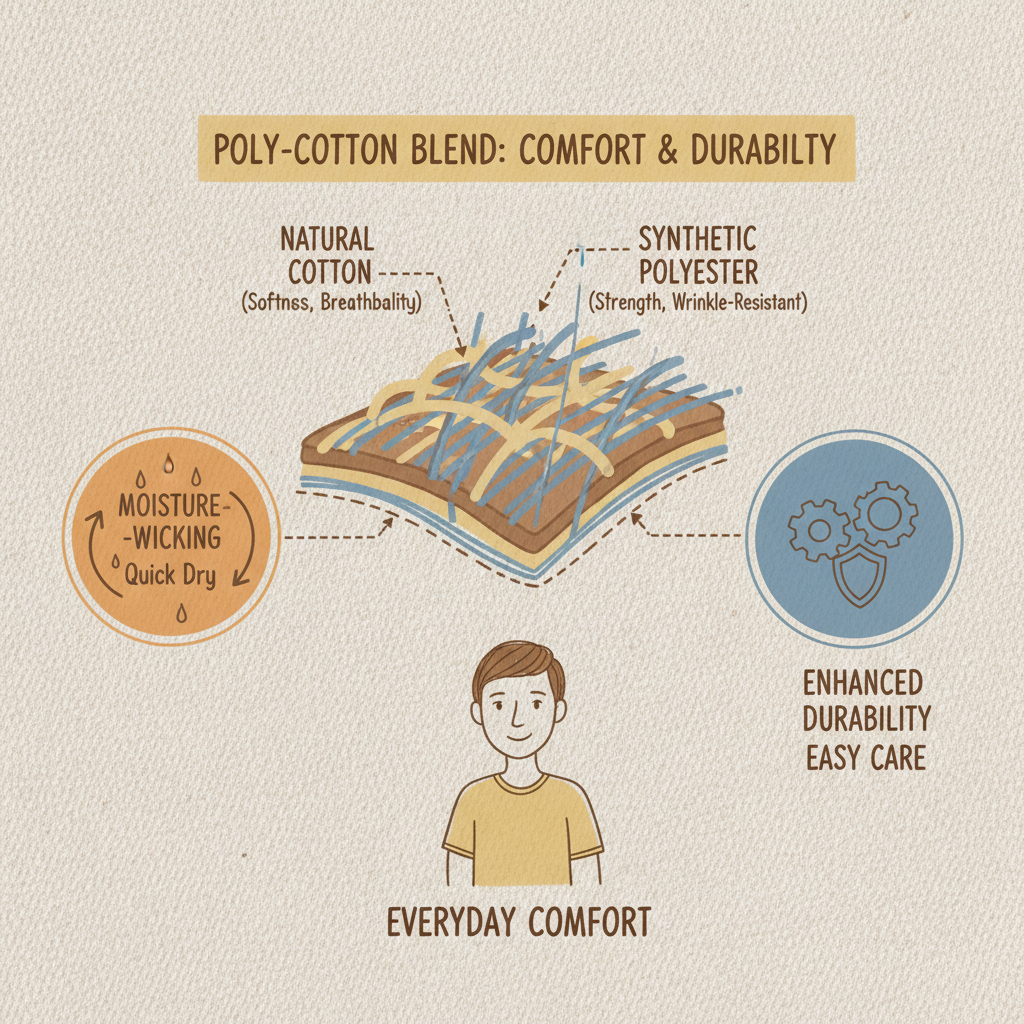
At its core, poly cotton fabric suppliers are specialized textile manufacturers that blend natural cotton fibers with synthetic polyester polymers. This hybridization is designed to capture the "best of both worlds": the moisture-wicking and hypoallergenic properties of cotton, combined with the durability, wrinkle resistance, and quick-drying nature of polyester.
In an industrial context, these suppliers do more than just sell rolls of cloth; they act as technical consultants. They help clients determine the ideal ratio—such as 65/35 or 80/20—based on the intended end-use. For instance, a higher polyester content is often recommended for outdoor workwear to increase abrasion resistance, whereas a higher cotton percentage is preferred for hospitality uniforms to enhance wearer comfort.
Beyond the physical product, quality suppliers adhere to international standards such as ISO and OEKO-TEX. This ensures that the chemicals used during the dyeing and finishing stages are safe for human skin and the environment, addressing the growing humanitarian and ecological concerns associated with mass textile production.
Core Components of High-Performance Blends
When evaluating poly cotton fabric suppliers, the first critical component is Tensile Strength. The addition of polyester significantly increases the fabric's resistance to tearing and stretching, making it ideal for heavy-duty applications like industrial coveralls or luggage linings.
Another vital factor is Dimensional Stability. Unlike 100% cotton, which is prone to significant shrinkage after the first few washes, fabrics from professional poly cotton fabric suppliers are engineered to retain their shape. This stability is achieved through precise heat-setting processes during the finishing stage.
Lastly, Color Fastness plays a huge role in commercial viability. Polyester fibers absorb disperse dyes differently than cotton absorbs reactive dyes. Expert suppliers utilize advanced cross-dyeing techniques to ensure that colors remain vibrant and uniform across the entire garment, preventing the "faded" look common in inferior blends.
Comparative Analysis of Sourcing Strategies
Navigating the landscape of poly cotton fabric suppliers requires a strategic approach to procurement. Many firms struggle between choosing low-cost, high-volume wholesalers and boutique, high-specification mills. The former may offer immediate cost savings, but often at the expense of consistency and ethical labor certifications.
In contrast, partnering with specialized suppliers allows for customized fabric weights (GSM) and specific weave patterns, such as twill or satin. This level of control is essential for brands that want to differentiate their products in a crowded market through superior hand-feel and longevity.
Supplier Performance Metrics for Poly Cotton Fabrics
Global Applications and Industrial Use Cases
The versatility provided by poly cotton fabric suppliers makes these materials indispensable across various sectors. In the medical field, poly-cotton blends are the standard for surgical scrubs and lab coats because they can withstand high-temperature sterilization without degrading, while still being comfortable enough for 12-hour shifts.
In the hospitality and corporate sector, the demand for "easy-care" fabrics has led to a surge in the use of TR (Tetron Rayon) and poly-cotton gabardines. These fabrics provide a sharp, pressed look that lasts throughout the day, reducing the maintenance burden for employees and enhancing the professional image of the organization.
Long-Term Value and Sustainability Benefits
Investing in premium poly cotton fabric suppliers offers significant long-term economic value. Because the fabric is more durable than pure cotton, the lifecycle of the finished garment is extended. This reduces the frequency of replacement, lowering the total cost of ownership for corporate procurement officers and reducing the overall volume of textile waste entering landfills.
From an emotional and brand-loyalty perspective, providing employees or customers with high-quality, breathable, and durable apparel fosters a sense of dignity and trust. When a uniform doesn't shrink or fade, it reflects the stability and quality of the company itself.
Furthermore, the industry is seeing a transition toward "Circular Poly-Cotton." Leading suppliers are now integrating recycled polyester (rPET) derived from plastic bottles, combining it with organic cotton. This innovation allows brands to maintain performance while significantly lowering their carbon footprint and water usage.
Future Trends in Poly Cotton Textile Innovation
The future of poly cotton fabric suppliers lies in the intersection of material science and digital transformation. We are seeing the emergence of "Smart Blends" that incorporate antimicrobial finishes and moisture-management polymers. These fabrics are designed to actively repel odors and regulate body temperature, expanding their use into high-performance athletic wear and tactical gear.
Automation in the weaving process is also reducing human error, ensuring that the blend ratio is consistent from the first yard to the ten-thousandth. Digital twin technology now allows suppliers to simulate how a specific blend will drape and wear before a single thread is spun, drastically reducing sampling waste and accelerating the time-to-market.
As global policies on textile waste tighten, we expect a move toward mono-material simulations—fabrics that feel like poly-cotton but are engineered for easier chemical recycling at the end of their life.
Technical Specification Comparison of Poly Cotton Blend Variations
| Blend Ratio (Poly/Cot) |
Durability Score (1-10) |
Breathability Score (1-10) |
Primary Application |
| 65% Poly / 35% Cotton |
8 |
7 |
Standard Workwear |
| 80% Poly / 20% Cotton |
10 |
5 |
Industrial Overalls |
| 50% Poly / 50% Cotton |
6 |
9 |
Medical Scrubs |
| 35% Poly / 65% Cotton |
5 |
10 |
Premium Bedding/Linens |
| 70% Poly / 30% Cotton |
9 |
6 |
Corporate Uniforms |
| Recycled Poly / Org Cotton |
7 |
8 |
Sustainable Fashion |
FAQS
The choice depends on your primary goal. If durability and wrinkle resistance are key (e.g., for industrial uniforms), a 65% polyester / 35% cotton blend is ideal. If comfort and skin-friendliness are the priority (e.g., for medical wear or luxury linings), a higher cotton percentage, such as 65% cotton / 35% polyester, is recommended. Most professional suppliers provide samples of various ratios to help you test for "hand-feel" and performance.
Yes, poly-cotton blends can shrink slightly more than pure polyester because of the cotton component. However, they shrink significantly less than 100% cotton. High-quality poly cotton fabric suppliers use pre-shrinking and heat-setting processes during production to minimize this effect, ensuring the final garment maintains its size after multiple washes.
Sustainability is a balance. While polyester is synthetic, it increases the garment's lifespan, meaning fewer items are thrown away. Pure cotton requires immense amounts of water and pesticides. By sourcing from suppliers who use recycled polyester (rPET) and organic cotton, you can achieve a product that is more sustainable than either pure fiber alone.
Cey fabric is often a specialized textured blend, whereas standard poly-cotton is usually a smooth weave (like poplin or twill). While both may use polyester and cotton, Cey fabric focuses on a specific aesthetic "crinkle" or stretch, whereas standard poly-cotton is engineered for structural stability and utility.
Check for third-party certifications like OEKO-TEX Standard 100, which ensures the fabric is free from harmful substances. Additionally, request a "Technical Data Sheet" (TDS) that specifies the GSM (grams per square meter), the exact fiber ratio, and the color fastness rating. Ordering a sample yard for a "wash-and-wear" test is the most reliable way to verify claims.
Absolutely. With the right finish—such as a sateen weave or a high-thread-count gabardine—poly cotton can look indistinguishable from luxury natural fabrics. Many high-end uniforms and structured outerwear use these blends to ensure the garment retains its architectural shape and resists creases, providing a polished look that pure cotton cannot maintain.
Conclusion
In summary, partnering with the right poly cotton fabric suppliers allows manufacturers to bridge the gap between luxury and utility. By carefully selecting the blend ratio and ensuring strict adherence to quality standards, businesses can produce garments that are durable, comfortable, and cost-effective. The integration of technical performance—such as dimensional stability and color fastness—ensures that the final product meets the rigorous demands of today's industrial and commercial environments.
Looking ahead, the transition toward recycled fibers and smart textiles will further redefine the value proposition of blended fabrics. For companies seeking to optimize their product lines, the focus should shift toward suppliers who prioritize transparency, sustainability, and technical innovation. By embracing these advancements, you not only enhance your product's quality but also contribute to a more sustainable global textile ecosystem. Visit our website to explore our premium range: www.jiexiangtextile.com