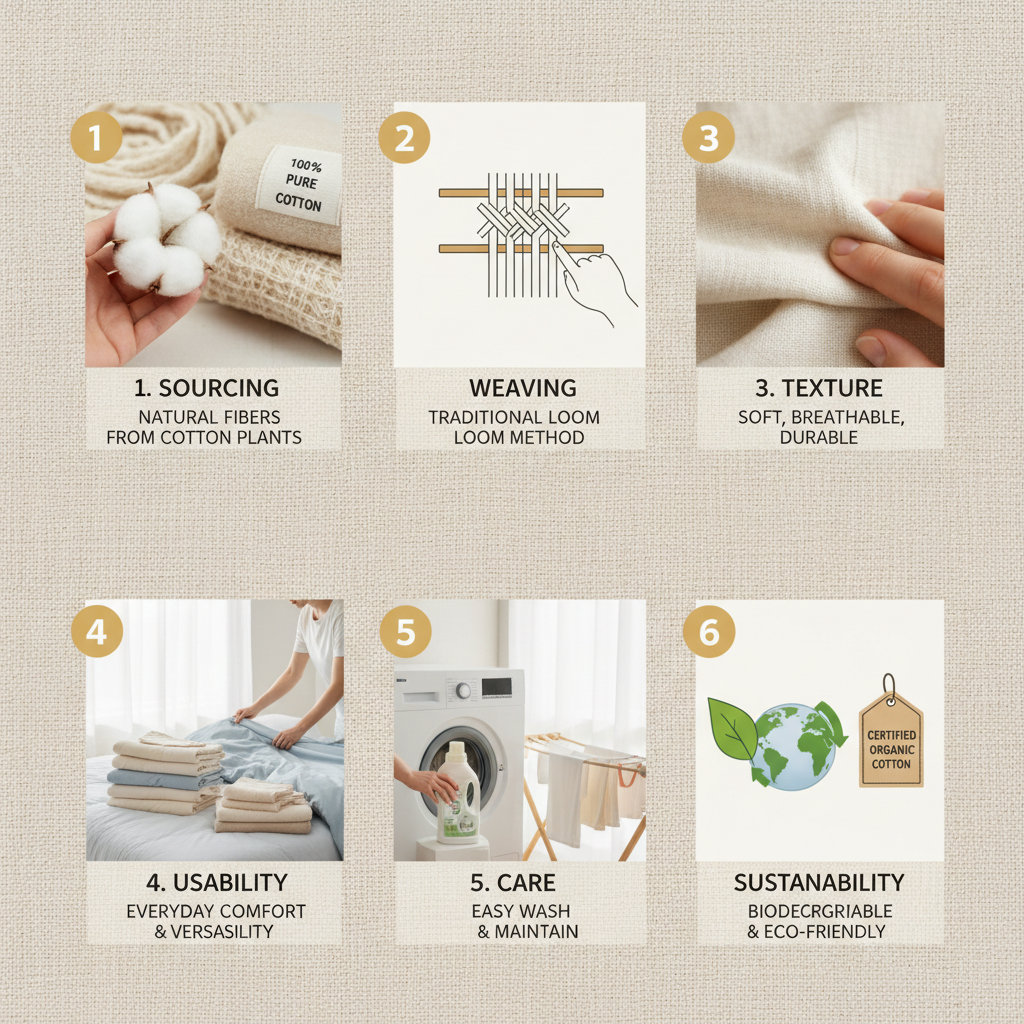
The global textile market is witnessing a significant shift toward versatile, high-performance materials that blend aesthetic appeal with technical functionality. Among these, the concept of a 100 cotton tie dye fabric represents the intersection of traditional artisanal artistry and modern fabric demands. Whether for leisure wear or high-end fashion, the desire for natural breathability combined with unique visual patterns continues to drive industry innovation.
Understanding the nuances of fabric construction is essential for manufacturers and designers who aim to balance comfort with durability. While traditional dyes provide color, the integration of modern stretch capabilities and functional finishes transforms a simple textile into a high-performance garment. This evolution allows the industry to meet the rigorous standards of the global athletic and loungewear markets.
For those seeking the perfect balance of style and utility, exploring the possibilities of 100 cotton tie dye fabric provides a gateway to understanding how customized structures, such as 4-way stretch and moisture-wicking properties, can enhance the wearer's experience and freedom of movement.
The Technical Composition of High-Stretch Textiles
The core of high-performance textiles lies in the synergy between fiber selection and knitting structure. For products like the 4-way stretch spandex fabric, the integration of elastomeric fibers allows the material to expand and contract both crosswise and lengthwise. This technical architecture is what differentiates a basic textile from a professional-grade garment fabric, ensuring that the material retains its original shape even after repetitive stress.
When considering the visual appeal of a 100 cotton tie dye fabric, the underlying structure must be robust enough to handle the dyeing process without compromising the stretch. The result is a fabric that provides a "cotton-like" feel—offering the softness and breathability of natural fibers—while maintaining the rigorous mechanical properties required for sportswear and leggings.
Customization Parameters for Performance Fabrics
Customization is the cornerstone of modern textile manufacturing, allowing brands to tailor fabrics to specific end-use cases. Key parameters include the adjustment of the weight (gsm), which determines the thickness and opacity of the fabric, and the width, which optimizes cutting efficiency during the garment production phase. By manipulating these variables, manufacturers can create everything from lightweight summer wear to heavy-duty athletic gear.
Beyond physical dimensions, the internal structure of the fabric can be customized to achieve specific performance goals. For instance, adjusting the ratio of spandex to other fibers can alter the level of compression and elasticity. This ensures that clothes made from these materials do not create a sense of bondage, promoting free activity and anatomical comfort for the wearer.
Integrating these customizations with a 100 cotton tie dye fabric aesthetic allows for a product that is both visually striking and technically superior. The ability to specify the exact gsm and structure ensures that the final product meets the exact needs of the target demographic, whether they are professional athletes or fashion-forward consumers.
Functional Enhancements and Surface Treatments
To elevate a standard textile, various custom functions can be integrated during the finishing stage. Quick-dry and moisture-wicking technologies are essential for sports suits, as they transport sweat away from the skin to the fabric surface for rapid evaporation. These treatments are often applied to a 100 cotton tie dye fabric base to ensure that the artistic look does not come at the expense of performance.
Advanced protections such as UPF50+ and anti-microbial finishes provide added value for outdoor and medical applications. UPF50+ ensures that the skin is protected from harmful UV rays, while anti-microbial treatments prevent the growth of odor-causing bacteria. This makes the 100 cotton tie dye fabric not only a fashion statement but also a functional shield for the wearer.
Thermal regulation is another critical enhancement, allowing fabrics to maintain optimal body temperature in varying climates. By combining these functions with a 100 cotton tie dye fabric appearance, manufacturers can produce a versatile line of clothing that transitions seamlessly from the gym to the street, providing both cooling effects in summer and warmth in colder conditions.
Comparative Analysis of Fabric Elasticity
The effectiveness of a stretch fabric is measured by its ability to recover its original shape after being stretched. In 4-way stretch materials, this elasticity is distributed evenly, preventing the "bagging" effect often seen in lower-quality textiles. When compared to standard weaves, these high-stretch options offer significantly more freedom of movement, which is critical for leggings and athletic wear.
The balance between elasticity and wear-resistance is a key technical challenge. A high-quality 100 cotton tie dye fabric must be engineered so that the stretch does not lead to thinning or pilling over time. By optimizing the knit density, the fabric remains wear-resistant and not easy to leave wrinkles, maintaining a polished look through extended use.
Performance Metrics for 100 Cotton Tie Dye Fabric Variations
Real-World Applications in Modern Apparel
The application of 4-way stretch fabrics extends far beyond basic gym wear. In women's wear, these textiles are increasingly used for high-fashion leggings and body-con dresses that require a precise fit without sacrificing comfort. The addition of a 100 cotton tie dye fabric aesthetic allows designers to introduce organic, flowing patterns into these structured garments, bridging the gap between athleisure and luxury.
Furthermore, the industrial application of these fabrics is seen in specialized sports suits where mobility is paramount. Because the fabric is wear-resistant and resists wrinkling, it is ideal for high-intensity activities where the garment is subjected to constant friction and stretching. This reliability ensures that the apparel maintains its professional appearance and functional integrity over time.
Durability and Maintenance of Specialized Weaves
Maintaining the longevity of a 100 cotton tie dye fabric requires an understanding of its chemical and mechanical properties. Because these fabrics often contain a blend of synthetic elastanes and cotton-like fibers, temperature control during washing is vital. Avoiding excessive heat prevents the breakdown of the spandex fibers, ensuring the fabric does not lose its "snap-back" ability.
Wear-resistance is another critical factor. High-density knits are specifically engineered to withstand abrasion, which is essential for leggings that frequently come into contact with gym equipment. The integration of high-quality yarns ensures that the unique tie-dye patterns do not fade quickly and the fabric does not develop holes in high-stress areas.
Finally, the wrinkle-resistant nature of these advanced textiles simplifies maintenance for the end consumer. Unlike traditional 100% cotton fabrics that require extensive ironing, a modern 100 cotton tie dye fabric variant with synthetic blends stays smooth. This makes it an attractive choice for travelers and active individuals who prioritize ease of care.
Future Trends in Sustainable Textile Engineering
The future of the textile industry is leaning heavily toward the "Green Transformation." For 100 cotton tie dye fabric, this means moving toward organic dyes and recycled polyester blends. The goal is to maintain the 4-way stretch and moisture-wicking capabilities while reducing the environmental footprint of the dyeing and weaving processes.
Digital printing and automated dyeing technologies are also replacing traditional manual tie-dye methods to ensure consistency and reduce water waste. These innovations allow for the precise replication of complex patterns on a 100 cotton tie dye fabric base, enabling mass production without the loss of artisanal quality.
As the industry evolves, we expect to see the integration of "smart" fibers—textiles that can monitor health metrics or change properties based on the environment. These high-tech additions, combined with the classic appeal of tie-dye aesthetics, will redefine the next generation of performance apparel.
Comparative Analysis of High-Performance Fabric Specifications
| Fabric Variant |
Elasticity Score (1-10) |
Breathability Rating |
Wrinkle Resistance |
| Standard 100 Cotton Tie Dye |
4 |
High |
Low |
| 4-Way Stretch Tie Dye |
10 |
Medium-High |
High |
| Quick-Dry Performance Blend |
8 |
Extreme |
High |
| UPF50+ Outdoor Blend |
7 |
Medium |
High |
| Anti-Microbial Gym Fabric |
9 |
High |
High |
| Heavy-Weight Thermal Tie Dye |
6 |
Medium |
Medium |
FAQS
2-way stretch fabrics expand in only one direction (usually crosswise), whereas 4-way stretch fabrics expand both crosswise and lengthwise. For a 100 cotton tie dye fabric used in leggings or sportswear, 4-way stretch is superior because it provides total freedom of movement and prevents the fabric from pulling or restricting the wearer during activity.
Yes, customization of the gsm (grams per square meter) is a standard process. For summer collections, a lower gsm is used to ensure lightness and breathability. For winter or thermal wear, a higher gsm is utilized to provide warmth and thickness, all while maintaining the aesthetic appeal of the tie-dye patterns.
No, when high-quality spandex is integrated into the weave, it significantly improves the fabric's resilience. Unlike pure cotton, these performance blends are engineered to be wear-resistant and not easy to leave wrinkles, making them ideal for active lifestyles and reducing the need for frequent ironing.
The most effective combinations for athletic wear include moisture-wicking and quick-dry functions to manage sweat, along with anti-microbial treatments to prevent odors. Adding UPF50+ is also recommended for outdoor sports to protect the skin from UV radiation.
To preserve the vibrancy of the tie-dye patterns, it is recommended to wash the fabric in cold water and avoid harsh bleach. Using high-quality, fixed dyes during the manufacturing process also ensures that the colors remain stable even after multiple wash cycles.
Yes, by adding specific custom functions such as anti-microbial and fluid-resistant finishes, a 100 cotton tie dye fabric variant can be adapted for medical use. This combines the psychological benefit of colorful, friendly patterns with the technical requirements of a sterile environment.
Conclusion
In summary, the integration of high-stretch technology and functional finishes into the aesthetic of a 100 cotton tie dye fabric has revolutionized the way we approach performance apparel. By balancing gsm, elasticity, and specialized treatments like moisture-wicking and UPF50+, manufacturers can create garments that offer unparalleled freedom of movement and durability without compromising on visual artistry.
Looking ahead, the synergy between sustainable production and smart textile engineering will continue to drive the industry forward. For brands and designers, the ability to customize every aspect of the fabric—from its structure to its functional properties—is the key to staying competitive in a global market that demands both style and substance. Visit our website: www.jiexiangtextile.com