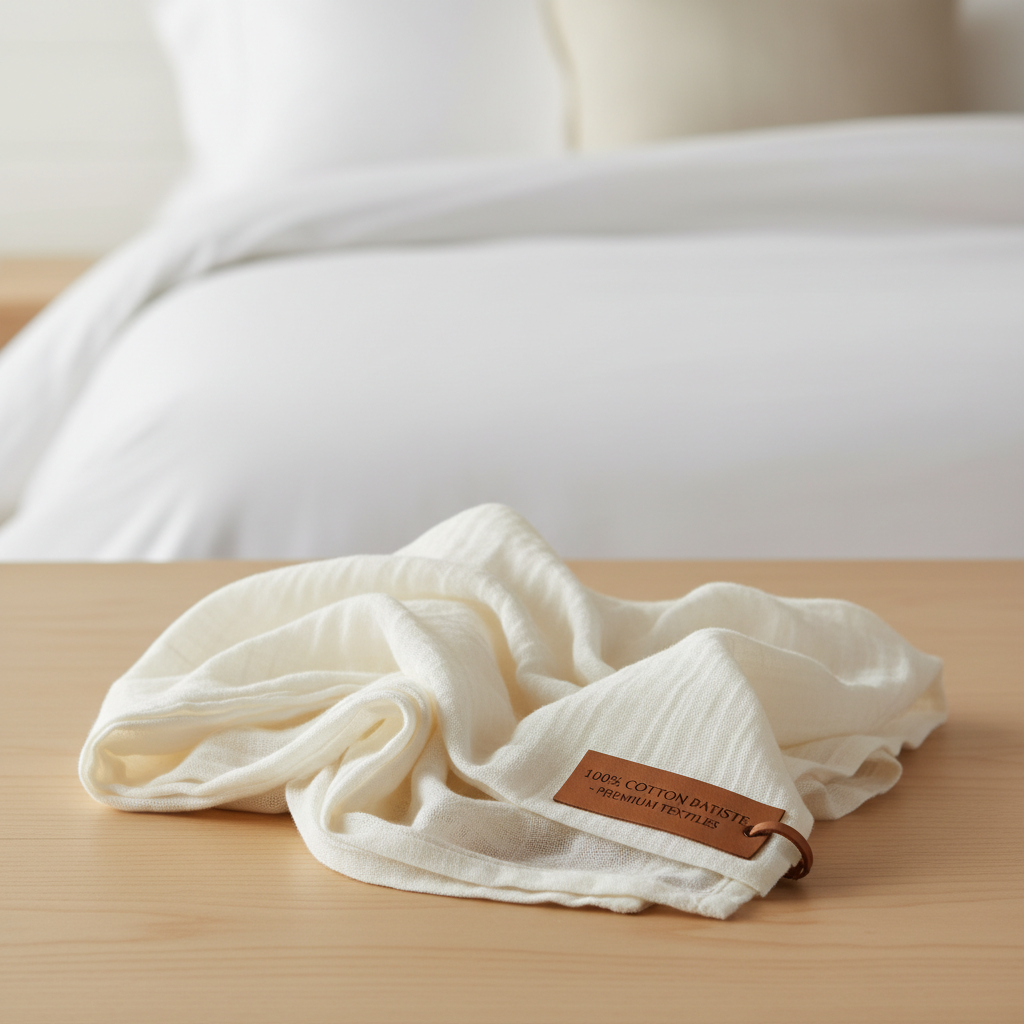
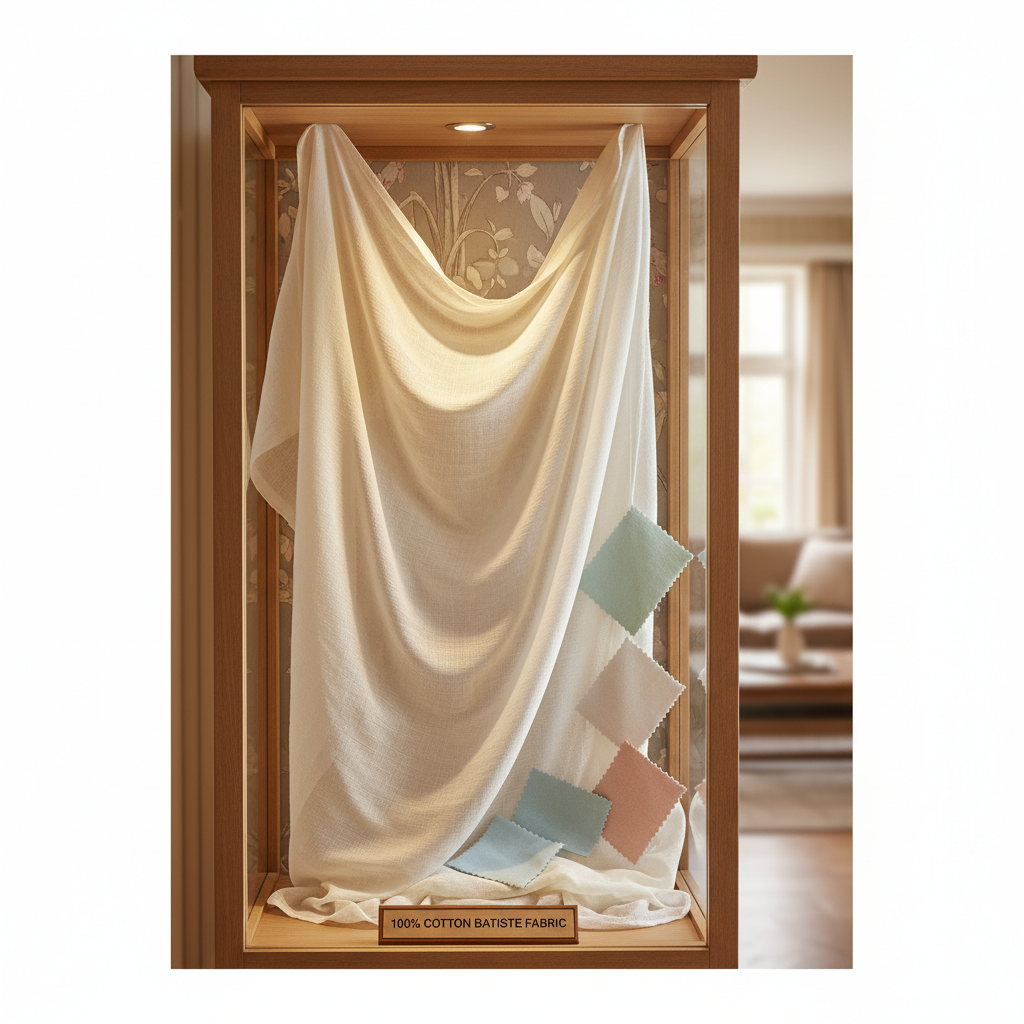
The world of fine textiles has always prized a balance between sheer elegance and structural integrity, a balance perfectly embodied by 100 cotton batiste. This lightweight, plain-weave fabric is renowned for its semi-transparent quality and exceptional softness, making it a staple for high-end shirting, bridal wear, and luxury linens across the globe. Understanding the intricacies of this material allows designers and manufacturers to leverage its breathability and refined finish to create garments that offer both comfort and sophistication.
In an era where "fast fashion" often compromises quality for speed, the resurgence of interest in 100 cotton batiste signals a return to craftsmanship and natural fibers. Its ability to provide a cool, airy feel while maintaining a crisp silhouette makes it indispensable for warm-climate attire and delicate undergarments. By prioritizing pure cotton origins, the industry addresses the growing demand for hypoallergenic and sustainable textile solutions that do not rely on synthetic blends.
Exploring the technical specifications of this fabric reveals why it remains a preferred choice for artisans and industrial garment producers alike. From the precision of the yarn count to the meticulous finishing processes, 100 cotton batiste represents a pinnacle of cotton weaving. This guide delves into its global industrial context, its core physical properties, and the innovative trends shaping its future in the modern textile landscape.
Global Industry Context of 100 Cotton Batiste
The global demand for 100 cotton batiste is intrinsically linked to the luxury apparel and home textile sectors. As international trade standards evolve under ISO guidelines, the emphasis has shifted toward traceability and the purity of raw materials. In markets such as Europe and North America, there is a significant push toward "slow fashion," where the durability and natural appeal of high-grade cotton fabrics are valued over synthetic alternatives.
However, the industry faces challenges regarding the consistency of fine-count yarns required for true batiste. The volatility of global cotton prices and the need for high-precision weaving machinery mean that producing a consistent, high-quality 100 cotton batiste requires a sophisticated supply chain. Manufacturers are now integrating smarter looms and organic certification to meet the stringent environmental standards set by global regulatory bodies.
Defining the Essence of 100 Cotton Batiste
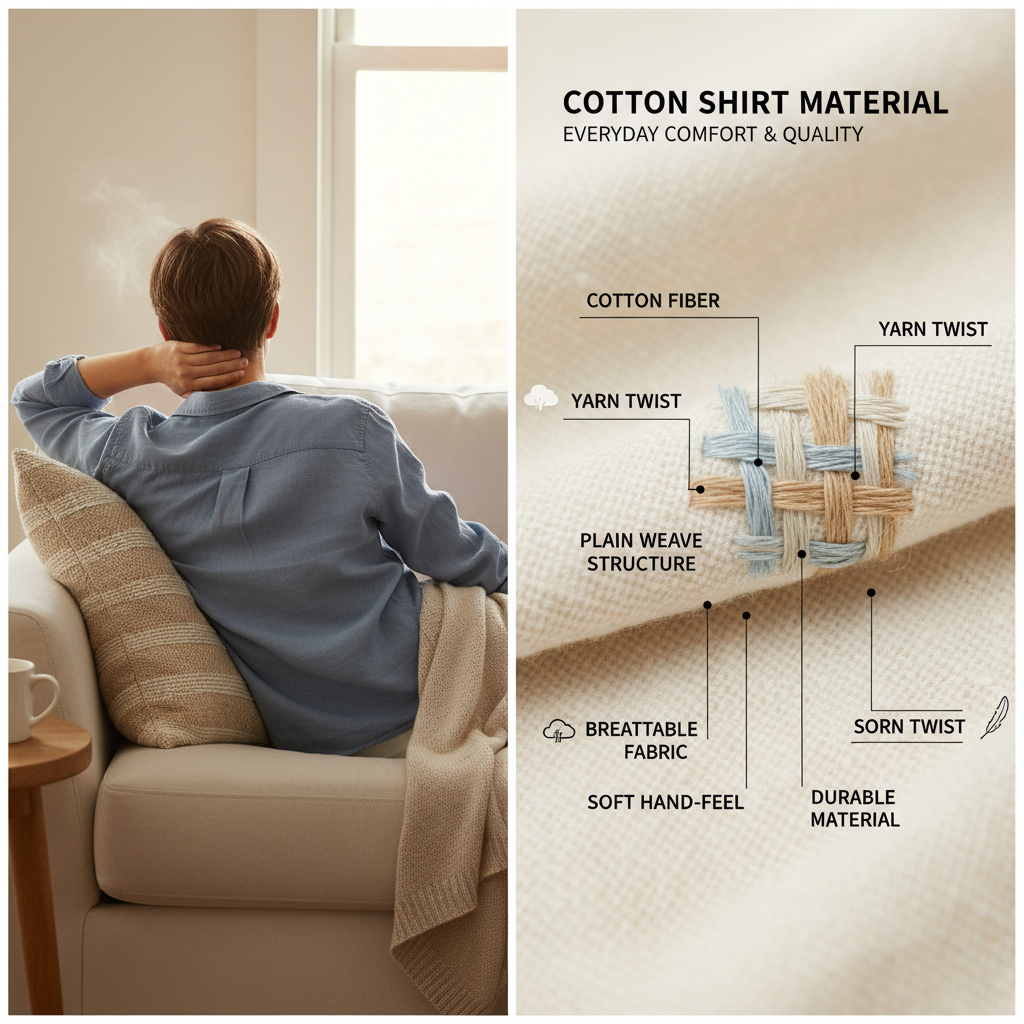
At its core, 100 cotton batiste is a fine, lightweight plain-weave fabric made from 100% cotton. Unlike heavier cotton cloths, batiste is characterized by its semi-transparency and a smooth, almost silky hand-feel. It is traditionally woven with a high thread count but using very fine yarns, resulting in a textile that is breathable yet maintains enough structure to be sewn into intricate garments.
From an industrial perspective, this fabric bridges the gap between the sheer nature of voile and the opacity of lawn. Its connection to modern needs is evident in the rise of "comfort wear" and medical-grade lightweight linens, where skin sensitivity is a primary concern. Because it is composed entirely of natural cotton fibers, it is inherently hypoallergenic and highly absorbent, making it an ideal choice for infants' clothing and luxury undergarments.
In the broader context of humanitarian and industrial needs, the purity of 100 cotton batiste ensures that it does not irritate the skin, which is critical in healthcare settings or for populations in extreme heat. Its simplicity—a basic plain weave—belies the technical skill required to ensure the fabric remains free of slubs and irregularities, reflecting a commitment to textile excellence.
Core Technical Components of 100 Cotton Batiste
The primary factor determining the quality of 100 cotton batiste is the yarn fineness. High-quality batiste utilizes extra-long staple (ELS) cotton, which allows for the spinning of thinner yarns without sacrificing tensile strength. This ensures that the fabric remains lightweight while resisting tears during the garment construction process.
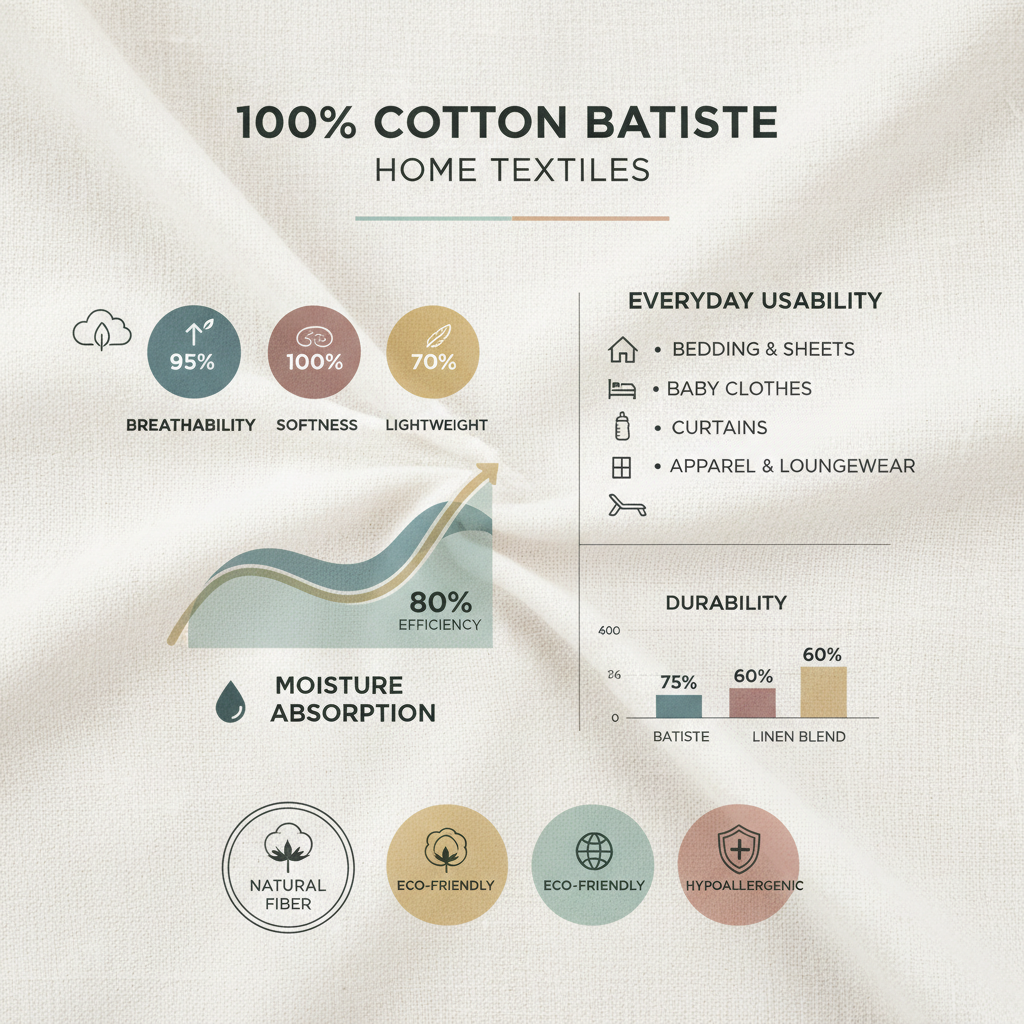
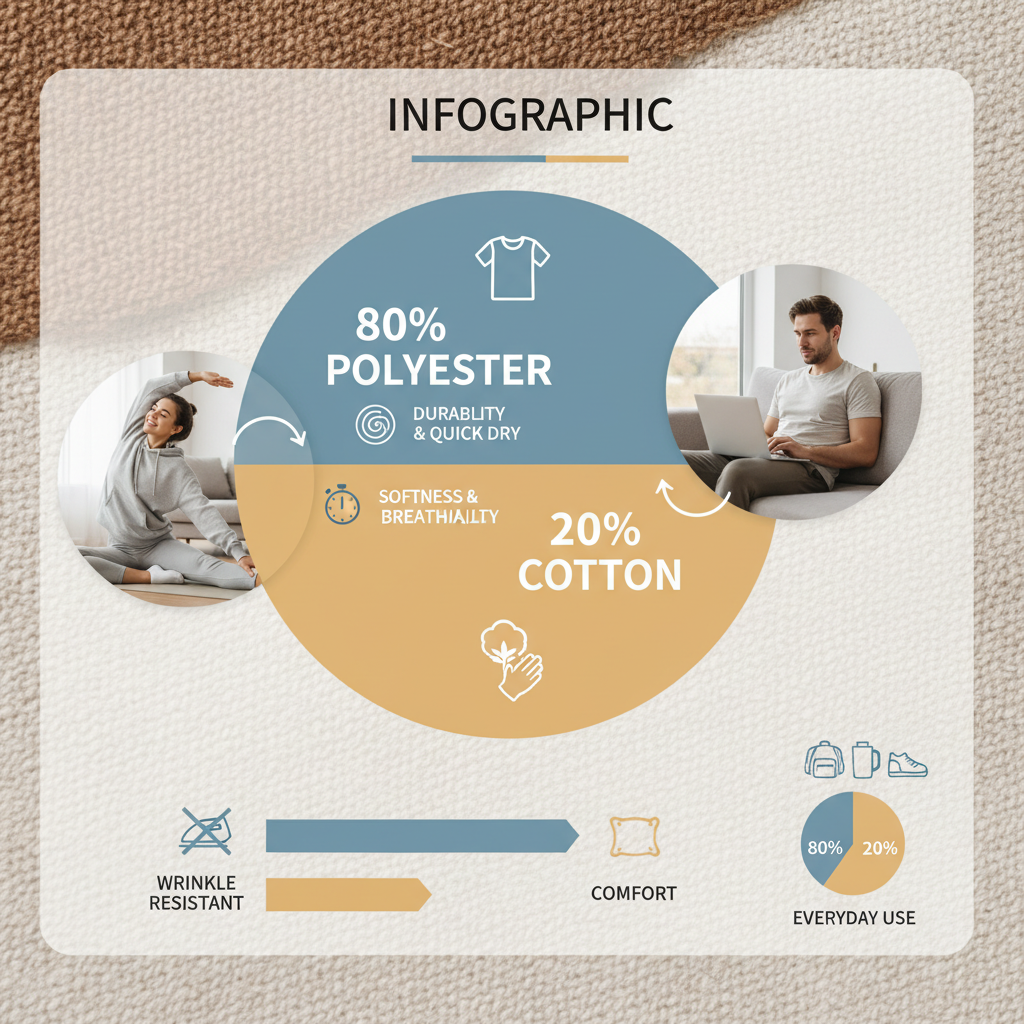
Breathability and moisture management are central to the appeal of 100 cotton batiste. The open structure of the plain weave allows for maximum airflow, which is why the fabric is globally sought after for summer collections. This natural thermoregulation is a logical advantage over polyester blends, providing a cooling effect that is essential for human comfort in humid climates.
Furthermore, the finishing process—including singeing and mercerization—plays a crucial role. Mercerization increases the luster of the 100 cotton batiste and improves its dye affinity, allowing for vibrant, long-lasting colors while maintaining the fabric's signature softness. This technical stage transforms a raw weave into a commercial-grade luxury product.
Performance Metrics of 100 Cotton Batiste
When evaluating the commercial viability of 100 cotton batiste, industry experts look at specific performance indicators including drape, opacity, and shrinkage. Because the fabric is so light, achieving a stable grain line is essential to prevent warping during the cutting and sewing stages.
The following data represents the comparative performance ratings of different processing methods used to enhance the characteristics of this fine cotton textile.
Performance Comparison of 100 Cotton Batiste Variants
Global Applications of 100 Cotton Batiste
The versatility of 100 cotton batiste extends across various high-end sectors. In the fashion world, it is the primary choice for "ethereal" designs, such as tiered summer dresses, sheer blouses, and intricate bridal veils. Its ability to hold fine pleats and gathers while remaining lightweight makes it a favorite for couture houses in Paris and Milan.
Beyond fashion, 100 cotton batiste finds critical use in the luxury bedding and home decor markets. In tropical regions, such as Southeast Asia and the Caribbean, it is used for lightweight curtains and pillowcases that allow for maximum ventilation. Additionally, its purity makes it ideal for specialized medical dressings and baby swaddles, where skin safety and breathability are non-negotiable.
Long-Term Value and Sustainability
The long-term value of investing in 100 cotton batiste lies in its biodegradable nature and timeless appeal. Unlike synthetic fabrics that shed microplastics into the ocean, pure cotton decomposes naturally, aligning with global sustainability goals. For brands, offering a 100% natural product builds trust and emotional connection with an environmentally conscious consumer base.
From a logical standpoint, the durability of high-grade batiste—when cared for correctly—outlasts cheaper, blended fabrics. The inherent strength of ELS cotton ensures that the fabric does not thin out prematurely. This reliability translates to lower waste in the long run, as garments created from this material are kept for years rather than discarded after a single season.
Moreover, the use of 100 cotton batiste promotes ethical labor practices in the cotton-growing regions. By demanding high-quality, certified cotton, manufacturers encourage the adoption of Fair Trade and Organic standards, ensuring that the social impact of production is as positive as the environmental one.
Future Innovations in 100 Cotton Batiste Production
The future of 100 cotton batiste is being reshaped by the digital transformation of textile mills. Automation and AI-driven quality control are now used to detect weaving flaws in real-time, ensuring that the ultra-fine weave of batiste is perfectly uniform. This reduces fabric waste and increases the yield of "Grade A" textiles.
Sustainability is also driving a shift toward waterless dyeing technologies. Traditional dyeing of 100 cotton batiste consumes vast amounts of water; however, new CO2-dyeing methods are being implemented to reduce the environmental footprint. These innovations allow for the same vibrant colors without the ecological cost.
Lastly, the integration of nanotechnology is providing "smart" enhancements to the fabric. We are seeing the development of nano-coatings that make 100 cotton batiste naturally stain-resistant or antimicrobial without altering its breathability or soft handle, opening new doors for its use in medical and high-performance luxury wear.
Technical Specifications and Analysis of 100 Cotton Batiste Variants
| Fabric Variant |
Breathability Score |
Tensile Strength |
Market Application |
| Organic Batiste |
10/10 |
Medium |
Eco-Luxury Wear |
| Mercerized Batiste |
8/10 |
High |
High-End Shirting |
| Bleached White Batiste |
9/10 |
Medium |
Bridal/Lingerie |
| Enzyme Washed Batiste |
9/10 |
Medium |
Casual Summer Wear |
| Industrial Batiste |
7/10 |
Very High |
Medical Linens |
| Fine-Count Batiste |
10/10 |
Low |
Couture Accents |
FAQS
While both are lightweight and plain-weave, 100 cotton batiste is typically finer and has a smoother, more polished finish than voile. Voile often has a slightly more matte appearance and is marginally heavier, whereas batiste is prized for its sheer elegance and silk-like handle.
Yes, provided it is sourced from high-quality long-staple cotton. While it is a delicate fabric, its structural integrity is surprising. For daily wear, it is best suited for tops, dresses, and linings. We recommend gentle washing or dry cleaning to maintain the fine weave over time.
Since it is a natural fiber, shrinkage can occur. To prevent this, always pre-wash the fabric before cutting. Use cold water and a mild detergent, and avoid high-heat drying. Air drying in the shade is the most effective way to preserve the dimensions of the fabric.
Due to its high breathability and lightweight nature, it is not suitable as an outer layer for winter. However, it is an excellent choice for luxury base layers or as a lining for heavier coats, providing a soft, non-irritating touch against the skin.
Absolutely. Being 100% plant-based, it is biodegradable and does not release microplastics during washing. When sourced from organic cotton, it also reduces the use of synthetic pesticides, making it a far more sustainable choice than polyester or nylon blends.
Genuine batiste should have a consistent, fine plain weave with no visible slubs. A "burn test" can confirm the material: pure cotton burns with a steady flame and smells like burning paper, leaving a fine grey ash, unlike synthetics which melt and smell like plastic.
Conclusion
In summary, 100 cotton batiste stands as a testament to the enduring value of natural fibers in an increasingly synthetic world. By combining exceptional breathability, a refined aesthetic, and a commitment to sustainability, it satisfies both the practical needs of the wearer and the ethical demands of the modern consumer. Its technical superiority, rooted in fine yarn counts and precise weaving, ensures its place in the pantheon of luxury textiles.
Looking forward, the evolution of this fabric will likely be driven by green chemistry and smart manufacturing, making it even more accessible and sustainable. For designers and manufacturers, embracing high-quality cotton batiste is not just a choice of material, but a commitment to quality and timelessness. To source the finest textiles and explore more options, visit our website: www.jiexiangtextile.com