
Guide to Premium Crepe Cotton Material for Fashion Design
Understanding Crepe Cotton Material: The Perfect Blend of Texture and Comfort
When seeking a fabric that balances breathability with a sophisticated aesthetic, crepe cotton material emerges as a premier choice for designers and manufacturers worldwide. Characterized by its signature crinkled or pebbled surface, this fabric offers a unique tactile experience and a graceful drape that standard cotton lacks. Whether it is for high-end summer dresses or breathable corporate wear, understanding the nuances of this textile is essential for achieving the right garment feel. In this guide, we will explore why this material is favored in the global textile market and how it enhances the quality of final products.

The Unique Characteristics of Crepe Cotton Material
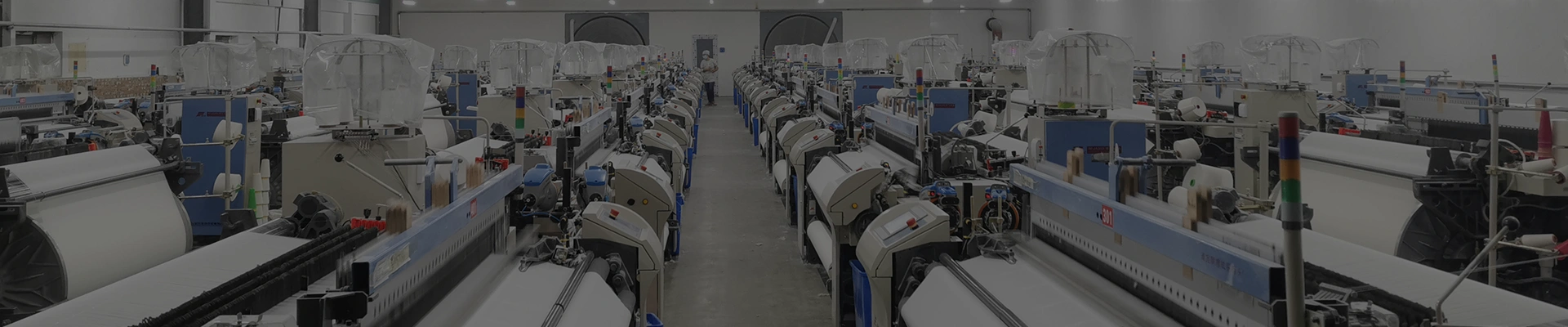
The primary appeal of crepe cotton material lies in its specialized weaving and finishing process. Unlike traditional plain weaves, the "crepe" effect is achieved by using highly twisted yarns, which shrink upon processing to create a textured surface. This result is a fabric that is exceptionally breathable, absorbent, and resistant to deep wrinkling. Because it is primarily composed of natural cotton fibers, it remains gentle on the skin, making it an ideal selection for hypoallergenic clothing and sustainable fashion lines.
Expert Insight: The high-twist yarn not only creates the visual texture but also gives the fabric a slight "spring," allowing the garment to recover its shape more effectively than standard cotton voile or poplin.
Comparing Crepe Cotton Material with Other Textiles
To truly appreciate the value of crepe cotton material, it is helpful to see how it performs against other common fabrics. While silk crepe offers a higher luster, cotton crepe provides superior durability and ease of maintenance. Compared to polyester crepe, the cotton variant is significantly more breathable, preventing the "stuffy" feeling often associated with synthetic blends in hot climates. This makes it the gold standard for transitional seasonal wardrobes.
Practical Applications of Crepe Cotton Material
The versatility of crepe cotton material makes it a staple in several fashion categories. In womenswear, it is frequently used for bohemian-style maxi dresses, blouses, and flowing skirts where a natural, effortless look is desired. In menswear, it is often applied to lightweight summer suits and casual shirts that require a sophisticated touch without the stiffness of heavy canvas. Furthermore, its absorbent nature makes it an excellent choice for high-end loungewear and eco-friendly home linens.

Technical Specifications of Premium Crepe Cotton
For procurement managers and garment technicians, the technical data of crepe cotton material is vital for ensuring quality control. The weight of the fabric, measured in GSM (Grams per Square Meter), determines its transparency and drape. A lower GSM is ideal for summer linings, while a higher GSM is suited for structured outerwear. Below are the standard specifications usually found in premium grade textile production:
How to Care for Your Crepe Cotton Garments
To maintain the integrity and texture of crepe cotton material, specific care is required. Because the "crepe" effect is part of the fabric's structure, aggressive ironing can flatten the texture, removing the very characteristic that makes the fabric desirable. We recommend washing in cold water on a gentle cycle and air-drying. If ironing is necessary, use a low heat setting and a steamer to gently relax deep creases without crushing the pebbled surface.
Care Quick Tips:
• Use a mesh laundry bag for machine washing
• Avoid bleach to preserve natural cotton fibers
• Steam instead of press-ironing
• Store on padded hangers to prevent stretching
Sustainability and the Future of Cotton Crepe
In an era of "fast fashion," the shift toward sustainable materials has revitalized interest in crepe cotton material. Being a biodegradable natural fiber, it offers a far lower environmental footprint than synthetic polyesters. Many manufacturers are now integrating organic cotton sourcing and eco-friendly dyeing processes to ensure that the production of crepe fabrics meets modern ESG (Environmental, Social, and Governance) standards, making it a favorite for ethical fashion brands.
Conclusion: Elevating Design with Crepe Cotton
Choosing the right fabric is the foundation of any successful garment. The crepe cotton material provides an unmatched combination of natural comfort, structural elegance, and breathable performance. By leveraging its unique texture and sustainable properties, designers can create pieces that are not only visually stunning but also comfortable for the end-user. For those seeking premium quality textiles, investing in authentic cotton crepe is a strategic move toward timeless fashion.
Frequently Asked Questions (FAQs)
Does crepe cotton material shrink after the first wash?
Like most natural cotton fabrics, crepe cotton has a tendency to shrink slightly during the first few washes, especially if exposed to high temperatures. This is due to the tension released from the high-twist yarns used during the weaving process. To minimize shrinkage, it is highly recommended to wash the material in cold water and avoid the tumble dryer. Pre-shrinking the fabric during the manufacturing phase is a common practice for high-end textiles to ensure the final garment maintains its size.
Is crepe cotton suitable for all seasons?
While crepe cotton is most famous for its performance in spring and summer due to its breathability and moisture-wicking properties, it can be adapted for other seasons. Lightweight versions are perfect for hot weather, while heavier GSM weights can be used for autumn layering. However, it is generally not suitable as a primary fabric for extreme winter wear unless paired with insulating linings. Its versatility makes it a "trans-seasonal" favorite for many wardrobes.
How can I tell the difference between cotton crepe and polyester crepe?
The easiest way to distinguish them is through touch and breathability. Cotton crepe feels cooler to the touch and has a more matte, natural appearance. Polyester crepe often has a slight synthetic sheen and can feel "slippery" or "plastic-like" when held against the skin. Additionally, a "burn test" is a professional method: cotton will smell like burning paper and leave a fine grey ash, whereas polyester will melt, smell like sweet chemicals, and leave a hard plastic bead. You can source authentic cotton crepe material through certified suppliers to ensure purity.
Is crepe cotton difficult to sew?
Crepe cotton can be slightly more challenging to sew than plain cotton because the textured surface can cause the fabric to "shift" or slide under the presser foot. To manage this, professional sewists recommend using a fine needle (size 70/10 or 80/12) and a walking foot to ensure even feeding. It is also important to use a slight amount of tension in the stitching to prevent the seams from puckering. Once mastered, the fabric's drape makes the final construction look incredibly high-end and professional.
-
The Ultimate Guide to Premium 100 soft cotton fabric TextilesNewsJul.01,2026
-
Premium 100 quilting cotton for Professional Textile ExcellenceNewsJun.29,2026
-
Premium 100 pure cotton fabric for Quality Comfort and VersatilityNewsJun.27,2026
-
Ultimate Guide to 100 premium cotton fabric for Modern TextilesNewsJun.26,2026
-
Premium 100 plain cotton fabric for Modern Textile DesignNewsJun.25,2026
-
Best Guide to Choosing Green and Brown Fabric for Modern InteriorsNewsJun.23,2026
-
Professional Guide to Choosing the Best Fabric for Medical UniformsNewsJun.21,2026