
Premium 100 plain cotton fabric for Modern Textile Design
The Ultimate Guide to 100 Plain Cotton Fabric for Modern Textiles
In the ever-evolving world of textile manufacturing, the demand for natural, breathable, and sustainable materials remains unmatched. The 100 plain cotton fabric stands as a timeless cornerstone for designers and manufacturers globally. Known for its purity and versatility, this fabric provides an ideal canvas for a vast array of applications, from high-end apparel to durable home linens. By prioritizing natural fibers, brands can offer products that not only feel superior against the skin but also align with the growing consumer preference for eco-friendly materials. In this comprehensive guide, we explore the technical advantages and diverse applications of this essential textile.

Core Characteristics of 100 Plain Cotton Fabric
The defining characteristic of 100 plain cotton fabric is its simple yet effective weave structure. The plain weave is the most basic type of textile weave, where the weft thread passes over and under the warp thread in a consistent alternating pattern. This creates a balanced, durable surface that is highly resistant to wear and tear. Because it consists of pure cotton fibers, it is naturally hypoallergenic and possesses excellent moisture-wicking properties, making it the preferred choice for sensitive skin and warm climates. Its inherent softness is complemented by a strength that allows it to withstand repeated laundering without losing its structural integrity.
Material Highlight: Pure cotton fibers ensure maximum breathability and a natural feel, while the plain weave provides a clean, smooth aesthetic suitable for both industrial and luxury use.
Why Choose 100 Plain Cotton Fabric Over Synthetics?
When comparing natural cotton to synthetic alternatives like polyester or nylon, the differences in comfort and health are stark. Pure cotton allows air to circulate freely, preventing heat buildup and reducing the risk of skin irritation. While synthetics may offer faster drying times, they often trap odors and lack the organic touch of natural fibers. The 100 plain cotton fabric is also significantly easier to dye and print, allowing for vibrant colors and intricate designs that blend seamlessly into the fiber. This makes it an indispensable asset for the fashion industry, where quality and skin-friendliness are non-negotiable.
Industrial Applications of 100 Plain Cotton Fabric
The versatility of 100 plain cotton fabric allows it to cross multiple industry boundaries. In the apparel sector, it is the gold standard for T-shirts, undergarments, and casual summer dresses. Beyond fashion, the medical industry relies on plain cotton for gauze, bandages, and surgical gowns due to its sterility and absorption. In home textiles, it is widely used for high-quality bed sheets, towels, and tablecloths. The fabric's ability to be plain-dyed or embroidered makes it an ideal choice for bespoke tailoring and artisanal crafts, ensuring a professional finish every time.

Manufacturing Process: From Raw Cotton to Finished Fabric
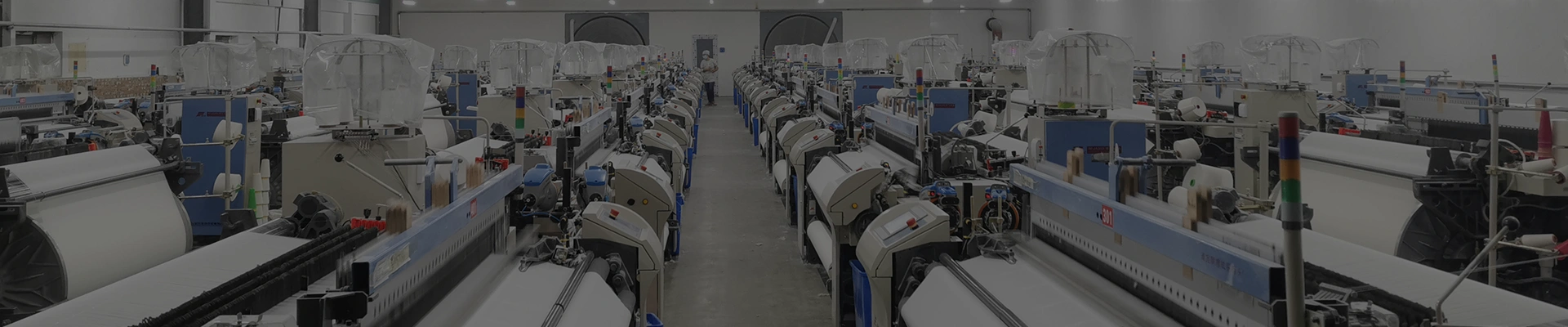
Producing a premium 100 plain cotton fabric involves a meticulous series of steps. It begins with the selection of high-quality raw cotton fibers, which are then cleaned and carded to align the fibers. During the spinning process, these fibers are twisted into strong yarns. The weaving phase employs advanced looms to create the consistent plain weave pattern. Finally, the fabric undergoes finishing processes, such as scouring and bleaching, to ensure a clean, smooth surface. Advanced dyeing techniques are used to achieve bright, fade-resistant colors, ensuring the fabric remains visually appealing even after multiple washes.
Technical Specifications for 100 Plain Cotton Fabric
For procurement managers and designers, understanding the technical specifications is key to ensuring the right match for their product. The density of the weave, known as thread count, directly impacts the opacity and durability of the fabric. A higher thread count typically results in a smoother, more luxurious feel, while a lower count offers more breathability. Our 100 plain cotton fabric is engineered to maintain a balance between strength and softness, adhering to international quality standards for textile production.
Conclusion: Elevating Quality with Pure Cotton
Selecting the right material is the foundation of any successful textile product. The 100 plain cotton fabric offers an unmatched combination of comfort, durability, and environmental sustainability. Whether you are designing luxury home goods or breathable everyday wear, this fabric ensures a premium experience for the end consumer. By partnering with experts in cotton spinning and finishing, you can ensure that your products meet the highest standards of quality and performance. Choose purity, choose comfort, and choose the timeless reliability of plain cotton.
Frequently Asked Questions (FAQs)
Is 100 plain cotton fabric suitable for all seasons?
Yes, 100 plain cotton fabric is incredibly versatile. In the summer, its high breathability and moisture-wicking properties keep the wearer cool and dry. In the winter, it acts as an excellent base layer that retains a moderate amount of warmth while preventing overheating. Its ability to adapt to different temperatures makes it a year-round staple for clothing and home textiles, ensuring comfort regardless of the climate.
How do I maintain the quality of plain cotton fabric?
To preserve the softness and color of your 100 plain cotton fabric, it is recommended to wash it in cold or lukewarm water with a mild detergent. Avoid using bleach, as it can weaken the fibers and cause discoloration. For drying, air drying in the shade is ideal to prevent shrinkage and fading. If using a dryer, a low-heat setting is advised to maintain the fabric's structural integrity and handfeel.
Can this fabric be used for high-density industrial applications?
While the "plain" weave is known for its simplicity, the strength of the fabric depends on the yarn density and the quality of the cotton used. High-density plain cotton is very durable and can be used for heavy-duty canvas bags, workwear, and upholstery. For specific industrial needs, we can adjust the thread count and apply specialized finishes to increase tear resistance and durability, ensuring the fabric meets the rigorous demands of industrial environments.
Is 100 plain cotton fabric eco-friendly?
Absolutely. Unlike synthetic fibers derived from petroleum, cotton is a natural, plant-based fiber that is fully biodegradable. This significantly reduces the environmental footprint and prevents the release of microplastics into the ocean during washing. By choosing pure cotton, manufacturers support a more sustainable textile cycle. For further information on sustainable sourcing and production, you can visit the Jiexiang Textile website.
-
The Ultimate Guide to Premium 100 soft cotton fabric TextilesNewsJul.01,2026
-
Premium 100 quilting cotton for Professional Textile ExcellenceNewsJun.29,2026
-
Premium 100 pure cotton fabric for Quality Comfort and VersatilityNewsJun.27,2026
-
Ultimate Guide to 100 premium cotton fabric for Modern TextilesNewsJun.26,2026
-
Best Guide to Choosing Green and Brown Fabric for Modern InteriorsNewsJun.23,2026
-
Professional Guide to Choosing the Best Fabric for Medical UniformsNewsJun.21,2026
-
Guide to Premium Crepe Cotton Material for Fashion DesignNewsJun.20,2026