
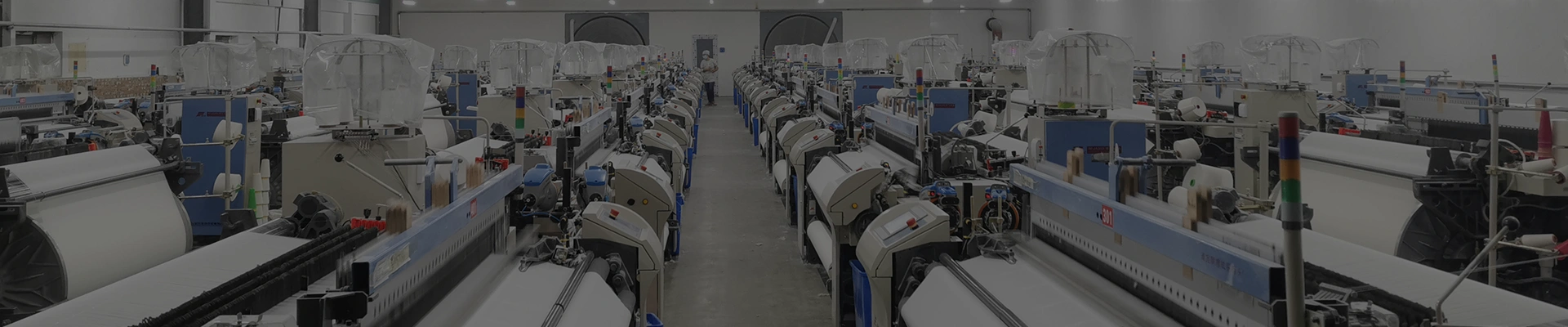
Premium 100 quilting cotton for Professional Textile Excellence
The Ultimate Guide to Premium 100 Quilting Cotton for Textile Excellence
When it comes to high-quality craftsmanship in the textile industry, finding the perfect balance of durability and softness is key. 100 quilting cotton stands as the gold standard for artisans and manufacturers alike, offering a stable weave that is essential for intricate stitching and long-term wear. Whether you are producing home linens or specialized industrial textiles, the purity of the fiber ensures a breathable and hypoallergenic finish. In this comprehensive guide, we will explore the technical advantages, customization options, and industrial applications of this versatile fabric to help you make an informed procurement decision for your next project.

Unmatched Quality of Professional 100 Quilting Cotton
The hallmark of a true 100 quilting cotton fabric is its tight, consistent weave. Unlike blended fabrics, pure cotton provides a natural matte finish and superior absorbency, making it the ideal choice for quilting layers. Its inherent stability prevents stretching or warping during the sewing process, ensuring that patterns remain precise and aligned. For industrial applications, this means less waste and higher efficiency during the cutting and stitching phases. By utilizing high-grade long-staple cotton, manufacturers can achieve a smooth surface that resists pilling and maintains its structural integrity even after multiple washes.
Industry Insight: Pure cotton fabrics are preferred in the textile industry for their hypoallergenic properties and high thermal regulation, making them suitable for global export markets including North America and Europe.
Technical Specifications of 100 Quilting Cotton
To ensure the highest quality in textile production, it is crucial to understand the technical parameters of the fabric. The weight (GSM) and thread count directly impact the hand-feel and durability of the final product. Our 100 quilting cotton is engineered to meet rigorous industrial standards, offering a consistent width and density. Below is a detailed specification table commonly used for procurement and quality control in the textile industry.
Comparing 100 Quilting Cotton with Synthetic Blends
In the competitive landscape of the textile industry, manufacturers often choose between pure natural fibers and synthetic alternatives. While polyester blends may offer lower costs, 100 quilting cotton provides unmatched breathability and skin-friendliness. For high-end home textiles and medical-grade fabrics, the natural purity of cotton is non-negotiable. Synthetic fabrics often trap heat and may cause skin irritation, whereas pure cotton regulates temperature and allows air to circulate freely, which is essential for bedding and clothing.
Why Choose 100% Cotton Over Blends?
• Breathability: Natural fibers allow moisture to evaporate quickly.
• Sustainability: Biodegradable and more environmentally friendly than polyester.
• Dye Absorption: Pure cotton accepts dyes more uniformly for vivid colors.
• Skin Comfort: Hypoallergenic and soft, ideal for sensitive skin.
Customization and Functional Enhancements for 100 Quilting Cotton
Modern textile manufacturing allows for a wide array of functional finishes to be applied to 100 quilting cotton. Depending on the end-use, fabrics can be treated to be quick-drying, moisture-wicking, or even anti-microbial. For sports-related quilting or specialized apparel, adding a cooling effect or UPF50+ protection can significantly increase the product's market value. We offer customizable patterns, structures, and weights to ensure that the fabric perfectly matches the design requirements of the client, from delicate feminine wear to heavy-duty home furnishings.

Industrial Applications: Where 100 Quilting Cotton Excels
The versatility of 100 quilting cotton makes it indispensable across various sectors. In the home decor industry, it is the primary choice for quilts, bedspreads, and high-end upholstery. In the fashion industry, it is utilized for structured garments, linings, and accessories that require a crisp, clean look. Additionally, its durability makes it suitable for a range of industrial textiles where wear-resistance and breathability are required. From artisanal craft shops to large-scale garment factories, the reliability of pure cotton ensures consistent quality across every yard of fabric.
Quality Control and Finishing Processes
Achieving the perfect 100 quilting cotton requires a meticulous finishing process. This includes mercerization to enhance luster and dye affinity, and precise heat-setting to prevent future shrinkage. Every roll of fabric undergoes strict quality inspections to ensure there are no weaving defects or color variations. By maintaining a controlled environment during the dyeing and finishing stages, we guarantee that the fabric remains wear-resistant and resistant to wrinkles, providing a professional finish that meets international export standards for the global textile market.
Conclusion: Elevating Your Textiles with 100 Quilting Cotton
Choosing the right material is the foundation of any successful textile product. 100 quilting cotton offers an unparalleled combination of natural comfort, industrial strength, and aesthetic versatility. Whether you are looking for standard specifications or highly customized functional fabrics, investing in high-purity cotton ensures longevity and customer satisfaction. Partner with a manufacturer that understands the intricacies of cotton processing to bring your creative visions to life with precision and quality.
Frequently Asked Questions (FAQs)
What makes 100 quilting cotton different from regular cotton fabric?
100 quilting cotton is specifically woven to be more stable and denser than standard cotton. This stability is crucial for quilting because it prevents the fabric from shifting or stretching when you sew multiple layers together (the top, batting, and backing). Regular cotton may have a looser weave which can lead to puckering or misalignment during the quilting process. By utilizing a tighter weave and pre-shrinking the material, quilting cotton ensures a professional, flat finish that lasts for years.
Can I customize the weight and function of the cotton fabric?
Yes, we offer extensive customization options for our 100 quilting cotton. Clients can specify the desired GSM (grams per square meter) to achieve either a lightweight, breathable feel or a heavier, more durable structure. Furthermore, we can apply various functional treatments such as moisture-wicking, anti-microbial, or UPF50+ sun protection. This allows the fabric to be adapted for diverse uses, from high-end bedding to specialized sports apparel and industrial linens.
How do I ensure the fabric won't shrink after the first wash?
To prevent shrinkage, we recommend choosing our pre-shrunk 100 quilting cotton. Pre-shrinking is a process where the fabric is subjected to heat and moisture during manufacturing to remove the initial tension of the fibers. This ensures that the dimensions of your finished product remain stable after laundering. For those producing luxury goods, this step is essential to maintain the quality and fit of the garment or textile item over time.
Is pure cotton fabric environmentally sustainable?
Pure cotton is a natural, biodegradable fiber, making it a significantly more sustainable choice than synthetic fabrics like polyester or nylon, which are petroleum-based and take hundreds of years to decompose. By sourcing high-quality cotton and utilizing efficient dyeing processes, we reduce the environmental footprint of textile production. Many of our clients prefer pure cotton not only for its tactile properties but also to meet the growing consumer demand for eco-friendly and sustainable products in the global market.
-
The Ultimate Guide to Premium 100 soft cotton fabric TextilesNewsJul.01,2026
-
Premium 100 pure cotton fabric for Quality Comfort and VersatilityNewsJun.27,2026
-
Ultimate Guide to 100 premium cotton fabric for Modern TextilesNewsJun.26,2026
-
Premium 100 plain cotton fabric for Modern Textile DesignNewsJun.25,2026
-
Best Guide to Choosing Green and Brown Fabric for Modern InteriorsNewsJun.23,2026
-
Professional Guide to Choosing the Best Fabric for Medical UniformsNewsJun.21,2026
-
Guide to Premium Crepe Cotton Material for Fashion DesignNewsJun.20,2026