

Premium White Cotton Fabric Wholesale Guide for Businesses
The Ultimate Guide to White Cotton Fabric Wholesale for Businesses
For garment manufacturers, home textile brands, and industrial suppliers, finding a reliable source for white cotton fabric wholesale is the cornerstone of product quality. White cotton is the most versatile textile in the industry, serving as the primary canvas for everything from high-end luxury linens to medical scrubs and basic t-shirts. However, not all white cotton is created equal. The difference between a premium finish and a coarse texture lies in the yarn quality, weaving technique, and finishing process. In this comprehensive guide, we will explore how to choose the right wholesale partners and the technical specifications you need to consider to ensure your final products stand out in a competitive market.
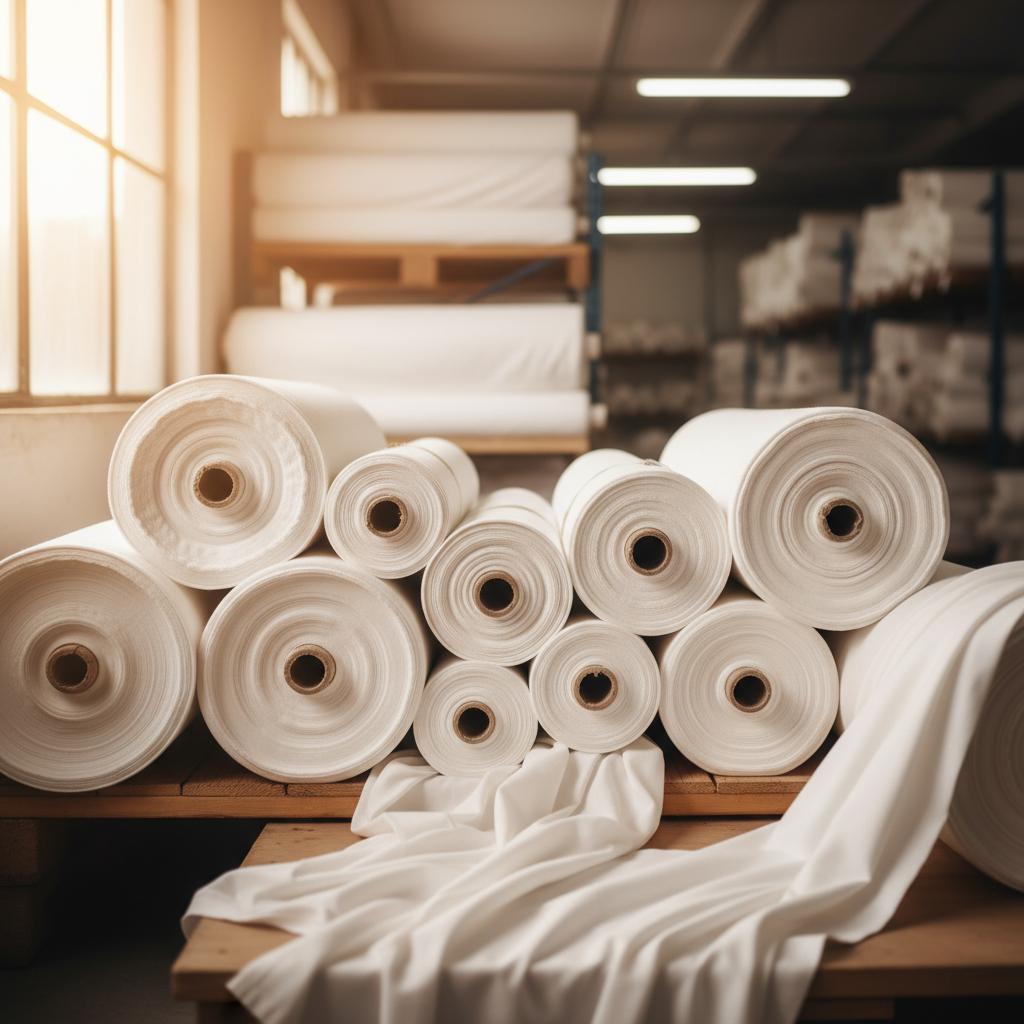
Why Source White Cotton Fabric Wholesale for Your Brand?
Buying in bulk is not just about reducing the cost per yard; it is about consistency and scalability. When you engage in white cotton fabric wholesale, you ensure that every batch of material has the same shade of white, weight, and shrinkage rate. This is critical for brands that produce large collections where color uniformity is non-negotiable. Furthermore, white cotton provides the ideal base for dyeing and printing, allowing businesses to pivot their designs quickly based on market trends. By securing a steady wholesale supply, companies can avoid the volatility of retail pricing and production delays, ensuring a seamless supply chain from raw material to the end consumer.
Comparing Types of White Cotton Fabric
Depending on your end product, you may require different weaves. From the crisp feel of Poplin to the soft breathability of Jersey, choosing the right structure is essential. Many buyers often confuse different cotton grades, but understanding the distinction between combed and carded cotton can significantly impact the "hand-feel" of your garment. For those seeking white cotton fabric wholesale, it is important to weigh the pros and cons of different textile constructions to maximize value and quality.
Quality Control in White Cotton Fabric Wholesale
When sourcing white cotton fabric wholesale, the most critical factor is the optical purity and structural integrity. Because white shows imperfections more than any other color, you must check for "slubs" (irregular lumps in the yarn) and consistent bleaching. High-quality suppliers use advanced scouring and bleaching processes to remove natural impurities without damaging the cotton fibers. This ensures that the fabric doesn't yellow over time and maintains its softness after multiple washes. Always request a sample swatch to test for shrinkage and pilling before placing a bulk order to protect your investment.
Quality Checklist: Focus on GSM (Grams per Square Meter), Thread Count, Color Fastness, and Certification (such as OEKO-TEX) to ensure the fabric is safe and durable.
Technical Specifications for Bulk Ordering
To communicate effectively with a white cotton fabric wholesale supplier, you need to provide precise technical specifications. Using vague terms like "thick" or "soft" can lead to costly errors. Instead, use industry-standard metrics such as GSM for weight and "S" or "Z" twist for yarn. Below is a detailed specification table that demonstrates how professional procurement is handled in the textile industry to ensure the delivered product matches the vision.
Sustainable Sourcing in White Cotton Fabric Wholesale
Modern consumers are increasingly demanding eco-friendly textiles. For businesses focusing on white cotton fabric wholesale, shifting toward organic cotton or BCI (Better Cotton Initiative) certified materials is no longer optional—it's a competitive advantage. Organic white cotton is grown without synthetic pesticides, reducing the chemical footprint of the garment. Additionally, look for suppliers that use "closed-loop" bleaching processes to minimize water pollution. Sustainable sourcing not only protects the planet but also allows your brand to market a "clean" and "ethical" product, which often justifies a higher retail price point.
Logistics and Supply Chain Management for Textiles
The final hurdle in white cotton fabric wholesale is logistics. White fabric is highly susceptible to stains and dust during transit. A professional supplier will use multi-layered waterproof packaging and vacuum sealing to prevent contamination. When managing your inventory, ensure you have a climate-controlled storage area to prevent humidity from causing mildew on the cotton fibers. By optimizing the path from the factory to your warehouse, you minimize waste and ensure that the fabric arrives in pristine condition, ready for the production line.
Conclusion: Elevating Your Products with Premium White Cotton
Choosing a partner for white cotton fabric wholesale is a strategic decision that impacts every aspect of your brand—from the cost of goods sold to the satisfaction of your final customer. By focusing on technical specifications, quality control, and sustainable practices, you can ensure a consistent supply of high-quality material. Whether you are producing minimalist apparel or luxury home textiles, the right white cotton provides the perfect foundation for excellence. Invest in quality, prioritize transparency with your suppliers, and watch your product line thrive.
Frequently Asked Questions (FAQs)
What is the minimum order quantity (MOQ) for white cotton fabric wholesale?
MOQs vary significantly depending on the supplier and the specific type of fabric. For standard, in-stock white cotton, some wholesalers may allow orders as low as 100 to 500 meters. However, if you require a custom weight (GSM) or a specific weave, the MOQ usually increases to 1,000 meters or more to cover the machine setup costs. It is always recommended to discuss your growth projections with your supplier, as many are willing to offer lower MOQs to emerging brands in exchange for long-term partnership agreements.
How can I tell if the white cotton is 100% pure or a blend?
The most reliable way to verify fabric composition is through a "burn test" or a laboratory analysis report. 100% cotton will burn slowly, smell like burning paper, and leave a fine gray ash. Blends containing polyester will melt, smell like chemicals/plastic, and leave a hard plastic bead. When sourcing white cotton fabric wholesale, always request a Certificate of Analysis (COA) or a composition guarantee from the manufacturer to ensure you are receiving the material you paid for.
What is the difference between "Optical White" and "Natural White"?
Optical White is achieved through the use of fluorescent whitening agents (FWAs) that reflect blue light, making the fabric appear a bright, "stark" white. This is the standard for most commercial clothing and bedding. Natural White (or Off-White) is cotton that has been scoured but not chemically bleached to a bright white, resulting in a creamier, softer tone. Natural white is often preferred for organic lines or vintage-style apparel as it is more environmentally friendly and has a softer visual appeal.
How should I store bulk white cotton to prevent yellowing?
White cotton is sensitive to UV light and humidity. To prevent yellowing, store your wholesale rolls in a cool, dry, and dark environment. Avoid using clear plastic wraps that can trap moisture and cause "gas fading" or mildew. Using breathable, opaque fabric covers or heavy-duty poly-bags is recommended. Additionally, ensure the rolls are stored on racks rather than directly on concrete floors to prevent moisture wicking from the ground, which can lead to permanent staining on the bottom edges of the fabric.
-
Guide to Finding the Best Premium cotton suit material onlineNewsApr.16,2026
-
Discover Premium Cotton Curtain Fabric Online for Beautiful HomesNewsApr.07,2026
-
Understanding Uniform Type of Fabric for Global Trade and Quality AssuranceNewsMar.31,2026
-
Comprehensive Guide to Different Types of Tela for Uniform SelectionNewsMar.28,2026
-
Comprehensive Guide to Selecting the Best Types of Fabric for UniformNewsMar.26,2026
-
Comprehensive Guide to Selecting the Best Types of Fabric for Office UniformNewsMar.24,2026
-
Choosing the Right Type of Fabric for Uniforms A Comprehensive GuideNewsMar.21,2026