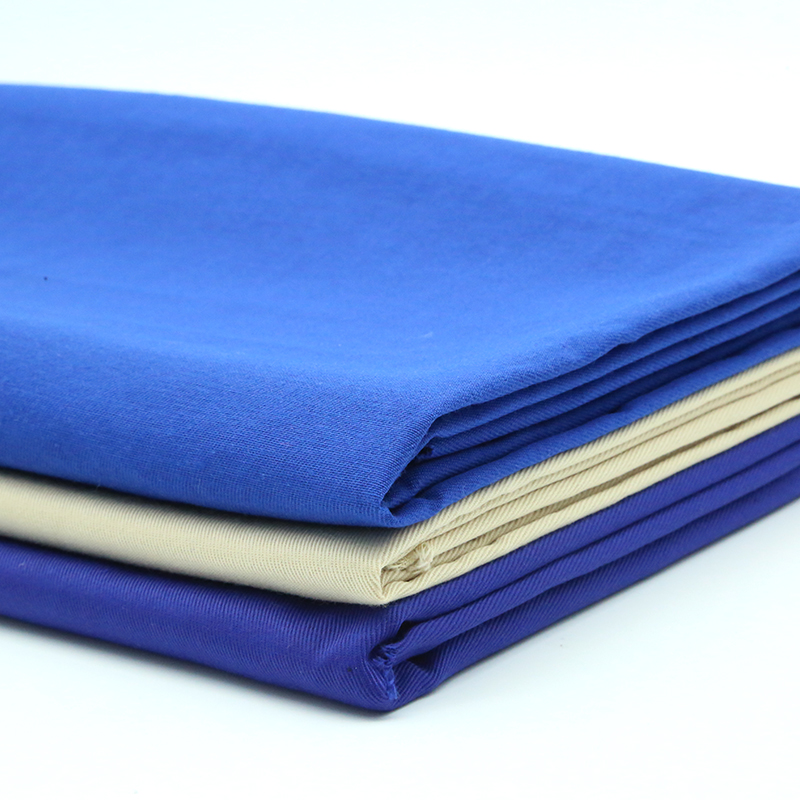
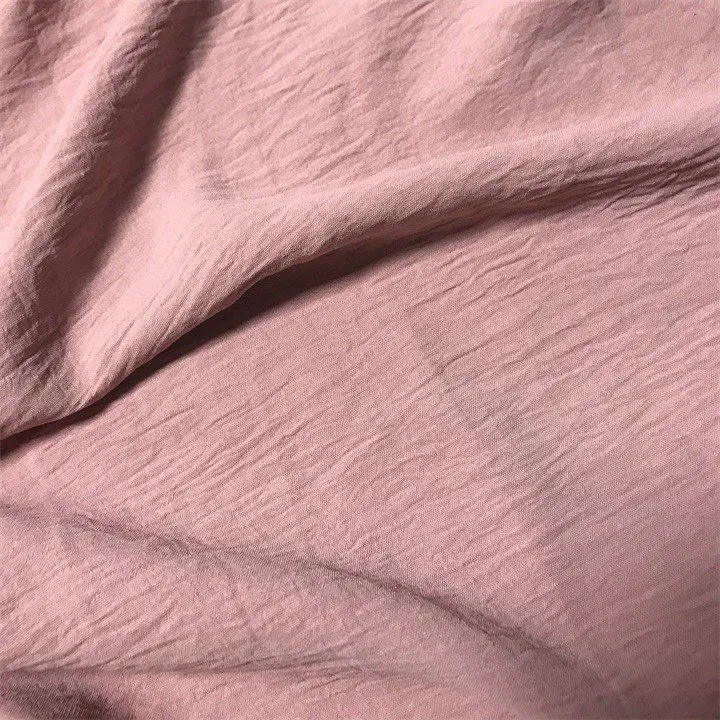
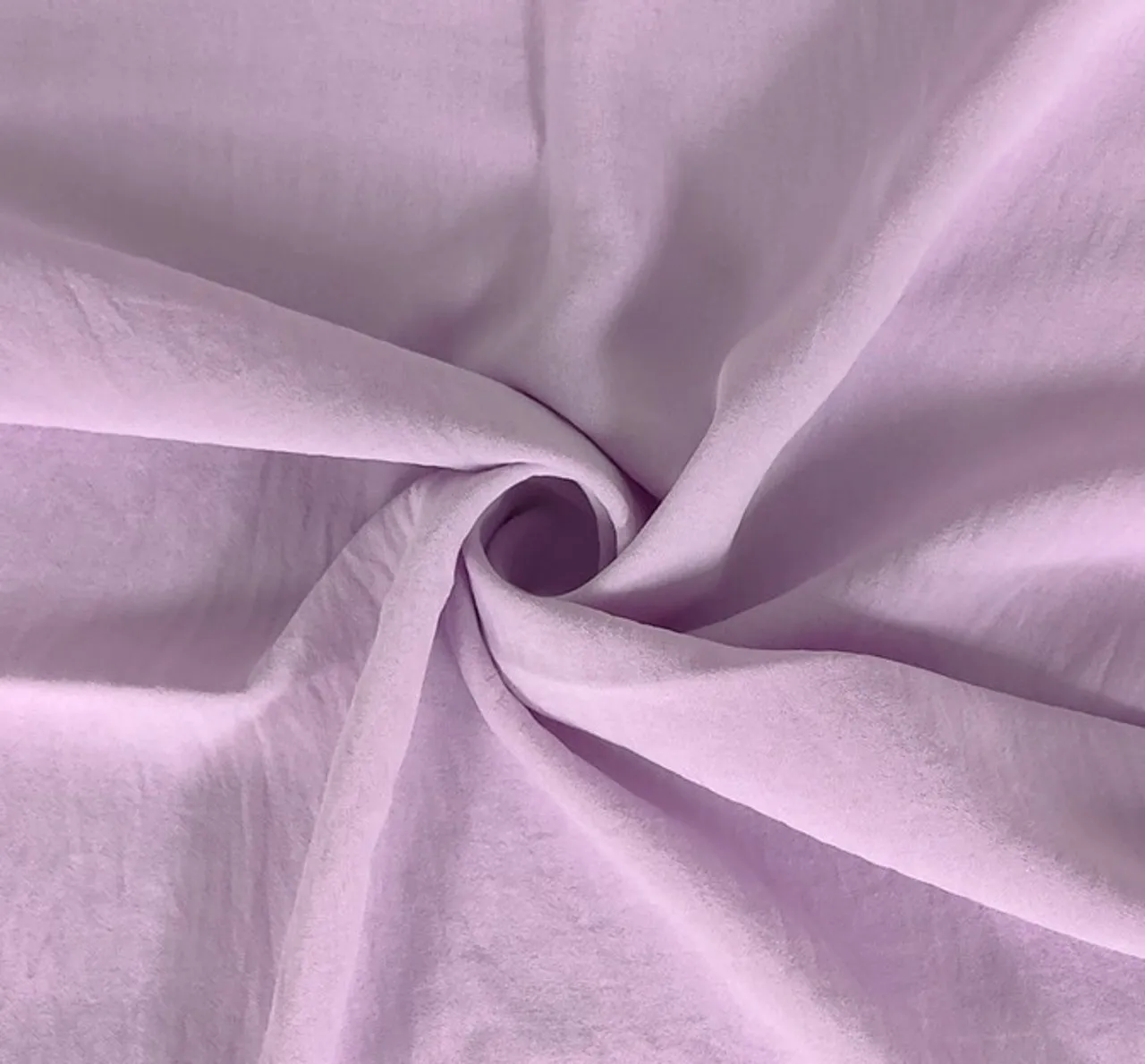
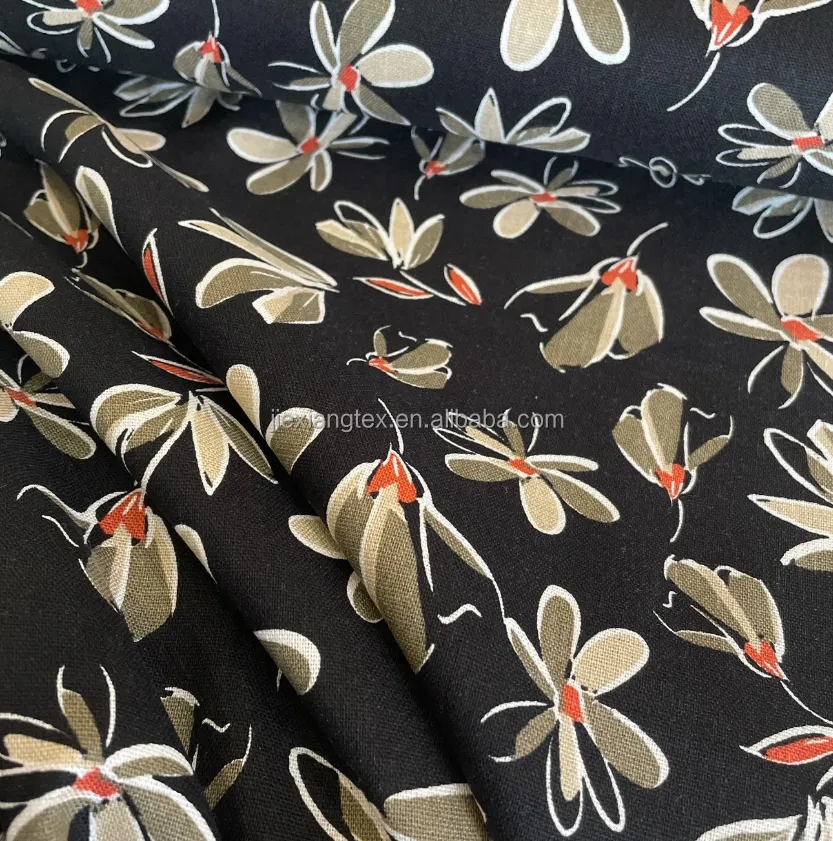
Premium cotton spandex Solutions for Egypt's Textile Market

Integrating high-performance yarn processing and finishing technologies to empower Egypt's garment manufacturing industry with durable, breathable, and flexible fabrics.

Current State of Textile Manufacturing in Egypt

Analyzing the synergy between Egypt's long-staple cotton heritage and modern synthetic blends.

Egypt's textile industry is currently undergoing a significant transition, leveraging its world-renowned Giza cotton to move from raw material export to high-value finished goods. The demand for plain shirt fabric has remained steady, but there is a growing shift toward functional fabrics that can withstand the arid climate and intense UV exposure characteristic of the North African region.

With the rise of industrialization in zones like the Suez Canal Economic Zone, there is an increasing requirement for specialized plaid uniform material. Local factories are struggling to balance traditional weaving methods with the need for modern, crease-resistant finishes, creating a gap for advanced finishing technologies in the dyeing and finishing stage.

Furthermore, the youth-driven fashion market in Cairo and Alexandria is driving a surge in demand for stretch spandex fabric. The market is evolving from simple cotton basics to sophisticated blends that offer better shape retention and comfort, necessitating a more precise approach to spandex core-spinning and heat-setting processes.
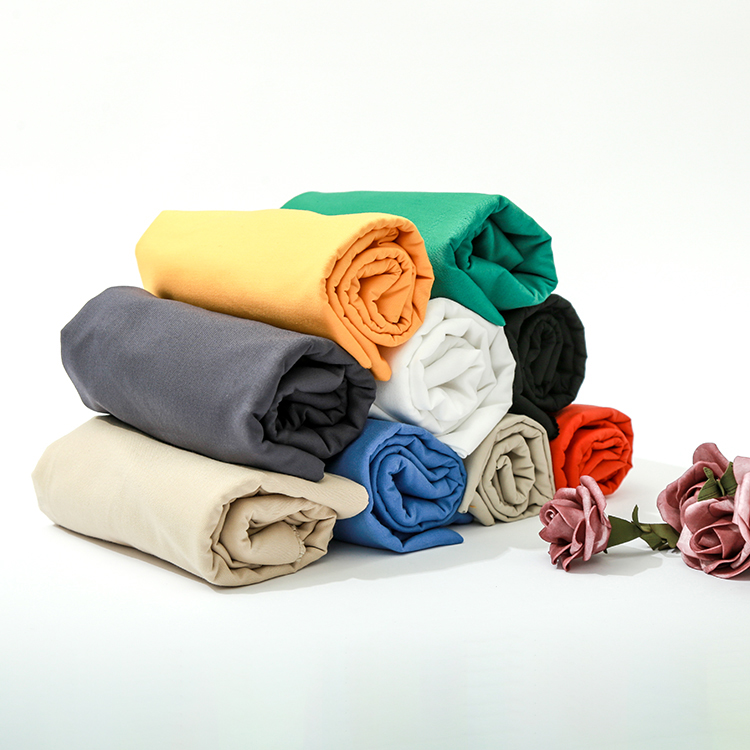
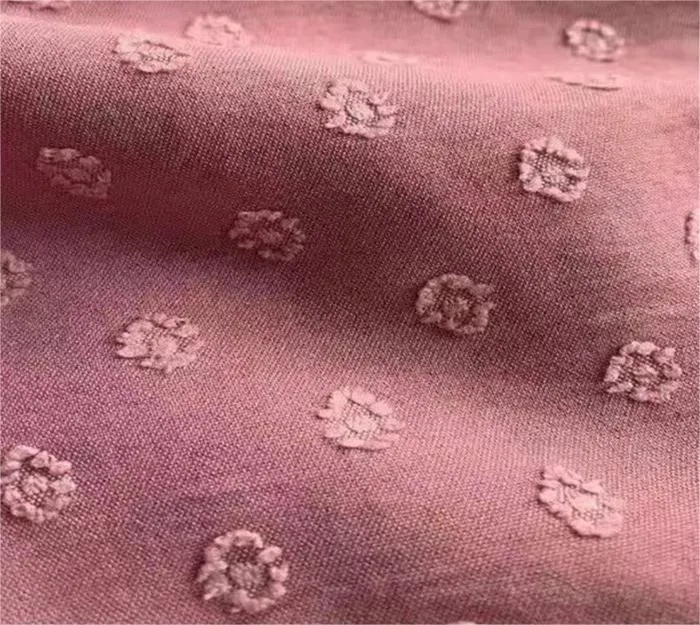
Evolution and Technological Trajectory of Egyptian Fabrics

From traditional looms to AI-driven precision dyeing and spinning.

Market Development History

From 1950 to 1990, the Egyptian market focused almost exclusively on pure cotton textiles, dominating the global high-end bedding and shirt sectors. The infrastructure was built around traditional ring spinning, producing high-quality but rigid fabrics.

Between 1990 and 2010, the introduction of synthetic blends began to change the landscape. The industry started integrating polyester and elastane, leading to the first widespread use of polyester wax fabric for industrial applications and heavy-duty workwear, improving durability and water resistance.

Since 2010, the focus has shifted toward "Smart Finishing." The integration of digital printing and low-water dyeing technologies has allowed for more complex patterns and a faster turnaround for fashion-forward materials, optimizing the energy-intensive process of cotton-synthetic blending.

Future Development Trends

Bio-Synthetic Integration

The next 3 years will see a rise in recycled polyester blended with organic Egyptian cotton to meet EU sustainability regulations, focusing on circular economy principles.

Precision Elasticity Control

Advanced heat-setting technology will allow for variable stretch zones in a single piece of fabric, enhancing the performance of sports and medical wear.

Waterless Dyeing Adoption

Due to water scarcity in Egypt, the industry will pivot toward supercritical CO2 dyeing, reducing chemical runoff and water consumption by up to 90%.

Industry Trends and Future Outlook

Navigating the shift toward functional textiles and sustainable manufacturing.

Eco-Friendly Dyeing
Transitioning to organic pigments and water-saving finishing processes to comply with international green certifications.
Hybrid Yarn Tech
Combining Giza cotton with advanced polymers to create fabrics that are both breathable and highly durable.
Smart-Fit Apparel
Increased adoption of high-stretch fabrics for the growing athletic and leisurewear markets in urban Egypt.
Digital Supply Chain
Implementing blockchain for traceability from cotton field to the final dyed fabric roll.

Industry Outlook

The future of Egyptian textile manufacturing lies in the ability to pivot from commodity fabrics to specialty high-performance materials. By integrating precision spinning and advanced finishing, Egypt can capture a larger share of the global "athleisure" and "technical workwear" markets.

We anticipate a surge in demand for fabrics that combine the luxury of Egyptian cotton with the technical properties of synthetic fibers, ensuring that garments are not only aesthetically pleasing but also functional for extreme weather conditions.

Localized Application Scenarios in Egypt

Practical implementations of our textile solutions across various Egyptian sectors.

1. Corporate Attire for Cairo's Financial Hub

Using high-thread-count plain shirt fabric to create crisp, breathable professional wear that maintains its structure in the humid Nile Delta environment.

2. National Education System Uniforms

Implementing durable plaid uniform material for schools, ensuring colorfastness and abrasion resistance for active students across governorates.

3. Urban Athleisure in Alexandria

Deploying high-recovery stretch spandex fabric for sportswear brands focusing on the growing fitness culture in coastal cities.

4. Industrial Safety Wear for Suez Canal

Utilizing heavy-duty polyester wax fabric for protective outerwear used by port workers and logistics staff, offering water repellency and tear strength.

5. Modern Loungewear for Domestic Markets

Combining comfort and flexibility with cotton spandex blends for home-wear that caters to the preference for natural feel with a modern fit.

Brand Story

Global Development Journey of Hebei Nyuan Technology Co., Ltd.

Foundation of Excellence

Established with a vision to bridge the gap between raw yarn processing and high-end garment requirements, focusing on precision spinning.

Technological Breakthroughs

Developed proprietary blending ratios for elastane and cotton, solving the common problem of "bagging" in stretch fabrics.

Global Expansion

Extended our footprint into the African market, specifically Egypt, by aligning our production with the needs of local Giza cotton processors.

Sustainable Innovation

Invested in closed-loop dyeing systems to reduce the environmental impact of textile finishing on a global scale.

Industry Leadership

Now recognized as a leading provider of integrated cotton-spinning and dyeing solutions for the global textile value chain.

Egyptian Market Textile FAQ

Expert answers to common technical and commercial questions in the region.

How does your plain shirt fabric perform in high temperatures?

Our fabrics are engineered with an optimized weave density that promotes maximum airflow while maintaining a professional drape, specifically tailored for the Egyptian heat.

Can you customize the color fastness of plaid uniform material?

Yes, we use high-affinity reactive dyes that ensure the patterns remain vibrant even after multiple industrial washes and exposure to strong sunlight.

What is the optimal spandex percentage for stretch spandex fabric in sportswear?

Depending on the compression level, we recommend between 8% to 15% spandex to balance elasticity with the breathability of the base cotton or polyester yarn.

Is your cotton spandex blend suitable for high-end loungewear?

Absolutely. Our blending process ensures a soft hand-feel while the spandex provides the necessary stretch for comfort and shape retention.

How does polyester wax fabric handle moisture in industrial settings?

The wax coating creates a hydrophobic barrier that repels water and oils, making it ideal for heavy-duty workwear in Egypt's industrial zones.

What are the minimum order quantities for custom-dyed textiles?

We offer flexible MOQ options to support both large-scale manufacturers and emerging fashion designers in the Egyptian market.

Ready to Upgrade Your Fabric Sourcing?

Our technical experts are ready to provide customized textile solutions for your business in Egypt.

Contact Us Now
  • Jack

    Jack

    Whatsapp: Linda

You have selected 0 products