
Comprehensive Guide to Selecting the Best Police Dress Material for Optimal Performance
Choosing the Right Police Dress Material: A Comprehensive Guide
Selecting the appropriate fabric for police dress uniforms is crucial, impacting comfort, durability, and professional appearance. The right police dress material ensures officers are equipped for a range of duties, maintaining a polished look while withstanding demanding conditions. This article delves into the various materials available, their characteristics, and factors to consider when making a selection. We'll explore the benefits of different fabrics, helping you make an informed decision for optimal performance and longevity.
Understanding Common Police Dress Material Options
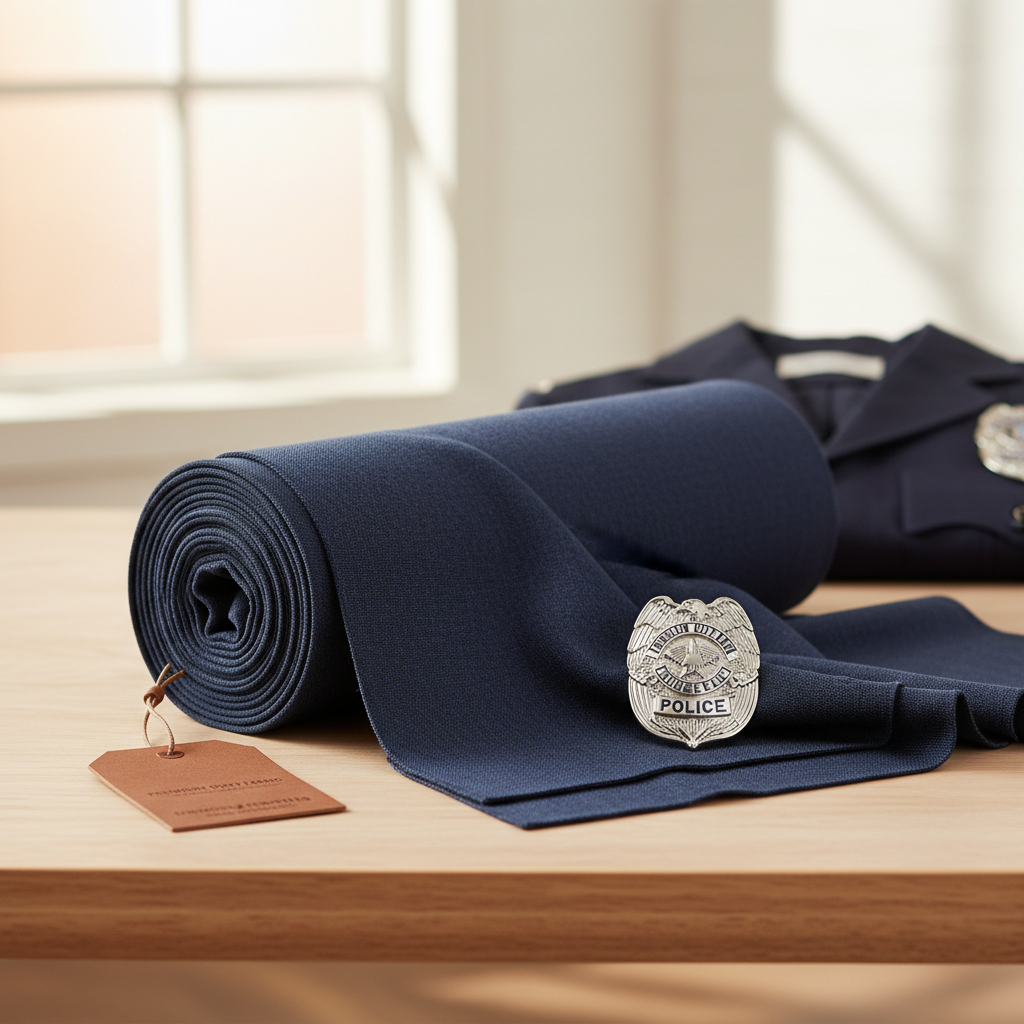
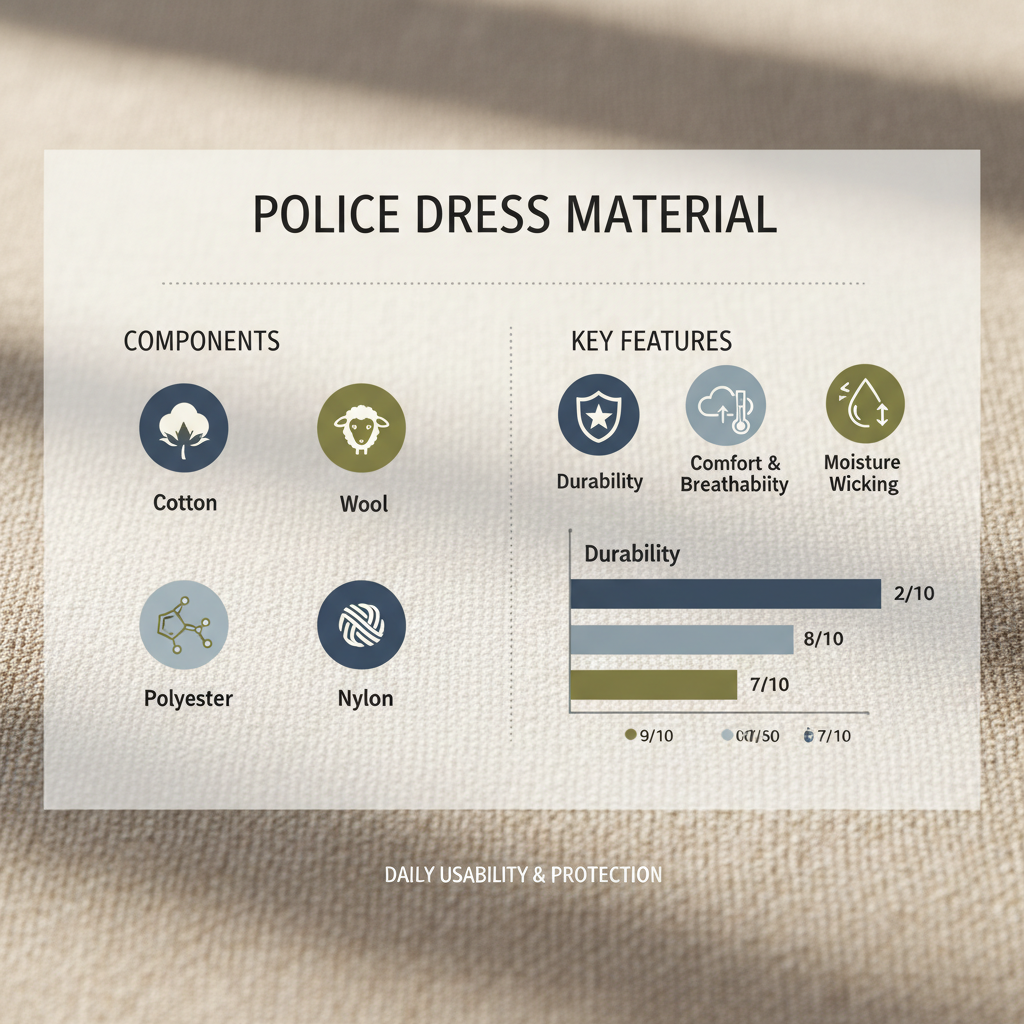
Several fabric types are commonly used in police uniforms, each possessing unique advantages and drawbacks. Polyester blends are popular due to their affordability, wrinkle resistance, and durability. Wool blends offer a more traditional look and excellent drape, providing a professional aesthetic. Cotton blends prioritize comfort and breathability, making them suitable for warmer climates. However, cotton is prone to wrinkling and fading. Newer materials like moisture-wicking synthetics are also gaining traction for enhanced comfort during physical activity. The ideal choice depends on the specific requirements of the police force, including climate, activity level, and budget.
Key Considerations: Durability, comfort, wrinkle resistance, breathability, and cost are crucial factors when selecting police dress material.
A Detailed Look at Polyester Blend Materials
Polyester blends, particularly those combined with rayon or cotton, are frequently chosen for police uniforms. They offer exceptional resistance to wrinkles, shrinking, and fading. This translates to a consistently professional appearance with minimal maintenance. Polyester is also relatively inexpensive, making it a cost-effective solution. However, it’s less breathable than natural fibers like cotton, which can be a concern in hot weather. Modern polyester blends are increasingly incorporating moisture-wicking properties to address this issue. Explore the range of high-quality polyester blends available at Jiexang Textile.
Polyester Blend Advantages:
• Exceptional wrinkle resistance
• High durability and longevity
• Cost-effective
• Good color retention
Police Dress Material Comparison: Wool vs. Polyester vs. Cotton
Choosing the right material involves weighing the pros and cons of each option. Here's a comparative overview to help you decide:
The Rising Popularity of Moisture-Wicking Police Dress Material
Modern advancements in textile technology have led to the development of moisture-wicking fabrics, offering a compelling alternative for police uniforms. These materials actively draw sweat away from the skin, promoting evaporative cooling and keeping officers comfortable during strenuous activities. This is particularly beneficial in warmer climates or during physically demanding tasks. Moisture-wicking properties also contribute to odor control, enhancing hygiene. Jiexang Textile offers a range of innovative moisture-wicking fabrics ideal for police dress uniforms.
Technical Specifications and Considerations for Police Uniform Fabrics
When evaluating police dress material, consider these technical specifications: weight (grams per square meter), weave type (e.g., twill, plain weave), and colorfastness. Weight impacts the fabric's drape and durability. Weave type influences texture and wrinkle resistance. Colorfastness ensures the fabric retains its color even after repeated washing and exposure to sunlight. Ensure the chosen material meets relevant safety standards and regulations.
Conclusion: Selecting the Optimal Police Dress Material
Choosing the right police dress material is a critical decision that impacts comfort, durability, and professional presentation. Consider the climate, activity level, and budget when making your selection. Jiexang Textile provides a wide range of high-quality fabrics designed to meet the demanding needs of law enforcement professionals. Investing in superior materials ensures long-lasting uniforms and enhances the overall image of your police force.
Frequently Asked Questions (FAQs)
What is the best material for police uniforms in hot climates?
For hot climates, a lightweight cotton blend or a moisture-wicking synthetic fabric is ideal. These materials promote breathability and help keep officers cool and comfortable. Moisture-wicking fabrics are particularly beneficial as they draw sweat away from the skin, preventing overheating. Polyester blends with moisture-wicking properties can also be a good option, offering a balance of durability and comfort.
How often should police uniforms be replaced?
The lifespan of a police uniform depends on usage and the quality of the material. Generally, uniforms should be replaced every 2-5 years, or sooner if they show signs of significant wear and tear, fading, or damage. Regular inspection of the fabric is crucial to identify potential issues. Factors like exposure to sunlight, frequent washing, and physical activity can accelerate deterioration.
Are there specific certifications for police uniform fabrics?
While there isn't a single universal certification, certain standards, such as colorfastness and abrasion resistance, are important. Fabrics used for police uniforms should meet durability and safety requirements. Look for materials that have been tested and certified to meet industry standards for performance and quality.
What are the benefits of choosing a reputable textile supplier like Jiexang Textile?
A reputable supplier like Jiexang Textile provides assurance of quality, consistency, and reliable delivery. We offer a wide range of fabrics specifically designed for law enforcement applications, along with expert advice and support. We are committed to providing durable, comfortable, and professional-looking materials that meet the unique needs of police forces.
-
Guide to Finding the Best Premium cotton suit material onlineNewsApr.16,2026
-
Premium White Cotton Fabric Wholesale Guide for BusinessesNewsApr.09,2026
-
Discover Premium Cotton Curtain Fabric Online for Beautiful HomesNewsApr.07,2026
-
Understanding Uniform Type of Fabric for Global Trade and Quality AssuranceNewsMar.31,2026
-
Comprehensive Guide to Different Types of Tela for Uniform SelectionNewsMar.28,2026
-
Comprehensive Guide to Selecting the Best Types of Fabric for UniformNewsMar.26,2026
-
Comprehensive Guide to Selecting the Best Types of Fabric for Office UniformNewsMar.24,2026