
Comprehensive Guide to Different Types of Tela for Uniform Selection
Understanding the Different Types of Tela for Uniform
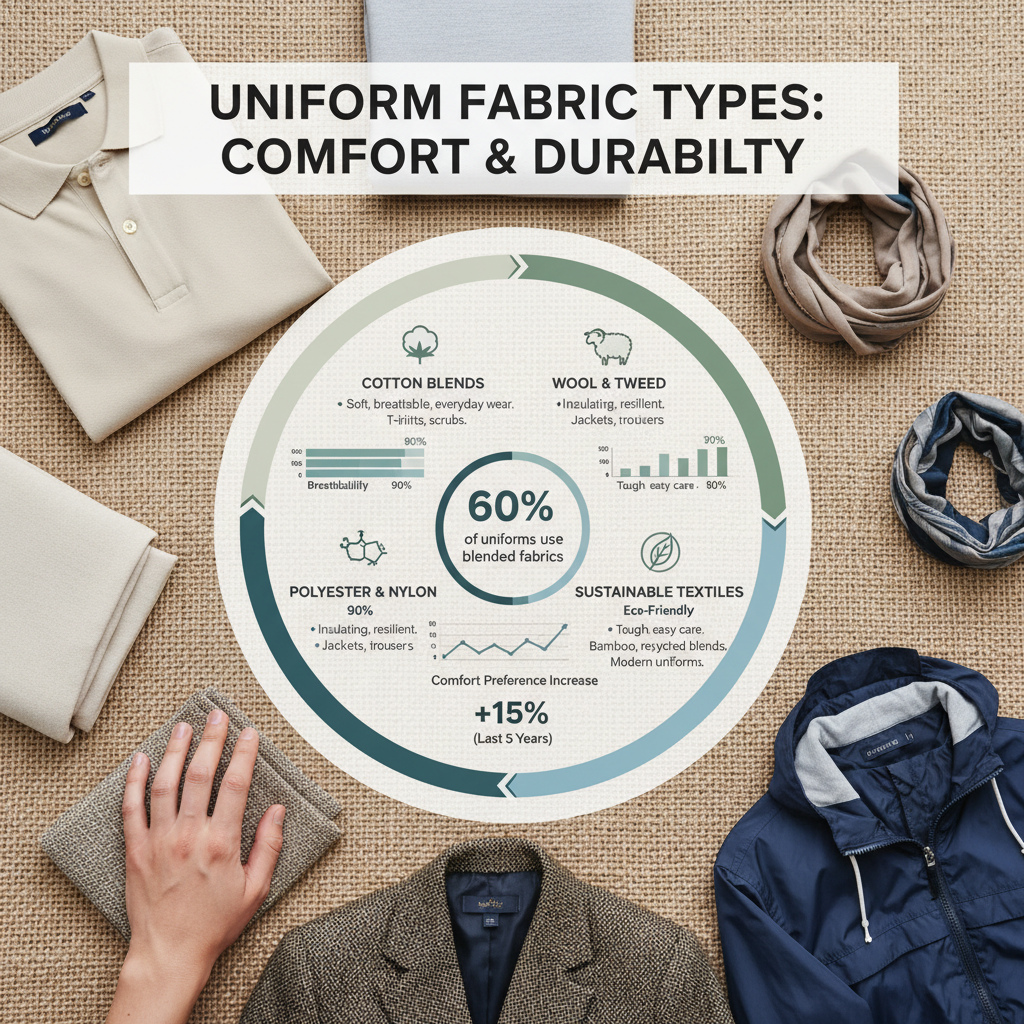
Choosing the right fabric, or tela, is paramount when designing and manufacturing uniforms. Different industries and roles demand different characteristics from their uniforms, impacting comfort, durability, and functionality. This guide explores the various types of tela for uniform, helping you make informed decisions for your specific needs. Selecting the appropriate material ensures your uniforms not only look professional but also meet the performance requirements of the job. From breathable cotton blends to robust polyester options, understanding the nuances of each fabric is key.

Cotton Tela: Comfort and Breathability
Cotton tela remains a popular choice for uniforms due to its inherent softness, breathability, and affordability. It's ideal for roles where comfort is a priority, such as hospitality, healthcare (certain roles), and office environments. However, cotton is prone to wrinkling and shrinking, and it doesn’t wick moisture effectively. To combat these issues, cotton is often blended with other synthetic fibers. The feel of cotton against the skin is unmatched, making it a favored choice when prolonged wear is expected. Consider the weight of the cotton tela – lighter weights are better for warmer climates, while heavier weights offer more durability.
Polyester Tela: Durability and Low Maintenance
Polyester tela is renowned for its durability, wrinkle resistance, and quick-drying properties. It's an excellent option for uniforms requiring frequent washing and exposure to harsh conditions. Industries such as security, construction, and food service often utilize polyester uniforms. While polyester is not as breathable as cotton, advancements in fabric technology have led to moisture-wicking polyester options. It also holds color well, reducing fading over time. Jiexiang Textile offers a wide variety of polyester telas to suit diverse needs.
Key Highlights: Polyester tela is highly durable, resists wrinkles, and dries quickly, making it ideal for demanding work environments.
Cotton-Polyester Blends: The Best of Both Worlds
Blending cotton and polyester creates a tela that offers a balance of comfort, durability, and affordability. These blends typically range from 65% polyester/35% cotton to 50% polyester/50% cotton, adjusting the properties accordingly. A higher polyester content increases wrinkle resistance and durability, while a higher cotton content enhances breathability and softness. This makes cotton-polyester blends a versatile choice for a wide range of industries. They are a popular selection for business casual uniforms and general workwear.
Cotton-Polyester Blend Benefits:
• Combines comfort and durability
• Reduced wrinkling and shrinking
• Improved breathability compared to 100% polyester
• Cost-effective option
Types of Tela for Uniform: A Comparative Overview
Here’s a comparative table highlighting the key characteristics of different uniform telas:
Specialty Telas for Specific Needs
Beyond the common options, certain industries require specialized telas. For instance, flame-resistant (FR) telas are crucial for professions involving potential exposure to fire hazards, such as firefighters and welders. These fabrics are treated with chemicals to resist ignition and slow down the spread of flames. Similarly, waterproof and breathable telas are essential for outdoor work in wet conditions. Jiexiang Textile can provide tailored solutions for these specific requirements.
Conclusion: Choosing the Right Tela
Selecting the appropriate tela for uniform is a critical decision that impacts comfort, durability, safety, and overall cost-effectiveness. By carefully considering the specific requirements of the job and the properties of each fabric, you can ensure your uniforms meet the needs of your workforce. Don’t hesitate to consult with textile experts to discuss your specific needs and find the perfect solution.
Frequently Asked Questions (FAQs)
What is the best tela for high-visibility uniforms?
For high-visibility uniforms, fluorescent polyester tela is the most suitable choice. This material combines the durability and wrinkle resistance of polyester with the bright, attention-grabbing colors necessary for visibility in low-light conditions or hazardous environments. It's often treated with a reflective coating for enhanced safety. Look for telas that meet ANSI/ISEA 107 standards.
How do I care for uniforms made from different telas?
Care instructions vary depending on the tela. Cotton uniforms generally require frequent washing and may shrink. Polyester uniforms are easier to care for and can withstand higher washing temperatures. Always check the garment’s care label for specific instructions. Avoid using harsh detergents or bleach, as these can damage the fabric. Ironing may be required for cotton and cotton-polyester blends.
What are flame-resistant (FR) telas made from?
Flame-resistant telas are typically made from inherently flame-resistant fibers like Nomex, Kevlar, or Modacrylic. Alternatively, cotton or polyester telas can be treated with flame-retardant chemicals to achieve FR properties. The choice depends on the specific application and level of protection required. Always ensure FR uniforms meet relevant safety standards, such as NFPA 2112.
Are there eco-friendly tela options for uniforms?
Yes, there is a growing demand for sustainable and eco-friendly telas. Options include organic cotton, recycled polyester (made from plastic bottles), and fabrics made from renewable resources like bamboo. These options reduce the environmental impact of uniform production. Jiexiang Textile is committed to offering more sustainable choices.
-
Guide to Finding the Best Premium cotton suit material onlineNewsApr.16,2026
-
Premium White Cotton Fabric Wholesale Guide for BusinessesNewsApr.09,2026
-
Discover Premium Cotton Curtain Fabric Online for Beautiful HomesNewsApr.07,2026
-
Understanding Uniform Type of Fabric for Global Trade and Quality AssuranceNewsMar.31,2026
-
Comprehensive Guide to Selecting the Best Types of Fabric for UniformNewsMar.26,2026
-
Comprehensive Guide to Selecting the Best Types of Fabric for Office UniformNewsMar.24,2026
-
Choosing the Right Type of Fabric for Uniforms A Comprehensive GuideNewsMar.21,2026